forked from viewit/KX-Bridge-Release
Compare commits
16 Commits
v0.9.1-bet
...
feature/fe
| Author | SHA1 | Date | |
|---|---|---|---|
| 9279036c51 | |||
| ce63cc5e7a | |||
| 5c83cc6df0 | |||
| be11217896 | |||
| 0292785fd8 | |||
| 50419fb487 | |||
| f196b8d29a | |||
| 1d3c5a7e1b | |||
| c22296d880 | |||
| d9d3581e22 | |||
| 966d421016 | |||
| 2a12ecca51 | |||
| ae4777187f | |||
| 8ccafb96c4 | |||
| 21f340271b | |||
| 2f56a1f056 |


@@ -21,3 +21,4 @@ DEVICE_ID=xxxxxxxxxxxxxxxxxxxxxxxxxxxxxxxx
|
||||
|
||||
# Modell-ID (Kobra X Standard: 20030)
|
||||
MODE_ID=20030
|
||||
|
||||
|
||||
265
CHANGELOG.de.md
Normal file
265
CHANGELOG.de.md
Normal file
@@ -0,0 +1,265 @@
|
||||
# Changelog
|
||||
|
||||
## [0.9.6.1] – 2026-05-02
|
||||
|
||||
### Fixes
|
||||
- **Upload-Banner:** Banner wird nach Stopp/Abbruch nicht mehr erneut angezeigt — `file_ready` und Thumbnail werden jetzt gecleared wenn der Drucker `stoped` oder `canceled` meldet
|
||||
|
||||
---
|
||||
|
||||
## [0.9.6] – 2026-05-02
|
||||
|
||||
### Neu
|
||||
- **Fortschritts-Karte:** Verstrichen / Slicer-Schätzung / Restzeit als Mini-Cards (gleicher Stil wie Temperaturkarten)
|
||||
- **Layer-Mini-Card:** Layerzahl als Mini-Card neben der Fortschrittsleiste
|
||||
|
||||
### Fixes
|
||||
- **Slicer-Schätzzeit:** OrcaSlicer schreibt die geschätzte Zeit ans Ende der GCode-Datei — Bridge liest jetzt auch die letzten 64 KB (vorher nur die ersten 16 KB)
|
||||
- **start.sh:** `config/`-Verzeichnis wird jetzt automatisch erstellt und `config.ini.example` wird beim ersten Start hineinkopiert (Issue #15)
|
||||
|
||||
---
|
||||
|
||||
## [0.9.5] – 2026-05-01
|
||||
|
||||
### Neu
|
||||
- **Upload-Banner:** Nach „Nur hochladen" erscheint ein grüner Banner mit Dateiname — „▶ Druck starten" startet den Druck direkt, „✕ Abbrechen" schließt den Banner
|
||||
|
||||
### Fixes
|
||||
- **Auto-Print:** `auto_print` wurde nach dem Multipart-Loop immer auf `False` zurückgesetzt — OrcaSlicer „Hochladen und drucken" startete den Druck nie automatisch
|
||||
- **Thumbnail:** Vorschaubild wird jetzt auch bei „Nur hochladen" angezeigt — Bridge fragt `fileDetails` direkt nach dem Upload an
|
||||
- **Log Auto-Scroll:** Scroll-Position bleibt erhalten wenn Auto-Scroll deaktiviert ist — kein ungewollter Sprung nach oben mehr
|
||||
|
||||
---
|
||||
|
||||
## [0.9.4] – 2026-05-01
|
||||
|
||||
### Neu
|
||||
- **AMS-Slot-Editor:** Slot im AMS-Panel anklicken → Dialog mit Farbpicker und Material-Auswahl (Schnellbuttons: PLA/PETG/ABS/ASA/TPU/PA/PC/HIPS oder Freitext) direkt im Browser
|
||||
- **Verbessertes Log-Panel:** Vollständige MQTT-Payloads (keine Kürzung mehr), Richtungsfilter (Alle/RX/TX) und Topic-Schnellfilter (AMS / print / info / status)
|
||||
|
||||
### Fixes
|
||||
- **i18n:** Kamera-Placeholder-Text und Log-Richtungs-Button „Alle" werden jetzt korrekt beim Sprachwechsel übersetzt
|
||||
|
||||
---
|
||||
|
||||
## [0.9.3] – 2026-05-01
|
||||
|
||||
### Fixes
|
||||
- **Update-Check:** Stable-User erhalten keine Dev-Pre-Releases mehr — `STABLE_RELEASE_API` hatte `pre-release=true`, wodurch stabile Installationen Dev-Builds statt stabiler Releases fanden (Issue #14)
|
||||
- **Version nach Update:** `VERSION`-Datei wird jetzt im Docker-Image mitgeliefert (`COPY VERSION .`) — `_write_version()` benötigt eine vorhandene Datei, ohne die wurde die Version nach dem Self-Update nie aktualisiert (Issue #14)
|
||||
|
||||
### Neu
|
||||
- **Version im Header:** Laufende Version wird im Web-UI-Header neben dem Druckernamen angezeigt — kein Öffnen der Einstellungen nötig (Issue #14)
|
||||
|
||||
---
|
||||
|
||||
## [0.9.2] – 2026-04-29
|
||||
|
||||
### ⚠️ Breaking Change: Konfiguration wechselt von `.env` zu `config/config.ini`
|
||||
|
||||
**Migration erfolgt automatisch** beim ersten Start — keine manuelle Aktion nötig.
|
||||
|
||||
- Einstellungen werden ab sofort aus `config/config.ini` gelesen statt aus `.env`
|
||||
- Beim ersten Start ohne `config.ini` wird die Datei automatisch aus `.env` erstellt
|
||||
- **Docker:** Volume `./config:/app/config` in `docker-compose.yml` ist der persistente Speicherort — Einstellungen überleben `docker-compose restart` und Updates
|
||||
- **Standalone:** `config/config.ini` liegt neben der Binary und wird bei Updates nicht überschrieben
|
||||
- `.env` bleibt als read-only Fallback gemountet — kann liegen bleiben
|
||||
- Zum manuellen Anlegen einer `config.ini`: Vorlage unter `config/config.ini.example`
|
||||
|
||||
### Neu
|
||||
- **Persistente Einstellungen:** `config/config.ini` ersetzt `.env` — Einstellungen gehen nach `docker-compose restart` nicht mehr verloren (Issue #9)
|
||||
- **Verbindungsfehler-Banner:** Roter Banner oben in der Web-UI wenn MQTT-Verbindung fehlschlägt (z.B. falsches Passwort, Drucker nicht erreichbar) (Issue #11)
|
||||
- **Slicer-Schätzzeit:** Geschätzte Gesamtdruckzeit aus dem GCode-Header wird im Fortschritts-Panel angezeigt
|
||||
|
||||
### Fixes
|
||||
- README: OrcaSlicer-Verbindung explizit mit `http://` und Port `:7125` dokumentiert (Issue #12)
|
||||
- README: Direkter Download-Link für `extract_credentials` auf Gitea-Releases (Issue #13)
|
||||
|
||||
---
|
||||
|
||||
## [0.9.1-dev] – laufend (dev-Branch)
|
||||
|
||||
### Neu
|
||||
- **Dev-Branch-Infrastruktur:** Versionsschema `0.9.1-dev+<hash>` — jeder Build eindeutig identifizierbar
|
||||
- **Separater Update-Kanal:** Dev-Versionen prüfen auf Gitea Pre-Releases mit `-dev+` im Tag
|
||||
- **AMS-Slot-Auswahl:** Einstellung „Standard-Slot (Einfarbdruck)" im Settings-Modal — fixiert einen bestimmten AMS-Kanal oder Auto (alle belegten Slots)
|
||||
- **Auto-Leveling:** Checkbox im Settings-Modal — steuert `task_settings.auto_leveling` beim Druckstart
|
||||
- **MQTT-Logging:** Strukturiertes TX/RX-Log mit Duplikat-Filter (`kobrax.mqtt` Logger)
|
||||
- **Server-Log im Browser:** Live-Stream via SSE (`/api/log/stream`) — alle Server-Logs erscheinen im Log-Tab der UI
|
||||
- **Log-Tab Verbesserungen:**
|
||||
- Auto-Scroll ein/aus — deaktiviert sich beim manuellen Hochscrollen, Button zum Reaktivieren
|
||||
- Textfilter — Live-Filterung der Log-Einträge
|
||||
- Error-Badge — roter Zähler im Tab-Button bei Fehlern/Warnungen
|
||||
- Clear-Button — Buffer leeren
|
||||
- Download-Button — letzte 500 Einträge als `kx-bridge.log`
|
||||
- Log-Fenster füllt den gesamten verfügbaren Platz (statt fester Höhe 160px)
|
||||
- **Log-Buffer:** 500 Einträge (Server + Browser vereinheitlicht)
|
||||
- **Changelog im Update-Dialog:** Release-Notes aus Gitea werden direkt im Update-Dialog angezeigt
|
||||
- **Slicer-Schätzzeit:** Geschätzte Gesamtdruckzeit aus dem GCode-Header im Fortschritts-Panel
|
||||
|
||||
---
|
||||
|
||||
## [0.9.1-beta15] – 2026-04-26
|
||||
|
||||
### Fixes
|
||||
- AMS: Leere Slots werden beim Druckstart übersprungen — kein `filament runout` mehr bei unbelegten Kanälen (Issue #5)
|
||||
- AMS: Material-Typ wird jetzt korrekt aus dem Drucker-Protokoll gelesen (Feld `type` statt `material_type`)
|
||||
- AMS UI: Leere Slots werden grau/transparent mit „Leer"-Label dargestellt
|
||||
|
||||
---
|
||||
|
||||
## [0.9.1-beta14] – 2026-04-26
|
||||
|
||||
### Fixes
|
||||
- Z-Achse: ▲ fährt jetzt aufwärts (Z+), ▼ abwärts (Z−) — Pfeile waren vertauscht (Issue #4)
|
||||
- Home All: korrekter Achsen-Code 5 — homed alle Achsen XYZ (Issue #4)
|
||||
- Neuer Button „Home XY" (axis=4) in der UI
|
||||
- Neuer Button „Motoren aus" (axis turnOff) in der UI
|
||||
|
||||
---
|
||||
|
||||
## [0.9.1-beta13] – 2026-04-26
|
||||
|
||||
### Fixes (Windows)
|
||||
- Self-Update / Settings-Neustart: `os.execv` funktioniert jetzt korrekt in der PyInstaller-Binary
|
||||
- Kamera: `ffmpeg nicht gefunden` crasht nicht mehr — saubere 503-Antwort wenn ffmpeg fehlt
|
||||
- Reconnect-Loop: Kurze leere TCP-Reads unter Windows lösen keine sofortigen Reconnects mehr aus
|
||||
|
||||
### Struktur
|
||||
- `bridge/`: Bridge-Dateien aus `05_scripts/` herausgelöst
|
||||
- `tools/`: `extract_credentials.py` als eigenständiges Tool mit eigenem README
|
||||
- `_archive/`: RE-Forschungsordner, Analyse-Tools und alte Release-Checksums archiviert
|
||||
- README komplett neu: klarer 3-Schritte-Schnellstart
|
||||
|
||||
---
|
||||
|
||||
## [0.9.1-beta12] – 2026-04-25
|
||||
|
||||
### Fixes
|
||||
- Falsche MQTT-Zugangsdaten zeigen jetzt eine verständliche Fehlermeldung statt des kryptischen `CONNACK failed: 20020005`
|
||||
|
||||
---
|
||||
|
||||
## [0.9.1-beta11] – 2026-04-25
|
||||
|
||||
### Fixes
|
||||
- Drucker-IP wird automatisch bereinigt wenn der Nutzer versehentlich den Port miteingibt (z.B. `192.168.1.102:9883` → `192.168.1.102`)
|
||||
- Settings-Modal: Hinweis erscheint wenn ein `:` in der IP erkannt wird
|
||||
- `docker-compose.yml`: `.env` als Volume gemountet — Einstellungen bleiben nach `docker-compose restart` erhalten
|
||||
|
||||
---
|
||||
|
||||
## [0.9.1-beta10] – 2026-04-25
|
||||
|
||||
### Neu
|
||||
- `start.sh` — startet die Bridge per Docker, baut das Image automatisch beim ersten Aufruf
|
||||
- Tests: pytest-Suite (19 Tests) für API-State, Moonraker-Endpunkte, Settings; Installations-Smoke-Test (`test_install.sh`)
|
||||
- Settings-Modal öffnet sich beim ersten Start automatisch wenn keine Zugangsdaten hinterlegt sind
|
||||
|
||||
### Geändert
|
||||
- README: Schnellstart zeigt jetzt `./start.sh` statt manuellem `docker build`
|
||||
- README: LAN-Modus korrekt als Drucker-Menüoption beschrieben
|
||||
- README: Versionsnummer wird ab jetzt automatisch bei jedem Release aktualisiert
|
||||
- `extract_credentials`: `--write-env` nicht mehr empfohlen — Werte im ⚙-Menü eintragen
|
||||
- Dockerfile im Release-Repo: Pfade ohne `05_scripts/`-Präfix
|
||||
- `release.sh`: Dockerfile für Release-Repo automatisch per `sed` angepasst
|
||||
|
||||
### Fixes
|
||||
- Restdruckzeit (`remain_time`) wird jetzt korrekt aus `print/report` übernommen und in der UI angezeigt
|
||||
- Übersetzungen: „Schrittweite" und „Ziel"-Placeholder in Temperatureingaben korrekt übersetzt
|
||||
|
||||
---
|
||||
|
||||
## [0.9.1-beta9] – 2026-04-25
|
||||
|
||||
### Neu
|
||||
- OrcaSlicer-Profil (`kobra_x_orcaslicer_preset.zip`) als Release-Asset
|
||||
- `release.sh`: OrcaSlicer-Profil wird automatisch ins Release-Repo kopiert und hochgeladen
|
||||
|
||||
### Geändert
|
||||
- README: `extract_credentials` ohne `--write-env`, Werte manuell im ⚙-Menü eintragen
|
||||
- README: Docker-Schnellstart vereinfacht
|
||||
|
||||
---
|
||||
|
||||
## [0.9.1-beta8] – 2026-04-25
|
||||
|
||||
### Neu
|
||||
- Restdruckzeit-Anzeige in der UI (≈ Xh Ym verbleibend) aus `remain_time`-Feld
|
||||
- Settings-Modal: Verbindungseinstellungen und Self-Update direkt im Browser
|
||||
- Self-Update: Bridge prüft Gitea-Release-API auf neue Versionen und aktualisiert sich selbst
|
||||
|
||||
### Geändert
|
||||
- Bridge startet im Offline-Modus wenn Drucker nicht erreichbar (kein Absturz)
|
||||
- Verbinden/Trennen-Button im Header
|
||||
|
||||
---
|
||||
|
||||
## [0.9.1-beta7] – 2026-04-22
|
||||
|
||||
### Neu
|
||||
- Offline-Start: Bridge läuft auch ohne MQTT-Verbindung, verbindet automatisch sobald Drucker erreichbar
|
||||
- Verbinden/Trennen-Button im Header
|
||||
|
||||
---
|
||||
|
||||
## [0.9.1-beta6] – 2026-04-20
|
||||
|
||||
### Neu
|
||||
- Release-ZIPs: `kx-bridge-linux.zip`, `kx-bridge-windows.zip`, `anycubic-certs.zip` mit Zertifikaten
|
||||
|
||||
### Fixes
|
||||
- PyInstaller frozen-Binary: `__file__` durch `sys.executable`-Pfad ersetzt (Cert-Pfad-Fix)
|
||||
|
||||
---
|
||||
|
||||
## [0.9.1-beta5] – 2026-04-19
|
||||
|
||||
### Neu
|
||||
- `kx-bridge.exe` (Windows) wird automatisch via GitHub Actions gebaut
|
||||
|
||||
---
|
||||
|
||||
## [0.9.1-beta4] – 2026-04-18
|
||||
|
||||
### Neu
|
||||
- `release.sh`: baut Linux-Binary und Windows-EXE, lädt alle Assets auf Gitea hoch
|
||||
- Englische README (`README.en.md`)
|
||||
|
||||
### Fixes
|
||||
- `progress` und `filename` werden bei `stoped`/`canceled` korrekt auf 0 zurückgesetzt
|
||||
|
||||
---
|
||||
|
||||
## [0.9.1-beta3] – 2026-04-17
|
||||
|
||||
### Neu
|
||||
- Druckgeschwindigkeit-Karte (Leise / Normal / Sport)
|
||||
- Übersetzungen (DE/EN) vervollständigt
|
||||
|
||||
---
|
||||
|
||||
## [0.9.1-beta2] – 2026-04-17
|
||||
|
||||
### Fixes
|
||||
- Temperatursteuerung während eines laufenden Drucks
|
||||
|
||||
---
|
||||
|
||||
## [0.9.1-beta1] – 2026-04-17
|
||||
|
||||
### Neu
|
||||
- UI-Komplettüberarbeitung: Settings-Modal, Self-Update, Dashboard, Responsive Design
|
||||
- Neue Drucker-Zustände: `pausing`, `paused`, `resuming`, `resumed`, `stopping`
|
||||
- `release.sh`: Version-Bump und Release-Sync Skript
|
||||
|
||||
---
|
||||
|
||||
## [0.9.0-beta1] – 2026-04-10
|
||||
|
||||
### Neu
|
||||
- Erster öffentlicher Release
|
||||
- Docker-Deployment, Linux-Binary, `extract_credentials`-Tool
|
||||
- Moonraker-kompatible HTTP/WebSocket-Bridge für den Anycubic Kobra X
|
||||
- AMS Einziehen/Ausziehen, Licht- und Lüftersteuerung
|
||||
- Web-UI mit Dashboard, Temperaturkarten, Achsensteuerung
|
||||
241
CHANGELOG.md
241
CHANGELOG.md
@@ -1,166 +1,265 @@
|
||||
# Changelog
|
||||
|
||||
## [0.9.6.1] – 2026-05-02
|
||||
|
||||
### Fixes
|
||||
- **Upload banner:** Banner is no longer shown again after print stop/cancel — `file_ready` and thumbnail are now cleared when the printer reports `stoped` or `canceled`
|
||||
|
||||
---
|
||||
|
||||
## [0.9.6] – 2026-05-02
|
||||
|
||||
### New
|
||||
- **Progress card:** Elapsed / Slicer estimate / Remaining time shown as mini-cards (same style as temperature cards)
|
||||
- **Layer mini-card:** Layer count displayed as mini-card next to the progress bar
|
||||
|
||||
### Fixes
|
||||
- **Slicer estimate time:** OrcaSlicer writes the estimated time at the end of the GCode file — bridge now also scans the last 64 KB (previously only the first 16 KB were checked)
|
||||
- **start.sh:** `config/` directory is now created automatically and `config.ini.example` is copied into it on first run (Issue #15)
|
||||
|
||||
---
|
||||
|
||||
## [0.9.5] – 2026-05-01
|
||||
|
||||
### New
|
||||
- **Upload banner:** After "Upload only", a green banner appears with the filename — "▶ Start Print" starts the print directly, "✕ Cancel" dismisses the banner
|
||||
|
||||
### Fixes
|
||||
- **Auto-print:** `auto_print` was always reset to `False` after the multipart loop — OrcaSlicer "Upload and print" never started the print automatically
|
||||
- **Thumbnail:** Preview image is now shown after "Upload only" — bridge requests `fileDetails` immediately after upload
|
||||
- **Log auto-scroll:** Scroll position is preserved when auto-scroll is disabled — no more unwanted jump to top
|
||||
|
||||
---
|
||||
|
||||
## [0.9.4] – 2026-05-01
|
||||
|
||||
### New
|
||||
- **AMS slot editor:** Click any slot in the AMS panel to open an edit dialog — set color (color picker) and material (preset buttons: PLA/PETG/ABS/ASA/TPU/PA/PC/HIPS or free text) directly from the browser
|
||||
- **Improved log panel:** Full MQTT payloads (no truncation), direction filter (All/RX/TX) and topic quick-filter buttons (AMS / print / info / status)
|
||||
|
||||
### Fixes
|
||||
- **i18n:** Camera placeholder text and log direction "All" button now correctly translated on language switch
|
||||
|
||||
---
|
||||
|
||||
## [0.9.3] – 2026-05-01
|
||||
|
||||
### Fixes
|
||||
- **Update check:** Stable users no longer receive dev pre-releases — `STABLE_RELEASE_API` had `pre-release=true` which caused stable installs to find dev builds instead of stable releases (Issue #14)
|
||||
- **Version after update:** `VERSION` file is now included in the Docker image (`COPY VERSION .`) — `_write_version()` requires the file to exist, without it the version was never updated after self-update (Issue #14)
|
||||
|
||||
### New
|
||||
- **Version in header:** Running version shown in the Web-UI header next to the printer name — no need to open Settings to check (Issue #14)
|
||||
|
||||
---
|
||||
|
||||
## [0.9.2] – 2026-04-29
|
||||
|
||||
### ⚠️ Breaking Change: Configuration moves from `.env` to `config/config.ini`
|
||||
|
||||
**Migration is automatic** on first start — no manual action required.
|
||||
|
||||
- Settings are now read from `config/config.ini` instead of `.env`
|
||||
- On first start without `config.ini`, the file is created automatically from `.env`
|
||||
- **Docker:** Volume `./config:/app/config` in `docker-compose.yml` is the persistent storage — settings survive `docker-compose restart` and updates
|
||||
- **Standalone:** `config/config.ini` sits next to the binary and is not overwritten on update
|
||||
- `.env` stays mounted read-only as a migration source — you can leave it in place
|
||||
- To create a `config.ini` manually: copy `config/config.ini.example`
|
||||
|
||||
### New
|
||||
- **Persistent settings:** `config/config.ini` replaces `.env` — settings no longer lost after `docker-compose restart` (Issue #9)
|
||||
- **Connection error banner:** Red banner at the top of the Web-UI when MQTT connection fails (e.g. wrong password, printer unreachable) (Issue #11)
|
||||
- **Slicer estimated time:** Estimated total print time from GCode header shown in the progress panel
|
||||
|
||||
### Fixes
|
||||
- README: OrcaSlicer connection documented explicitly with `http://` and port `:7125` (Issue #12)
|
||||
- README: Direct download link for `extract_credentials` pointing to Gitea releases (Issue #13)
|
||||
|
||||
---
|
||||
|
||||
## [0.9.1-dev] – ongoing (dev branch)
|
||||
|
||||
### New
|
||||
- **Dev branch infrastructure:** Version scheme `0.9.1-dev+<hash>` — every build uniquely identifiable
|
||||
- **Separate update channel:** Dev versions check for Gitea pre-releases with `-dev+` in the tag
|
||||
- **AMS slot selection:** Setting "Default slot (single color)" in the Settings modal — pins a specific AMS channel or Auto (all loaded slots)
|
||||
- **Auto-leveling:** Checkbox in Settings modal — controls `task_settings.auto_leveling` on print start
|
||||
- **MQTT logging:** Structured TX/RX log with duplicate filter (`kobrax.mqtt` logger)
|
||||
- **Server log in browser console:** Live stream via SSE (`/api/log/stream`) — all server logs appear in the Log tab
|
||||
- **Log tab improvements:**
|
||||
- Auto-scroll on/off — disables automatically on manual scroll-up, button to re-enable
|
||||
- Text filter — live filtering of log entries
|
||||
- Error badge — red counter on the tab button when errors/warnings occur while on another tab
|
||||
- Clear button — empty the buffer
|
||||
- Download button — last 500 entries as `kx-bridge.log`
|
||||
- Log window now fills all available space (instead of fixed 160px height)
|
||||
- **Log buffer:** 500 entries (server + browser unified)
|
||||
- **Changelog in update dialog:** Release notes from Gitea loaded and shown directly in the update dialog
|
||||
- **Slicer estimated time:** Estimated total print time from GCode header shown in the progress panel
|
||||
|
||||
---
|
||||
|
||||
## [0.9.1-beta15] – 2026-04-26
|
||||
|
||||
### Fixes
|
||||
- AMS: Leere Slots werden beim Druckstart übersprungen – kein `filament runout` mehr bei unbelegten Kanälen (Issue #5)
|
||||
- AMS: Material-Typ wird jetzt korrekt aus dem Drucker-Protokoll gelesen (Feld `type` statt `material_type`)
|
||||
- AMS UI: Leere Slots werden grau und transparent dargestellt mit „Leer"-Label
|
||||
- AMS: Empty slots are skipped on print start — no more `filament runout` for unloaded channels (Issue #5)
|
||||
- AMS: Material type is now correctly read from the printer protocol (field `type` instead of `material_type`)
|
||||
- AMS UI: Empty slots shown grey/transparent with "Empty" label
|
||||
|
||||
---
|
||||
|
||||
## [0.9.1-beta14] – 2026-04-26
|
||||
|
||||
### Fixes
|
||||
- Z-Achse: ▲ fährt jetzt aufwärts (Z+), ▼ abwärts (Z−) – Pfeile waren vertauscht (Issue #4)
|
||||
- Home All: korrekter axis-Code 5 – homed alle Achsen XYZ (Issue #4)
|
||||
- Neuer Button „Home XY" (axis=4) in der UI
|
||||
- Neuer Button „Motors Off" (axis turnOff) in der UI
|
||||
- Z axis: ▲ now moves up (Z+), ▼ moves down (Z−) — arrows were reversed (Issue #4)
|
||||
- Home All: correct axis code 5 — homes all axes XYZ (Issue #4)
|
||||
- New "Home XY" button (axis=4) in the UI
|
||||
- New "Motors Off" button (axis turnOff) in the UI
|
||||
|
||||
---
|
||||
|
||||
## [0.9.1-beta13] – 2026-04-26
|
||||
|
||||
### Fixes (Windows)
|
||||
- Self-Update / Settings-Neustart: `os.execv` funktioniert jetzt korrekt in der PyInstaller-Binary (kein doppelter Pfad als Argument mehr)
|
||||
- Kamera: `ffmpeg nicht gefunden` crasht nicht mehr – saubere 503-Antwort wenn ffmpeg nicht installiert ist
|
||||
- Reconnect-Loop: Kurzeitige leere TCP-Reads unter Windows führen nicht mehr sofort zu Reconnects
|
||||
- Self-update / Settings restart: `os.execv` now works correctly in PyInstaller binary
|
||||
- Camera: `ffmpeg not found` no longer crashes — clean 503 response when ffmpeg is not installed
|
||||
- Reconnect loop: Short empty TCP reads on Windows no longer trigger immediate reconnects
|
||||
|
||||
### Struktur
|
||||
- `bridge/`: Bridge-Dateien aus `05_scripts/` herausgelöst
|
||||
- `tools/`: `extract_credentials.py` als eigenständiges Tool mit eigenem README
|
||||
- `_archive/`: RE-Forschungsordner, Analyse-Tools und alte Release-Checksums archiviert
|
||||
- README komplett neu: klarer 3-Schritte-Schnellstart
|
||||
### Structure
|
||||
- `bridge/`: Bridge files extracted from `05_scripts/`
|
||||
- `tools/`: `extract_credentials.py` as standalone tool with its own README
|
||||
- `_archive/`: RE research folders, analysis tools and old release checksums archived
|
||||
- README fully rewritten: clear 3-step quick start
|
||||
|
||||
---
|
||||
|
||||
## [0.9.1-beta12] – 2026-04-25
|
||||
|
||||
### Fixes
|
||||
- Fehlermeldung bei falschen MQTT-Zugangsdaten ist jetzt verständlich: `Falsche MQTT-Zugangsdaten (falscher Benutzername, Passwort oder Device-ID)` statt kryptischem `CONNACK failed: 20020005`
|
||||
- Wrong MQTT credentials now shows a human-readable error instead of cryptic `CONNACK failed: 20020005`
|
||||
|
||||
---
|
||||
|
||||
## [0.9.1-beta11] – 2026-04-25
|
||||
|
||||
### Fixes
|
||||
- Drucker-IP wird automatisch bereinigt wenn der Nutzer versehentlich den Port miteingibt (z.B. `192.168.1.102:9883` → `192.168.1.102`)
|
||||
- Settings-Modal: Hinweis erscheint wenn ein `:` in der IP erkannt wird
|
||||
- `docker-compose.yml`: `.env` wird als Volume in den Container gemountet – Einstellungen bleiben nach `docker-compose restart` erhalten
|
||||
- Printer IP is automatically cleaned if the user accidentally includes the port (e.g. `192.168.1.102:9883` → `192.168.1.102`)
|
||||
- Settings modal: hint shown when `:` is detected in the IP field
|
||||
- `docker-compose.yml`: `.env` mounted as volume into the container — settings persist after `docker-compose restart`
|
||||
|
||||
---
|
||||
|
||||
## [0.9.1-beta10] – 2026-04-25
|
||||
|
||||
### Neu
|
||||
- `start.sh` – startet die Bridge per Docker, baut das Image automatisch beim ersten Aufruf
|
||||
- Tests: pytest-Suite (19 Tests) für API-State, Moonraker-Endpunkte, Settings; Installations-Smoke-Test (`test_install.sh`)
|
||||
- Settings-Modal öffnet sich beim ersten Start automatisch wenn keine Zugangsdaten hinterlegt sind
|
||||
### New
|
||||
- `start.sh` — starts the bridge via Docker, builds the image automatically on first run
|
||||
- Tests: pytest suite (19 tests) for API state, Moonraker endpoints, settings; install smoke test (`test_install.sh`)
|
||||
- Settings modal opens automatically on first start when no credentials are configured
|
||||
|
||||
### Geändert
|
||||
- README (DE + EN): Schnellstart zeigt jetzt `./start.sh` statt manuellem `docker build`
|
||||
- README: LAN-Modus korrekt als Drucker-Menüoption beschrieben (kein WLAN-Bezug)
|
||||
- README: Versionsnummer wird ab jetzt automatisch bei jedem Release aktualisiert
|
||||
- `extract_credentials`: kein `--write-env` mehr empfohlen – Werte im ⚙-Menü eintragen
|
||||
- Dockerfile im Release-Repo: Pfade ohne `05_scripts/`-Präfix (direkt aus Repo-Root)
|
||||
- `release.sh`: Dockerfile für Release-Repo automatisch per `sed` angepasst
|
||||
### Changed
|
||||
- README: Quick start now shows `./start.sh` instead of manual `docker build`
|
||||
- README: LAN mode correctly described as a printer menu option
|
||||
- README: Version number now updated automatically on each release
|
||||
- `extract_credentials`: `--write-env` no longer recommended — enter values in the ⚙ menu
|
||||
- Dockerfile in release repo: paths without `05_scripts/` prefix
|
||||
- `release.sh`: Dockerfile for release repo automatically patched via `sed`
|
||||
|
||||
### Fixes
|
||||
- Restdruckzeit (`remain_time`) wird jetzt korrekt aus `print/report` übernommen und in der UI angezeigt
|
||||
- Übersetzung: „Schrittweite" und „Ziel"-Placeholder in Temperatureingaben werden jetzt korrekt übersetzt
|
||||
- Remaining print time (`remain_time`) now correctly taken from `print/report` and shown in UI
|
||||
- Translation: "Step size" and "Target" placeholders in temperature inputs now correctly translated
|
||||
|
||||
---
|
||||
|
||||
## [0.9.1-beta9] – 2026-04-25
|
||||
|
||||
### Neu
|
||||
- OrcaSlicer-Profil (`kobra_x_orcaslicer_preset.zip`) als Release-Asset
|
||||
- `release.sh`: OrcaSlicer-Profil wird automatisch ins Release-Repo kopiert und hochgeladen
|
||||
### New
|
||||
- OrcaSlicer profile (`kobra_x_orcaslicer_preset.zip`) as release asset
|
||||
- `release.sh`: OrcaSlicer profile automatically copied to release repo and uploaded
|
||||
|
||||
### Geändert
|
||||
- README: `extract_credentials` ohne `--write-env`, Werte manuell ins ⚙-Menü eintragen
|
||||
- README: Docker-Schnellstart vereinfacht (kein `.env` anlegen vor dem Start nötig)
|
||||
### Changed
|
||||
- README: `extract_credentials` without `--write-env`, values entered manually in the ⚙ menu
|
||||
- README: Docker quick start simplified
|
||||
|
||||
---
|
||||
|
||||
## [0.9.1-beta8] – 2026-04-25
|
||||
|
||||
### Neu
|
||||
- Restdruckzeit-Anzeige in der UI (≈ Xh Ym verbleibend) aus `remain_time`-Feld des Druckers
|
||||
- Settings-Modal: Verbindungseinstellungen und Self-Update direkt im Browser
|
||||
- Self-Update: Bridge prüft Gitea-Release-API auf neue Versionen und aktualisiert sich selbst
|
||||
### New
|
||||
- Remaining print time display in UI (≈ Xh Ym remaining) from `remain_time` field
|
||||
- Settings modal: connection settings and self-update directly in the browser
|
||||
- Self-update: bridge checks Gitea release API for new versions and updates itself
|
||||
|
||||
### Geändert
|
||||
- Bridge startet im Offline-Modus wenn Drucker nicht erreichbar (kein Absturz)
|
||||
- Verbinden/Trennen-Button im Header
|
||||
### Changed
|
||||
- Bridge starts in offline mode when printer is unreachable (no crash)
|
||||
- Connect/Disconnect button in header
|
||||
|
||||
---
|
||||
|
||||
## [0.9.1-beta7] – 2026-04-22
|
||||
|
||||
### Neu
|
||||
- Offline-Start: Bridge läuft auch ohne MQTT-Verbindung, verbindet automatisch sobald Drucker erreichbar
|
||||
- Verbinden/Trennen-Button im Header
|
||||
### New
|
||||
- Offline start: bridge runs without MQTT connection, reconnects automatically when printer is reachable
|
||||
- Connect/Disconnect button in header
|
||||
|
||||
---
|
||||
|
||||
## [0.9.1-beta6] – 2026-04-20
|
||||
|
||||
### Neu
|
||||
- Release-ZIPs: `kx-bridge-linux.zip`, `kx-bridge-windows.zip`, `anycubic-certs.zip` mit Zertifikaten
|
||||
### New
|
||||
- Release ZIPs: `kx-bridge-linux.zip`, `kx-bridge-windows.zip`, `anycubic-certs.zip` with certificates
|
||||
|
||||
### Fixes
|
||||
- PyInstaller frozen-Binary: `__file__` durch `sys.executable`-Pfad ersetzt (Cert-Pfad-Fix)
|
||||
- PyInstaller frozen binary: `__file__` replaced with `sys.executable` path (cert path fix)
|
||||
|
||||
---
|
||||
|
||||
## [0.9.1-beta5] – 2026-04-19
|
||||
|
||||
### Neu
|
||||
- `kx-bridge.exe` (Windows) wird automatisch via GitHub Actions gebaut
|
||||
### New
|
||||
- `kx-bridge.exe` (Windows) built automatically via GitHub Actions
|
||||
|
||||
---
|
||||
|
||||
## [0.9.1-beta4] – 2026-04-18
|
||||
|
||||
### Neu
|
||||
- `release.sh`: baut Linux-Binary und Windows-EXE, lädt alle Assets auf Gitea hoch
|
||||
- Englische README (`README.en.md`)
|
||||
### New
|
||||
- `release.sh`: builds Linux binary and Windows EXE, uploads all assets to Gitea
|
||||
- English README (`README.en.md`)
|
||||
|
||||
### Fixes
|
||||
- `progress` und `filename` werden bei `stoped`/`canceled` korrekt auf 0 zurückgesetzt
|
||||
- `progress` and `filename` correctly reset to 0 on `stoped`/`canceled`
|
||||
|
||||
---
|
||||
|
||||
## [0.9.1-beta3] – 2026-04-17
|
||||
|
||||
### Neu
|
||||
- Print-Speed-Card (Leise / Normal / Sport)
|
||||
- Übersetzungen (DE/EN) vervollständigt
|
||||
### New
|
||||
- Print speed card (Silent / Normal / Sport)
|
||||
- Translations (DE/EN) completed
|
||||
|
||||
---
|
||||
|
||||
## [0.9.1-beta2] – 2026-04-17
|
||||
|
||||
### Fixes
|
||||
- Temperatursteuerung während eines laufenden Drucks
|
||||
- Temperature control during an active print
|
||||
|
||||
---
|
||||
|
||||
## [0.9.1-beta1] – 2026-04-17
|
||||
|
||||
### Neu
|
||||
- UI-Komplettüberarbeitung: Settings-Modal, Self-Update, Dashboard, Responsive Design
|
||||
- Neue Drucker-Zustände: `pausing`, `paused`, `resuming`, `resumed`, `stopping`
|
||||
- `release.sh`: Version-Bump und Release-Sync Skript
|
||||
### New
|
||||
- Complete UI overhaul: Settings modal, self-update, dashboard, responsive design
|
||||
- New printer states: `pausing`, `paused`, `resuming`, `resumed`, `stopping`
|
||||
- `release.sh`: version bump and release sync script
|
||||
|
||||
---
|
||||
|
||||
## [0.9.0-beta1] – 2026-04-10
|
||||
|
||||
### Neu
|
||||
- Erster öffentlicher Release
|
||||
- Docker-Deployment, Linux-Binary, `extract_credentials`-Tool
|
||||
- Moonraker-kompatible HTTP/WebSocket-Bridge für den Anycubic Kobra X
|
||||
- AMS Einziehen/Ausziehen, Licht- und Lüftersteuerung
|
||||
- Web-UI mit Dashboard, Temperaturkarten, Achsensteuerung
|
||||
### New
|
||||
- First public release
|
||||
- Docker deployment, Linux binary, `extract_credentials` tool
|
||||
- Moonraker-compatible HTTP/WebSocket bridge for the Anycubic Kobra X
|
||||
- AMS load/unload, light and fan control
|
||||
- Web-UI with dashboard, temperature cards, motion control
|
||||
|
||||
@@ -6,10 +6,17 @@ COPY requirements.txt .
|
||||
RUN pip install --no-cache-dir -r requirements.txt
|
||||
|
||||
COPY kobrax_moonraker_bridge.py .
|
||||
COPY config_loader.py .
|
||||
COPY env_loader.py .
|
||||
COPY kobrax_client.py .
|
||||
COPY VERSION .
|
||||
COPY anycubic_slicer.crt .
|
||||
COPY anycubic_slicer.key .
|
||||
COPY config/config.ini.example /app/config/config.ini.example
|
||||
|
||||
# config/ ist ein Volume-Mountpoint – beim Start wird config.ini aus .env migriert
|
||||
# falls noch keine config.ini vorhanden ist.
|
||||
RUN mkdir -p /app/config
|
||||
|
||||
EXPOSE 7125
|
||||
|
||||
|
||||
143
README.de.md
Normal file
143
README.de.md
Normal file
@@ -0,0 +1,143 @@
|
||||
<p align="center"><img src="knlogo.png" alt="KX-Bridge Logo" width="180"/></p>
|
||||
|
||||
# KX-Bridge – Anycubic Kobra X
|
||||
|
||||
**Version:** 0.9.6.1
|
||||
|
||||
Steuere deinen **Anycubic Kobra X** mit OrcaSlicer — ohne Klipper, ohne Raspberry Pi.
|
||||
KX-Bridge ist eine Moonraker-kompatible Bridge die direkt mit dem Drucker kommuniziert.
|
||||
|
||||
---
|
||||
|
||||
## Schnellstart in 3 Schritten
|
||||
|
||||
### Schritt 1 – Drucker vorbereiten
|
||||
|
||||
Den Kobra X in den LAN-Modus versetzen:
|
||||
**Drucker-Display → Einstellungen → LAN-Modus einschalten**
|
||||
|
||||
### Schritt 2 – Credentials holen
|
||||
|
||||
Die MQTT-Zugangsdaten sind druckerspezifisch. So holst du sie:
|
||||
|
||||
1. **AnycubicSlicerNext** öffnen und Drucker verbinden (bis Status angezeigt wird)
|
||||
2. **`extract_credentials.exe`** (Windows) oder **`extract_credentials`** (Linux) ausführen — gibt Username, Password, Device-ID und Drucker-IP aus
|
||||
3. Werte merken / kopieren
|
||||
|
||||
> **Download:** [gitea.it-drui.de/viewit/KX-Bridge-Release/releases](https://gitea.it-drui.de/viewit/KX-Bridge-Release/releases) → `extract_credentials.exe` (Windows) / `extract_credentials` (Linux) im jeweiligen Release-Asset
|
||||
|
||||
### Schritt 3 – Bridge starten
|
||||
|
||||
```bash
|
||||
./start.sh
|
||||
```
|
||||
|
||||
Das Skript baut das Docker-Image automatisch beim ersten Aufruf.
|
||||
|
||||
**Web-UI öffnen:** `http://BRIDGE-IP:7125`
|
||||
→ Das ⚙-Menü öffnet sich beim ersten Start automatisch
|
||||
→ Credentials aus Schritt 2 eintragen → **Speichern & Neustart**
|
||||
|
||||
**OrcaSlicer verbinden:**
|
||||
Drucker → Verbindungstyp **Moonraker** → Host: `http://BRIDGE-IP:7125`
|
||||
|
||||
> **Wichtig:** Verbindungstyp muss **Moonraker** sein (nicht „Bambu" oder „Klipper").
|
||||
> Im Host-Feld vollständige URL mit `http://` und Port `:7125` angeben.
|
||||
|
||||
---
|
||||
|
||||
## 📺 Video Tutorial
|
||||
|
||||
[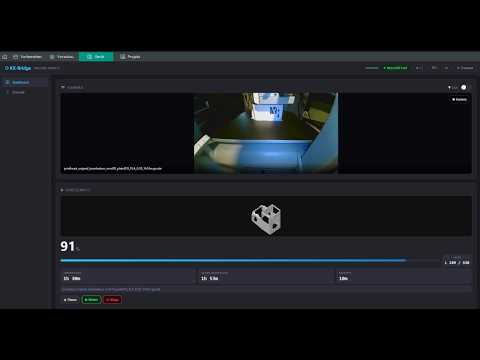](https://www.youtube.com/watch?v=1Ql4wfH27fM)
|
||||
|
||||
---
|
||||
|
||||
## ⚠️ Update von 0.9.1 oder älter
|
||||
|
||||
Ab **0.9.2** speichert KX-Bridge Einstellungen in `config/config.ini` statt in `.env`.
|
||||
|
||||
**Migration erfolgt automatisch** — keine manuelle Aktion nötig:
|
||||
- Beim ersten Start nach dem Update liest die Bridge die vorhandene `.env` und erstellt `config/config.ini` automatisch
|
||||
- Einstellungen bleiben ab sofort nach `docker-compose restart` und zukünftigen Updates erhalten
|
||||
- Die `.env`-Datei bleibt read-only gemountet als Migrationsquelle — kann liegen bleiben
|
||||
- Zum manuellen Anlegen einer `config.ini`: Vorlage unter `config/config.ini.example` kopieren
|
||||
|
||||
---
|
||||
|
||||
## Was wird unterstützt?
|
||||
|
||||
| Funktion | Details |
|
||||
|----------|---------|
|
||||
| Druckerstatus | Temperatur, Fortschritt, Zustand, Restzeit |
|
||||
| Drucksteuerung | Start, Pause, Fortsetzen, Abbrechen |
|
||||
| Temperaturregelung | Nozzle und Bett während des Drucks |
|
||||
| Druckgeschwindigkeit | Leise / Normal / Sport |
|
||||
| AMS-Farbwechsel | Filament einziehen / ausziehen |
|
||||
| Licht & Lüfter | Drucklicht und Lüfterdrehzahl |
|
||||
| Web-UI | Dashboard, Achsensteuerung, Kameraansicht |
|
||||
| Self-Update | Neue Versionen direkt im Browser installieren |
|
||||
| OrcaSlicer | Moonraker-Protokoll (HTTP + WebSocket) |
|
||||
|
||||
---
|
||||
|
||||
## Alternativen zu Docker
|
||||
|
||||
**Linux Binary** (kein Docker nötig):
|
||||
```bash
|
||||
chmod +x kx-bridge
|
||||
./kx-bridge
|
||||
```
|
||||
|
||||
**Python direkt:**
|
||||
```bash
|
||||
pip install aiohttp
|
||||
python bridge/kobrax_moonraker_bridge.py
|
||||
```
|
||||
|
||||
Web-UI jeweils unter `http://localhost:7125` — ⚙-Menü führt durch die Erstkonfiguration.
|
||||
|
||||
---
|
||||
|
||||
## Nützliche Befehle
|
||||
|
||||
```bash
|
||||
# Logs anzeigen
|
||||
docker-compose logs -f
|
||||
|
||||
# Bridge stoppen
|
||||
docker-compose down
|
||||
|
||||
# Bridge neu starten (nach Update)
|
||||
./start.sh
|
||||
```
|
||||
|
||||
---
|
||||
|
||||
## Fehlerbehebung
|
||||
|
||||
**„Falsche MQTT-Zugangsdaten"** beim Start:
|
||||
- AnycubicSlicerNext neu starten, Drucker verbinden, `extract_credentials` erneut ausführen
|
||||
- Nur die IP-Adresse ins Feld eintragen, keinen Port (✗ `192.168.1.102:9883` → ✓ `192.168.1.102`)
|
||||
|
||||
**Drucker nicht gefunden / kein LAN-Modus:**
|
||||
- Am Drucker-Display: Einstellungen → LAN-Modus einschalten
|
||||
- Drucker und Bridge müssen im selben Netzwerk sein
|
||||
|
||||
**Docker: Permission denied:**
|
||||
```bash
|
||||
sudo usermod -aG docker $USER # dann neu einloggen
|
||||
```
|
||||
|
||||
---
|
||||
|
||||
## Sicherheitshinweise
|
||||
|
||||
- Die Bridge ist im lokalen Netzwerk erreichbar unter `http://<Host-IP>:7125` — nicht ins Internet freigeben
|
||||
- `config/config.ini` enthält Drucker-Credentials — nicht öffentlich teilen
|
||||
- Credentials haben keinen Zugang zu Anycubic-Cloud-Diensten
|
||||
|
||||
---
|
||||
|
||||
## Lizenz & Rechtliches
|
||||
|
||||
Interoperabilitätsforschung gem. §69e UrhG — ausschließlich private, nicht-kommerzielle Nutzung.
|
||||
256
README.en.md
256
README.en.md
@@ -1,256 +0,0 @@
|
||||
# KX-Bridge – Anycubic Kobra X Moonraker Bridge
|
||||
|
||||
**Version:** 0.9.1-beta10
|
||||
**Status:** Public Beta – suitable for home users, feedback welcome
|
||||
|
||||
KX-Bridge is a Moonraker-compatible HTTP/WebSocket bridge for the **Anycubic Kobra X** 3D printer. It allows you to control the printer through OrcaSlicer and other Moonraker-compatible software — no Klipper, no Raspberry Pi required.
|
||||
|
||||
---
|
||||
|
||||
## What's supported?
|
||||
|
||||
- Printer status (temperature, progress, state)
|
||||
- File transfer and print start
|
||||
- Print control: pause, resume, cancel
|
||||
- Temperature control during an active print
|
||||
- Print speed (Silent / Normal / Sport)
|
||||
- AMS filament change (load / unload)
|
||||
- Light and fan control
|
||||
- Web UI with dashboard, temperature cards, axis control, and camera view
|
||||
- Settings and self-update directly in the browser (⚙ menu)
|
||||
- OrcaSlicer connection (Moonraker protocol)
|
||||
|
||||
---
|
||||
|
||||
## Requirements
|
||||
|
||||
- Anycubic Kobra X on your local network, with **LAN mode enabled** (printer menu → enable LAN mode)
|
||||
- Printer MQTT credentials (→ see [Extracting credentials](#extracting-credentials))
|
||||
- Docker **or** Python 3.9+ **or** the pre-built Linux binary
|
||||
|
||||
---
|
||||
|
||||
## Quick start – Docker (recommended)
|
||||
|
||||
```bash
|
||||
# 1. Start the bridge
|
||||
./start.sh
|
||||
```
|
||||
|
||||
`start.sh` builds the Docker image automatically on first run and starts the bridge.
|
||||
|
||||
```
|
||||
# 2. Open the web UI: http://BRIDGE-IP:7125
|
||||
# → Settings (⚙) open automatically on first start
|
||||
# → Enter your credentials (→ see Extracting credentials)
|
||||
|
||||
# 3. In OrcaSlicer: add printer → "Moonraker" → http://BRIDGE-IP:7125
|
||||
```
|
||||
|
||||
Check logs:
|
||||
```bash
|
||||
docker-compose logs -f
|
||||
```
|
||||
|
||||
Stop:
|
||||
```bash
|
||||
docker-compose down
|
||||
```
|
||||
|
||||
---
|
||||
|
||||
## Quick start – Binary (Linux)
|
||||
|
||||
```bash
|
||||
chmod +x kx-bridge
|
||||
./kx-bridge
|
||||
```
|
||||
|
||||
Open the web UI: `http://localhost:7125`
|
||||
→ Settings (⚙) open automatically and guide you through the initial setup.
|
||||
|
||||
---
|
||||
|
||||
## Quick start – Python directly
|
||||
|
||||
```bash
|
||||
pip install aiohttp
|
||||
python kobrax_moonraker_bridge.py
|
||||
```
|
||||
|
||||
Open the web UI: `http://localhost:7125`
|
||||
→ Settings (⚙) open automatically on first start.
|
||||
|
||||
---
|
||||
|
||||
## Extracting credentials
|
||||
|
||||
The MQTT credentials are printer-specific and are generated on first connection with AnycubicSlicerNext. The `extract_credentials` tool reads them from the memory of the running slicer.
|
||||
|
||||
**Requirement:** AnycubicSlicerNext must be running and connected to the printer (printer status is shown).
|
||||
|
||||
### Windows
|
||||
|
||||
```
|
||||
extract_credentials.exe
|
||||
```
|
||||
|
||||
### Linux
|
||||
|
||||
```bash
|
||||
chmod +x extract_credentials
|
||||
./extract_credentials
|
||||
```
|
||||
|
||||
### Output
|
||||
|
||||
```
|
||||
[*] Process found: AnycubicSlicerNext.exe (PID 1234)
|
||||
[*] 1986 memory segments read (738.8 MB)
|
||||
[*] Analyzing ... 100% (739 MB)
|
||||
|
||||
=======================================================
|
||||
RESULTS
|
||||
=======================================================
|
||||
Username userXXXXXXXXXX (hits: 47)
|
||||
Password *************** (hits: 1046)
|
||||
Device-ID xxxxxxxxxxxxxxxxxxxxxxxxxxxxxxxx (hits: 3504)
|
||||
Printer IP 192.168.x.x (hits: 3036)
|
||||
=======================================================
|
||||
```
|
||||
|
||||
Enter the displayed values in the bridge settings:
|
||||
Open web UI → **⚙ Settings** → fill in the fields → **Save & Restart**
|
||||
|
||||
> If the result looks uncertain: `--verbose` shows all found candidates.
|
||||
|
||||
All credentials are **processed locally only** — nothing is sent to external servers.
|
||||
|
||||
---
|
||||
|
||||
## Configuration (.env)
|
||||
|
||||
```env
|
||||
PRINTER_IP=192.168.x.x # Printer IP address
|
||||
MQTT_PORT=9883 # Default, do not change
|
||||
MQTT_USERNAME=userXXXXXXXX # Starts with "user"
|
||||
MQTT_PASSWORD=XXXXXXXXXXXXXX # ~15 characters, mixed case
|
||||
DEVICE_ID=xxxxxxxx... # 32-character hex string
|
||||
MODE_ID=20030 # Kobra X default
|
||||
```
|
||||
|
||||
---
|
||||
|
||||
## OrcaSlicer setup
|
||||
|
||||
1. Add printer → **Anycubic Kobra X** (or generic Klipper printer)
|
||||
2. Connection type: **Moonraker**
|
||||
3. Host: `http://BRIDGE-HOST:7125`
|
||||
4. Test connection → should show "Online"
|
||||
|
||||
---
|
||||
|
||||
## Web UI
|
||||
|
||||
The bridge serves a web interface at `http://BRIDGE-HOST:7125`:
|
||||
|
||||
| Section | Function |
|
||||
|---------|----------|
|
||||
| Dashboard | Printer status, progress, temperature overview |
|
||||
| Temperatures | Set nozzle and bed temperature directly |
|
||||
| Motion | X/Y/Z movement, motor release |
|
||||
| Print Speed | Silent / Normal / Sport |
|
||||
| Fan / Light | Fan speed and work light |
|
||||
| AMS | Load / unload filament |
|
||||
| Camera | Live preview (if supported by printer) |
|
||||
| ⚙ Settings | MQTT credentials, poll interval, self-update |
|
||||
|
||||
### Self-update
|
||||
|
||||
The ⚙ menu in the web UI lets you check for new versions and update the bridge in place — no reinstallation needed. After the download the bridge restarts automatically with the new version.
|
||||
|
||||
---
|
||||
|
||||
## bridge.sh (Linux service manager)
|
||||
|
||||
```bash
|
||||
./bridge.sh start # Start bridge in background
|
||||
./bridge.sh stop # Stop bridge
|
||||
./bridge.sh restart # Restart
|
||||
./bridge.sh status # Check status and port
|
||||
./bridge.sh log 50 # Show last 50 log lines
|
||||
```
|
||||
|
||||
---
|
||||
|
||||
## Printer states
|
||||
|
||||
The bridge translates internal Kobra states into Moonraker-compatible states:
|
||||
|
||||
| Kobra state | Meaning |
|
||||
|-------------|---------|
|
||||
| free | Ready |
|
||||
| printing / busy | Printing |
|
||||
| pausing / paused | Paused |
|
||||
| resuming / resumed | Resuming |
|
||||
| stopping / stoped | Stopping |
|
||||
| finished | Complete |
|
||||
| canceled | Cancelled |
|
||||
| failed | Error |
|
||||
|
||||
---
|
||||
|
||||
## Troubleshooting
|
||||
|
||||
**Port 7125 already in use:**
|
||||
```bash
|
||||
./bridge.sh stop # or: fuser -k 7125/tcp
|
||||
./bridge.sh start
|
||||
```
|
||||
|
||||
**Invalid credentials / connection refused:**
|
||||
- Start AnycubicSlicerNext, connect to the printer, then run `extract_credentials` again
|
||||
- If the result looks uncertain: `extract_credentials --verbose` shows all candidates
|
||||
- Manually enter the correct candidate in `.env` and restart the bridge
|
||||
|
||||
**Temperature changes are ignored:**
|
||||
- During an active print, temperature changes are sent via a separate channel — this is normal and the bridge handles it automatically.
|
||||
|
||||
**Docker: Permission denied:**
|
||||
```bash
|
||||
sudo usermod -aG docker $USER
|
||||
# Log out and back in
|
||||
```
|
||||
|
||||
**Docker: .env not found:**
|
||||
```bash
|
||||
# .env must be in the same directory as docker-compose.yml
|
||||
cp .env.example .env && nano .env
|
||||
```
|
||||
|
||||
---
|
||||
|
||||
## Logs
|
||||
|
||||
```bash
|
||||
# Docker
|
||||
docker compose logs -f kx-bridge
|
||||
|
||||
# Binary / Python
|
||||
tail -f /tmp/bridge.log # when using bridge.sh
|
||||
```
|
||||
|
||||
---
|
||||
|
||||
## Security notes
|
||||
|
||||
- The bridge binds to `0.0.0.0:7125` by default — use on your local network only
|
||||
- `.env` contains printer credentials — do not share publicly
|
||||
- The credentials are printer-specific and have no access to Anycubic cloud services
|
||||
|
||||
---
|
||||
|
||||
## License & legal
|
||||
|
||||
This project was created through interoperability research under §69e UrhG (German copyright law).
|
||||
For private, non-commercial use only.
|
||||
285
README.md
285
README.md
@@ -1,256 +1,143 @@
|
||||
# KX-Bridge – Anycubic Kobra X Moonraker Bridge
|
||||
<p align="center"><img src="knlogo.png" alt="KX-Bridge Logo" width="180"/></p>
|
||||
|
||||
**Version:** 0.9.1-beta10
|
||||
**Status:** Public Beta – für Heimanwender geeignet, Feedback willkommen
|
||||
# KX-Bridge – Anycubic Kobra X
|
||||
|
||||
KX-Bridge ist eine Moonraker-kompatible HTTP/WebSocket-Bridge für den **Anycubic Kobra X** 3D-Drucker. Sie ermöglicht die Steuerung des Druckers über OrcaSlicer und andere Moonraker-kompatible Software, ohne dass Klipper oder ein Raspberry Pi benötigt wird.
|
||||
**Version:** 0.9.6.1
|
||||
|
||||
Control your **Anycubic Kobra X** with OrcaSlicer — no Klipper, no Raspberry Pi.
|
||||
KX-Bridge is a Moonraker-compatible bridge that communicates directly with the printer.
|
||||
|
||||
---
|
||||
|
||||
## Was wird unterstützt?
|
||||
## Quick Start in 3 Steps
|
||||
|
||||
- Druckerstatus (Temperatur, Fortschritt, Zustand)
|
||||
- Dateiübertragung und Druckstart
|
||||
- Drucksteuerung: Pause, Fortsetzen, Abbrechen
|
||||
- Temperaturregelung während des laufenden Drucks
|
||||
- Druckgeschwindigkeit (Leise / Normal / Sport)
|
||||
- AMS-Farbwechsel (Einziehen / Ausziehen)
|
||||
- Licht- und Lüftersteuerung
|
||||
- Web-UI mit Dashboard, Temperaturkarten, Achsensteuerung und Kameraansicht
|
||||
- Einstellungen und Self-Update direkt im Browser (⚙-Menü)
|
||||
- OrcaSlicer-Verbindung (Moonraker-Protokoll)
|
||||
### Step 1 – Prepare the printer
|
||||
|
||||
---
|
||||
Enable LAN mode on the Kobra X:
|
||||
**Printer display → Settings → Enable LAN mode**
|
||||
|
||||
## Voraussetzungen
|
||||
### Step 2 – Get credentials
|
||||
|
||||
- Anycubic Kobra X im lokalen Netzwerk, mit aktiviertem **LAN-Modus** (Drucker-Menü → LAN-Modus einschalten)
|
||||
- MQTT-Credentials des Druckers (→ siehe [Credentials extrahieren](#credentials-extrahieren))
|
||||
- Docker **oder** Python 3.9+ **oder** direkt die Linux-Binary
|
||||
The MQTT credentials are printer-specific. Here's how to get them:
|
||||
|
||||
---
|
||||
1. Open **AnycubicSlicerNext** and connect the printer (wait until status is shown)
|
||||
2. Run **`extract_credentials.exe`** (Windows) or **`extract_credentials`** (Linux) — outputs Username, Password, Device ID and printer IP
|
||||
3. Note / copy the values
|
||||
|
||||
## Schnellstart – Docker (empfohlen)
|
||||
> **Download:** [gitea.it-drui.de/viewit/KX-Bridge-Release/releases](https://gitea.it-drui.de/viewit/KX-Bridge-Release/releases) → `extract_credentials.exe` (Windows) / `extract_credentials` (Linux) in the release assets
|
||||
|
||||
### Step 3 – Start the bridge
|
||||
|
||||
```bash
|
||||
# 1. Bridge starten
|
||||
./start.sh
|
||||
```
|
||||
|
||||
`start.sh` baut das Docker-Image automatisch beim ersten Aufruf und startet die Bridge.
|
||||
The script builds the Docker image automatically on first run.
|
||||
|
||||
```
|
||||
# 2. Web-UI öffnen: http://BRIDGE-IP:7125
|
||||
# → Einstellungen (⚙) öffnen sich automatisch beim ersten Start
|
||||
# → Zugangsdaten eintragen (→ siehe Credentials extrahieren)
|
||||
**Open Web-UI:** `http://BRIDGE-IP:7125`
|
||||
→ The ⚙ menu opens automatically on first start
|
||||
→ Enter credentials from Step 2 → **Save & Restart**
|
||||
|
||||
# 3. In OrcaSlicer: Drucker → "Moonraker" → http://BRIDGE-IP:7125
|
||||
```
|
||||
**Connect OrcaSlicer:**
|
||||
Printer → Connection type **Moonraker** → Host: `http://BRIDGE-IP:7125`
|
||||
|
||||
Logs prüfen:
|
||||
```bash
|
||||
docker-compose logs -f
|
||||
```
|
||||
|
||||
Stoppen:
|
||||
```bash
|
||||
docker-compose down
|
||||
```
|
||||
> **Important:** Connection type must be **Moonraker** (not "Bambu" or "Klipper").
|
||||
> Enter the full URL including `http://` and port `:7125` in the host field.
|
||||
|
||||
---
|
||||
|
||||
## Schnellstart – Binary (Linux)
|
||||
## 📺 Video Tutorial
|
||||
|
||||
[](https://www.youtube.com/watch?v=1Ql4wfH27fM)
|
||||
|
||||
---
|
||||
|
||||
## ⚠️ Upgrading from 0.9.1 or earlier
|
||||
|
||||
Starting with **0.9.2**, KX-Bridge stores settings in `config/config.ini` instead of `.env`.
|
||||
|
||||
**Migration is automatic** — no manual action required:
|
||||
- On first start after upgrade, the bridge reads your existing `.env` and creates `config/config.ini` automatically
|
||||
- Settings now survive `docker-compose restart` and future updates
|
||||
- The `.env` file stays mounted read-only as a migration source — you can keep it in place
|
||||
- If you want to create a `config.ini` manually: copy `config/config.ini.example`
|
||||
|
||||
---
|
||||
|
||||
## What's supported?
|
||||
|
||||
| Feature | Details |
|
||||
|---------|---------|
|
||||
| Printer status | Temperature, progress, state, remaining time |
|
||||
| Print control | Start, pause, resume, cancel |
|
||||
| Temperature control | Nozzle and bed during print |
|
||||
| Print speed | Silent / Normal / Sport |
|
||||
| AMS filament change | Load / unload filament |
|
||||
| Light & fan | Print light and fan speed |
|
||||
| Web-UI | Dashboard, motion control, camera view |
|
||||
| Self-update | Install new versions directly in the browser |
|
||||
| OrcaSlicer | Moonraker protocol (HTTP + WebSocket) |
|
||||
|
||||
---
|
||||
|
||||
## Alternatives to Docker
|
||||
|
||||
**Linux binary** (no Docker needed):
|
||||
```bash
|
||||
chmod +x kx-bridge
|
||||
./kx-bridge
|
||||
```
|
||||
|
||||
Web-UI öffnen: `http://localhost:7125`
|
||||
→ Einstellungen (⚙) öffnen sich automatisch und führen durch die Erstkonfiguration.
|
||||
|
||||
---
|
||||
|
||||
## Schnellstart – Python direkt
|
||||
|
||||
**Python directly:**
|
||||
```bash
|
||||
pip install aiohttp
|
||||
python kobrax_moonraker_bridge.py
|
||||
python bridge/kobrax_moonraker_bridge.py
|
||||
```
|
||||
|
||||
Web-UI öffnen: `http://localhost:7125`
|
||||
→ Einstellungen (⚙) öffnen sich automatisch beim ersten Start.
|
||||
Web-UI available at `http://localhost:7125` — the ⚙ menu guides through initial setup.
|
||||
|
||||
---
|
||||
|
||||
## Credentials extrahieren
|
||||
|
||||
Die MQTT-Zugangsdaten sind druckerspezifisch und werden beim ersten Verbindungsaufbau mit dem AnycubicSlicerNext generiert. Das Tool `extract_credentials` liest sie aus dem RAM des laufenden Slicers aus.
|
||||
|
||||
**Voraussetzung:** AnycubicSlicerNext muss gestartet und mit dem Drucker verbunden sein (Drucker-Status wird angezeigt).
|
||||
|
||||
### Windows
|
||||
|
||||
```
|
||||
extract_credentials.exe
|
||||
```
|
||||
|
||||
### Linux
|
||||
## Useful commands
|
||||
|
||||
```bash
|
||||
chmod +x extract_credentials
|
||||
./extract_credentials
|
||||
```
|
||||
# Show logs
|
||||
docker-compose logs -f
|
||||
|
||||
### Ausgabe
|
||||
# Stop bridge
|
||||
docker-compose down
|
||||
|
||||
```
|
||||
[*] Prozess gefunden: AnycubicSlicerNext.exe (PID 1234)
|
||||
[*] 1986 Speichersegmente gelesen (738.8 MB)
|
||||
[*] Analysiere ... 100% (739 MB)
|
||||
|
||||
=======================================================
|
||||
ERGEBNISSE
|
||||
=======================================================
|
||||
Username userXXXXXXXXXX (Treffer: 47)
|
||||
Password *************** (Treffer: 1046)
|
||||
Device-ID xxxxxxxxxxxxxxxxxxxxxxxxxxxxxxxx (Treffer: 3504)
|
||||
Drucker-IP 192.168.x.x (Treffer: 3036)
|
||||
=======================================================
|
||||
```
|
||||
|
||||
Die angezeigten Werte in die Bridge-Einstellungen übertragen:
|
||||
Web-UI öffnen → **⚙ Einstellungen** → Felder ausfüllen → **Speichern & Neustart**
|
||||
|
||||
> Falls das Ergebnis unsicher wirkt: `--verbose` zeigt alle gefundenen Kandidaten.
|
||||
|
||||
Alle Credentials werden **ausschließlich lokal verarbeitet** — keine Übertragung an externe Server.
|
||||
|
||||
---
|
||||
|
||||
## Konfiguration (.env)
|
||||
|
||||
```env
|
||||
PRINTER_IP=192.168.x.x # IP des Druckers
|
||||
MQTT_PORT=9883 # Standard, nicht ändern
|
||||
MQTT_USERNAME=userXXXXXXXX # Beginnt mit "user"
|
||||
MQTT_PASSWORD=XXXXXXXXXXXXXX # ~15 Zeichen, gemischt
|
||||
DEVICE_ID=xxxxxxxx... # 32-stelliger Hex-String
|
||||
MODE_ID=20030 # Kobra X Standard
|
||||
# Restart bridge (after update)
|
||||
./start.sh
|
||||
```
|
||||
|
||||
---
|
||||
|
||||
## OrcaSlicer verbinden
|
||||
## Troubleshooting
|
||||
|
||||
1. Drucker hinzufügen → **Anycubic Kobra X** (oder generischer Klipper-Drucker)
|
||||
2. Verbindungstyp: **Moonraker**
|
||||
3. IP: `http://BRIDGE-HOST:7125`
|
||||
4. Verbindung testen → sollte "Online" anzeigen
|
||||
**"Wrong MQTT credentials"** on start:
|
||||
- Restart AnycubicSlicerNext, reconnect the printer, run `extract_credentials` again
|
||||
- Enter only the IP address, no port (✗ `192.168.1.102:9883` → ✓ `192.168.1.102`)
|
||||
|
||||
---
|
||||
|
||||
## Web-UI
|
||||
|
||||
Die Bridge stellt unter `http://BRIDGE-HOST:7125` eine Web-Oberfläche bereit:
|
||||
|
||||
| Bereich | Funktion |
|
||||
|---------|----------|
|
||||
| Dashboard | Druckerstatus, Fortschritt, Temperaturübersicht |
|
||||
| Temperaturen | Nozzle und Bett direkt setzen |
|
||||
| Achsen | X/Y/Z-Bewegung, Motorfreigabe |
|
||||
| Druckgeschwindigkeit | Leise / Normal / Sport |
|
||||
| Lüfter / Licht | Lüfterdrehzahl und Drucklicht |
|
||||
| AMS | Filament einziehen / ausziehen |
|
||||
| Kamera | Live-Vorschau (falls Drucker unterstützt) |
|
||||
| ⚙ Einstellungen | MQTT-Zugangsdaten, Poll-Intervall, Self-Update |
|
||||
|
||||
### Self-Update
|
||||
|
||||
Über das ⚙-Menü in der Web-UI kann die Bridge auf neue Versionen prüfen und sich selbst aktualisieren — ohne Neuinstallation. Nach dem Download startet die Bridge automatisch mit der neuen Version neu.
|
||||
|
||||
---
|
||||
|
||||
## bridge.sh (Linux Service-Manager)
|
||||
|
||||
```bash
|
||||
./bridge.sh start # Bridge im Hintergrund starten
|
||||
./bridge.sh stop # Bridge beenden
|
||||
./bridge.sh restart # Neustarten
|
||||
./bridge.sh status # Status und Port prüfen
|
||||
./bridge.sh log 50 # Letzte 50 Log-Zeilen
|
||||
```
|
||||
|
||||
---
|
||||
|
||||
## Druckerzustände
|
||||
|
||||
Die Bridge übersetzt die internen Kobra-Zustände in Moonraker-kompatible Zustände:
|
||||
|
||||
| Kobra-Zustand | Bedeutung |
|
||||
|---------------|-----------|
|
||||
| free | Bereit |
|
||||
| printing / busy | Druckt |
|
||||
| pausing / paused | Pausiert |
|
||||
| resuming / resumed | Wird fortgesetzt |
|
||||
| stopping / stoped | Wird gestoppt |
|
||||
| finished | Abgeschlossen |
|
||||
| canceled | Abgebrochen |
|
||||
| failed | Fehler |
|
||||
|
||||
---
|
||||
|
||||
## Fehlerbehebung
|
||||
|
||||
**Port 7125 bereits belegt:**
|
||||
```bash
|
||||
./bridge.sh stop # oder: fuser -k 7125/tcp
|
||||
./bridge.sh start
|
||||
```
|
||||
|
||||
**Credentials ungültig / Verbindung abgelehnt:**
|
||||
- AnycubicSlicerNext starten, mit Drucker verbinden, `extract_credentials` erneut ausführen
|
||||
- Falls das Ergebnis unsicher wirkt: `extract_credentials --verbose` zeigt alle Kandidaten an
|
||||
- Den richtigen Kandidaten manuell in `.env` eintragen und Bridge neu starten
|
||||
|
||||
**Temperaturänderungen werden ignoriert:**
|
||||
- Während eines laufenden Drucks werden Temperaturänderungen über einen separaten Kanal gesendet — das ist normal und wird von der Bridge automatisch erkannt.
|
||||
**Printer not found / no LAN mode:**
|
||||
- On the printer display: Settings → Enable LAN mode
|
||||
- Printer and bridge must be on the same network
|
||||
|
||||
**Docker: Permission denied:**
|
||||
```bash
|
||||
sudo usermod -aG docker $USER
|
||||
# Neu einloggen
|
||||
```
|
||||
|
||||
**Docker: .env nicht gefunden:**
|
||||
```bash
|
||||
# .env muss im gleichen Verzeichnis wie docker-compose.yml liegen
|
||||
cp .env.example .env && nano .env
|
||||
sudo usermod -aG docker $USER # then log out and back in
|
||||
```
|
||||
|
||||
---
|
||||
|
||||
## Logs
|
||||
## Security
|
||||
|
||||
```bash
|
||||
# Docker
|
||||
docker compose logs -f kx-bridge
|
||||
|
||||
# Binary / Python
|
||||
tail -f /tmp/bridge.log # bei Nutzung von bridge.sh
|
||||
```
|
||||
- The bridge is accessible on the local network at `http://<host-IP>:7125` — do not expose to the internet
|
||||
- `config/config.ini` contains printer credentials — do not share publicly
|
||||
- Credentials do not grant access to Anycubic cloud services
|
||||
|
||||
---
|
||||
|
||||
## Sicherheitshinweise
|
||||
## License
|
||||
|
||||
- Die Bridge bindet standardmäßig auf `0.0.0.0:7125` — nur im lokalen Netzwerk nutzen
|
||||
- `.env` enthält Drucker-Credentials — nicht öffentlich teilen
|
||||
- Die Credentials sind druckerspezifisch und haben keinen Zugang zu Anycubic-Cloud-Diensten
|
||||
|
||||
---
|
||||
|
||||
## Lizenz & Rechtliches
|
||||
|
||||
Dieses Projekt entstand durch Interoperabilitätsforschung gem. §69e UrhG.
|
||||
Ausschließlich für private, nicht-kommerzielle Nutzung.
|
||||
Interoperability research under §69e UrhG — private, non-commercial use only.
|
||||
|
||||
34
config.ini.example
Normal file
34
config.ini.example
Normal file
@@ -0,0 +1,34 @@
|
||||
# KX-Bridge Konfigurationsdatei
|
||||
# Kopiere diese Datei nach config.ini und trage deine Werte ein:
|
||||
# cp config.ini.example config.ini
|
||||
#
|
||||
# Credentials mit extract_credentials.exe (Windows) oder
|
||||
# extract_credentials (Linux) aus dem laufenden AnycubicSlicerNext auslesen.
|
||||
|
||||
[connection]
|
||||
# IP-Adresse des Druckers im lokalen Netzwerk
|
||||
printer_ip = 192.168.x.x
|
||||
|
||||
# MQTT-Port (Anycubic Kobra X Standard: 9883)
|
||||
mqtt_port = 9883
|
||||
|
||||
# MQTT-Zugangsdaten (druckerspezifisch, beginnt mit "user")
|
||||
username = userXXXXXXXXXX
|
||||
password = XXXXXXXXXXXXXXX
|
||||
|
||||
# Geräte-ID (32-stelliger Hex-String, druckerspezifisch)
|
||||
device_id = xxxxxxxxxxxxxxxxxxxxxxxxxxxxxxxx
|
||||
|
||||
# Modell-ID (Kobra X Standard: 20030)
|
||||
mode_id = 20030
|
||||
|
||||
[print]
|
||||
# Standard-AMS-Slot für Einfarbdruck (auto = alle belegten Slots, 0-3 = fixer Slot)
|
||||
default_ams_slot = auto
|
||||
|
||||
# Auto-Leveling vor jedem Druck (1 = an, 0 = aus)
|
||||
auto_leveling = 1
|
||||
|
||||
[bridge]
|
||||
# Poll-Intervall in Sekunden
|
||||
poll_interval = 3
|
||||
143
config_loader.py
Normal file
143
config_loader.py
Normal file
@@ -0,0 +1,143 @@
|
||||
"""
|
||||
config_loader.py – lädt Verbindungsparameter aus config/config.ini (primär)
|
||||
oder .env (Fallback / Migration).
|
||||
Umgebungsvariablen haben immer Vorrang.
|
||||
"""
|
||||
import os
|
||||
import sys
|
||||
import pathlib
|
||||
import configparser
|
||||
|
||||
_BASE = pathlib.Path(sys.executable).parent if getattr(sys, "frozen", False) else pathlib.Path(__file__).parent
|
||||
|
||||
CONFIG_SECTION_CONNECTION = "connection"
|
||||
CONFIG_SECTION_PRINT = "print"
|
||||
CONFIG_SECTION_BRIDGE = "bridge"
|
||||
|
||||
|
||||
def _find_config_file() -> pathlib.Path | None:
|
||||
for base in (_BASE, _BASE.parent):
|
||||
p = base / "config" / "config.ini"
|
||||
if p.is_file():
|
||||
return p
|
||||
return None
|
||||
|
||||
|
||||
def _find_env_file() -> pathlib.Path | None:
|
||||
for base in (_BASE, _BASE.parent):
|
||||
p = base / ".env"
|
||||
if p.is_file():
|
||||
return p
|
||||
return None
|
||||
|
||||
|
||||
def _load_env_file(path: pathlib.Path):
|
||||
"""Lädt .env-Datei als Fallback – setzt nur Keys die noch nicht in os.environ sind."""
|
||||
with open(path, encoding="utf-8") as f:
|
||||
for line in f:
|
||||
line = line.strip()
|
||||
if not line or line.startswith("#") or "=" not in line:
|
||||
continue
|
||||
key, _, val = line.partition("=")
|
||||
key = key.strip()
|
||||
val = val.strip()
|
||||
if key and key not in os.environ:
|
||||
os.environ[key] = val
|
||||
|
||||
|
||||
def _load_config_file(path: pathlib.Path):
|
||||
"""Lädt config.ini und setzt Keys in os.environ (nur wenn nicht bereits gesetzt)."""
|
||||
cfg = configparser.ConfigParser()
|
||||
cfg.read(path, encoding="utf-8")
|
||||
|
||||
mapping = {
|
||||
"PRINTER_IP": (CONFIG_SECTION_CONNECTION, "printer_ip"),
|
||||
"MQTT_PORT": (CONFIG_SECTION_CONNECTION, "mqtt_port"),
|
||||
"MQTT_USERNAME": (CONFIG_SECTION_CONNECTION, "username"),
|
||||
"MQTT_PASSWORD": (CONFIG_SECTION_CONNECTION, "password"),
|
||||
"MODE_ID": (CONFIG_SECTION_CONNECTION, "mode_id"),
|
||||
"DEVICE_ID": (CONFIG_SECTION_CONNECTION, "device_id"),
|
||||
"DEFAULT_AMS_SLOT": (CONFIG_SECTION_PRINT, "default_ams_slot"),
|
||||
"AUTO_LEVELING": (CONFIG_SECTION_PRINT, "auto_leveling"),
|
||||
}
|
||||
for env_key, (section, option) in mapping.items():
|
||||
if env_key not in os.environ:
|
||||
try:
|
||||
val = cfg.get(section, option)
|
||||
if val:
|
||||
os.environ[env_key] = val
|
||||
except (configparser.NoSectionError, configparser.NoOptionError):
|
||||
pass
|
||||
|
||||
|
||||
def migrate_env_to_config(env_path: pathlib.Path, config_path: pathlib.Path):
|
||||
"""Einmalige Migration: .env → config.ini anlegen."""
|
||||
env_vals: dict[str, str] = {}
|
||||
with open(env_path, encoding="utf-8") as f:
|
||||
for line in f:
|
||||
line = line.strip()
|
||||
if not line or line.startswith("#") or "=" not in line:
|
||||
continue
|
||||
k, _, v = line.partition("=")
|
||||
env_vals[k.strip()] = v.strip()
|
||||
|
||||
config_path.parent.mkdir(parents=True, exist_ok=True)
|
||||
cfg = configparser.ConfigParser()
|
||||
cfg[CONFIG_SECTION_CONNECTION] = {
|
||||
"printer_ip": env_vals.get("PRINTER_IP", ""),
|
||||
"mqtt_port": env_vals.get("MQTT_PORT", "9883"),
|
||||
"username": env_vals.get("MQTT_USERNAME", ""),
|
||||
"password": env_vals.get("MQTT_PASSWORD", ""),
|
||||
"mode_id": env_vals.get("MODE_ID", ""),
|
||||
"device_id": env_vals.get("DEVICE_ID", ""),
|
||||
}
|
||||
cfg[CONFIG_SECTION_PRINT] = {
|
||||
"default_ams_slot": env_vals.get("DEFAULT_AMS_SLOT", "auto"),
|
||||
"auto_leveling": env_vals.get("AUTO_LEVELING", "1"),
|
||||
}
|
||||
cfg[CONFIG_SECTION_BRIDGE] = {
|
||||
"poll_interval": "3",
|
||||
}
|
||||
with open(config_path, "w", encoding="utf-8") as f:
|
||||
f.write("# KX-Bridge Konfigurationsdatei\n")
|
||||
f.write("# Automatisch migriert aus .env\n\n")
|
||||
cfg.write(f)
|
||||
|
||||
|
||||
def find_config_path() -> pathlib.Path:
|
||||
"""Gibt den Pfad zur config.ini zurück (auch wenn sie noch nicht existiert)."""
|
||||
for base in (_BASE, _BASE.parent):
|
||||
config_dir = base / "config"
|
||||
if config_dir.is_dir():
|
||||
return config_dir / "config.ini"
|
||||
return _BASE / "config" / "config.ini"
|
||||
|
||||
|
||||
# ─── Laden ───────────────────────────────────────────────────────────────────
|
||||
|
||||
_config_path = _find_config_file()
|
||||
_env_path = _find_env_file()
|
||||
|
||||
if _config_path:
|
||||
_load_config_file(_config_path)
|
||||
elif _env_path:
|
||||
# Kein config.ini vorhanden → aus .env migrieren
|
||||
_target = find_config_path()
|
||||
migrate_env_to_config(_env_path, _target)
|
||||
_load_config_file(_target)
|
||||
_config_path = _target
|
||||
|
||||
|
||||
def get(key: str, default: str = "") -> str:
|
||||
return os.environ.get(key, default)
|
||||
|
||||
|
||||
# Häufig verwendete Shortcuts
|
||||
PRINTER_IP = get("PRINTER_IP", "")
|
||||
MQTT_PORT = int(get("MQTT_PORT", "9883"))
|
||||
USERNAME = get("MQTT_USERNAME", "")
|
||||
PASSWORD = get("MQTT_PASSWORD", "")
|
||||
MODE_ID = get("MODE_ID", "")
|
||||
DEVICE_ID = get("DEVICE_ID", "")
|
||||
DEFAULT_AMS_SLOT = get("DEFAULT_AMS_SLOT", "auto")
|
||||
AUTO_LEVELING = int(get("AUTO_LEVELING","1"))
|
||||
@@ -2,9 +2,9 @@ services:
|
||||
kx-bridge:
|
||||
image: kx-bridge:latest
|
||||
build: .
|
||||
env_file: .env
|
||||
volumes:
|
||||
- ./.env:/app/.env
|
||||
- ./config:/app/config
|
||||
- ./.env:/app/.env:ro
|
||||
ports:
|
||||
- "7125:7125"
|
||||
restart: unless-stopped
|
||||
|
||||
@@ -46,3 +46,5 @@ USERNAME = get("MQTT_USERNAME", "")
|
||||
PASSWORD = get("MQTT_PASSWORD", "")
|
||||
MODE_ID = get("MODE_ID", "")
|
||||
DEVICE_ID = get("DEVICE_ID", "")
|
||||
DEFAULT_AMS_SLOT = get("DEFAULT_AMS_SLOT", "auto")
|
||||
AUTO_LEVELING = int(get("AUTO_LEVELING", "1"))
|
||||
|
||||
345
fetch_credentials.py
Normal file
345
fetch_credentials.py
Normal file
@@ -0,0 +1,345 @@
|
||||
#!/usr/bin/env python3
|
||||
"""
|
||||
Decrypt printer configuration data using AES-256-CBC
|
||||
|
||||
This script decrypts encrypted printer configuration data from a 3D printer using AES-256-CBC.
|
||||
The method was reverse engineered from the vue project embedded in libWorkbench.so,
|
||||
which is part of Anycubic Slicer Next.
|
||||
The decryption key is derived from the device token,
|
||||
and the IV is obtained from the response token in the encrypted data.
|
||||
|
||||
- Algorithm: AES-256-CBC
|
||||
- Key: Characters 16-32 of the token from info.json
|
||||
- IV: The response token from ctrl.json
|
||||
- Mode: CBC with PKCS7 padding
|
||||
|
||||
Usage:
|
||||
python3 fetch_credentials.py --ip 192.168.2.32
|
||||
python3 fetch_credentials.py --ip 192.168.2.32 --port 18910
|
||||
python3 fetch_credentials.py --ctrl ctrl.json --info info.json --output config.json
|
||||
"""
|
||||
|
||||
import json
|
||||
import sys
|
||||
import base64
|
||||
import hashlib
|
||||
import argparse
|
||||
import time
|
||||
import random
|
||||
import string
|
||||
import requests
|
||||
from pathlib import Path
|
||||
from Crypto.Cipher import AES
|
||||
from Crypto.Util.Padding import unpad
|
||||
|
||||
|
||||
def evp_bytes_to_key(password, salt, key_len, iv_len):
|
||||
"""
|
||||
Derive key and IV from password and salt using OpenSSL EVP_BytesToKey
|
||||
This mimics the CryptoJS default key derivation
|
||||
"""
|
||||
m = []
|
||||
i = 0
|
||||
while len(b''.join(m)) < (key_len + iv_len):
|
||||
md5 = hashlib.md5()
|
||||
data = password + salt
|
||||
if i > 0:
|
||||
data = m[i - 1] + password + salt
|
||||
md5.update(data)
|
||||
m.append(md5.digest())
|
||||
i += 1
|
||||
ms = b''.join(m)
|
||||
return ms[:key_len], ms[key_len:key_len + iv_len]
|
||||
|
||||
|
||||
def generate_signature(token, ts, nonce):
|
||||
"""
|
||||
Generate MD5 signature for /ctrl endpoint
|
||||
Signature = md5(md5(token[0:16]) + ts + nonce)
|
||||
"""
|
||||
# First MD5: token.slice(0, 16)
|
||||
first_md5 = hashlib.md5(token[:16].encode('utf-8')).hexdigest()
|
||||
# Second MD5: first_md5 + ts + nonce
|
||||
signature_data = first_md5 + str(ts) + nonce
|
||||
signature = hashlib.md5(signature_data.encode('utf-8')).hexdigest()
|
||||
return signature
|
||||
|
||||
|
||||
def generate_nonce(length=6):
|
||||
"""Generate a random alphanumeric nonce"""
|
||||
chars = string.ascii_letters + string.digits
|
||||
return ''.join(random.choice(chars) for _ in range(length))
|
||||
|
||||
|
||||
def fetch_from_http(ip, port, endpoint, token=None, did="random", verbose=False):
|
||||
"""
|
||||
Fetch data from HTTP endpoint on the printer
|
||||
|
||||
Args:
|
||||
ip (str): IP address of the printer
|
||||
port (int): Port number (default 18910)
|
||||
endpoint (str): Either 'info' or 'ctrl'
|
||||
token (str): Device token (required for /ctrl endpoint)
|
||||
did (str): Device ID (required for /ctrl endpoint)
|
||||
verbose (bool): Print debug information
|
||||
|
||||
Returns:
|
||||
dict: JSON response data
|
||||
"""
|
||||
try:
|
||||
if endpoint == 'info':
|
||||
url = f"http://{ip}:{port}/info"
|
||||
if verbose:
|
||||
print(f"Fetching: {url}")
|
||||
response = requests.get(url, timeout=10)
|
||||
response.raise_for_status()
|
||||
return response.json()
|
||||
|
||||
elif endpoint == 'ctrl':
|
||||
if not token:
|
||||
raise ValueError("Token is required for /ctrl endpoint")
|
||||
|
||||
# Generate signature parameters
|
||||
ts = int(time.time() * 1000) # Current timestamp in ms
|
||||
nonce = generate_nonce(6)
|
||||
signature = generate_signature(token, ts, nonce)
|
||||
|
||||
url = f"http://{ip}:{port}/ctrl"
|
||||
params = {
|
||||
'ts': ts,
|
||||
'nonce': nonce,
|
||||
'sign': signature,
|
||||
'did': did
|
||||
}
|
||||
|
||||
if verbose:
|
||||
print(f"Fetching: {url}")
|
||||
print(f" Parameters:")
|
||||
print(f" ts: {ts}")
|
||||
print(f" nonce: {nonce}")
|
||||
print(f" sign: {signature}")
|
||||
print(f" did: {did}")
|
||||
|
||||
response = requests.post(url, params=params, timeout=10)
|
||||
response.raise_for_status()
|
||||
return response.json()
|
||||
|
||||
else:
|
||||
raise ValueError(f"Unknown endpoint: {endpoint}")
|
||||
|
||||
except requests.exceptions.RequestException as e:
|
||||
raise Exception(f"HTTP request failed for {endpoint}: {e}")
|
||||
except json.JSONDecodeError as e:
|
||||
raise Exception(f"Invalid JSON response from {endpoint}: {e}")
|
||||
|
||||
|
||||
def decrypt_text(encrypted_data, key, iv):
|
||||
"""
|
||||
Decrypt data using AES-256-CBC
|
||||
Handles CryptoJS-style encrypted data (OpenSSL format with salt)
|
||||
|
||||
Args:
|
||||
encrypted_data (str): Encrypted data string (CryptoJS format)
|
||||
key (str): Decryption key string
|
||||
iv (str): Initialization vector string
|
||||
|
||||
Returns:
|
||||
dict: Decrypted JSON data
|
||||
"""
|
||||
try:
|
||||
# Convert key and IV to bytes
|
||||
key_bytes = key.encode('utf-8')
|
||||
iv_bytes = iv.encode('utf-8')
|
||||
|
||||
# Decrypt using direct key and IV (as per the original code)
|
||||
cipher = AES.new(key_bytes, AES.MODE_CBC, iv_bytes)
|
||||
|
||||
# The encrypted_data might be base64 or hex encoded
|
||||
# Try base64 first
|
||||
try:
|
||||
encrypted_bytes = base64.b64decode(encrypted_data)
|
||||
except:
|
||||
try:
|
||||
# Try as hex
|
||||
encrypted_bytes = bytes.fromhex(encrypted_data)
|
||||
except:
|
||||
# If all else fails, encode as UTF-8
|
||||
encrypted_bytes = encrypted_data.encode('utf-8')
|
||||
|
||||
# Decrypt
|
||||
decrypted = cipher.decrypt(encrypted_bytes)
|
||||
|
||||
# Try to unpad
|
||||
try:
|
||||
unpadded = unpad(decrypted, AES.block_size)
|
||||
except ValueError:
|
||||
# If unpadding fails, use as-is
|
||||
unpadded = decrypted
|
||||
|
||||
plaintext = unpadded.decode('utf-8')
|
||||
|
||||
# Parse JSON
|
||||
return json.loads(plaintext)
|
||||
|
||||
except Exception as e:
|
||||
return {"error": str(e), "error_type": type(e).__name__}
|
||||
|
||||
|
||||
def main():
|
||||
"""Main function to decrypt printer data"""
|
||||
|
||||
# Parse command-line arguments
|
||||
parser = argparse.ArgumentParser(
|
||||
description='Decrypt Anycubic printer configuration data',
|
||||
)
|
||||
# HTTP mode
|
||||
parser.add_argument('--ip', help='IP address of the printer (fetch via HTTP)')
|
||||
parser.add_argument('--port', type=int, default=18910, help='Printer port (default: 18910)')
|
||||
|
||||
# File mode
|
||||
parser.add_argument('--ctrl', default='ctrl.json', help='Path to ctrl.json (default: ctrl.json)')
|
||||
parser.add_argument('--info', default='info.json', help='Path to info.json (default: info.json)')
|
||||
parser.add_argument('--output', default='decrypted_printer_config.json', help='Output file (default: decrypted_printer_config.json)')
|
||||
parser.add_argument('--verbose', '-v', action='store_true', help='Verbose output')
|
||||
|
||||
args = parser.parse_args()
|
||||
|
||||
# Determine mode: HTTP or file
|
||||
if args.ip:
|
||||
# HTTP mode: fetch from printer
|
||||
if args.verbose:
|
||||
print("=" * 70)
|
||||
print("Fetching configuration from printer via HTTP")
|
||||
print("=" * 70)
|
||||
print(f"Printer IP: {args.ip}:{args.port}")
|
||||
print()
|
||||
|
||||
try:
|
||||
# Fetch info.json
|
||||
if args.verbose:
|
||||
print("Step 1: Fetching device info...")
|
||||
info = fetch_from_http(args.ip, args.port, 'info', verbose=args.verbose)
|
||||
|
||||
# Get token from info
|
||||
token = info.get('token')
|
||||
if not token:
|
||||
print("Error: No token found in /info response", file=sys.stderr)
|
||||
return 1
|
||||
|
||||
# Fetch data.json (encrypted config) from /ctrl endpoint
|
||||
if args.verbose:
|
||||
print("\nStep 2: Fetching encrypted configuration from /ctrl...")
|
||||
data = fetch_from_http(args.ip, args.port, 'ctrl', token=token, verbose=args.verbose)
|
||||
|
||||
if args.verbose:
|
||||
print("\nData fetched successfully!")
|
||||
|
||||
except Exception as e:
|
||||
print(f"Error: {e}", file=sys.stderr)
|
||||
return 1
|
||||
|
||||
else:
|
||||
# File mode: load from disk
|
||||
if args.verbose:
|
||||
print("=" * 70)
|
||||
print("Loading configuration from files")
|
||||
print("=" * 70)
|
||||
|
||||
# Check if input files exist
|
||||
if not Path(args.ctrl).exists():
|
||||
print(f"Error: {args.ctrl} not found", file=sys.stderr)
|
||||
return 1
|
||||
if not Path(args.info).exists():
|
||||
print(f"Error: {args.info} not found", file=sys.stderr)
|
||||
return 1
|
||||
|
||||
# Read data.json
|
||||
try:
|
||||
with open(args.data, 'r') as f:
|
||||
data = json.load(f)
|
||||
except json.JSONDecodeError as e:
|
||||
print(f"Error reading {args.data}: {e}", file=sys.stderr)
|
||||
return 1
|
||||
except Exception as e:
|
||||
print(f"Error reading {args.data}: {e}", file=sys.stderr)
|
||||
return 1
|
||||
|
||||
# Read info.json
|
||||
try:
|
||||
with open(args.info, 'r') as f:
|
||||
info = json.load(f)
|
||||
except json.JSONDecodeError as e:
|
||||
print(f"Error reading {args.info}: {e}", file=sys.stderr)
|
||||
return 1
|
||||
except Exception as e:
|
||||
print(f"Error reading {args.info}: {e}", file=sys.stderr)
|
||||
return 1
|
||||
|
||||
# Extract values
|
||||
try:
|
||||
encrypted_info = data['data']['info']
|
||||
response_token = data['data']['token']
|
||||
full_token = info['token']
|
||||
except KeyError as e:
|
||||
print(f"Error: Missing required key {e}", file=sys.stderr)
|
||||
return 1
|
||||
|
||||
# Generate decryption key and IV
|
||||
key_part = full_token[16:32]
|
||||
|
||||
if args.verbose:
|
||||
print("=" * 70)
|
||||
print("Printer Configuration Decryption")
|
||||
print("=" * 70)
|
||||
print(f"Input data file: {args.ctrl}")
|
||||
print(f"Input info file: {args.info}")
|
||||
print(f"Output file: {args.output}")
|
||||
print()
|
||||
print("Decryption Parameters:")
|
||||
print(f" Encrypted data length: {len(encrypted_info)} bytes")
|
||||
print(f" Full token: {full_token}")
|
||||
print(f" Full token length: {len(full_token)} characters")
|
||||
print(f" Response token (IV): {response_token}")
|
||||
print(f" Decryption key: {key_part}")
|
||||
print(f" Key length: {len(key_part)} characters")
|
||||
print(f" IV length: {len(response_token)} characters")
|
||||
print()
|
||||
|
||||
# Decrypt
|
||||
if args.verbose:
|
||||
print("Decrypting...")
|
||||
|
||||
result = decrypt_text(encrypted_info, key_part, response_token)
|
||||
|
||||
if 'error' in result:
|
||||
print(f"Error during decryption: {result.get('error')}", file=sys.stderr)
|
||||
return 1
|
||||
|
||||
# Pretty print result
|
||||
if args.verbose:
|
||||
print("=" * 70)
|
||||
print("Decrypted Configuration:")
|
||||
print("=" * 70)
|
||||
print(json.dumps(result, indent=2))
|
||||
print()
|
||||
|
||||
# Save to file
|
||||
try:
|
||||
with open(args.output, 'w') as f:
|
||||
json.dump(result, f, indent=2)
|
||||
|
||||
if args.verbose:
|
||||
print("=" * 70)
|
||||
print(f"Successfully saved decrypted config to: {args.output}")
|
||||
print("=" * 70)
|
||||
else:
|
||||
print(f"Decrypted config saved to: {args.output}")
|
||||
except Exception as e:
|
||||
print(f"Error writing to {args.output}: {e}", file=sys.stderr)
|
||||
return 1
|
||||
|
||||
return 0
|
||||
|
||||
|
||||
if __name__ == '__main__':
|
||||
sys.exit(main())
|
||||
BIN
knlogo.png
Normal file
BIN
knlogo.png
Normal file

Binary file not shown.
|
After Width: | Height: | Size: 1.7 MiB |
@@ -16,7 +16,9 @@ Verwendung:
|
||||
client.disconnect()
|
||||
"""
|
||||
|
||||
import hashlib
|
||||
import json
|
||||
import logging
|
||||
import os
|
||||
import socket
|
||||
import ssl
|
||||
@@ -28,6 +30,8 @@ from datetime import datetime
|
||||
|
||||
import env_loader
|
||||
|
||||
log = logging.getLogger("kobrax.mqtt")
|
||||
|
||||
_SCRIPT_DIR = os.path.dirname(sys.executable) if getattr(sys, "frozen", False) else os.path.dirname(os.path.abspath(__file__))
|
||||
CERT_FILE = os.path.join(_SCRIPT_DIR, "anycubic_slicer.crt")
|
||||
KEY_FILE = os.path.join(_SCRIPT_DIR, "anycubic_slicer.key")
|
||||
@@ -119,6 +123,13 @@ class KobraXClient:
|
||||
# Optional callbacks: topic_suffix → callable(payload_dict)
|
||||
self.callbacks: dict[str, callable] = {}
|
||||
|
||||
# Dedup: last hash per topic suffix to suppress repeated identical messages
|
||||
self._last_rx_hash: dict[str, str] = {}
|
||||
# Fields that change every tick and should be stripped before dedup-hashing
|
||||
_VOLATILE = {"timestamp", "msgid", "progress", "curr_layer",
|
||||
"curr_nozzle_temp", "curr_hotbed_temp",
|
||||
"target_nozzle_temp", "target_hotbed_temp"}
|
||||
|
||||
# -- Topics --------------------------------------------------------------
|
||||
|
||||
def _pub_topic(self, msg_type: str) -> str:
|
||||
@@ -144,18 +155,19 @@ class KobraXClient:
|
||||
|
||||
raw = socket.create_connection((self.host, self.port), timeout=5)
|
||||
self._sock = ctx.wrap_socket(raw)
|
||||
print(f"[kobrax] TLS: {self._sock.cipher()[0]}")
|
||||
log.info("TLS connected cipher=%s", self._sock.cipher()[0])
|
||||
|
||||
self._sock.sendall(_build_connect(self.client_id, self.username, self.password))
|
||||
self._sock.settimeout(3)
|
||||
r = self._sock.recv(64)
|
||||
if len(r) < 4 or r[0] != 0x20 or r[3] != 0:
|
||||
raise RuntimeError(f"CONNACK failed: {r.hex()}")
|
||||
print(f"[kobrax] CONNACK rc=0")
|
||||
log.info("CONNACK rc=0")
|
||||
|
||||
self._sock.settimeout(0.2)
|
||||
self._buf = b""
|
||||
self._subscribe(self._sub_topic())
|
||||
log.debug("MQTT connected to %s:%s", self.host, self.port)
|
||||
|
||||
def connect(self):
|
||||
self._do_connect()
|
||||
@@ -172,7 +184,7 @@ class KobraXClient:
|
||||
pass
|
||||
|
||||
def _reconnect(self):
|
||||
print("[kobrax] Verbindung verloren – reconnect…")
|
||||
log.warning("Verbindung verloren – reconnect…")
|
||||
try:
|
||||
self._sock.close()
|
||||
except Exception:
|
||||
@@ -180,10 +192,10 @@ class KobraXClient:
|
||||
for delay in [2, 4, 8, 15, 30]:
|
||||
try:
|
||||
self._do_connect()
|
||||
print("[kobrax] Reconnect erfolgreich")
|
||||
log.info("Reconnect erfolgreich")
|
||||
return True
|
||||
except Exception as e:
|
||||
print(f"[kobrax] Reconnect fehlgeschlagen ({e}), warte {delay}s…")
|
||||
log.warning("Reconnect fehlgeschlagen (%s), warte %ss…", e, delay)
|
||||
time.sleep(delay)
|
||||
return False
|
||||
|
||||
@@ -192,7 +204,7 @@ class KobraXClient:
|
||||
pid = self._pid
|
||||
self._pid += 1
|
||||
self._sock.sendall(_build_subscribe(topic, pid))
|
||||
print(f"[kobrax] SUB {topic}")
|
||||
log.info("SUB %s", topic)
|
||||
|
||||
# -- Read loop -----------------------------------------------------------
|
||||
|
||||
@@ -227,7 +239,7 @@ class KobraXClient:
|
||||
continue
|
||||
except Exception as e:
|
||||
if self._running:
|
||||
print(f"[kobrax] reader error: {e}")
|
||||
log.warning("reader error: %s", e)
|
||||
if not self._reconnect():
|
||||
break
|
||||
last_ping = time.time()
|
||||
@@ -266,9 +278,40 @@ class KobraXClient:
|
||||
|
||||
self._buf = buf[idx:]
|
||||
|
||||
def _dedup_hash(self, suffix: str, payload: dict) -> str:
|
||||
"""Hash payload ignoring volatile per-tick fields for dedup check."""
|
||||
stable = {k: v for k, v in payload.items()
|
||||
if k not in {"timestamp", "msgid", "progress", "curr_layer",
|
||||
"curr_nozzle_temp", "curr_hotbed_temp",
|
||||
"target_nozzle_temp", "target_hotbed_temp"}}
|
||||
return hashlib.md5(json.dumps(stable, sort_keys=True).encode(), usedforsecurity=False).hexdigest()
|
||||
|
||||
def _dispatch(self, topic: str, payload: dict):
|
||||
# Resolve by report topic suffix (e.g. "info/report")
|
||||
suffix = "/".join(topic.split("/")[-2:])
|
||||
|
||||
# Structured RX log with dedup suppression
|
||||
h = self._dedup_hash(suffix, payload)
|
||||
is_dup = self._last_rx_hash.get(suffix) == h
|
||||
self._last_rx_hash[suffix] = h
|
||||
if is_dup:
|
||||
log.debug("RX [dup] %-25s state=%-12s", suffix, payload.get("state", ""))
|
||||
else:
|
||||
data = payload.get("data") or {}
|
||||
state = payload.get("state", "")
|
||||
if "progress" in data:
|
||||
log.info("RX %-25s state=%-12s progress=%s%% layer=%s/%s",
|
||||
suffix, state, data["progress"],
|
||||
data.get("curr_layer", "?"), data.get("total_layers", "?"))
|
||||
elif "curr_nozzle_temp" in data:
|
||||
log.info("RX %-25s nozzle=%s°C/%s°C bed=%s°C/%s°C",
|
||||
suffix,
|
||||
data["curr_nozzle_temp"], data.get("target_nozzle_temp", 0),
|
||||
data.get("curr_hotbed_temp", "?"), data.get("target_hotbed_temp", 0))
|
||||
else:
|
||||
log.info("RX %-25s state=%-12s data=%s",
|
||||
suffix, state, json.dumps(payload.get("data"), ensure_ascii=False))
|
||||
|
||||
# Resolve by report topic suffix (e.g. "info/report")
|
||||
if suffix in self._pending_report:
|
||||
entry = self._pending_report[suffix]
|
||||
entry["result"] = payload
|
||||
@@ -282,19 +325,18 @@ class KobraXClient:
|
||||
entry["event"].set()
|
||||
|
||||
# User callbacks by topic suffix (last two path components)
|
||||
suffix = "/".join(topic.split("/")[-2:])
|
||||
if suffix in self.callbacks:
|
||||
try:
|
||||
self.callbacks[suffix](payload)
|
||||
except Exception as e:
|
||||
print(f"[kobrax] callback error for {suffix}: {e}")
|
||||
log.error("callback error for %s: %s", suffix, e)
|
||||
|
||||
# Generic wildcard callback
|
||||
if "*" in self.callbacks:
|
||||
try:
|
||||
self.callbacks["*"](topic, payload)
|
||||
except Exception as e:
|
||||
print(f"[kobrax] wildcard callback error: {e}")
|
||||
log.error("wildcard callback error: %s", e)
|
||||
|
||||
# -- Publish + request/response ------------------------------------------
|
||||
|
||||
@@ -322,11 +364,14 @@ class KobraXClient:
|
||||
report_registered = True
|
||||
|
||||
topic = self._pub_topic(msg_type)
|
||||
log.info("TX %-25s action=%-12s data=%s",
|
||||
f"{msg_type}/request", action,
|
||||
json.dumps(data, ensure_ascii=False) if data else "null")
|
||||
try:
|
||||
with self._lock:
|
||||
self._sock.sendall(_build_publish(topic, payload))
|
||||
except Exception as e:
|
||||
print(f"[kobrax] send error: {e}, reconnecting…")
|
||||
log.error("send error: %s, reconnecting…", e)
|
||||
self._pending_msgid.pop(msgid, None)
|
||||
if report_registered:
|
||||
self._pending_report.pop(report_key, None)
|
||||
@@ -367,11 +412,14 @@ class KobraXClient:
|
||||
"data": data,
|
||||
}, separators=(",", ":"))
|
||||
topic = self._web_topic(msg_type)
|
||||
log.info("TX(web) %-23s action=%-12s data=%s",
|
||||
f"{msg_type}/request", action,
|
||||
json.dumps(data, ensure_ascii=False) if data else "null")
|
||||
try:
|
||||
with self._lock:
|
||||
self._sock.sendall(_build_publish(topic, payload))
|
||||
except Exception as e:
|
||||
print(f"[kobrax] web send error: {e}")
|
||||
log.error("web send error: %s", e)
|
||||
|
||||
# -- High-level commands -------------------------------------------------
|
||||
|
||||
|
||||
File diff suppressed because it is too large
Load Diff
@@ -1,2 +1,4 @@
|
||||
aiohttp>=3.9
|
||||
imageio-ffmpeg>=0.4.9
|
||||
requests>=2.30.0
|
||||
pycryptodome>=3.20.0
|
||||
|
||||
9
start.sh
9
start.sh
@@ -15,6 +15,15 @@ if [[ ! -f .env ]]; then
|
||||
fi
|
||||
fi
|
||||
|
||||
# config/ Verzeichnis und config.ini.example anlegen falls nicht vorhanden
|
||||
mkdir -p config
|
||||
if [[ ! -f config/config.ini ]] && [[ ! -f config/config.ini.example ]]; then
|
||||
if [[ -f config.ini.example ]]; then
|
||||
cp config.ini.example config/config.ini.example
|
||||
echo "[start] config/config.ini.example aus config.ini.example erstellt"
|
||||
fi
|
||||
fi
|
||||
|
||||
# Docker verfügbar?
|
||||
if ! docker info > /dev/null 2>&1; then
|
||||
echo "[start] Docker nicht gefunden – bitte Docker installieren."
|
||||
|
||||
Reference in New Issue
Block a user