forked from viewit/KX-Bridge-Release
Compare commits
30 Commits
v0.9.1-bet
...
v0.9.12
| Author | SHA1 | Date | |
|---|---|---|---|
| 81729c37a5 | |||
| fe1ed4b096 | |||
| 33fffa0fc0 | |||
| d040475a62 | |||
| 9f6b6a8518 | |||
| 5eda8a241f | |||
| 2aaaa5bbbe | |||
| 374457fb07 | |||
| 618f1039c3 | |||
| e98a3706be | |||
| e8bd362d34 | |||
| 377a7a4984 | |||
| 9279036c51 | |||
| ce63cc5e7a | |||
| 5c83cc6df0 | |||
| be11217896 | |||
| 0292785fd8 | |||
| 50419fb487 | |||
| f196b8d29a | |||
| 1d3c5a7e1b | |||
| c22296d880 | |||
| d9d3581e22 | |||
| 966d421016 | |||
| 2a12ecca51 | |||
| ae4777187f | |||
| 8ccafb96c4 | |||
| 21f340271b | |||
| 2f56a1f056 | |||
| c3a62a13c5 | |||
| 4f1eaf7e93 |


@@ -21,3 +21,4 @@ DEVICE_ID=xxxxxxxxxxxxxxxxxxxxxxxxxxxxxxxx
|
|||||||
|
|
||||||
# Modell-ID (Kobra X Standard: 20030)
|
# Modell-ID (Kobra X Standard: 20030)
|
||||||
MODE_ID=20030
|
MODE_ID=20030
|
||||||
|
|
||||||
|
|||||||
361
CHANGELOG.de.md
Normal file
361
CHANGELOG.de.md
Normal file
@@ -0,0 +1,361 @@
|
|||||||
|
# Changelog
|
||||||
|
|
||||||
|
## [0.9.12] – 2026-05-20
|
||||||
|
|
||||||
|
### Fixes
|
||||||
|
- **Pause-Status** wird jetzt korrekt erkannt: Die Bridge las den Geräte-State
|
||||||
|
statt des verschachtelten Druckauftrags-States, dadurch wurde ein pausierter
|
||||||
|
Druck teils noch als „druckend" angezeigt. Layer/Fortschritt/Restzeit kommen
|
||||||
|
jetzt ebenfalls aus dem Auftrags-Report.
|
||||||
|
|
||||||
|
### Intern
|
||||||
|
- Frontend (HTML/CSS/JS) aus der Python-Datei nach `web/index.html` ausgelagert,
|
||||||
|
zur Build-Zeit wieder eingebettet — besser wartbar, für Nutzer keine Änderung.
|
||||||
|
|
||||||
|
### Doku
|
||||||
|
- Community-**Home-Assistant-Integration** von @gangoke verlinkt.
|
||||||
|
|
||||||
|
## [0.9.11] – 2026-05-20
|
||||||
|
|
||||||
|
### Neu
|
||||||
|
- **ACE Pro 2 Support (experimentell, Community-Beitrag von @gangoke, PR #26):** Die Bridge erkennt jetzt die Filament-Hardware automatisch und passt sich an:
|
||||||
|
- **Modi:** `toolhead` (kein ACE, Standard-4-Slot-Box), `ace_direct` (ein ACE Pro 2 direkt am Toolhead), `ace_hub` (bis zu 4 ACE-Units am Slot-4-Hub) — insgesamt bis zu **19 Slots**.
|
||||||
|
- **AMS Auto-Refill** Umschalter.
|
||||||
|
- **Trockner:** Temperatur-/Luftfeuchte-Monitor, Start/Stop/Temp/Dauer-Steuerung, mit Material-Presets in einer neuen Config-Sektion `[ace_dry_presets]` (PLA, PLA+, PETG, TPU, ABS/ASA, PA/PC + 3 Custom).
|
||||||
|
- **UI:** Filament-Sektion skaliert auf 19 Slots, Modus-Label, geladener Slot grün umrandet mit Lade-/Entlade-Puls-Animation, Unload/Load direkt aus dem Slot-Edit-Dialog.
|
||||||
|
- **GCode-Farb-Mapping:** ACE2-fähig, Farbe-aus-GCode-Fix, Hinweis bei Inkonsistenz zwischen Mapping und Objekten, besseres Default-Mapping.
|
||||||
|
|
||||||
|
> **⚠️ Experimentell:** Die ACE-Pro-2-Hardware-Pfade wurden vom Contributor mit einer einzelnen ACE2-Unit entwickelt und getestet; die 2–4-Unit-Hub-Konfigurationen sind theoretisch und auf echter Hardware ungetestet. Wir haben hier ebenfalls keine ACE2-Hardware zur Verifikation. Der Standard-`toolhead`-Pfad (ohne ACE) wurde live gegen einen echten Kobra X getestet. Wer ein Multi-ACE-Setup betreibt: bitte per Issue Rückmeldung geben.
|
||||||
|
|
||||||
|
### Fixes
|
||||||
|
- **Happy-Hare-MMU-Emulation:** Es werden nur belegte Slots gesynct — kein Placeholder für leere Slots (kompatibel mit OrcaSlicer PR #13372).
|
||||||
|
- **GCode-Farb-Dialog** zeigt nach einem neuen Upload nicht mehr die Daten der vorherigen Datei.
|
||||||
|
|
||||||
|
---
|
||||||
|
|
||||||
|
## [0.9.10] – 2026-05-17
|
||||||
|
|
||||||
|
> **Hinweis:** Mit diesem Release wird der Fokus von neuen Features auf
|
||||||
|
> **Stabilisierung und Bugfixing** verlagert. Die Kern-Workflows
|
||||||
|
> (Multi-Printer, Drucker hinzufügen/entfernen, Filament-Dialog,
|
||||||
|
> Skip-Objekte, Standalone-Binaries) sind funktional ausreichend — ab jetzt
|
||||||
|
> steht Robustheit vor neuen Features. Größere Feature-Wünsche (ACE Pro 2,
|
||||||
|
> Home-Assistant-Integration vervollständigen, …) bleiben vorerst im Backlog.
|
||||||
|
|
||||||
|
### Neu
|
||||||
|
- **Objekte überspringen (vor und während des Drucks):** Aus dem AnycubicSlicerNext-Workbench-Bundle rekonstruiert — der Kobra X kann das nativ über sein Protokoll, der Anycubic-Slicer bietet es bloß nicht im UI an. Die Bridge schon, in zwei Varianten:
|
||||||
|
- **Vor dem Druck:** beim Starten eines Multi-Object-Drucks aus dem Browser-Tab hat der Filament-Dialog jetzt einen zusätzlichen Abschnitt „Objekte". Einzelne Objekte abwählen (oder Polygon direkt im Build-Plate-SVG anklicken) — sie werden vor dem Druck herausgenommen.
|
||||||
|
- **Während des Drucks:** neuer ✂-Button im Dashboard (nur während eines laufenden Drucks sichtbar). Öffnet einen Dialog mit derselben interaktiven SVG-Vorschau — Teil anklicken, bestätigen, der Drucker druckt es nicht weiter. Bereits übersprungene Teile bleiben ausgegraut, der Dialog aktualisiert sich live damit man sieht welche schon weg sind.
|
||||||
|
- **Filament-Dialog – farbige Kanal- und Slot-Marker (Issue #23):** Die GCode-Kanal-Nummer sitzt jetzt in einer farbigen Box links (Hintergrund = Kanal-Farbe, Auto-Kontrast-Text statt des alten kleinen Punktes), der zugewiesene AMS-Slot bekommt rechts neben dem Dropdown denselben Look — aktualisiert sich live wenn man die Auswahl ändert. Funktioniert mit 4 Kanälen; das Layout iteriert sauber für mehr, aber >4 echte Filament-Slots brauchen eine ACE-Pro-2-Box und sind ohne entsprechende Hardware nicht durchgängig testbar (geparkt als Feature-Request, Issues #22 und #23).
|
||||||
|
|
||||||
|
### Intern
|
||||||
|
- Neue Helfer `kobrax_client.skip_objects(names)` / `query_skip_objects()`.
|
||||||
|
- Neue Endpunkte: `GET /kx/files/{id}/objects`, `POST /kx/skip`, `POST /kx/skip/query`, `GET /kx/skip/state`.
|
||||||
|
- SQLite-Schema: `gcode_files` bekommt die Spalten `objects_skip_parts` und `svg_image` (Auto-Migration auf bestehenden DBs).
|
||||||
|
- `_on_file` extrahiert die vom Drucker gelieferte Objektliste + SVG-Vorschau und speichert sie pro Datei.
|
||||||
|
- `_on_skip`-Callback verfolgt, welche Objekte der Drucker aktuell als übersprungen meldet.
|
||||||
|
|
||||||
|
---
|
||||||
|
|
||||||
|
## [0.9.9] – 2026-05-14
|
||||||
|
|
||||||
|
### Fixes
|
||||||
|
- **„Failed to fetch"-Schleife in der UI (Issue #21):** Wenn die Web-UI über die LAN-IP geöffnet wurde, lieferte `/kx/printers` `bridge_url: http://localhost:7125` zurück. Der Browser machte daraufhin Cross-Origin-Requests von der LAN-IP nach `localhost` — die wurden vom Browser blockiert und produzierten eine Flut aus `TypeError: Failed to fetch`-Poll-Fehlern. Die Bridge liefert jetzt im Einzel-Drucker-Modus eine leere `bridge_url`, sodass das Frontend relative Pfade gegen dieselbe Origin wie die UI nutzt. Im Multi-Printer-Modus werden `localhost`/`127.0.0.1` als Bridge-Hosts herausgefiltert.
|
||||||
|
- **Windows-EXE crasht beim Start (Issue #21):** Die v0.9.8-`kx-bridge.exe` wurde mit einer veralteten `config_loader.py` aus einem früheren Release gebaut und stürzte mit `AttributeError: module 'config_loader' has no attribute 'list_printers'` ab. `release.sh` synct jetzt `config_loader.py` zusammen mit den anderen Quellen ins Windows-Build-Repository.
|
||||||
|
|
||||||
|
---
|
||||||
|
|
||||||
|
## [0.9.8] – 2026-05-12
|
||||||
|
|
||||||
|
### Neu
|
||||||
|
- **Multi-Printer in einer Bridge-Instanz:** Ein Prozess verwaltet jetzt mehrere Drucker gleichzeitig — N MQTT-Verbindungen + N HTTP-Listener (Ports 7125, 7126, …), geteilte SQLite + GCode-Store. Konfiguration über `[printer_1]`-, `[printer_2]`-… Sektionen in `config.ini`. Einzel-Modus (`[connection]`) funktioniert unverändert weiter. `docker-compose.yml` exposed einen Port-Range `7125-7130`.
|
||||||
|
- **Drucker per UI hinzufügen:** „+ Drucker hinzufügen"-Button im Drucker-Tab — nur die IP eingeben, Zugangsdaten (Username, Passwort, Device-ID) werden automatisch vom Drucker geholt und entschlüsselt. Weitere Drucker bekommen den nächsten freien Port (7126, 7127, …).
|
||||||
|
- **Drucker per UI entfernen:** „✕"-Button auf jeder Drucker-Karte mit Bestätigung — entfernt die `[printer_N]`-Sektion und nummeriert die übrigen um. Beim Entfernen des letzten Druckers wird auch `[connection]` geleert (leerer Zustand).
|
||||||
|
- **GCode Store:** Hochgeladene Dateien werden in SQLite gespeichert, inkl. Thumbnail-Extraktion. Neue `/kx/files`-API.
|
||||||
|
- **Browser-Tab:** Grid-Ansicht aller hochgeladenen Dateien — Thumbnail, Status-Badge (✓/✗), letzte Druckdauer, plus Suche, Filter und Sortierung.
|
||||||
|
- **Druckhistorie:** Druckaufträge (Start/Ende/Status) werden in SQLite protokolliert, Status pro Datei im Browser-Tab sichtbar.
|
||||||
|
- **Filament-Dialog:** Per-Kanal-Remapping vor dem Druckstart — jeder GCode-Farbkanal wird einem physischen AMS-Slot zugewiesen (wie im Anycubic Slicer). Verfügbar im Browser-Tab und im Upload-Banner.
|
||||||
|
- **MMU-Emulation:** `GET /printer/objects/query?mmu` liefert eine Happy-Hare-kompatible Struktur, damit OrcaSlicers Filament-Sync die AMS-Slots erkennt.
|
||||||
|
- **Drucker-Tab:** Live-Status aller Drucker-Instanzen, IP auf jeder Karte, „Wechseln →"-Button.
|
||||||
|
- **Editierbarer Drucker-Name:** Eigener Name in den Einstellungen (gespeichert in `[bridge] printer_name`, hat Vorrang vor dem vom Drucker gemeldeten Namen).
|
||||||
|
- **Standalone-tauglich:** Linux-Binary / Windows-EXE laufen ohne Docker — `config/` und `data/` liegen neben dem Programm (portabel). Erststart ohne konfigurierten Drucker zeigt den Drucker-Tab mit „+ Drucker hinzufügen" statt des Einstellungs-Dialogs.
|
||||||
|
- **i18n:** Alle neuen UI-Elemente auf Deutsch und Englisch.
|
||||||
|
|
||||||
|
### Fixes
|
||||||
|
- **CORS:** CORS-Middleware auf allen Endpunkten — Cross-Instance-Fetches in der Multi-Printer-UI funktionieren zuverlässig.
|
||||||
|
- **Einstellungen / Update-Check** zeigen im Multi-Printer-Modus jetzt die aktive Bridge-Instanz (via `_apiUrl`).
|
||||||
|
- **Bridge-Neustart:** Config-abhängige Umgebungsvariablen werden vor einem Neustart gelöscht (der Config-Loader cachte sie, wodurch Config-Änderungen erst nach einem Kaltstart sichtbar wurden). Der Neustart ist jetzt plattformabhängig: Docker/systemd → Prozess-Exit (Supervisor startet neu), Linux standalone → `os.execv`, Windows → detachter Subprozess.
|
||||||
|
- **`--data-dir`-Default** ist jetzt plattformabhängig — der `/app/data`-Default greift nur in Docker (per `ENV` gesetzt), Standalone-Binaries nutzen `<exe-dir>/data`. Behebt einen Startup-Crash beim Ausführen ohne Docker.
|
||||||
|
|
||||||
|
---
|
||||||
|
|
||||||
|
## [0.9.7] – 2026-05-08
|
||||||
|
|
||||||
|
### Neu
|
||||||
|
- **fetch_credentials-Tool:** Ruft MQTT-Credentials direkt vom Drucker per HTTP ab — kein laufender Anycubic Slicer nötig, nur die Drucker-IP. Linux-Binary und Windows-EXE im Release enthalten. (Beitrag von bebu, PR #19)
|
||||||
|
|
||||||
|
### Fixes
|
||||||
|
- **Upload großer GCode-Dateien:** Dateien >1 MB wurden mit HTTP 413 abgelehnt — aiohttp `client_max_size` auf 256 MB erhöht
|
||||||
|
- **Upload-Timeout:** Socket-Timeout nach GCode-Upload von 10s auf 120s erhöht — große Dateien führten zu einem Absturz der Bridge mit leerer Antwort während der Drucker noch verarbeitete
|
||||||
|
|
||||||
|
---
|
||||||
|
|
||||||
|
## [0.9.6] – 2026-05-02
|
||||||
|
|
||||||
|
### Neu
|
||||||
|
- **Licht-Status-Synchronisierung:** Ein/Aus-Zustand und Helligkeit des Druckerlichts werden jetzt live über `light/report` MQTT gelesen — der Licht-Toggle in der UI spiegelt den echten Druckerstatus wider
|
||||||
|
- **Zeit-Minicards:** Fortschritts-Panel zeigt jetzt drei Karten — Verstrichen, Restzeit und Slicer-Schätzung — sowie einen Layer-Badge neben dem Fortschrittsbalken
|
||||||
|
- **Slicer-Schätzzeit aus GCode:** Geschätzte Druckzeit wird direkt aus der hochgeladenen GCode-Datei gelesen (OrcaSlicer: `; total estimated time:` am Dateiende, PrusaSlicer: `; estimated printing time` im Header)
|
||||||
|
- **Erweiterte Druckerstatus-Strings:** `pausing`, `paused`, `resuming`, `resumed`, `stopping`, `stopped` hinzugefügt — fehlten bisher und ließen die UI rohe Status-Codes bei Pause/Fortsetzen/Stopp anzeigen
|
||||||
|
|
||||||
|
### Fixes
|
||||||
|
- **file_ready-Banner:** Upload-Banner wird nach Stopp oder Abbruch eines Drucks nicht mehr angezeigt
|
||||||
|
- **Zeitanzeige bei Stopp/Abbruch:** Verstrichen-, Restzeit- und Slicer-Schätzung werden auf null zurückgesetzt wenn ein Druck gestoppt oder abgebrochen wird
|
||||||
|
- **start.sh:** `config/`-Verzeichnis und `config.ini.example` werden beim ersten Start automatisch angelegt wenn sie fehlen (Issue #15)
|
||||||
|
|
||||||
|
---
|
||||||
|
|
||||||
|
## [0.9.5] – 2026-05-01
|
||||||
|
|
||||||
|
### Neu
|
||||||
|
- **Upload-Banner:** Nach „Nur hochladen" erscheint ein grüner Banner mit Dateiname — „▶ Druck starten" startet den Druck direkt, „✕ Abbrechen" schließt den Banner
|
||||||
|
|
||||||
|
### Fixes
|
||||||
|
- **Auto-Print:** `auto_print` wurde nach dem Multipart-Loop immer auf `False` zurückgesetzt — OrcaSlicer „Hochladen und drucken" startete den Druck nie automatisch
|
||||||
|
- **Thumbnail:** Vorschaubild wird jetzt auch bei „Nur hochladen" angezeigt — Bridge fragt `fileDetails` direkt nach dem Upload an
|
||||||
|
- **Log Auto-Scroll:** Scroll-Position bleibt erhalten wenn Auto-Scroll deaktiviert ist — kein ungewollter Sprung nach oben mehr
|
||||||
|
|
||||||
|
---
|
||||||
|
|
||||||
|
## [0.9.4] – 2026-05-01
|
||||||
|
|
||||||
|
### Neu
|
||||||
|
- **AMS-Slot-Editor:** Slot im AMS-Panel anklicken → Dialog mit Farbpicker und Material-Auswahl (Schnellbuttons: PLA/PETG/ABS/ASA/TPU/PA/PC/HIPS oder Freitext) direkt im Browser
|
||||||
|
- **Verbessertes Log-Panel:** Vollständige MQTT-Payloads (keine Kürzung mehr), Richtungsfilter (Alle/RX/TX) und Topic-Schnellfilter (AMS / print / info / status)
|
||||||
|
|
||||||
|
### Fixes
|
||||||
|
- **i18n:** Kamera-Placeholder-Text und Log-Richtungs-Button „Alle" werden jetzt korrekt beim Sprachwechsel übersetzt
|
||||||
|
|
||||||
|
---
|
||||||
|
|
||||||
|
## [0.9.3] – 2026-05-01
|
||||||
|
|
||||||
|
### Fixes
|
||||||
|
- **Update-Check:** Stable-User erhalten keine Dev-Pre-Releases mehr — `STABLE_RELEASE_API` hatte `pre-release=true`, wodurch stabile Installationen Dev-Builds statt stabiler Releases fanden (Issue #14)
|
||||||
|
- **Version nach Update:** `VERSION`-Datei wird jetzt im Docker-Image mitgeliefert (`COPY VERSION .`) — `_write_version()` benötigt eine vorhandene Datei, ohne die wurde die Version nach dem Self-Update nie aktualisiert (Issue #14)
|
||||||
|
|
||||||
|
### Neu
|
||||||
|
- **Version im Header:** Laufende Version wird im Web-UI-Header neben dem Druckernamen angezeigt — kein Öffnen der Einstellungen nötig (Issue #14)
|
||||||
|
|
||||||
|
---
|
||||||
|
|
||||||
|
## [0.9.2] – 2026-04-29
|
||||||
|
|
||||||
|
### ⚠️ Breaking Change: Konfiguration wechselt von `.env` zu `config/config.ini`
|
||||||
|
|
||||||
|
**Migration erfolgt automatisch** beim ersten Start — keine manuelle Aktion nötig.
|
||||||
|
|
||||||
|
- Einstellungen werden ab sofort aus `config/config.ini` gelesen statt aus `.env`
|
||||||
|
- Beim ersten Start ohne `config.ini` wird die Datei automatisch aus `.env` erstellt
|
||||||
|
- **Docker:** Volume `./config:/app/config` in `docker-compose.yml` ist der persistente Speicherort — Einstellungen überleben `docker-compose restart` und Updates
|
||||||
|
- **Standalone:** `config/config.ini` liegt neben der Binary und wird bei Updates nicht überschrieben
|
||||||
|
- `.env` bleibt als read-only Fallback gemountet — kann liegen bleiben
|
||||||
|
- Zum manuellen Anlegen einer `config.ini`: Vorlage unter `config/config.ini.example`
|
||||||
|
|
||||||
|
### Neu
|
||||||
|
- **Persistente Einstellungen:** `config/config.ini` ersetzt `.env` — Einstellungen gehen nach `docker-compose restart` nicht mehr verloren (Issue #9)
|
||||||
|
- **Verbindungsfehler-Banner:** Roter Banner oben in der Web-UI wenn MQTT-Verbindung fehlschlägt (z.B. falsches Passwort, Drucker nicht erreichbar) (Issue #11)
|
||||||
|
- **Slicer-Schätzzeit:** Geschätzte Gesamtdruckzeit aus dem GCode-Header wird im Fortschritts-Panel angezeigt
|
||||||
|
|
||||||
|
### Fixes
|
||||||
|
- README: OrcaSlicer-Verbindung explizit mit `http://` und Port `:7125` dokumentiert (Issue #12)
|
||||||
|
- README: Direkter Download-Link für `extract_credentials` auf Gitea-Releases (Issue #13)
|
||||||
|
|
||||||
|
---
|
||||||
|
|
||||||
|
## [0.9.1-dev] – laufend (dev-Branch)
|
||||||
|
|
||||||
|
### Neu
|
||||||
|
- **Dev-Branch-Infrastruktur:** Versionsschema `0.9.1-dev+<hash>` — jeder Build eindeutig identifizierbar
|
||||||
|
- **Separater Update-Kanal:** Dev-Versionen prüfen auf Gitea Pre-Releases mit `-dev+` im Tag
|
||||||
|
- **AMS-Slot-Auswahl:** Einstellung „Standard-Slot (Einfarbdruck)" im Settings-Modal — fixiert einen bestimmten AMS-Kanal oder Auto (alle belegten Slots)
|
||||||
|
- **Auto-Leveling:** Checkbox im Settings-Modal — steuert `task_settings.auto_leveling` beim Druckstart
|
||||||
|
- **MQTT-Logging:** Strukturiertes TX/RX-Log mit Duplikat-Filter (`kobrax.mqtt` Logger)
|
||||||
|
- **Server-Log im Browser:** Live-Stream via SSE (`/api/log/stream`) — alle Server-Logs erscheinen im Log-Tab der UI
|
||||||
|
- **Log-Tab Verbesserungen:**
|
||||||
|
- Auto-Scroll ein/aus — deaktiviert sich beim manuellen Hochscrollen, Button zum Reaktivieren
|
||||||
|
- Textfilter — Live-Filterung der Log-Einträge
|
||||||
|
- Error-Badge — roter Zähler im Tab-Button bei Fehlern/Warnungen
|
||||||
|
- Clear-Button — Buffer leeren
|
||||||
|
- Download-Button — letzte 500 Einträge als `kx-bridge.log`
|
||||||
|
- Log-Fenster füllt den gesamten verfügbaren Platz (statt fester Höhe 160px)
|
||||||
|
- **Log-Buffer:** 500 Einträge (Server + Browser vereinheitlicht)
|
||||||
|
- **Changelog im Update-Dialog:** Release-Notes aus Gitea werden direkt im Update-Dialog angezeigt
|
||||||
|
- **Slicer-Schätzzeit:** Geschätzte Gesamtdruckzeit aus dem GCode-Header im Fortschritts-Panel
|
||||||
|
|
||||||
|
---
|
||||||
|
|
||||||
|
## [0.9.1-beta15] – 2026-04-26
|
||||||
|
|
||||||
|
### Fixes
|
||||||
|
- AMS: Leere Slots werden beim Druckstart übersprungen — kein `filament runout` mehr bei unbelegten Kanälen (Issue #5)
|
||||||
|
- AMS: Material-Typ wird jetzt korrekt aus dem Drucker-Protokoll gelesen (Feld `type` statt `material_type`)
|
||||||
|
- AMS UI: Leere Slots werden grau/transparent mit „Leer"-Label dargestellt
|
||||||
|
|
||||||
|
---
|
||||||
|
|
||||||
|
## [0.9.1-beta14] – 2026-04-26
|
||||||
|
|
||||||
|
### Fixes
|
||||||
|
- Z-Achse: ▲ fährt jetzt aufwärts (Z+), ▼ abwärts (Z−) — Pfeile waren vertauscht (Issue #4)
|
||||||
|
- Home All: korrekter Achsen-Code 5 — homed alle Achsen XYZ (Issue #4)
|
||||||
|
- Neuer Button „Home XY" (axis=4) in der UI
|
||||||
|
- Neuer Button „Motoren aus" (axis turnOff) in der UI
|
||||||
|
|
||||||
|
---
|
||||||
|
|
||||||
|
## [0.9.1-beta13] – 2026-04-26
|
||||||
|
|
||||||
|
### Fixes (Windows)
|
||||||
|
- Self-Update / Settings-Neustart: `os.execv` funktioniert jetzt korrekt in der PyInstaller-Binary
|
||||||
|
- Kamera: `ffmpeg nicht gefunden` crasht nicht mehr — saubere 503-Antwort wenn ffmpeg fehlt
|
||||||
|
- Reconnect-Loop: Kurze leere TCP-Reads unter Windows lösen keine sofortigen Reconnects mehr aus
|
||||||
|
|
||||||
|
### Struktur
|
||||||
|
- `bridge/`: Bridge-Dateien aus `05_scripts/` herausgelöst
|
||||||
|
- `tools/`: `extract_credentials.py` als eigenständiges Tool mit eigenem README
|
||||||
|
- `_archive/`: RE-Forschungsordner, Analyse-Tools und alte Release-Checksums archiviert
|
||||||
|
- README komplett neu: klarer 3-Schritte-Schnellstart
|
||||||
|
|
||||||
|
---
|
||||||
|
|
||||||
|
## [0.9.1-beta12] – 2026-04-25
|
||||||
|
|
||||||
|
### Fixes
|
||||||
|
- Falsche MQTT-Zugangsdaten zeigen jetzt eine verständliche Fehlermeldung statt des kryptischen `CONNACK failed: 20020005`
|
||||||
|
|
||||||
|
---
|
||||||
|
|
||||||
|
## [0.9.1-beta11] – 2026-04-25
|
||||||
|
|
||||||
|
### Fixes
|
||||||
|
- Drucker-IP wird automatisch bereinigt wenn der Nutzer versehentlich den Port miteingibt (z.B. `192.168.1.102:9883` → `192.168.1.102`)
|
||||||
|
- Settings-Modal: Hinweis erscheint wenn ein `:` in der IP erkannt wird
|
||||||
|
- `docker-compose.yml`: `.env` als Volume gemountet — Einstellungen bleiben nach `docker-compose restart` erhalten
|
||||||
|
|
||||||
|
---
|
||||||
|
|
||||||
|
## [0.9.1-beta10] – 2026-04-25
|
||||||
|
|
||||||
|
### Neu
|
||||||
|
- `start.sh` — startet die Bridge per Docker, baut das Image automatisch beim ersten Aufruf
|
||||||
|
- Tests: pytest-Suite (19 Tests) für API-State, Moonraker-Endpunkte, Settings; Installations-Smoke-Test (`test_install.sh`)
|
||||||
|
- Settings-Modal öffnet sich beim ersten Start automatisch wenn keine Zugangsdaten hinterlegt sind
|
||||||
|
|
||||||
|
### Geändert
|
||||||
|
- README: Schnellstart zeigt jetzt `./start.sh` statt manuellem `docker build`
|
||||||
|
- README: LAN-Modus korrekt als Drucker-Menüoption beschrieben
|
||||||
|
- README: Versionsnummer wird ab jetzt automatisch bei jedem Release aktualisiert
|
||||||
|
- `extract_credentials`: `--write-env` nicht mehr empfohlen — Werte im ⚙-Menü eintragen
|
||||||
|
- Dockerfile im Release-Repo: Pfade ohne `05_scripts/`-Präfix
|
||||||
|
- `release.sh`: Dockerfile für Release-Repo automatisch per `sed` angepasst
|
||||||
|
|
||||||
|
### Fixes
|
||||||
|
- Restdruckzeit (`remain_time`) wird jetzt korrekt aus `print/report` übernommen und in der UI angezeigt
|
||||||
|
- Übersetzungen: „Schrittweite" und „Ziel"-Placeholder in Temperatureingaben korrekt übersetzt
|
||||||
|
|
||||||
|
---
|
||||||
|
|
||||||
|
## [0.9.1-beta9] – 2026-04-25
|
||||||
|
|
||||||
|
### Neu
|
||||||
|
- OrcaSlicer-Profil (`kobra_x_orcaslicer_preset.zip`) als Release-Asset
|
||||||
|
- `release.sh`: OrcaSlicer-Profil wird automatisch ins Release-Repo kopiert und hochgeladen
|
||||||
|
|
||||||
|
### Geändert
|
||||||
|
- README: `extract_credentials` ohne `--write-env`, Werte manuell im ⚙-Menü eintragen
|
||||||
|
- README: Docker-Schnellstart vereinfacht
|
||||||
|
|
||||||
|
---
|
||||||
|
|
||||||
|
## [0.9.1-beta8] – 2026-04-25
|
||||||
|
|
||||||
|
### Neu
|
||||||
|
- Restdruckzeit-Anzeige in der UI (≈ Xh Ym verbleibend) aus `remain_time`-Feld
|
||||||
|
- Settings-Modal: Verbindungseinstellungen und Self-Update direkt im Browser
|
||||||
|
- Self-Update: Bridge prüft Gitea-Release-API auf neue Versionen und aktualisiert sich selbst
|
||||||
|
|
||||||
|
### Geändert
|
||||||
|
- Bridge startet im Offline-Modus wenn Drucker nicht erreichbar (kein Absturz)
|
||||||
|
- Verbinden/Trennen-Button im Header
|
||||||
|
|
||||||
|
---
|
||||||
|
|
||||||
|
## [0.9.1-beta7] – 2026-04-22
|
||||||
|
|
||||||
|
### Neu
|
||||||
|
- Offline-Start: Bridge läuft auch ohne MQTT-Verbindung, verbindet automatisch sobald Drucker erreichbar
|
||||||
|
- Verbinden/Trennen-Button im Header
|
||||||
|
|
||||||
|
---
|
||||||
|
|
||||||
|
## [0.9.1-beta6] – 2026-04-20
|
||||||
|
|
||||||
|
### Neu
|
||||||
|
- Release-ZIPs: `kx-bridge-linux.zip`, `kx-bridge-windows.zip`, `anycubic-certs.zip` mit Zertifikaten
|
||||||
|
|
||||||
|
### Fixes
|
||||||
|
- PyInstaller frozen-Binary: `__file__` durch `sys.executable`-Pfad ersetzt (Cert-Pfad-Fix)
|
||||||
|
|
||||||
|
---
|
||||||
|
|
||||||
|
## [0.9.1-beta5] – 2026-04-19
|
||||||
|
|
||||||
|
### Neu
|
||||||
|
- `kx-bridge.exe` (Windows) wird automatisch via GitHub Actions gebaut
|
||||||
|
|
||||||
|
---
|
||||||
|
|
||||||
|
## [0.9.1-beta4] – 2026-04-18
|
||||||
|
|
||||||
|
### Neu
|
||||||
|
- `release.sh`: baut Linux-Binary und Windows-EXE, lädt alle Assets auf Gitea hoch
|
||||||
|
- Englische README (`README.en.md`)
|
||||||
|
|
||||||
|
### Fixes
|
||||||
|
- `progress` und `filename` werden bei `stoped`/`canceled` korrekt auf 0 zurückgesetzt
|
||||||
|
|
||||||
|
---
|
||||||
|
|
||||||
|
## [0.9.1-beta3] – 2026-04-17
|
||||||
|
|
||||||
|
### Neu
|
||||||
|
- Druckgeschwindigkeit-Karte (Leise / Normal / Sport)
|
||||||
|
- Übersetzungen (DE/EN) vervollständigt
|
||||||
|
|
||||||
|
---
|
||||||
|
|
||||||
|
## [0.9.1-beta2] – 2026-04-17
|
||||||
|
|
||||||
|
### Fixes
|
||||||
|
- Temperatursteuerung während eines laufenden Drucks
|
||||||
|
|
||||||
|
---
|
||||||
|
|
||||||
|
## [0.9.1-beta1] – 2026-04-17
|
||||||
|
|
||||||
|
### Neu
|
||||||
|
- UI-Komplettüberarbeitung: Settings-Modal, Self-Update, Dashboard, Responsive Design
|
||||||
|
- Neue Drucker-Zustände: `pausing`, `paused`, `resuming`, `resumed`, `stopping`
|
||||||
|
- `release.sh`: Version-Bump und Release-Sync Skript
|
||||||
|
|
||||||
|
---
|
||||||
|
|
||||||
|
## [0.9.0-beta1] – 2026-04-10
|
||||||
|
|
||||||
|
### Neu
|
||||||
|
- Erster öffentlicher Release
|
||||||
|
- Docker-Deployment, Linux-Binary, `extract_credentials`-Tool
|
||||||
|
- Moonraker-kompatible HTTP/WebSocket-Bridge für den Anycubic Kobra X
|
||||||
|
- AMS Einziehen/Ausziehen, Licht- und Lüftersteuerung
|
||||||
|
- Web-UI mit Dashboard, Temperaturkarten, Achsensteuerung
|
||||||
340
CHANGELOG.md
340
CHANGELOG.md
@@ -1,157 +1,361 @@
|
|||||||
# Changelog
|
# Changelog
|
||||||
|
|
||||||
|
## [0.9.12] – 2026-05-20
|
||||||
|
|
||||||
|
### Fixes
|
||||||
|
- **Pause state** is now read correctly: the bridge was looking at the device-level
|
||||||
|
state instead of the nested print-job state, so a paused print sometimes still
|
||||||
|
showed as printing. Layer/progress/remaining-time are now also taken from the
|
||||||
|
job report.
|
||||||
|
|
||||||
|
### Internal
|
||||||
|
- Frontend (HTML/CSS/JS) extracted from the Python file into `web/index.html`,
|
||||||
|
bundled back in at build time — easier to maintain, no change for users.
|
||||||
|
|
||||||
|
### Docs
|
||||||
|
- Linked the community **Home Assistant integration** by @gangoke.
|
||||||
|
|
||||||
|
## [0.9.11] – 2026-05-20
|
||||||
|
|
||||||
|
### New
|
||||||
|
- **ACE Pro 2 support (experimental, community contribution by @gangoke, PR #26):** the bridge now auto-detects the filament hardware and adapts:
|
||||||
|
- **Modes:** `toolhead` (no ACE, stock 4-slot box), `ace_direct` (one ACE Pro 2 directly on the toolhead), `ace_hub` (up to 4 ACE units on the slot-4 hub) — up to **19 slots** total.
|
||||||
|
- **AMS auto-refill** toggle.
|
||||||
|
- **Dryer:** temperature/humidity monitor, start/stop/temp/duration control, with material presets configurable in a new `[ace_dry_presets]` config section (PLA, PLA+, PETG, TPU, ABS/ASA, PA/PC + 3 custom).
|
||||||
|
- **UI:** filament section scales to 19 slots, mode label, loaded slot is green-outlined with a load/unload pulse animation, unload/load straight from the slot-edit dialog.
|
||||||
|
- **GCode color mapping:** ACE2-aware, color-from-GCode fix, inconsistency notifier when the mapping doesn't match the objects, better default mapping.
|
||||||
|
|
||||||
|
> **⚠️ Experimental:** the ACE Pro 2 hardware paths were developed and tested by the contributor with a single ACE2 unit; the 2–4 unit hub configurations are theoretical and untested on real hardware. We don't have ACE2 hardware to verify against either. The standard `toolhead` (no-ACE) path was verified live against a real Kobra X here. If you run a multi-ACE setup, please report back via Issues.
|
||||||
|
|
||||||
|
### Fixes
|
||||||
|
- **Happy Hare MMU emulation:** only populated slots are now synced — no placeholder for empty slots (aligns with OrcaSlicer PR #13372).
|
||||||
|
- **GCode color dialog** no longer shows the previously-uploaded file's data after a new upload.
|
||||||
|
|
||||||
|
---
|
||||||
|
|
||||||
|
## [0.9.10] – 2026-05-17
|
||||||
|
|
||||||
|
> **Heads-up:** with this release the focus shifts from new features to
|
||||||
|
> **stabilization and bug-fixing**. The core flows (multi-printer, add/remove,
|
||||||
|
> filament dialog, skip objects, standalone binaries) are feature-complete
|
||||||
|
> enough — from now on the priority is making them rock-solid before adding
|
||||||
|
> more on top. Bigger feature requests (ACE Pro 2, Home Assistant integration
|
||||||
|
> completeness, …) stay on the backlog for now.
|
||||||
|
|
||||||
|
### New
|
||||||
|
- **Skip objects (pre-print and mid-print):** Reverse-engineered from the AnycubicSlicerNext Workbench bundle — the Kobra X actually supports object skipping over its native protocol, but the Anycubic slicer doesn't expose it. The bridge does now, in both flavors:
|
||||||
|
- **Pre-print:** when starting a multi-object print from the Browser tab, the filament dialog now has an additional "Objects" section. Uncheck individual objects (or click the polygon directly on the build-plate SVG preview) and they're stripped from the print before it starts.
|
||||||
|
- **Mid-print:** new ✂ button on the dashboard (only visible during an active print). Opens a dialog with the same interactive SVG preview — click a part to mark it for skipping, hit confirm, and the printer drops it from the rest of the run. Already-skipped parts stay greyed out and the dialog refreshes live so you can see which ones are gone.
|
||||||
|
- **Filament dialog – colored channel and slot markers (Issue #23):** the GCode channel number now sits in a colored box on the left (background = channel color, auto-contrast text instead of the old tiny dot), and the assigned AMS slot gets the same treatment on the right of the dropdown — updates live as you change the selection. Plays well with 4 channels; the layout iterates so more channels render correctly, but >4 actual filament slots still need an ACE Pro 2 hub to be testable end-to-end (parked as a feature request, Issues #22 and #23).
|
||||||
|
|
||||||
|
### Internal
|
||||||
|
- New `kobrax_client.skip_objects(names)` / `query_skip_objects()` helpers.
|
||||||
|
- New endpoints: `GET /kx/files/{id}/objects`, `POST /kx/skip`, `POST /kx/skip/query`, `GET /kx/skip/state`.
|
||||||
|
- SQLite schema: `gcode_files` gained `objects_skip_parts` and `svg_image` columns (auto-migrates on existing DBs).
|
||||||
|
- `_on_file` now extracts the printer-provided object list + SVG preview and persists them per file.
|
||||||
|
- `_on_skip` callback tracks which objects the printer reports as currently skipped.
|
||||||
|
|
||||||
|
---
|
||||||
|
|
||||||
|
## [0.9.9] – 2026-05-14
|
||||||
|
|
||||||
|
### Fixes
|
||||||
|
- **"Failed to fetch" loop in the UI (Issue #21):** When the web UI was opened via the LAN IP, `/kx/printers` was returning `bridge_url: http://localhost:7125`, which caused the browser to fire cross-origin requests from the LAN IP to `localhost` — these were silently blocked, producing a flood of `TypeError: Failed to fetch` poll errors. The bridge now sends an empty `bridge_url` in single-printer mode so the frontend uses relative paths against the same origin as the UI. In multi-printer mode, `localhost`/`127.0.0.1` are filtered out as bridge hosts.
|
||||||
|
- **Windows EXE startup crash (Issue #21):** The v0.9.8 `kx-bridge.exe` was built with a stale `config_loader.py` from an earlier release and crashed on startup with `AttributeError: module 'config_loader' has no attribute 'list_printers'`. `release.sh` now syncs `config_loader.py` into the Windows build repository together with the other source files.
|
||||||
|
|
||||||
|
---
|
||||||
|
|
||||||
|
## [0.9.8] – 2026-05-12
|
||||||
|
|
||||||
|
### New
|
||||||
|
- **Multi-printer in a single bridge instance:** One process now manages multiple printers — N MQTT connections + N HTTP listeners (ports 7125, 7126, …), shared SQLite + GCode store. Configure via `[printer_1]`, `[printer_2]` … sections in `config.ini`. Single-printer mode (`[connection]` only) keeps working unchanged. `docker-compose.yml` exposes a port range `7125-7130`.
|
||||||
|
- **Add printer from the UI:** "+ Add printer" button in the Printers tab — just enter the printer IP, the credentials (username, password, device ID) are fetched and decrypted from the printer automatically. Adding more printers assigns the next free port (7126, 7127, …).
|
||||||
|
- **Remove printer from the UI:** "✕" button on each printer card with a confirmation dialog — removes the `[printer_N]` section and renumbers the rest. Removing the last printer clears `[connection]` too, leaving an empty state.
|
||||||
|
- **GCode Store:** Uploaded files are persisted in SQLite with thumbnail extraction. New `/kx/files` API.
|
||||||
|
- **Browser tab:** Grid view of all uploaded files — thumbnail, status badge (✓/✗), last print duration, plus search, filter and sort.
|
||||||
|
- **Print history:** Print jobs (start/end/status) are recorded in SQLite, status shown per file in the Browser tab.
|
||||||
|
- **Filament dialog:** Per-channel remapping before print start — assign each GCode color channel to a physical AMS slot (like the Anycubic Slicer does). Available in the Browser tab and the upload banner.
|
||||||
|
- **MMU emulation:** `GET /printer/objects/query?mmu` returns a Happy-Hare-compatible structure so OrcaSlicer's filament sync detects the AMS slots.
|
||||||
|
- **Printers tab:** Live status of all printer instances, IP shown on each card, "Switch →" button.
|
||||||
|
- **Editable printer name:** Set a custom name in Settings (stored in `[bridge] printer_name`, takes precedence over the MQTT-reported name).
|
||||||
|
- **Standalone friendly:** Linux binary / Windows EXE run without Docker — `config/` and `data/` are placed next to the executable (portable). First start with no printer configured shows the Printers tab with "+ Add printer" instead of the settings modal.
|
||||||
|
- **i18n:** All new UI elements available in German and English.
|
||||||
|
|
||||||
|
### Fixes
|
||||||
|
- **CORS:** CORS middleware added to all endpoints — cross-instance fetches in the multi-printer UI work reliably.
|
||||||
|
- **Settings / update check** now reflect the active bridge instance in multi-printer mode (via `_apiUrl`).
|
||||||
|
- **Bridge restart:** Config-dependent environment variables are cleared before a restart (the config loader cached them, which made config changes invisible until the next cold start). Restart is now platform-aware: Docker/systemd → process exit (supervisor restarts), Linux standalone → `os.execv`, Windows → detached subprocess.
|
||||||
|
- **`--data-dir` default** is now platform-dependent — the `/app/data` default only applies inside Docker (set via `ENV`), standalone binaries use `<exe-dir>/data`. Fixes a startup crash when running the binary without Docker.
|
||||||
|
|
||||||
|
---
|
||||||
|
|
||||||
|
## [0.9.7] – 2026-05-08
|
||||||
|
|
||||||
|
### New
|
||||||
|
- **fetch_credentials tool:** Fetches and decrypts MQTT credentials directly from the printer via HTTP — no running Anycubic Slicer required, only the printer IP needed. Linux binary and Windows EXE included in release. (Contributed by bebu, PR #19)
|
||||||
|
|
||||||
|
### Fixes
|
||||||
|
- **Large GCode upload:** Files >1 MB were rejected with HTTP 413 — aiohttp `client_max_size` raised to 256 MB
|
||||||
|
- **Upload timeout:** Socket timeout after GCode upload raised from 10s to 120s — large files caused the bridge to crash with an empty response while the printer was still processing
|
||||||
|
|
||||||
|
---
|
||||||
|
|
||||||
|
## [0.9.6] – 2026-05-02
|
||||||
|
|
||||||
|
### New
|
||||||
|
- **Light status sync:** Light on/off state and brightness are now read live from the printer via `light/report` MQTT message — the light toggle in the UI reflects the actual printer state
|
||||||
|
- **Time mini-cards:** Progress panel now shows three cards — Elapsed, Remaining and Slicer estimate — with a layer counter badge next to the progress bar
|
||||||
|
- **Slicer estimate from GCode:** Estimated print time is parsed directly from the uploaded GCode file (OrcaSlicer: `; total estimated time:` at end of file, PrusaSlicer: `; estimated printing time` in header)
|
||||||
|
- **Extended printer status strings:** Added `pausing`, `paused`, `resuming`, `resumed`, `stopping`, `stopped` states — previously missing, causing the UI to show raw status codes during pause/resume/stop transitions
|
||||||
|
|
||||||
|
### Fixes
|
||||||
|
- **file_ready banner:** Upload banner is no longer shown after print stop or cancel
|
||||||
|
- **Timers on stop/cancel:** Elapsed, remaining and slicer estimate times are reset to zero when a print is stopped or cancelled
|
||||||
|
- **start.sh:** `config/` directory and `config.ini.example` are now created automatically on first run if missing (Issue #15)
|
||||||
|
|
||||||
|
---
|
||||||
|
|
||||||
|
## [0.9.5] – 2026-05-01
|
||||||
|
|
||||||
|
### New
|
||||||
|
- **Upload banner:** After "Upload only", a green banner appears with the filename — "▶ Start Print" starts the print directly, "✕ Cancel" dismisses the banner
|
||||||
|
|
||||||
|
### Fixes
|
||||||
|
- **Auto-print:** `auto_print` was always reset to `False` after the multipart loop — OrcaSlicer "Upload and print" never started the print automatically
|
||||||
|
- **Thumbnail:** Preview image is now shown after "Upload only" — bridge requests `fileDetails` immediately after upload
|
||||||
|
- **Log auto-scroll:** Scroll position is preserved when auto-scroll is disabled — no more unwanted jump to top
|
||||||
|
|
||||||
|
---
|
||||||
|
|
||||||
|
## [0.9.4] – 2026-05-01
|
||||||
|
|
||||||
|
### New
|
||||||
|
- **AMS slot editor:** Click any slot in the AMS panel to open an edit dialog — set color (color picker) and material (preset buttons: PLA/PETG/ABS/ASA/TPU/PA/PC/HIPS or free text) directly from the browser
|
||||||
|
- **Improved log panel:** Full MQTT payloads (no truncation), direction filter (All/RX/TX) and topic quick-filter buttons (AMS / print / info / status)
|
||||||
|
|
||||||
|
### Fixes
|
||||||
|
- **i18n:** Camera placeholder text and log direction "All" button now correctly translated on language switch
|
||||||
|
|
||||||
|
---
|
||||||
|
|
||||||
|
## [0.9.3] – 2026-05-01
|
||||||
|
|
||||||
|
### Fixes
|
||||||
|
- **Update check:** Stable users no longer receive dev pre-releases — `STABLE_RELEASE_API` had `pre-release=true` which caused stable installs to find dev builds instead of stable releases (Issue #14)
|
||||||
|
- **Version after update:** `VERSION` file is now included in the Docker image (`COPY VERSION .`) — `_write_version()` requires the file to exist, without it the version was never updated after self-update (Issue #14)
|
||||||
|
|
||||||
|
### New
|
||||||
|
- **Version in header:** Running version shown in the Web-UI header next to the printer name — no need to open Settings to check (Issue #14)
|
||||||
|
|
||||||
|
---
|
||||||
|
|
||||||
|
## [0.9.2] – 2026-04-29
|
||||||
|
|
||||||
|
### ⚠️ Breaking Change: Configuration moves from `.env` to `config/config.ini`
|
||||||
|
|
||||||
|
**Migration is automatic** on first start — no manual action required.
|
||||||
|
|
||||||
|
- Settings are now read from `config/config.ini` instead of `.env`
|
||||||
|
- On first start without `config.ini`, the file is created automatically from `.env`
|
||||||
|
- **Docker:** Volume `./config:/app/config` in `docker-compose.yml` is the persistent storage — settings survive `docker-compose restart` and updates
|
||||||
|
- **Standalone:** `config/config.ini` sits next to the binary and is not overwritten on update
|
||||||
|
- `.env` stays mounted read-only as a migration source — you can leave it in place
|
||||||
|
- To create a `config.ini` manually: copy `config/config.ini.example`
|
||||||
|
|
||||||
|
### New
|
||||||
|
- **Persistent settings:** `config/config.ini` replaces `.env` — settings no longer lost after `docker-compose restart` (Issue #9)
|
||||||
|
- **Connection error banner:** Red banner at the top of the Web-UI when MQTT connection fails (e.g. wrong password, printer unreachable) (Issue #11)
|
||||||
|
- **Slicer estimated time:** Estimated total print time from GCode header shown in the progress panel
|
||||||
|
|
||||||
|
### Fixes
|
||||||
|
- README: OrcaSlicer connection documented explicitly with `http://` and port `:7125` (Issue #12)
|
||||||
|
- README: Direct download link for `extract_credentials` pointing to Gitea releases (Issue #13)
|
||||||
|
|
||||||
|
---
|
||||||
|
|
||||||
|
## [0.9.1-dev] – ongoing (dev branch)
|
||||||
|
|
||||||
|
### New
|
||||||
|
- **Dev branch infrastructure:** Version scheme `0.9.1-dev+<hash>` — every build uniquely identifiable
|
||||||
|
- **Separate update channel:** Dev versions check for Gitea pre-releases with `-dev+` in the tag
|
||||||
|
- **AMS slot selection:** Setting "Default slot (single color)" in the Settings modal — pins a specific AMS channel or Auto (all loaded slots)
|
||||||
|
- **Auto-leveling:** Checkbox in Settings modal — controls `task_settings.auto_leveling` on print start
|
||||||
|
- **MQTT logging:** Structured TX/RX log with duplicate filter (`kobrax.mqtt` logger)
|
||||||
|
- **Server log in browser console:** Live stream via SSE (`/api/log/stream`) — all server logs appear in the Log tab
|
||||||
|
- **Log tab improvements:**
|
||||||
|
- Auto-scroll on/off — disables automatically on manual scroll-up, button to re-enable
|
||||||
|
- Text filter — live filtering of log entries
|
||||||
|
- Error badge — red counter on the tab button when errors/warnings occur while on another tab
|
||||||
|
- Clear button — empty the buffer
|
||||||
|
- Download button — last 500 entries as `kx-bridge.log`
|
||||||
|
- Log window now fills all available space (instead of fixed 160px height)
|
||||||
|
- **Log buffer:** 500 entries (server + browser unified)
|
||||||
|
- **Changelog in update dialog:** Release notes from Gitea loaded and shown directly in the update dialog
|
||||||
|
- **Slicer estimated time:** Estimated total print time from GCode header shown in the progress panel
|
||||||
|
|
||||||
|
---
|
||||||
|
|
||||||
|
## [0.9.1-beta15] – 2026-04-26
|
||||||
|
|
||||||
|
### Fixes
|
||||||
|
- AMS: Empty slots are skipped on print start — no more `filament runout` for unloaded channels (Issue #5)
|
||||||
|
- AMS: Material type is now correctly read from the printer protocol (field `type` instead of `material_type`)
|
||||||
|
- AMS UI: Empty slots shown grey/transparent with "Empty" label
|
||||||
|
|
||||||
|
---
|
||||||
|
|
||||||
## [0.9.1-beta14] – 2026-04-26
|
## [0.9.1-beta14] – 2026-04-26
|
||||||
|
|
||||||
### Fixes
|
### Fixes
|
||||||
- Z-Achse: ▲ fährt jetzt aufwärts (Z+), ▼ abwärts (Z−) – Pfeile waren vertauscht (Issue #4)
|
- Z axis: ▲ now moves up (Z+), ▼ moves down (Z−) — arrows were reversed (Issue #4)
|
||||||
- Home All: korrekter axis-Code 5 – homed alle Achsen XYZ (Issue #4)
|
- Home All: correct axis code 5 — homes all axes XYZ (Issue #4)
|
||||||
- Neuer Button „Home XY" (axis=4) in der UI
|
- New "Home XY" button (axis=4) in the UI
|
||||||
- Neuer Button „Motors Off" (axis turnOff) in der UI
|
- New "Motors Off" button (axis turnOff) in the UI
|
||||||
|
|
||||||
---
|
---
|
||||||
|
|
||||||
## [0.9.1-beta13] – 2026-04-26
|
## [0.9.1-beta13] – 2026-04-26
|
||||||
|
|
||||||
### Fixes (Windows)
|
### Fixes (Windows)
|
||||||
- Self-Update / Settings-Neustart: `os.execv` funktioniert jetzt korrekt in der PyInstaller-Binary (kein doppelter Pfad als Argument mehr)
|
- Self-update / Settings restart: `os.execv` now works correctly in PyInstaller binary
|
||||||
- Kamera: `ffmpeg nicht gefunden` crasht nicht mehr – saubere 503-Antwort wenn ffmpeg nicht installiert ist
|
- Camera: `ffmpeg not found` no longer crashes — clean 503 response when ffmpeg is not installed
|
||||||
- Reconnect-Loop: Kurzeitige leere TCP-Reads unter Windows führen nicht mehr sofort zu Reconnects
|
- Reconnect loop: Short empty TCP reads on Windows no longer trigger immediate reconnects
|
||||||
|
|
||||||
### Struktur
|
### Structure
|
||||||
- `bridge/`: Bridge-Dateien aus `05_scripts/` herausgelöst
|
- `bridge/`: Bridge files extracted from `05_scripts/`
|
||||||
- `tools/`: `extract_credentials.py` als eigenständiges Tool mit eigenem README
|
- `tools/`: `extract_credentials.py` as standalone tool with its own README
|
||||||
- `_archive/`: RE-Forschungsordner, Analyse-Tools und alte Release-Checksums archiviert
|
- `_archive/`: RE research folders, analysis tools and old release checksums archived
|
||||||
- README komplett neu: klarer 3-Schritte-Schnellstart
|
- README fully rewritten: clear 3-step quick start
|
||||||
|
|
||||||
---
|
---
|
||||||
|
|
||||||
## [0.9.1-beta12] – 2026-04-25
|
## [0.9.1-beta12] – 2026-04-25
|
||||||
|
|
||||||
### Fixes
|
### Fixes
|
||||||
- Fehlermeldung bei falschen MQTT-Zugangsdaten ist jetzt verständlich: `Falsche MQTT-Zugangsdaten (falscher Benutzername, Passwort oder Device-ID)` statt kryptischem `CONNACK failed: 20020005`
|
- Wrong MQTT credentials now shows a human-readable error instead of cryptic `CONNACK failed: 20020005`
|
||||||
|
|
||||||
---
|
---
|
||||||
|
|
||||||
## [0.9.1-beta11] – 2026-04-25
|
## [0.9.1-beta11] – 2026-04-25
|
||||||
|
|
||||||
### Fixes
|
### Fixes
|
||||||
- Drucker-IP wird automatisch bereinigt wenn der Nutzer versehentlich den Port miteingibt (z.B. `192.168.1.102:9883` → `192.168.1.102`)
|
- Printer IP is automatically cleaned if the user accidentally includes the port (e.g. `192.168.1.102:9883` → `192.168.1.102`)
|
||||||
- Settings-Modal: Hinweis erscheint wenn ein `:` in der IP erkannt wird
|
- Settings modal: hint shown when `:` is detected in the IP field
|
||||||
- `docker-compose.yml`: `.env` wird als Volume in den Container gemountet – Einstellungen bleiben nach `docker-compose restart` erhalten
|
- `docker-compose.yml`: `.env` mounted as volume into the container — settings persist after `docker-compose restart`
|
||||||
|
|
||||||
---
|
---
|
||||||
|
|
||||||
## [0.9.1-beta10] – 2026-04-25
|
## [0.9.1-beta10] – 2026-04-25
|
||||||
|
|
||||||
### Neu
|
### New
|
||||||
- `start.sh` – startet die Bridge per Docker, baut das Image automatisch beim ersten Aufruf
|
- `start.sh` — starts the bridge via Docker, builds the image automatically on first run
|
||||||
- Tests: pytest-Suite (19 Tests) für API-State, Moonraker-Endpunkte, Settings; Installations-Smoke-Test (`test_install.sh`)
|
- Tests: pytest suite (19 tests) for API state, Moonraker endpoints, settings; install smoke test (`test_install.sh`)
|
||||||
- Settings-Modal öffnet sich beim ersten Start automatisch wenn keine Zugangsdaten hinterlegt sind
|
- Settings modal opens automatically on first start when no credentials are configured
|
||||||
|
|
||||||
### Geändert
|
### Changed
|
||||||
- README (DE + EN): Schnellstart zeigt jetzt `./start.sh` statt manuellem `docker build`
|
- README: Quick start now shows `./start.sh` instead of manual `docker build`
|
||||||
- README: LAN-Modus korrekt als Drucker-Menüoption beschrieben (kein WLAN-Bezug)
|
- README: LAN mode correctly described as a printer menu option
|
||||||
- README: Versionsnummer wird ab jetzt automatisch bei jedem Release aktualisiert
|
- README: Version number now updated automatically on each release
|
||||||
- `extract_credentials`: kein `--write-env` mehr empfohlen – Werte im ⚙-Menü eintragen
|
- `extract_credentials`: `--write-env` no longer recommended — enter values in the ⚙ menu
|
||||||
- Dockerfile im Release-Repo: Pfade ohne `05_scripts/`-Präfix (direkt aus Repo-Root)
|
- Dockerfile in release repo: paths without `05_scripts/` prefix
|
||||||
- `release.sh`: Dockerfile für Release-Repo automatisch per `sed` angepasst
|
- `release.sh`: Dockerfile for release repo automatically patched via `sed`
|
||||||
|
|
||||||
### Fixes
|
### Fixes
|
||||||
- Restdruckzeit (`remain_time`) wird jetzt korrekt aus `print/report` übernommen und in der UI angezeigt
|
- Remaining print time (`remain_time`) now correctly taken from `print/report` and shown in UI
|
||||||
- Übersetzung: „Schrittweite" und „Ziel"-Placeholder in Temperatureingaben werden jetzt korrekt übersetzt
|
- Translation: "Step size" and "Target" placeholders in temperature inputs now correctly translated
|
||||||
|
|
||||||
---
|
---
|
||||||
|
|
||||||
## [0.9.1-beta9] – 2026-04-25
|
## [0.9.1-beta9] – 2026-04-25
|
||||||
|
|
||||||
### Neu
|
### New
|
||||||
- OrcaSlicer-Profil (`kobra_x_orcaslicer_preset.zip`) als Release-Asset
|
- OrcaSlicer profile (`kobra_x_orcaslicer_preset.zip`) as release asset
|
||||||
- `release.sh`: OrcaSlicer-Profil wird automatisch ins Release-Repo kopiert und hochgeladen
|
- `release.sh`: OrcaSlicer profile automatically copied to release repo and uploaded
|
||||||
|
|
||||||
### Geändert
|
### Changed
|
||||||
- README: `extract_credentials` ohne `--write-env`, Werte manuell ins ⚙-Menü eintragen
|
- README: `extract_credentials` without `--write-env`, values entered manually in the ⚙ menu
|
||||||
- README: Docker-Schnellstart vereinfacht (kein `.env` anlegen vor dem Start nötig)
|
- README: Docker quick start simplified
|
||||||
|
|
||||||
---
|
---
|
||||||
|
|
||||||
## [0.9.1-beta8] – 2026-04-25
|
## [0.9.1-beta8] – 2026-04-25
|
||||||
|
|
||||||
### Neu
|
### New
|
||||||
- Restdruckzeit-Anzeige in der UI (≈ Xh Ym verbleibend) aus `remain_time`-Feld des Druckers
|
- Remaining print time display in UI (≈ Xh Ym remaining) from `remain_time` field
|
||||||
- Settings-Modal: Verbindungseinstellungen und Self-Update direkt im Browser
|
- Settings modal: connection settings and self-update directly in the browser
|
||||||
- Self-Update: Bridge prüft Gitea-Release-API auf neue Versionen und aktualisiert sich selbst
|
- Self-update: bridge checks Gitea release API for new versions and updates itself
|
||||||
|
|
||||||
### Geändert
|
### Changed
|
||||||
- Bridge startet im Offline-Modus wenn Drucker nicht erreichbar (kein Absturz)
|
- Bridge starts in offline mode when printer is unreachable (no crash)
|
||||||
- Verbinden/Trennen-Button im Header
|
- Connect/Disconnect button in header
|
||||||
|
|
||||||
---
|
---
|
||||||
|
|
||||||
## [0.9.1-beta7] – 2026-04-22
|
## [0.9.1-beta7] – 2026-04-22
|
||||||
|
|
||||||
### Neu
|
### New
|
||||||
- Offline-Start: Bridge läuft auch ohne MQTT-Verbindung, verbindet automatisch sobald Drucker erreichbar
|
- Offline start: bridge runs without MQTT connection, reconnects automatically when printer is reachable
|
||||||
- Verbinden/Trennen-Button im Header
|
- Connect/Disconnect button in header
|
||||||
|
|
||||||
---
|
---
|
||||||
|
|
||||||
## [0.9.1-beta6] – 2026-04-20
|
## [0.9.1-beta6] – 2026-04-20
|
||||||
|
|
||||||
### Neu
|
### New
|
||||||
- Release-ZIPs: `kx-bridge-linux.zip`, `kx-bridge-windows.zip`, `anycubic-certs.zip` mit Zertifikaten
|
- Release ZIPs: `kx-bridge-linux.zip`, `kx-bridge-windows.zip`, `anycubic-certs.zip` with certificates
|
||||||
|
|
||||||
### Fixes
|
### Fixes
|
||||||
- PyInstaller frozen-Binary: `__file__` durch `sys.executable`-Pfad ersetzt (Cert-Pfad-Fix)
|
- PyInstaller frozen binary: `__file__` replaced with `sys.executable` path (cert path fix)
|
||||||
|
|
||||||
---
|
---
|
||||||
|
|
||||||
## [0.9.1-beta5] – 2026-04-19
|
## [0.9.1-beta5] – 2026-04-19
|
||||||
|
|
||||||
### Neu
|
### New
|
||||||
- `kx-bridge.exe` (Windows) wird automatisch via GitHub Actions gebaut
|
- `kx-bridge.exe` (Windows) built automatically via GitHub Actions
|
||||||
|
|
||||||
---
|
---
|
||||||
|
|
||||||
## [0.9.1-beta4] – 2026-04-18
|
## [0.9.1-beta4] – 2026-04-18
|
||||||
|
|
||||||
### Neu
|
### New
|
||||||
- `release.sh`: baut Linux-Binary und Windows-EXE, lädt alle Assets auf Gitea hoch
|
- `release.sh`: builds Linux binary and Windows EXE, uploads all assets to Gitea
|
||||||
- Englische README (`README.en.md`)
|
- English README (`README.en.md`)
|
||||||
|
|
||||||
### Fixes
|
### Fixes
|
||||||
- `progress` und `filename` werden bei `stoped`/`canceled` korrekt auf 0 zurückgesetzt
|
- `progress` and `filename` correctly reset to 0 on `stoped`/`canceled`
|
||||||
|
|
||||||
---
|
---
|
||||||
|
|
||||||
## [0.9.1-beta3] – 2026-04-17
|
## [0.9.1-beta3] – 2026-04-17
|
||||||
|
|
||||||
### Neu
|
### New
|
||||||
- Print-Speed-Card (Leise / Normal / Sport)
|
- Print speed card (Silent / Normal / Sport)
|
||||||
- Übersetzungen (DE/EN) vervollständigt
|
- Translations (DE/EN) completed
|
||||||
|
|
||||||
---
|
---
|
||||||
|
|
||||||
## [0.9.1-beta2] – 2026-04-17
|
## [0.9.1-beta2] – 2026-04-17
|
||||||
|
|
||||||
### Fixes
|
### Fixes
|
||||||
- Temperatursteuerung während eines laufenden Drucks
|
- Temperature control during an active print
|
||||||
|
|
||||||
---
|
---
|
||||||
|
|
||||||
## [0.9.1-beta1] – 2026-04-17
|
## [0.9.1-beta1] – 2026-04-17
|
||||||
|
|
||||||
### Neu
|
### New
|
||||||
- UI-Komplettüberarbeitung: Settings-Modal, Self-Update, Dashboard, Responsive Design
|
- Complete UI overhaul: Settings modal, self-update, dashboard, responsive design
|
||||||
- Neue Drucker-Zustände: `pausing`, `paused`, `resuming`, `resumed`, `stopping`
|
- New printer states: `pausing`, `paused`, `resuming`, `resumed`, `stopping`
|
||||||
- `release.sh`: Version-Bump und Release-Sync Skript
|
- `release.sh`: version bump and release sync script
|
||||||
|
|
||||||
---
|
---
|
||||||
|
|
||||||
## [0.9.0-beta1] – 2026-04-10
|
## [0.9.0-beta1] – 2026-04-10
|
||||||
|
|
||||||
### Neu
|
### New
|
||||||
- Erster öffentlicher Release
|
- First public release
|
||||||
- Docker-Deployment, Linux-Binary, `extract_credentials`-Tool
|
- Docker deployment, Linux binary, `extract_credentials` tool
|
||||||
- Moonraker-kompatible HTTP/WebSocket-Bridge für den Anycubic Kobra X
|
- Moonraker-compatible HTTP/WebSocket bridge for the Anycubic Kobra X
|
||||||
- AMS Einziehen/Ausziehen, Licht- und Lüftersteuerung
|
- AMS load/unload, light and fan control
|
||||||
- Web-UI mit Dashboard, Temperaturkarten, Achsensteuerung
|
- Web-UI with dashboard, temperature cards, motion control
|
||||||
|
|||||||
14
Dockerfile
14
Dockerfile
@@ -3,14 +3,26 @@ FROM python:3.11-slim
|
|||||||
WORKDIR /app
|
WORKDIR /app
|
||||||
|
|
||||||
COPY requirements.txt .
|
COPY requirements.txt .
|
||||||
RUN apt-get update && apt-get install -y --no-install-recommends ffmpeg && rm -rf /var/lib/apt/lists/*
|
|
||||||
RUN pip install --no-cache-dir -r requirements.txt
|
RUN pip install --no-cache-dir -r requirements.txt
|
||||||
|
|
||||||
COPY kobrax_moonraker_bridge.py .
|
COPY kobrax_moonraker_bridge.py .
|
||||||
|
COPY _web_assets.py .
|
||||||
|
COPY config_loader.py .
|
||||||
COPY env_loader.py .
|
COPY env_loader.py .
|
||||||
COPY kobrax_client.py .
|
COPY kobrax_client.py .
|
||||||
|
COPY VERSION .
|
||||||
COPY anycubic_slicer.crt .
|
COPY anycubic_slicer.crt .
|
||||||
COPY anycubic_slicer.key .
|
COPY anycubic_slicer.key .
|
||||||
|
COPY config/config.ini.example /app/config/config.ini.example
|
||||||
|
|
||||||
|
# config/ ist ein Volume-Mountpoint – beim Start wird config.ini aus .env migriert
|
||||||
|
# falls noch keine config.ini vorhanden ist.
|
||||||
|
RUN mkdir -p /app/config && mkdir -p /app/data
|
||||||
|
|
||||||
|
# Daten-Verzeichnis fest auf /app/data (sonst würde der Binary-Default <exe-dir>/data greifen)
|
||||||
|
# und Container-Erkennung für den Bridge-Restart (Supervisor startet neu statt subprocess).
|
||||||
|
ENV KX_DATA_DIR=/app/data
|
||||||
|
ENV KX_IN_DOCKER=1
|
||||||
|
|
||||||
EXPOSE 7125
|
EXPOSE 7125
|
||||||
|
|
||||||
|
|||||||
674
LICENSE
Normal file
674
LICENSE
Normal file
@@ -0,0 +1,674 @@
|
|||||||
|
GNU GENERAL PUBLIC LICENSE
|
||||||
|
Version 3, 29 June 2007
|
||||||
|
|
||||||
|
Copyright (C) 2007 Free Software Foundation, Inc. <https://fsf.org/>
|
||||||
|
Everyone is permitted to copy and distribute verbatim copies
|
||||||
|
of this license document, but changing it is not allowed.
|
||||||
|
|
||||||
|
Preamble
|
||||||
|
|
||||||
|
The GNU General Public License is a free, copyleft license for
|
||||||
|
software and other kinds of works.
|
||||||
|
|
||||||
|
The licenses for most software and other practical works are designed
|
||||||
|
to take away your freedom to share and change the works. By contrast,
|
||||||
|
the GNU General Public License is intended to guarantee your freedom to
|
||||||
|
share and change all versions of a program--to make sure it remains free
|
||||||
|
software for all its users. We, the Free Software Foundation, use the
|
||||||
|
GNU General Public License for most of our software; it applies also to
|
||||||
|
any other work released this way by its authors. You can apply it to
|
||||||
|
your programs, too.
|
||||||
|
|
||||||
|
When we speak of free software, we are referring to freedom, not
|
||||||
|
price. Our General Public Licenses are designed to make sure that you
|
||||||
|
have the freedom to distribute copies of free software (and charge for
|
||||||
|
them if you wish), that you receive source code or can get it if you
|
||||||
|
want it, that you can change the software or use pieces of it in new
|
||||||
|
free programs, and that you know you can do these things.
|
||||||
|
|
||||||
|
To protect your rights, we need to prevent others from denying you
|
||||||
|
these rights or asking you to surrender the rights. Therefore, you have
|
||||||
|
certain responsibilities if you distribute copies of the software, or if
|
||||||
|
you modify it: responsibilities to respect the freedom of others.
|
||||||
|
|
||||||
|
For example, if you distribute copies of such a program, whether
|
||||||
|
gratis or for a fee, you must pass on to the recipients the same
|
||||||
|
freedoms that you received. You must make sure that they, too, receive
|
||||||
|
or can get the source code. And you must show them these terms so they
|
||||||
|
know their rights.
|
||||||
|
|
||||||
|
Developers that use the GNU GPL protect your rights with two steps:
|
||||||
|
(1) assert copyright on the software, and (2) offer you this License
|
||||||
|
giving you legal permission to copy, distribute and/or modify it.
|
||||||
|
|
||||||
|
For the developers' and authors' protection, the GPL clearly explains
|
||||||
|
that there is no warranty for this free software. For both users' and
|
||||||
|
authors' sake, the GPL requires that modified versions be marked as
|
||||||
|
changed, so that their problems will not be attributed erroneously to
|
||||||
|
authors of previous versions.
|
||||||
|
|
||||||
|
Some devices are designed to deny users access to install or run
|
||||||
|
modified versions of the software inside them, although the manufacturer
|
||||||
|
can do so. This is fundamentally incompatible with the aim of
|
||||||
|
protecting users' freedom to change the software. The systematic
|
||||||
|
pattern of such abuse occurs in the area of products for individuals to
|
||||||
|
use, which is precisely where it is most unacceptable. Therefore, we
|
||||||
|
have designed this version of the GPL to prohibit the practice for those
|
||||||
|
products. If such problems arise substantially in other domains, we
|
||||||
|
stand ready to extend this provision to those domains in future versions
|
||||||
|
of the GPL, as needed to protect the freedom of users.
|
||||||
|
|
||||||
|
Finally, every program is threatened constantly by software patents.
|
||||||
|
States should not allow patents to restrict development and use of
|
||||||
|
software on general-purpose computers, but in those that do, we wish to
|
||||||
|
avoid the special danger that patents applied to a free program could
|
||||||
|
make it effectively proprietary. To prevent this, the GPL assures that
|
||||||
|
patents cannot be used to render the program non-free.
|
||||||
|
|
||||||
|
The precise terms and conditions for copying, distribution and
|
||||||
|
modification follow.
|
||||||
|
|
||||||
|
TERMS AND CONDITIONS
|
||||||
|
|
||||||
|
0. Definitions.
|
||||||
|
|
||||||
|
"This License" refers to version 3 of the GNU General Public License.
|
||||||
|
|
||||||
|
"Copyright" also means copyright-like laws that apply to other kinds of
|
||||||
|
works, such as semiconductor masks.
|
||||||
|
|
||||||
|
"The Program" refers to any copyrightable work licensed under this
|
||||||
|
License. Each licensee is addressed as "you". "Licensees" and
|
||||||
|
"recipients" may be individuals or organizations.
|
||||||
|
|
||||||
|
To "modify" a work means to copy from or adapt all or part of the work
|
||||||
|
in a fashion requiring copyright permission, other than the making of an
|
||||||
|
exact copy. The resulting work is called a "modified version" of the
|
||||||
|
earlier work or a work "based on" the earlier work.
|
||||||
|
|
||||||
|
A "covered work" means either the unmodified Program or a work based
|
||||||
|
on the Program.
|
||||||
|
|
||||||
|
To "propagate" a work means to do anything with it that, without
|
||||||
|
permission, would make you directly or secondarily liable for
|
||||||
|
infringement under applicable copyright law, except executing it on a
|
||||||
|
computer or modifying a private copy. Propagation includes copying,
|
||||||
|
distribution (with or without modification), making available to the
|
||||||
|
public, and in some countries other activities as well.
|
||||||
|
|
||||||
|
To "convey" a work means any kind of propagation that enables other
|
||||||
|
parties to make or receive copies. Mere interaction with a user through
|
||||||
|
a computer network, with no transfer of a copy, is not conveying.
|
||||||
|
|
||||||
|
An interactive user interface displays "Appropriate Legal Notices"
|
||||||
|
to the extent that it includes a convenient and prominently visible
|
||||||
|
feature that (1) displays an appropriate copyright notice, and (2)
|
||||||
|
tells the user that there is no warranty for the work (except to the
|
||||||
|
extent that warranties are provided), that licensees may convey the
|
||||||
|
work under this License, and how to view a copy of this License. If
|
||||||
|
the interface presents a list of user commands or options, such as a
|
||||||
|
menu, a prominent item in the list meets this criterion.
|
||||||
|
|
||||||
|
1. Source Code.
|
||||||
|
|
||||||
|
The "source code" for a work means the preferred form of the work
|
||||||
|
for making modifications to it. "Object code" means any non-source
|
||||||
|
form of a work.
|
||||||
|
|
||||||
|
A "Standard Interface" means an interface that either is an official
|
||||||
|
standard defined by a recognized standards body, or, in the case of
|
||||||
|
interfaces specified for a particular programming language, one that
|
||||||
|
is widely used among developers working in that language.
|
||||||
|
|
||||||
|
The "System Libraries" of an executable work include anything, other
|
||||||
|
than the work as a whole, that (a) is included in the normal form of
|
||||||
|
packaging a Major Component, but which is not part of that Major
|
||||||
|
Component, and (b) serves only to enable use of the work with that
|
||||||
|
Major Component, or to implement a Standard Interface for which an
|
||||||
|
implementation is available to the public in source code form. A
|
||||||
|
"Major Component", in this context, means a major essential component
|
||||||
|
(kernel, window system, and so on) of the specific operating system
|
||||||
|
(if any) on which the executable work runs, or a compiler used to
|
||||||
|
produce the work, or an object code interpreter used to run it.
|
||||||
|
|
||||||
|
The "Corresponding Source" for a work in object code form means all
|
||||||
|
the source code needed to generate, install, and (for an executable
|
||||||
|
work) run the object code and to modify the work, including scripts to
|
||||||
|
control those activities. However, it does not include the work's
|
||||||
|
System Libraries, or general-purpose tools or generally available free
|
||||||
|
programs which are used unmodified in performing those activities but
|
||||||
|
which are not part of the work. For example, Corresponding Source
|
||||||
|
includes interface definition files associated with source files for
|
||||||
|
the work, and the source code for shared libraries and dynamically
|
||||||
|
linked subprograms that the work is specifically designed to require,
|
||||||
|
such as by intimate data communication or control flow between those
|
||||||
|
subprograms and other parts of the work.
|
||||||
|
|
||||||
|
The Corresponding Source need not include anything that users
|
||||||
|
can regenerate automatically from other parts of the Corresponding
|
||||||
|
Source.
|
||||||
|
|
||||||
|
The Corresponding Source for a work in source code form is that
|
||||||
|
same work.
|
||||||
|
|
||||||
|
2. Basic Permissions.
|
||||||
|
|
||||||
|
All rights granted under this License are granted for the term of
|
||||||
|
copyright on the Program, and are irrevocable provided the stated
|
||||||
|
conditions are met. This License explicitly affirms your unlimited
|
||||||
|
permission to run the unmodified Program. The output from running a
|
||||||
|
covered work is covered by this License only if the output, given its
|
||||||
|
content, constitutes a covered work. This License acknowledges your
|
||||||
|
rights of fair use or other equivalent, as provided by copyright law.
|
||||||
|
|
||||||
|
You may make, run and propagate covered works that you do not
|
||||||
|
convey, without conditions so long as your license otherwise remains
|
||||||
|
in force. You may convey covered works to others for the sole purpose
|
||||||
|
of having them make modifications exclusively for you, or provide you
|
||||||
|
with facilities for running those works, provided that you comply with
|
||||||
|
the terms of this License in conveying all material for which you do
|
||||||
|
not control copyright. Those thus making or running the covered works
|
||||||
|
for you must do so exclusively on your behalf, under your direction
|
||||||
|
and control, on terms that prohibit them from making any copies of
|
||||||
|
your copyrighted material outside their relationship with you.
|
||||||
|
|
||||||
|
Conveying under any other circumstances is permitted solely under
|
||||||
|
the conditions stated below. Sublicensing is not allowed; section 10
|
||||||
|
makes it unnecessary.
|
||||||
|
|
||||||
|
3. Protecting Users' Legal Rights From Anti-Circumvention Law.
|
||||||
|
|
||||||
|
No covered work shall be deemed part of an effective technological
|
||||||
|
measure under any applicable law fulfilling obligations under article
|
||||||
|
11 of the WIPO copyright treaty adopted on 20 December 1996, or
|
||||||
|
similar laws prohibiting or restricting circumvention of such
|
||||||
|
measures.
|
||||||
|
|
||||||
|
When you convey a covered work, you waive any legal power to forbid
|
||||||
|
circumvention of technological measures to the extent such circumvention
|
||||||
|
is effected by exercising rights under this License with respect to
|
||||||
|
the covered work, and you disclaim any intention to limit operation or
|
||||||
|
modification of the work as a means of enforcing, against the work's
|
||||||
|
users, your or third parties' legal rights to forbid circumvention of
|
||||||
|
technological measures.
|
||||||
|
|
||||||
|
4. Conveying Verbatim Copies.
|
||||||
|
|
||||||
|
You may convey verbatim copies of the Program's source code as you
|
||||||
|
receive it, in any medium, provided that you conspicuously and
|
||||||
|
appropriately publish on each copy an appropriate copyright notice;
|
||||||
|
keep intact all notices stating that this License and any
|
||||||
|
non-permissive terms added in accord with section 7 apply to the code;
|
||||||
|
keep intact all notices of the absence of any warranty; and give all
|
||||||
|
recipients a copy of this License along with the Program.
|
||||||
|
|
||||||
|
You may charge any price or no price for each copy that you convey,
|
||||||
|
and you may offer support or warranty protection for a fee.
|
||||||
|
|
||||||
|
5. Conveying Modified Source Versions.
|
||||||
|
|
||||||
|
You may convey a work based on the Program, or the modifications to
|
||||||
|
produce it from the Program, in the form of source code under the
|
||||||
|
terms of section 4, provided that you also meet all of these conditions:
|
||||||
|
|
||||||
|
a) The work must carry prominent notices stating that you modified
|
||||||
|
it, and giving a relevant date.
|
||||||
|
|
||||||
|
b) The work must carry prominent notices stating that it is
|
||||||
|
released under this License and any conditions added under section
|
||||||
|
7. This requirement modifies the requirement in section 4 to
|
||||||
|
"keep intact all notices".
|
||||||
|
|
||||||
|
c) You must license the entire work, as a whole, under this
|
||||||
|
License to anyone who comes into possession of a copy. This
|
||||||
|
License will therefore apply, along with any applicable section 7
|
||||||
|
additional terms, to the whole of the work, and all its parts,
|
||||||
|
regardless of how they are packaged. This License gives no
|
||||||
|
permission to license the work in any other way, but it does not
|
||||||
|
invalidate such permission if you have separately received it.
|
||||||
|
|
||||||
|
d) If the work has interactive user interfaces, each must display
|
||||||
|
Appropriate Legal Notices; however, if the Program has interactive
|
||||||
|
interfaces that do not display Appropriate Legal Notices, your
|
||||||
|
work need not make them do so.
|
||||||
|
|
||||||
|
A compilation of a covered work with other separate and independent
|
||||||
|
works, which are not by their nature extensions of the covered work,
|
||||||
|
and which are not combined with it such as to form a larger program,
|
||||||
|
in or on a volume of a storage or distribution medium, is called an
|
||||||
|
"aggregate" if the compilation and its resulting copyright are not
|
||||||
|
used to limit the access or legal rights of the compilation's users
|
||||||
|
beyond what the individual works permit. Inclusion of a covered work
|
||||||
|
in an aggregate does not cause this License to apply to the other
|
||||||
|
parts of the aggregate.
|
||||||
|
|
||||||
|
6. Conveying Non-Source Forms.
|
||||||
|
|
||||||
|
You may convey a covered work in object code form under the terms
|
||||||
|
of sections 4 and 5, provided that you also convey the
|
||||||
|
machine-readable Corresponding Source under the terms of this License,
|
||||||
|
in one of these ways:
|
||||||
|
|
||||||
|
a) Convey the object code in, or embodied in, a physical product
|
||||||
|
(including a physical distribution medium), accompanied by the
|
||||||
|
Corresponding Source fixed on a durable physical medium
|
||||||
|
customarily used for software interchange.
|
||||||
|
|
||||||
|
b) Convey the object code in, or embodied in, a physical product
|
||||||
|
(including a physical distribution medium), accompanied by a
|
||||||
|
written offer, valid for at least three years and valid for as
|
||||||
|
long as you offer spare parts or customer support for that product
|
||||||
|
model, to give anyone who possesses the object code either (1) a
|
||||||
|
copy of the Corresponding Source for all the software in the
|
||||||
|
product that is covered by this License, on a durable physical
|
||||||
|
medium customarily used for software interchange, for a price no
|
||||||
|
more than your reasonable cost of physically performing this
|
||||||
|
conveying of source, or (2) access to copy the
|
||||||
|
Corresponding Source from a network server at no charge.
|
||||||
|
|
||||||
|
c) Convey individual copies of the object code with a copy of the
|
||||||
|
written offer to provide the Corresponding Source. This
|
||||||
|
alternative is allowed only occasionally and noncommercially, and
|
||||||
|
only if you received the object code with such an offer, in accord
|
||||||
|
with subsection 6b.
|
||||||
|
|
||||||
|
d) Convey the object code by offering access from a designated
|
||||||
|
place (gratis or for a charge), and offer equivalent access to the
|
||||||
|
Corresponding Source in the same way through the same place at no
|
||||||
|
further charge. You need not require recipients to copy the
|
||||||
|
Corresponding Source along with the object code. If the place to
|
||||||
|
copy the object code is a network server, the Corresponding Source
|
||||||
|
may be on a different server (operated by you or a third party)
|
||||||
|
that supports equivalent copying facilities, provided you maintain
|
||||||
|
clear directions next to the object code saying where to find the
|
||||||
|
Corresponding Source. Regardless of what server hosts the
|
||||||
|
Corresponding Source, you remain obligated to ensure that it is
|
||||||
|
available for as long as needed to satisfy these requirements.
|
||||||
|
|
||||||
|
e) Convey the object code using peer-to-peer transmission, provided
|
||||||
|
you inform other peers where the object code and Corresponding
|
||||||
|
Source of the work are being offered to the general public at no
|
||||||
|
charge under subsection 6d.
|
||||||
|
|
||||||
|
A separable portion of the object code, whose source code is excluded
|
||||||
|
from the Corresponding Source as a System Library, need not be
|
||||||
|
included in conveying the object code work.
|
||||||
|
|
||||||
|
A "User Product" is either (1) a "consumer product", which means any
|
||||||
|
tangible personal property which is normally used for personal, family,
|
||||||
|
or household purposes, or (2) anything designed or sold for incorporation
|
||||||
|
into a dwelling. In determining whether a product is a consumer product,
|
||||||
|
doubtful cases shall be resolved in favor of coverage. For a particular
|
||||||
|
product received by a particular user, "normally used" refers to a
|
||||||
|
typical or common use of that class of product, regardless of the status
|
||||||
|
of the particular user or of the way in which the particular user
|
||||||
|
actually uses, or expects or is expected to use, the product. A product
|
||||||
|
is a consumer product regardless of whether the product has substantial
|
||||||
|
commercial, industrial or non-consumer uses, unless such uses represent
|
||||||
|
the only significant mode of use of the product.
|
||||||
|
|
||||||
|
"Installation Information" for a User Product means any methods,
|
||||||
|
procedures, authorization keys, or other information required to install
|
||||||
|
and execute modified versions of a covered work in that User Product from
|
||||||
|
a modified version of its Corresponding Source. The information must
|
||||||
|
suffice to ensure that the continued functioning of the modified object
|
||||||
|
code is in no case prevented or interfered with solely because
|
||||||
|
modification has been made.
|
||||||
|
|
||||||
|
If you convey an object code work under this section in, or with, or
|
||||||
|
specifically for use in, a User Product, and the conveying occurs as
|
||||||
|
part of a transaction in which the right of possession and use of the
|
||||||
|
User Product is transferred to the recipient in perpetuity or for a
|
||||||
|
fixed term (regardless of how the transaction is characterized), the
|
||||||
|
Corresponding Source conveyed under this section must be accompanied
|
||||||
|
by the Installation Information. But this requirement does not apply
|
||||||
|
if neither you nor any third party retains the ability to install
|
||||||
|
modified object code on the User Product (for example, the work has
|
||||||
|
been installed in ROM).
|
||||||
|
|
||||||
|
The requirement to provide Installation Information does not include a
|
||||||
|
requirement to continue to provide support service, warranty, or updates
|
||||||
|
for a work that has been modified or installed by the recipient, or for
|
||||||
|
the User Product in which it has been modified or installed. Access to a
|
||||||
|
network may be denied when the modification itself materially and
|
||||||
|
adversely affects the operation of the network or violates the rules and
|
||||||
|
protocols for communication across the network.
|
||||||
|
|
||||||
|
Corresponding Source conveyed, and Installation Information provided,
|
||||||
|
in accord with this section must be in a format that is publicly
|
||||||
|
documented (and with an implementation available to the public in
|
||||||
|
source code form), and must require no special password or key for
|
||||||
|
unpacking, reading or copying.
|
||||||
|
|
||||||
|
7. Additional Terms.
|
||||||
|
|
||||||
|
"Additional permissions" are terms that supplement the terms of this
|
||||||
|
License by making exceptions from one or more of its conditions.
|
||||||
|
Additional permissions that are applicable to the entire Program shall
|
||||||
|
be treated as though they were included in this License, to the extent
|
||||||
|
that they are valid under applicable law. If additional permissions
|
||||||
|
apply only to part of the Program, that part may be used separately
|
||||||
|
under those permissions, but the entire Program remains governed by
|
||||||
|
this License without regard to the additional permissions.
|
||||||
|
|
||||||
|
When you convey a copy of a covered work, you may at your option
|
||||||
|
remove any additional permissions from that copy, or from any part of
|
||||||
|
it. (Additional permissions may be written to require their own
|
||||||
|
removal in certain cases when you modify the work.) You may place
|
||||||
|
additional permissions on material, added by you to a covered work,
|
||||||
|
for which you have or can give appropriate copyright permission.
|
||||||
|
|
||||||
|
Notwithstanding any other provision of this License, for material you
|
||||||
|
add to a covered work, you may (if authorized by the copyright holders of
|
||||||
|
that material) supplement the terms of this License with terms:
|
||||||
|
|
||||||
|
a) Disclaiming warranty or limiting liability differently from the
|
||||||
|
terms of sections 15 and 16 of this License; or
|
||||||
|
|
||||||
|
b) Requiring preservation of specified reasonable legal notices or
|
||||||
|
author attributions in that material or in the Appropriate Legal
|
||||||
|
Notices displayed by works containing it; or
|
||||||
|
|
||||||
|
c) Prohibiting misrepresentation of the origin of that material, or
|
||||||
|
requiring that modified versions of such material be marked in
|
||||||
|
reasonable ways as different from the original version; or
|
||||||
|
|
||||||
|
d) Limiting the use for publicity purposes of names of licensors or
|
||||||
|
authors of the material; or
|
||||||
|
|
||||||
|
e) Declining to grant rights under trademark law for use of some
|
||||||
|
trade names, trademarks, or service marks; or
|
||||||
|
|
||||||
|
f) Requiring indemnification of licensors and authors of that
|
||||||
|
material by anyone who conveys the material (or modified versions of
|
||||||
|
it) with contractual assumptions of liability to the recipient, for
|
||||||
|
any liability that these contractual assumptions directly impose on
|
||||||
|
those licensors and authors.
|
||||||
|
|
||||||
|
All other non-permissive additional terms are considered "further
|
||||||
|
restrictions" within the meaning of section 10. If the Program as you
|
||||||
|
received it, or any part of it, contains a notice stating that it is
|
||||||
|
governed by this License along with a term that is a further
|
||||||
|
restriction, you may remove that term. If a license document contains
|
||||||
|
a further restriction but permits relicensing or conveying under this
|
||||||
|
License, you may add to a covered work material governed by the terms
|
||||||
|
of that license document, provided that the further restriction does
|
||||||
|
not survive such relicensing or conveying.
|
||||||
|
|
||||||
|
If you add terms to a covered work in accord with this section, you
|
||||||
|
must place, in the relevant source files, a statement of the
|
||||||
|
additional terms that apply to those files, or a notice indicating
|
||||||
|
where to find the applicable terms.
|
||||||
|
|
||||||
|
Additional terms, permissive or non-permissive, may be stated in the
|
||||||
|
form of a separately written license, or stated as exceptions;
|
||||||
|
the above requirements apply either way.
|
||||||
|
|
||||||
|
8. Termination.
|
||||||
|
|
||||||
|
You may not propagate or modify a covered work except as expressly
|
||||||
|
provided under this License. Any attempt otherwise to propagate or
|
||||||
|
modify it is void, and will automatically terminate your rights under
|
||||||
|
this License (including any patent licenses granted under the third
|
||||||
|
paragraph of section 11).
|
||||||
|
|
||||||
|
However, if you cease all violation of this License, then your
|
||||||
|
license from a particular copyright holder is reinstated (a)
|
||||||
|
provisionally, unless and until the copyright holder explicitly and
|
||||||
|
finally terminates your license, and (b) permanently, if the copyright
|
||||||
|
holder fails to notify you of the violation by some reasonable means
|
||||||
|
prior to 60 days after the cessation.
|
||||||
|
|
||||||
|
Moreover, your license from a particular copyright holder is
|
||||||
|
reinstated permanently if the copyright holder notifies you of the
|
||||||
|
violation by some reasonable means, this is the first time you have
|
||||||
|
received notice of violation of this License (for any work) from that
|
||||||
|
copyright holder, and you cure the violation prior to 30 days after
|
||||||
|
your receipt of the notice.
|
||||||
|
|
||||||
|
Termination of your rights under this section does not terminate the
|
||||||
|
licenses of parties who have received copies or rights from you under
|
||||||
|
this License. If your rights have been terminated and not permanently
|
||||||
|
reinstated, you do not qualify to receive new licenses for the same
|
||||||
|
material under section 10.
|
||||||
|
|
||||||
|
9. Acceptance Not Required for Having Copies.
|
||||||
|
|
||||||
|
You are not required to accept this License in order to receive or
|
||||||
|
run a copy of the Program. Ancillary propagation of a covered work
|
||||||
|
occurring solely as a consequence of using peer-to-peer transmission
|
||||||
|
to receive a copy likewise does not require acceptance. However,
|
||||||
|
nothing other than this License grants you permission to propagate or
|
||||||
|
modify any covered work. These actions infringe copyright if you do
|
||||||
|
not accept this License. Therefore, by modifying or propagating a
|
||||||
|
covered work, you indicate your acceptance of this License to do so.
|
||||||
|
|
||||||
|
10. Automatic Licensing of Downstream Recipients.
|
||||||
|
|
||||||
|
Each time you convey a covered work, the recipient automatically
|
||||||
|
receives a license from the original licensors, to run, modify and
|
||||||
|
propagate that work, subject to this License. You are not responsible
|
||||||
|
for enforcing compliance by third parties with this License.
|
||||||
|
|
||||||
|
An "entity transaction" is a transaction transferring control of an
|
||||||
|
organization, or substantially all assets of one, or subdividing an
|
||||||
|
organization, or merging organizations. If propagation of a covered
|
||||||
|
work results from an entity transaction, each party to that
|
||||||
|
transaction who receives a copy of the work also receives whatever
|
||||||
|
licenses to the work the party's predecessor in interest had or could
|
||||||
|
give under the previous paragraph, plus a right to possession of the
|
||||||
|
Corresponding Source of the work from the predecessor in interest, if
|
||||||
|
the predecessor has it or can get it with reasonable efforts.
|
||||||
|
|
||||||
|
You may not impose any further restrictions on the exercise of the
|
||||||
|
rights granted or affirmed under this License. For example, you may
|
||||||
|
not impose a license fee, royalty, or other charge for exercise of
|
||||||
|
rights granted under this License, and you may not initiate litigation
|
||||||
|
(including a cross-claim or counterclaim in a lawsuit) alleging that
|
||||||
|
any patent claim is infringed by making, using, selling, offering for
|
||||||
|
sale, or importing the Program or any portion of it.
|
||||||
|
|
||||||
|
11. Patents.
|
||||||
|
|
||||||
|
A "contributor" is a copyright holder who authorizes use under this
|
||||||
|
License of the Program or a work on which the Program is based. The
|
||||||
|
work thus licensed is called the contributor's "contributor version".
|
||||||
|
|
||||||
|
A contributor's "essential patent claims" are all patent claims
|
||||||
|
owned or controlled by the contributor, whether already acquired or
|
||||||
|
hereafter acquired, that would be infringed by some manner, permitted
|
||||||
|
by this License, of making, using, or selling its contributor version,
|
||||||
|
but do not include claims that would be infringed only as a
|
||||||
|
consequence of further modification of the contributor version. For
|
||||||
|
purposes of this definition, "control" includes the right to grant
|
||||||
|
patent sublicenses in a manner consistent with the requirements of
|
||||||
|
this License.
|
||||||
|
|
||||||
|
Each contributor grants you a non-exclusive, worldwide, royalty-free
|
||||||
|
patent license under the contributor's essential patent claims, to
|
||||||
|
make, use, sell, offer for sale, import and otherwise run, modify and
|
||||||
|
propagate the contents of its contributor version.
|
||||||
|
|
||||||
|
In the following three paragraphs, a "patent license" is any express
|
||||||
|
agreement or commitment, however denominated, not to enforce a patent
|
||||||
|
(such as an express permission to practice a patent or covenant not to
|
||||||
|
sue for patent infringement). To "grant" such a patent license to a
|
||||||
|
party means to make such an agreement or commitment not to enforce a
|
||||||
|
patent against the party.
|
||||||
|
|
||||||
|
If you convey a covered work, knowingly relying on a patent license,
|
||||||
|
and the Corresponding Source of the work is not available for anyone
|
||||||
|
to copy, free of charge and under the terms of this License, through a
|
||||||
|
publicly available network server or other readily accessible means,
|
||||||
|
then you must either (1) cause the Corresponding Source to be so
|
||||||
|
available, or (2) arrange to deprive yourself of the benefit of the
|
||||||
|
patent license for this particular work, or (3) arrange, in a manner
|
||||||
|
consistent with the requirements of this License, to extend the patent
|
||||||
|
license to downstream recipients. "Knowingly relying" means you have
|
||||||
|
actual knowledge that, but for the patent license, your conveying the
|
||||||
|
covered work in a country, or your recipient's use of the covered work
|
||||||
|
in a country, would infringe one or more identifiable patents in that
|
||||||
|
country that you have reason to believe are valid.
|
||||||
|
|
||||||
|
If, pursuant to or in connection with a single transaction or
|
||||||
|
arrangement, you convey, or propagate by procuring conveyance of, a
|
||||||
|
covered work, and grant a patent license to some of the parties
|
||||||
|
receiving the covered work authorizing them to use, propagate, modify
|
||||||
|
or convey a specific copy of the covered work, then the patent license
|
||||||
|
you grant is automatically extended to all recipients of the covered
|
||||||
|
work and works based on it.
|
||||||
|
|
||||||
|
A patent license is "discriminatory" if it does not include within
|
||||||
|
the scope of its coverage, prohibits the exercise of, or is
|
||||||
|
conditioned on the non-exercise of one or more of the rights that are
|
||||||
|
specifically granted under this License. You may not convey a covered
|
||||||
|
work if you are a party to an arrangement with a third party that is
|
||||||
|
in the business of distributing software, under which you make payment
|
||||||
|
to the third party based on the extent of your activity of conveying
|
||||||
|
the work, and under which the third party grants, to any of the
|
||||||
|
parties who would receive the covered work from you, a discriminatory
|
||||||
|
patent license (a) in connection with copies of the covered work
|
||||||
|
conveyed by you (or copies made from those copies), or (b) primarily
|
||||||
|
for and in connection with specific products or compilations that
|
||||||
|
contain the covered work, unless you entered into that arrangement,
|
||||||
|
or that patent license was granted, prior to 28 March 2007.
|
||||||
|
|
||||||
|
Nothing in this License shall be construed as excluding or limiting
|
||||||
|
any implied license or other defenses to infringement that may
|
||||||
|
otherwise be available to you under applicable patent law.
|
||||||
|
|
||||||
|
12. No Surrender of Others' Freedom.
|
||||||
|
|
||||||
|
If conditions are imposed on you (whether by court order, agreement or
|
||||||
|
otherwise) that contradict the conditions of this License, they do not
|
||||||
|
excuse you from the conditions of this License. If you cannot convey a
|
||||||
|
covered work so as to satisfy simultaneously your obligations under this
|
||||||
|
License and any other pertinent obligations, then as a consequence you may
|
||||||
|
not convey it at all. For example, if you agree to terms that obligate you
|
||||||
|
to collect a royalty for further conveying from those to whom you convey
|
||||||
|
the Program, the only way you could satisfy both those terms and this
|
||||||
|
License would be to refrain entirely from conveying the Program.
|
||||||
|
|
||||||
|
13. Use with the GNU Affero General Public License.
|
||||||
|
|
||||||
|
Notwithstanding any other provision of this License, you have
|
||||||
|
permission to link or combine any covered work with a work licensed
|
||||||
|
under version 3 of the GNU Affero General Public License into a single
|
||||||
|
combined work, and to convey the resulting work. The terms of this
|
||||||
|
License will continue to apply to the part which is the covered work,
|
||||||
|
but the special requirements of the GNU Affero General Public License,
|
||||||
|
section 13, concerning interaction through a network will apply to the
|
||||||
|
combination as such.
|
||||||
|
|
||||||
|
14. Revised Versions of this License.
|
||||||
|
|
||||||
|
The Free Software Foundation may publish revised and/or new versions of
|
||||||
|
the GNU General Public License from time to time. Such new versions will
|
||||||
|
be similar in spirit to the present version, but may differ in detail to
|
||||||
|
address new problems or concerns.
|
||||||
|
|
||||||
|
Each version is given a distinguishing version number. If the
|
||||||
|
Program specifies that a certain numbered version of the GNU General
|
||||||
|
Public License "or any later version" applies to it, you have the
|
||||||
|
option of following the terms and conditions either of that numbered
|
||||||
|
version or of any later version published by the Free Software
|
||||||
|
Foundation. If the Program does not specify a version number of the
|
||||||
|
GNU General Public License, you may choose any version ever published
|
||||||
|
by the Free Software Foundation.
|
||||||
|
|
||||||
|
If the Program specifies that a proxy can decide which future
|
||||||
|
versions of the GNU General Public License can be used, that proxy's
|
||||||
|
public statement of acceptance of a version permanently authorizes you
|
||||||
|
to choose that version for the Program.
|
||||||
|
|
||||||
|
Later license versions may give you additional or different
|
||||||
|
permissions. However, no additional obligations are imposed on any
|
||||||
|
author or copyright holder as a result of your choosing to follow a
|
||||||
|
later version.
|
||||||
|
|
||||||
|
15. Disclaimer of Warranty.
|
||||||
|
|
||||||
|
THERE IS NO WARRANTY FOR THE PROGRAM, TO THE EXTENT PERMITTED BY
|
||||||
|
APPLICABLE LAW. EXCEPT WHEN OTHERWISE STATED IN WRITING THE COPYRIGHT
|
||||||
|
HOLDERS AND/OR OTHER PARTIES PROVIDE THE PROGRAM "AS IS" WITHOUT WARRANTY
|
||||||
|
OF ANY KIND, EITHER EXPRESSED OR IMPLIED, INCLUDING, BUT NOT LIMITED TO,
|
||||||
|
THE IMPLIED WARRANTIES OF MERCHANTABILITY AND FITNESS FOR A PARTICULAR
|
||||||
|
PURPOSE. THE ENTIRE RISK AS TO THE QUALITY AND PERFORMANCE OF THE PROGRAM
|
||||||
|
IS WITH YOU. SHOULD THE PROGRAM PROVE DEFECTIVE, YOU ASSUME THE COST OF
|
||||||
|
ALL NECESSARY SERVICING, REPAIR OR CORRECTION.
|
||||||
|
|
||||||
|
16. Limitation of Liability.
|
||||||
|
|
||||||
|
IN NO EVENT UNLESS REQUIRED BY APPLICABLE LAW OR AGREED TO IN WRITING
|
||||||
|
WILL ANY COPYRIGHT HOLDER, OR ANY OTHER PARTY WHO MODIFIES AND/OR CONVEYS
|
||||||
|
THE PROGRAM AS PERMITTED ABOVE, BE LIABLE TO YOU FOR DAMAGES, INCLUDING ANY
|
||||||
|
GENERAL, SPECIAL, INCIDENTAL OR CONSEQUENTIAL DAMAGES ARISING OUT OF THE
|
||||||
|
USE OR INABILITY TO USE THE PROGRAM (INCLUDING BUT NOT LIMITED TO LOSS OF
|
||||||
|
DATA OR DATA BEING RENDERED INACCURATE OR LOSSES SUSTAINED BY YOU OR THIRD
|
||||||
|
PARTIES OR A FAILURE OF THE PROGRAM TO OPERATE WITH ANY OTHER PROGRAMS),
|
||||||
|
EVEN IF SUCH HOLDER OR OTHER PARTY HAS BEEN ADVISED OF THE POSSIBILITY OF
|
||||||
|
SUCH DAMAGES.
|
||||||
|
|
||||||
|
17. Interpretation of Sections 15 and 16.
|
||||||
|
|
||||||
|
If the disclaimer of warranty and limitation of liability provided
|
||||||
|
above cannot be given local legal effect according to their terms,
|
||||||
|
reviewing courts shall apply local law that most closely approximates
|
||||||
|
an absolute waiver of all civil liability in connection with the
|
||||||
|
Program, unless a warranty or assumption of liability accompanies a
|
||||||
|
copy of the Program in return for a fee.
|
||||||
|
|
||||||
|
END OF TERMS AND CONDITIONS
|
||||||
|
|
||||||
|
How to Apply These Terms to Your New Programs
|
||||||
|
|
||||||
|
If you develop a new program, and you want it to be of the greatest
|
||||||
|
possible use to the public, the best way to achieve this is to make it
|
||||||
|
free software which everyone can redistribute and change under these terms.
|
||||||
|
|
||||||
|
To do so, attach the following notices to the program. It is safest
|
||||||
|
to attach them to the start of each source file to most effectively
|
||||||
|
state the exclusion of warranty; and each file should have at least
|
||||||
|
the "copyright" line and a pointer to where the full notice is found.
|
||||||
|
|
||||||
|
<one line to give the program's name and a brief idea of what it does.>
|
||||||
|
Copyright (C) <year> <name of author>
|
||||||
|
|
||||||
|
This program is free software: you can redistribute it and/or modify
|
||||||
|
it under the terms of the GNU General Public License as published by
|
||||||
|
the Free Software Foundation, either version 3 of the License, or
|
||||||
|
(at your option) any later version.
|
||||||
|
|
||||||
|
This program is distributed in the hope that it will be useful,
|
||||||
|
but WITHOUT ANY WARRANTY; without even the implied warranty of
|
||||||
|
MERCHANTABILITY or FITNESS FOR A PARTICULAR PURPOSE. See the
|
||||||
|
GNU General Public License for more details.
|
||||||
|
|
||||||
|
You should have received a copy of the GNU General Public License
|
||||||
|
along with this program. If not, see <https://www.gnu.org/licenses/>.
|
||||||
|
|
||||||
|
Also add information on how to contact you by electronic and paper mail.
|
||||||
|
|
||||||
|
If the program does terminal interaction, make it output a short
|
||||||
|
notice like this when it starts in an interactive mode:
|
||||||
|
|
||||||
|
<program> Copyright (C) <year> <name of author>
|
||||||
|
This program comes with ABSOLUTELY NO WARRANTY; for details type `show w'.
|
||||||
|
This is free software, and you are welcome to redistribute it
|
||||||
|
under certain conditions; type `show c' for details.
|
||||||
|
|
||||||
|
The hypothetical commands `show w' and `show c' should show the appropriate
|
||||||
|
parts of the General Public License. Of course, your program's commands
|
||||||
|
might be different; for a GUI interface, you would use an "about box".
|
||||||
|
|
||||||
|
You should also get your employer (if you work as a programmer) or school,
|
||||||
|
if any, to sign a "copyright disclaimer" for the program, if necessary.
|
||||||
|
For more information on this, and how to apply and follow the GNU GPL, see
|
||||||
|
<https://www.gnu.org/licenses/>.
|
||||||
|
|
||||||
|
The GNU General Public License does not permit incorporating your program
|
||||||
|
into proprietary programs. If your program is a subroutine library, you
|
||||||
|
may consider it more useful to permit linking proprietary applications with
|
||||||
|
the library. If this is what you want to do, use the GNU Lesser General
|
||||||
|
Public License instead of this License. But first, please read
|
||||||
|
<https://www.gnu.org/licenses/why-not-lgpl.html>.
|
||||||
68
NOTICE.md
Normal file
68
NOTICE.md
Normal file
@@ -0,0 +1,68 @@
|
|||||||
|
# NOTICE
|
||||||
|
|
||||||
|
This repository contains code licensed under the **GNU General Public License
|
||||||
|
v3.0** (see [LICENSE](LICENSE)) and material that is **not** covered by that
|
||||||
|
license. Read this file before forking, distributing, or building from source.
|
||||||
|
|
||||||
|
## What is GPLv3-licensed
|
||||||
|
|
||||||
|
The original work in this repository:
|
||||||
|
|
||||||
|
- `bridge/` — Bridge daemon, MQTT client, web UI, configuration loader,
|
||||||
|
protocol implementation
|
||||||
|
- `tools/` — `extract_credentials`, `fetch_credentials` utilities
|
||||||
|
- `_archive/tools/kx_printer_emulator.py` — printer emulator
|
||||||
|
- `Dockerfile`, `docker-compose.yml`, `release.sh`, build scripts
|
||||||
|
- Documentation files (`README*`, `CHANGELOG*`, `_archive/RE/06_docs/*`)
|
||||||
|
- `kobra_x_orcaslicer_preset.zip` — slicer profile derived from public OrcaSlicer
|
||||||
|
presets, adapted for the Kobra X
|
||||||
|
|
||||||
|
You are free to use, modify and redistribute this code under the terms of
|
||||||
|
GPLv3 — including for commercial purposes — provided downstream forks remain
|
||||||
|
under GPLv3 and source is made available to recipients.
|
||||||
|
|
||||||
|
## What is **not** GPLv3-licensed
|
||||||
|
|
||||||
|
The following items are **third-party material**, included here only for
|
||||||
|
**interoperability purposes** as permitted under §69e UrhG (German Copyright
|
||||||
|
Act; equivalent: EU Software Directive Art. 6, US fair-use for reverse
|
||||||
|
engineering for interoperability):
|
||||||
|
|
||||||
|
- **`bridge/anycubic_slicer.crt`** and **`bridge/anycubic_slicer.key`** —
|
||||||
|
TLS client certificate and private key extracted from Anycubic Slicer Next
|
||||||
|
binaries. Copyright remains with Anycubic / their respective authors.
|
||||||
|
Included solely to enable the bridge to authenticate against the LAN MQTT
|
||||||
|
broker that runs on a Kobra X printer the end-user already owns. No
|
||||||
|
ownership claim is made.
|
||||||
|
|
||||||
|
- **MQTT protocol structures, payload formats and signature algorithms** —
|
||||||
|
reverse-engineered from `Workbench.dll` / `cloud_mqtt.dll` of the Anycubic
|
||||||
|
Slicer Next application. The protocol itself is documented in
|
||||||
|
`_archive/RE/06_docs/` for transparency. Any reproduction of code or
|
||||||
|
protocol details serves interoperability only.
|
||||||
|
|
||||||
|
- **AMS material naming, slot numbering, GCode markers (`EXCLUDE_OBJECT_*`)**
|
||||||
|
— follow conventions established by Anycubic and the wider Klipper
|
||||||
|
ecosystem; usage here is purely interoperability-driven.
|
||||||
|
|
||||||
|
## What this means for forks
|
||||||
|
|
||||||
|
If you fork KX-Bridge:
|
||||||
|
|
||||||
|
1. **You must keep this `NOTICE.md` and `LICENSE` file** in your fork.
|
||||||
|
2. Your modifications and additions to the bridge code, UI, tools and docs
|
||||||
|
inherit GPLv3 — they must be made available under the same license if you
|
||||||
|
distribute them.
|
||||||
|
3. The third-party material listed above is **not** something you can
|
||||||
|
relicense; it stays under the original (implicit) rights of its owners.
|
||||||
|
4. Removing the certificates and rebuilding them from your own Anycubic
|
||||||
|
Slicer installation is the safest path for redistribution if you are
|
||||||
|
unsure about the §69e situation in your jurisdiction.
|
||||||
|
|
||||||
|
## Disclaimer
|
||||||
|
|
||||||
|
This project is independent, non-commercial reverse-engineering work. It is
|
||||||
|
**not** affiliated with, endorsed by, or supported by Anycubic Technology
|
||||||
|
Co., Ltd. or any of their subsidiaries.
|
||||||
|
|
||||||
|
All trademarks are property of their respective owners.
|
||||||
207
README.de.md
Normal file
207
README.de.md
Normal file
@@ -0,0 +1,207 @@
|
|||||||
|
<div align="center">
|
||||||
|
|
||||||
|
<img src="knlogo.png" alt="KX-Bridge" width="160"/>
|
||||||
|
|
||||||
|
# KX-Bridge
|
||||||
|
|
||||||
|
**Steuere deinen Anycubic Kobra X mit OrcaSlicer — ohne Klipper, ohne Raspberry Pi.**
|
||||||
|
|
||||||
|
Eine Moonraker-kompatible Bridge, die direkt mit dem Drucker spricht.
|
||||||
|
|
||||||
|
<sub>🇬🇧 <a href="README.md">English version</a></sub>
|
||||||
|
|
||||||
|
<br>
|
||||||
|
|
||||||
|
[](https://ko-fi.com/viewitde)
|
||||||
|
|
||||||
|
[](https://gitea.it-drui.de/viewit/KX-Bridge-Release/releases)
|
||||||
|
|
||||||
|
[](https://gitea.it-drui.de/viewit/KX-Bridge-Release/releases)
|
||||||
|
|
||||||
|
[](https://www.youtube.com/watch?v=1Ql4wfH27fM)
|
||||||
|
|
||||||
|
<sub>Gefällt dir KX-Bridge? Ein Kaffee auf <a href="https://ko-fi.com/viewitde">Ko-fi</a> hält das Projekt am Leben. ☕</sub>
|
||||||
|
|
||||||
|
</div>
|
||||||
|
|
||||||
|
---
|
||||||
|
|
||||||
|
## ✨ Was kann KX-Bridge?
|
||||||
|
|
||||||
|
| | Feature |
|
||||||
|
|---|---|
|
||||||
|
| 🖨️ | **Druckersteuerung** — Start, Pause, Resume, Abbruch, Temperaturen, Druckgeschwindigkeit |
|
||||||
|
| 📊 | **Live-Status** — Temperatur, Fortschritt, Layer, Restzeit, Kamera-Stream |
|
||||||
|
| 🎨 | **AMS / Multicolor** — Filament-Slots, Per-Kanal-Remapping, MMU-Emulation für OrcaSlicer Filament-Sync |
|
||||||
|
| 🗂️ | **GCode-Browser** — hochgeladene Dateien mit Thumbnail, Druckhistorie, Suche & Filter |
|
||||||
|
| 🧩 | **Multi-Printer** — mehrere Drucker in **einer** Bridge-Instanz, Umschalten per Dropdown |
|
||||||
|
| ➕ | **Drucker hinzufügen per Klick** — nur die IP eingeben, Zugangsdaten werden automatisch importiert |
|
||||||
|
| 🔄 | **Self-Update** — neue Versionen direkt im Browser installieren |
|
||||||
|
| 🌐 | **OrcaSlicer** — volles Moonraker-Protokoll (HTTP + WebSocket), DE/EN UI |
|
||||||
|
|
||||||
|
---
|
||||||
|
|
||||||
|
## 🚀 Schnellstart
|
||||||
|
|
||||||
|
### 1. Drucker vorbereiten
|
||||||
|
|
||||||
|
LAN-Modus am Kobra X aktivieren:
|
||||||
|
**Drucker-Display → Einstellungen → LAN-Modus aktivieren**
|
||||||
|
|
||||||
|
### 2. Bridge starten
|
||||||
|
|
||||||
|
**Docker (empfohlen):**
|
||||||
|
```bash
|
||||||
|
docker compose up -d
|
||||||
|
```
|
||||||
|
|
||||||
|
**Linux-Binary (kein Docker):**
|
||||||
|
```bash
|
||||||
|
chmod +x kx-bridge && ./kx-bridge
|
||||||
|
```
|
||||||
|
|
||||||
|
**Windows-EXE (kein Docker):**
|
||||||
|
```
|
||||||
|
kx-bridge.exe
|
||||||
|
```
|
||||||
|
> `config\` und `data\` werden neben der EXE angelegt — portabel.
|
||||||
|
|
||||||
|
> Bei Linux- und Windows-Binary liegen `config/` und `data/` (Einstellungen, SQLite,
|
||||||
|
> GCode-Store) jeweils neben dem Programm. Einfach den ganzen Ordner kopieren = umziehen.
|
||||||
|
|
||||||
|
**Python direkt:**
|
||||||
|
```bash
|
||||||
|
pip install -r bridge/requirements.txt
|
||||||
|
python bridge/kobrax_moonraker_bridge.py
|
||||||
|
```
|
||||||
|
|
||||||
|
### 3. Drucker einrichten
|
||||||
|
|
||||||
|
Web-UI öffnen: **`http://BRIDGE-IP:7125`**
|
||||||
|
|
||||||
|
Beim Erststart erscheint der **Drucker-Tab** mit *„+ Drucker hinzufügen"* — einfach die
|
||||||
|
IP-Adresse des Druckers eingeben, der Rest (Username, Passwort, Device-ID) wird automatisch
|
||||||
|
vom Drucker geholt und entschlüsselt. Fertig.
|
||||||
|
|
||||||
|
> Mehrere Drucker? Einfach mehrfach *„+ Drucker hinzufügen"* — jeder bekommt seinen eigenen
|
||||||
|
> Port (7125, 7126, …) und ist im Header-Dropdown auswählbar.
|
||||||
|
|
||||||
|
### 4. OrcaSlicer verbinden
|
||||||
|
|
||||||
|
Drucker → Verbindungstyp **Moonraker** → Host: `http://BRIDGE-IP:7125`
|
||||||
|
|
||||||
|
> ⚠️ Verbindungstyp muss **Moonraker** sein (nicht „Bambu" oder „Klipper").
|
||||||
|
> Vollständige URL inkl. `http://` und Port `:7125` im Host-Feld eintragen.
|
||||||
|
|
||||||
|
---
|
||||||
|
|
||||||
|
## 📺 Video-Tutorial
|
||||||
|
|
||||||
|
[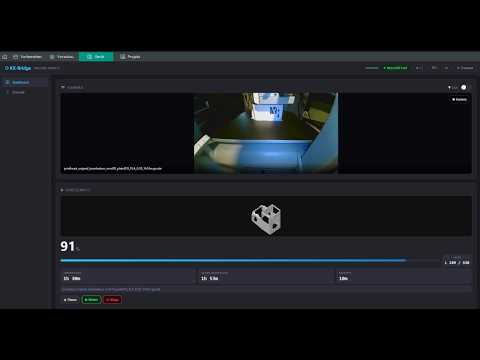](https://www.youtube.com/watch?v=1Ql4wfH27fM)
|
||||||
|
|
||||||
|
---
|
||||||
|
|
||||||
|
## 🏠 Community & Integrationen
|
||||||
|
|
||||||
|
- **[Home-Assistant-Integration](https://github.com/gangoke/kobrax-lan-hass-component)**
|
||||||
|
von [@gangoke](https://github.com/gangoke) — bindet Sensoren, Drucksteuerung,
|
||||||
|
Licht, Kamera und das GCode-Vorschaubild als native Home-Assistant-Entitäten ein.
|
||||||
|
|
||||||
|
> Dies sind **Community-Projekte**, die nicht von KX-Bridge betreut oder
|
||||||
|
> supportet werden. Bei Fragen oder Problemen bitte das verlinkte Repository nutzen.
|
||||||
|
|
||||||
|
---
|
||||||
|
|
||||||
|
## 🔧 Zugangsdaten manuell ermitteln
|
||||||
|
|
||||||
|
Normalerweise nicht nötig — *„+ Drucker hinzufügen"* macht das automatisch. Falls doch:
|
||||||
|
|
||||||
|
```bash
|
||||||
|
fetch_credentials --ip 192.168.x.x --write-config
|
||||||
|
```
|
||||||
|
Holt die Zugangsdaten per HTTP direkt vom Drucker und schreibt sie in `config/config.ini`.
|
||||||
|
Nur die Drucker-IP nötig, kein Slicer.
|
||||||
|
|
||||||
|
Alternativ (wenn die IP unbekannt ist): AnycubicSlicerNext öffnen, Drucker verbinden,
|
||||||
|
dann `extract_credentials` ausführen → gibt Username, Passwort, Device-ID und IP aus.
|
||||||
|
|
||||||
|
> **Downloads:** [Releases](https://gitea.it-drui.de/viewit/KX-Bridge-Release/releases) → `fetch_credentials` / `extract_credentials` (Linux & Windows)
|
||||||
|
|
||||||
|
---
|
||||||
|
|
||||||
|
## ⚙️ Nützliche Befehle
|
||||||
|
|
||||||
|
```bash
|
||||||
|
docker compose logs -f # Logs anzeigen
|
||||||
|
docker compose down # Bridge stoppen
|
||||||
|
docker compose up -d --build # Bridge neu bauen & starten (nach Update)
|
||||||
|
```
|
||||||
|
|
||||||
|
---
|
||||||
|
|
||||||
|
## 🩹 Troubleshooting
|
||||||
|
|
||||||
|
<details>
|
||||||
|
<summary><b>"Falsche MQTT-Zugangsdaten" beim Start</b></summary>
|
||||||
|
|
||||||
|
- Drucker über *„+ Drucker hinzufügen"* erneut hinzufügen, oder
|
||||||
|
`fetch_credentials --ip <ip> --write-config` ausführen und Bridge neu starten
|
||||||
|
- Nur die IP-Adresse eingeben, ohne Port (✗ `192.168.1.102:9883` → ✓ `192.168.1.102`)
|
||||||
|
</details>
|
||||||
|
|
||||||
|
<details>
|
||||||
|
<summary><b>Drucker nicht gefunden / kein LAN-Modus</b></summary>
|
||||||
|
|
||||||
|
- Am Drucker-Display: Einstellungen → LAN-Modus aktivieren
|
||||||
|
- Drucker und Bridge müssen im selben Netzwerk sein
|
||||||
|
</details>
|
||||||
|
|
||||||
|
<details>
|
||||||
|
<summary><b>Docker: Permission denied</b></summary>
|
||||||
|
|
||||||
|
```bash
|
||||||
|
sudo usermod -aG docker $USER # danach aus- und wieder einloggen
|
||||||
|
```
|
||||||
|
</details>
|
||||||
|
|
||||||
|
<details>
|
||||||
|
<summary><b>Upgrade von 0.9.1 oder älter</b></summary>
|
||||||
|
|
||||||
|
Ab 0.9.2 speichert KX-Bridge die Einstellungen in `config/config.ini` statt `.env`.
|
||||||
|
Die Migration läuft automatisch beim ersten Start nach dem Upgrade — keine Aktion nötig.
|
||||||
|
</details>
|
||||||
|
|
||||||
|
---
|
||||||
|
|
||||||
|
## 🔒 Sicherheit
|
||||||
|
|
||||||
|
- Die Bridge ist im lokalen Netzwerk unter `http://<host-IP>:7125` erreichbar — **nicht** ins Internet exposen
|
||||||
|
- `config/config.ini` enthält Drucker-Zugangsdaten — nicht öffentlich teilen
|
||||||
|
- Die Zugangsdaten geben **keinen** Zugriff auf Anycubic-Cloud-Dienste
|
||||||
|
|
||||||
|
---
|
||||||
|
|
||||||
|
## 📄 Lizenz
|
||||||
|
|
||||||
|
[](LICENSE)
|
||||||
|
|
||||||
|
KX-Bridge steht unter der **GNU General Public License v3.0** ([LICENSE](LICENSE)).
|
||||||
|
Forks und Erweiterungen müssen bei Weitergabe ebenfalls unter GPLv3 stehen.
|
||||||
|
|
||||||
|
Die MQTT-Protokoll-Implementierung ist das Ergebnis unabhängiger
|
||||||
|
Reverse-Engineering-Arbeit zur Herstellung der Interoperabilität (§69e UrhG /
|
||||||
|
EU-Softwarerichtlinie Art. 6). Drittmaterial im Repository (Anycubic-
|
||||||
|
TLS-Zertifikate) fällt **nicht** unter die GPLv3 und ist ausschließlich
|
||||||
|
enthalten, um die Authentifizierung am eigenen Drucker zu ermöglichen.
|
||||||
|
Details + Disclaimer in [NOTICE.md](NOTICE.md).
|
||||||
|
|
||||||
|
Dieses Projekt ist unabhängig und steht in keinem Zusammenhang mit Anycubic.
|
||||||
|
|
||||||
|
<div align="center">
|
||||||
|
<br>
|
||||||
|
|
||||||
|
**Wenn dir KX-Bridge hilft, freut sich das Projekt über Unterstützung:**
|
||||||
|
|
||||||
|
[](https://ko-fi.com/viewitde)
|
||||||
|
|
||||||
|
</div>
|
||||||
256
README.en.md
256
README.en.md
@@ -1,256 +0,0 @@
|
|||||||
# KX-Bridge – Anycubic Kobra X Moonraker Bridge
|
|
||||||
|
|
||||||
**Version:** 0.9.1-beta10
|
|
||||||
**Status:** Public Beta – suitable for home users, feedback welcome
|
|
||||||
|
|
||||||
KX-Bridge is a Moonraker-compatible HTTP/WebSocket bridge for the **Anycubic Kobra X** 3D printer. It allows you to control the printer through OrcaSlicer and other Moonraker-compatible software — no Klipper, no Raspberry Pi required.
|
|
||||||
|
|
||||||
---
|
|
||||||
|
|
||||||
## What's supported?
|
|
||||||
|
|
||||||
- Printer status (temperature, progress, state)
|
|
||||||
- File transfer and print start
|
|
||||||
- Print control: pause, resume, cancel
|
|
||||||
- Temperature control during an active print
|
|
||||||
- Print speed (Silent / Normal / Sport)
|
|
||||||
- AMS filament change (load / unload)
|
|
||||||
- Light and fan control
|
|
||||||
- Web UI with dashboard, temperature cards, axis control, and camera view
|
|
||||||
- Settings and self-update directly in the browser (⚙ menu)
|
|
||||||
- OrcaSlicer connection (Moonraker protocol)
|
|
||||||
|
|
||||||
---
|
|
||||||
|
|
||||||
## Requirements
|
|
||||||
|
|
||||||
- Anycubic Kobra X on your local network, with **LAN mode enabled** (printer menu → enable LAN mode)
|
|
||||||
- Printer MQTT credentials (→ see [Extracting credentials](#extracting-credentials))
|
|
||||||
- Docker **or** Python 3.9+ **or** the pre-built Linux binary
|
|
||||||
|
|
||||||
---
|
|
||||||
|
|
||||||
## Quick start – Docker (recommended)
|
|
||||||
|
|
||||||
```bash
|
|
||||||
# 1. Start the bridge
|
|
||||||
./start.sh
|
|
||||||
```
|
|
||||||
|
|
||||||
`start.sh` builds the Docker image automatically on first run and starts the bridge.
|
|
||||||
|
|
||||||
```
|
|
||||||
# 2. Open the web UI: http://BRIDGE-IP:7125
|
|
||||||
# → Settings (⚙) open automatically on first start
|
|
||||||
# → Enter your credentials (→ see Extracting credentials)
|
|
||||||
|
|
||||||
# 3. In OrcaSlicer: add printer → "Moonraker" → http://BRIDGE-IP:7125
|
|
||||||
```
|
|
||||||
|
|
||||||
Check logs:
|
|
||||||
```bash
|
|
||||||
docker-compose logs -f
|
|
||||||
```
|
|
||||||
|
|
||||||
Stop:
|
|
||||||
```bash
|
|
||||||
docker-compose down
|
|
||||||
```
|
|
||||||
|
|
||||||
---
|
|
||||||
|
|
||||||
## Quick start – Binary (Linux)
|
|
||||||
|
|
||||||
```bash
|
|
||||||
chmod +x kx-bridge
|
|
||||||
./kx-bridge
|
|
||||||
```
|
|
||||||
|
|
||||||
Open the web UI: `http://localhost:7125`
|
|
||||||
→ Settings (⚙) open automatically and guide you through the initial setup.
|
|
||||||
|
|
||||||
---
|
|
||||||
|
|
||||||
## Quick start – Python directly
|
|
||||||
|
|
||||||
```bash
|
|
||||||
pip install aiohttp
|
|
||||||
python kobrax_moonraker_bridge.py
|
|
||||||
```
|
|
||||||
|
|
||||||
Open the web UI: `http://localhost:7125`
|
|
||||||
→ Settings (⚙) open automatically on first start.
|
|
||||||
|
|
||||||
---
|
|
||||||
|
|
||||||
## Extracting credentials
|
|
||||||
|
|
||||||
The MQTT credentials are printer-specific and are generated on first connection with AnycubicSlicerNext. The `extract_credentials` tool reads them from the memory of the running slicer.
|
|
||||||
|
|
||||||
**Requirement:** AnycubicSlicerNext must be running and connected to the printer (printer status is shown).
|
|
||||||
|
|
||||||
### Windows
|
|
||||||
|
|
||||||
```
|
|
||||||
extract_credentials.exe
|
|
||||||
```
|
|
||||||
|
|
||||||
### Linux
|
|
||||||
|
|
||||||
```bash
|
|
||||||
chmod +x extract_credentials
|
|
||||||
./extract_credentials
|
|
||||||
```
|
|
||||||
|
|
||||||
### Output
|
|
||||||
|
|
||||||
```
|
|
||||||
[*] Process found: AnycubicSlicerNext.exe (PID 1234)
|
|
||||||
[*] 1986 memory segments read (738.8 MB)
|
|
||||||
[*] Analyzing ... 100% (739 MB)
|
|
||||||
|
|
||||||
=======================================================
|
|
||||||
RESULTS
|
|
||||||
=======================================================
|
|
||||||
Username userXXXXXXXXXX (hits: 47)
|
|
||||||
Password *************** (hits: 1046)
|
|
||||||
Device-ID xxxxxxxxxxxxxxxxxxxxxxxxxxxxxxxx (hits: 3504)
|
|
||||||
Printer IP 192.168.x.x (hits: 3036)
|
|
||||||
=======================================================
|
|
||||||
```
|
|
||||||
|
|
||||||
Enter the displayed values in the bridge settings:
|
|
||||||
Open web UI → **⚙ Settings** → fill in the fields → **Save & Restart**
|
|
||||||
|
|
||||||
> If the result looks uncertain: `--verbose` shows all found candidates.
|
|
||||||
|
|
||||||
All credentials are **processed locally only** — nothing is sent to external servers.
|
|
||||||
|
|
||||||
---
|
|
||||||
|
|
||||||
## Configuration (.env)
|
|
||||||
|
|
||||||
```env
|
|
||||||
PRINTER_IP=192.168.x.x # Printer IP address
|
|
||||||
MQTT_PORT=9883 # Default, do not change
|
|
||||||
MQTT_USERNAME=userXXXXXXXX # Starts with "user"
|
|
||||||
MQTT_PASSWORD=XXXXXXXXXXXXXX # ~15 characters, mixed case
|
|
||||||
DEVICE_ID=xxxxxxxx... # 32-character hex string
|
|
||||||
MODE_ID=20030 # Kobra X default
|
|
||||||
```
|
|
||||||
|
|
||||||
---
|
|
||||||
|
|
||||||
## OrcaSlicer setup
|
|
||||||
|
|
||||||
1. Add printer → **Anycubic Kobra X** (or generic Klipper printer)
|
|
||||||
2. Connection type: **Moonraker**
|
|
||||||
3. Host: `http://BRIDGE-HOST:7125`
|
|
||||||
4. Test connection → should show "Online"
|
|
||||||
|
|
||||||
---
|
|
||||||
|
|
||||||
## Web UI
|
|
||||||
|
|
||||||
The bridge serves a web interface at `http://BRIDGE-HOST:7125`:
|
|
||||||
|
|
||||||
| Section | Function |
|
|
||||||
|---------|----------|
|
|
||||||
| Dashboard | Printer status, progress, temperature overview |
|
|
||||||
| Temperatures | Set nozzle and bed temperature directly |
|
|
||||||
| Motion | X/Y/Z movement, motor release |
|
|
||||||
| Print Speed | Silent / Normal / Sport |
|
|
||||||
| Fan / Light | Fan speed and work light |
|
|
||||||
| AMS | Load / unload filament |
|
|
||||||
| Camera | Live preview (if supported by printer) |
|
|
||||||
| ⚙ Settings | MQTT credentials, poll interval, self-update |
|
|
||||||
|
|
||||||
### Self-update
|
|
||||||
|
|
||||||
The ⚙ menu in the web UI lets you check for new versions and update the bridge in place — no reinstallation needed. After the download the bridge restarts automatically with the new version.
|
|
||||||
|
|
||||||
---
|
|
||||||
|
|
||||||
## bridge.sh (Linux service manager)
|
|
||||||
|
|
||||||
```bash
|
|
||||||
./bridge.sh start # Start bridge in background
|
|
||||||
./bridge.sh stop # Stop bridge
|
|
||||||
./bridge.sh restart # Restart
|
|
||||||
./bridge.sh status # Check status and port
|
|
||||||
./bridge.sh log 50 # Show last 50 log lines
|
|
||||||
```
|
|
||||||
|
|
||||||
---
|
|
||||||
|
|
||||||
## Printer states
|
|
||||||
|
|
||||||
The bridge translates internal Kobra states into Moonraker-compatible states:
|
|
||||||
|
|
||||||
| Kobra state | Meaning |
|
|
||||||
|-------------|---------|
|
|
||||||
| free | Ready |
|
|
||||||
| printing / busy | Printing |
|
|
||||||
| pausing / paused | Paused |
|
|
||||||
| resuming / resumed | Resuming |
|
|
||||||
| stopping / stoped | Stopping |
|
|
||||||
| finished | Complete |
|
|
||||||
| canceled | Cancelled |
|
|
||||||
| failed | Error |
|
|
||||||
|
|
||||||
---
|
|
||||||
|
|
||||||
## Troubleshooting
|
|
||||||
|
|
||||||
**Port 7125 already in use:**
|
|
||||||
```bash
|
|
||||||
./bridge.sh stop # or: fuser -k 7125/tcp
|
|
||||||
./bridge.sh start
|
|
||||||
```
|
|
||||||
|
|
||||||
**Invalid credentials / connection refused:**
|
|
||||||
- Start AnycubicSlicerNext, connect to the printer, then run `extract_credentials` again
|
|
||||||
- If the result looks uncertain: `extract_credentials --verbose` shows all candidates
|
|
||||||
- Manually enter the correct candidate in `.env` and restart the bridge
|
|
||||||
|
|
||||||
**Temperature changes are ignored:**
|
|
||||||
- During an active print, temperature changes are sent via a separate channel — this is normal and the bridge handles it automatically.
|
|
||||||
|
|
||||||
**Docker: Permission denied:**
|
|
||||||
```bash
|
|
||||||
sudo usermod -aG docker $USER
|
|
||||||
# Log out and back in
|
|
||||||
```
|
|
||||||
|
|
||||||
**Docker: .env not found:**
|
|
||||||
```bash
|
|
||||||
# .env must be in the same directory as docker-compose.yml
|
|
||||||
cp .env.example .env && nano .env
|
|
||||||
```
|
|
||||||
|
|
||||||
---
|
|
||||||
|
|
||||||
## Logs
|
|
||||||
|
|
||||||
```bash
|
|
||||||
# Docker
|
|
||||||
docker compose logs -f kx-bridge
|
|
||||||
|
|
||||||
# Binary / Python
|
|
||||||
tail -f /tmp/bridge.log # when using bridge.sh
|
|
||||||
```
|
|
||||||
|
|
||||||
---
|
|
||||||
|
|
||||||
## Security notes
|
|
||||||
|
|
||||||
- The bridge binds to `0.0.0.0:7125` by default — use on your local network only
|
|
||||||
- `.env` contains printer credentials — do not share publicly
|
|
||||||
- The credentials are printer-specific and have no access to Anycubic cloud services
|
|
||||||
|
|
||||||
---
|
|
||||||
|
|
||||||
## License & legal
|
|
||||||
|
|
||||||
This project was created through interoperability research under §69e UrhG (German copyright law).
|
|
||||||
For private, non-commercial use only.
|
|
||||||
372
README.md
372
README.md
@@ -1,256 +1,208 @@
|
|||||||
# KX-Bridge – Anycubic Kobra X Moonraker Bridge
|
<div align="center">
|
||||||
|
|
||||||
**Version:** 0.9.1-beta10
|
<img src="knlogo.png" alt="KX-Bridge" width="160"/>
|
||||||
**Status:** Public Beta – für Heimanwender geeignet, Feedback willkommen
|
|
||||||
|
|
||||||
KX-Bridge ist eine Moonraker-kompatible HTTP/WebSocket-Bridge für den **Anycubic Kobra X** 3D-Drucker. Sie ermöglicht die Steuerung des Druckers über OrcaSlicer und andere Moonraker-kompatible Software, ohne dass Klipper oder ein Raspberry Pi benötigt wird.
|
# KX-Bridge
|
||||||
|
|
||||||
|
**Control your Anycubic Kobra X with OrcaSlicer — no Klipper, no Raspberry Pi.**
|
||||||
|
|
||||||
|
A Moonraker-compatible bridge that talks directly to the printer.
|
||||||
|
|
||||||
|
<sub>🇩🇪 <a href="README.de.md">Deutsche Version</a></sub>
|
||||||
|
|
||||||
|
<br>
|
||||||
|
|
||||||
|
[](https://ko-fi.com/viewitde)
|
||||||
|
|
||||||
|
[](https://gitea.it-drui.de/viewit/KX-Bridge-Release/releases)
|
||||||
|
|
||||||
|
[](https://gitea.it-drui.de/viewit/KX-Bridge-Release/releases)
|
||||||
|
|
||||||
|
[](https://www.youtube.com/watch?v=1Ql4wfH27fM)
|
||||||
|
|
||||||
|
<sub>Like KX-Bridge? A coffee on <a href="https://ko-fi.com/viewitde">Ko-fi</a> keeps the project alive. ☕</sub>
|
||||||
|
|
||||||
|
</div>
|
||||||
|
|
||||||
---
|
---
|
||||||
|
|
||||||
## Was wird unterstützt?
|
## ✨ Features
|
||||||
|
|
||||||
- Druckerstatus (Temperatur, Fortschritt, Zustand)
|
| | |
|
||||||
- Dateiübertragung und Druckstart
|
|---|---|
|
||||||
- Drucksteuerung: Pause, Fortsetzen, Abbrechen
|
| 🖨️ | **Printer control** — start, pause, resume, cancel, temperatures, print speed |
|
||||||
- Temperaturregelung während des laufenden Drucks
|
| 📊 | **Live status** — temperature, progress, layers, remaining time, camera stream |
|
||||||
- Druckgeschwindigkeit (Leise / Normal / Sport)
|
| 🎨 | **AMS / multicolor** — filament slots, per-channel remapping, MMU emulation for OrcaSlicer filament sync |
|
||||||
- AMS-Farbwechsel (Einziehen / Ausziehen)
|
| 🗂️ | **GCode browser** — uploaded files with thumbnails, print history, search & filter |
|
||||||
- Licht- und Lüftersteuerung
|
| 🧩 | **Multi-printer** — multiple printers in **one** bridge instance, switch via dropdown |
|
||||||
- Web-UI mit Dashboard, Temperaturkarten, Achsensteuerung und Kameraansicht
|
| ➕ | **Add a printer with one click** — just enter the IP, credentials are imported automatically |
|
||||||
- Einstellungen und Self-Update direkt im Browser (⚙-Menü)
|
| 🔄 | **Self-update** — install new versions directly in the browser |
|
||||||
- OrcaSlicer-Verbindung (Moonraker-Protokoll)
|
| 🌐 | **OrcaSlicer** — full Moonraker protocol (HTTP + WebSocket), EN/DE UI |
|
||||||
|
|
||||||
---
|
---
|
||||||
|
|
||||||
## Voraussetzungen
|
## 🚀 Quick Start
|
||||||
|
|
||||||
- Anycubic Kobra X im lokalen Netzwerk, mit aktiviertem **LAN-Modus** (Drucker-Menü → LAN-Modus einschalten)
|
### 1. Prepare the printer
|
||||||
- MQTT-Credentials des Druckers (→ siehe [Credentials extrahieren](#credentials-extrahieren))
|
|
||||||
- Docker **oder** Python 3.9+ **oder** direkt die Linux-Binary
|
Enable LAN mode on the Kobra X:
|
||||||
|
**Printer display → Settings → Enable LAN mode**
|
||||||
|
|
||||||
|
### 2. Start the bridge
|
||||||
|
|
||||||
|
**Docker (recommended):**
|
||||||
|
```bash
|
||||||
|
docker compose up -d
|
||||||
|
```
|
||||||
|
|
||||||
|
**Linux binary (no Docker):**
|
||||||
|
```bash
|
||||||
|
chmod +x kx-bridge && ./kx-bridge
|
||||||
|
```
|
||||||
|
|
||||||
|
**Windows EXE (no Docker):**
|
||||||
|
```
|
||||||
|
kx-bridge.exe
|
||||||
|
```
|
||||||
|
> `config\` and `data\` are created next to the EXE — portable.
|
||||||
|
|
||||||
|
> With the Linux and Windows binaries, `config/` and `data/` (settings, SQLite, GCode store)
|
||||||
|
> live next to the program. Copy the whole folder = move the installation.
|
||||||
|
|
||||||
|
**Python directly:**
|
||||||
|
```bash
|
||||||
|
pip install -r bridge/requirements.txt
|
||||||
|
python bridge/kobrax_moonraker_bridge.py
|
||||||
|
```
|
||||||
|
|
||||||
|
### 3. Set up the printer
|
||||||
|
|
||||||
|
Open the Web UI: **`http://BRIDGE-IP:7125`**
|
||||||
|
|
||||||
|
On first start the **Printers tab** shows *"+ Add printer"* — just enter the printer's IP
|
||||||
|
address, the rest (username, password, device ID) is fetched from the printer and decrypted
|
||||||
|
automatically. Done.
|
||||||
|
|
||||||
|
> More than one printer? Just click *"+ Add printer"* again — each gets its own port
|
||||||
|
> (7125, 7126, …) and is selectable from the header dropdown.
|
||||||
|
|
||||||
|
### 4. Connect OrcaSlicer
|
||||||
|
|
||||||
|
Printer → Connection type **Moonraker** → Host: `http://BRIDGE-IP:7125`
|
||||||
|
|
||||||
|
> ⚠️ Connection type must be **Moonraker** (not "Bambu" or "Klipper").
|
||||||
|
> Enter the full URL including `http://` and port `:7125` in the host field.
|
||||||
|
|
||||||
---
|
---
|
||||||
|
|
||||||
## Schnellstart – Docker (empfohlen)
|
## 📺 Video Tutorial
|
||||||
|
|
||||||
|
[](https://www.youtube.com/watch?v=1Ql4wfH27fM)
|
||||||
|
|
||||||
|
---
|
||||||
|
|
||||||
|
## 🏠 Community & Integrations
|
||||||
|
|
||||||
|
- **[Home Assistant integration](https://github.com/gangoke/kobrax-lan-hass-component)**
|
||||||
|
by [@gangoke](https://github.com/gangoke) — exposes sensors, print controls,
|
||||||
|
light, camera and the GCode thumbnail as native Home Assistant entities.
|
||||||
|
|
||||||
|
> These are **community projects**, not maintained or supported by KX-Bridge.
|
||||||
|
> For questions or issues, please use the linked repository.
|
||||||
|
|
||||||
|
---
|
||||||
|
|
||||||
|
## 🔧 Getting credentials manually
|
||||||
|
|
||||||
|
Normally not needed — *"+ Add printer"* does this automatically. If you do need it:
|
||||||
|
|
||||||
```bash
|
```bash
|
||||||
# 1. Bridge starten
|
fetch_credentials --ip 192.168.x.x --write-config
|
||||||
./start.sh
|
|
||||||
```
|
```
|
||||||
|
Fetches the credentials directly from the printer via HTTP and writes them to `config/config.ini`.
|
||||||
|
Only the printer IP is required, no slicer.
|
||||||
|
|
||||||
`start.sh` baut das Docker-Image automatisch beim ersten Aufruf und startet die Bridge.
|
Alternatively (if the IP is unknown): open AnycubicSlicerNext, connect the printer, then run
|
||||||
|
`extract_credentials` → outputs username, password, device ID and the printer IP.
|
||||||
|
|
||||||
```
|
> **Downloads:** [Releases](https://gitea.it-drui.de/viewit/KX-Bridge-Release/releases) → `fetch_credentials` / `extract_credentials` (Linux & Windows)
|
||||||
# 2. Web-UI öffnen: http://BRIDGE-IP:7125
|
|
||||||
# → Einstellungen (⚙) öffnen sich automatisch beim ersten Start
|
|
||||||
# → Zugangsdaten eintragen (→ siehe Credentials extrahieren)
|
|
||||||
|
|
||||||
# 3. In OrcaSlicer: Drucker → "Moonraker" → http://BRIDGE-IP:7125
|
|
||||||
```
|
|
||||||
|
|
||||||
Logs prüfen:
|
|
||||||
```bash
|
|
||||||
docker-compose logs -f
|
|
||||||
```
|
|
||||||
|
|
||||||
Stoppen:
|
|
||||||
```bash
|
|
||||||
docker-compose down
|
|
||||||
```
|
|
||||||
|
|
||||||
---
|
---
|
||||||
|
|
||||||
## Schnellstart – Binary (Linux)
|
## ⚙️ Useful commands
|
||||||
|
|
||||||
```bash
|
```bash
|
||||||
chmod +x kx-bridge
|
docker compose logs -f # show logs
|
||||||
./kx-bridge
|
docker compose down # stop the bridge
|
||||||
|
docker compose up -d --build # rebuild & start (after an update)
|
||||||
```
|
```
|
||||||
|
|
||||||
Web-UI öffnen: `http://localhost:7125`
|
|
||||||
→ Einstellungen (⚙) öffnen sich automatisch und führen durch die Erstkonfiguration.
|
|
||||||
|
|
||||||
---
|
---
|
||||||
|
|
||||||
## Schnellstart – Python direkt
|
## 🩹 Troubleshooting
|
||||||
|
|
||||||
|
<details>
|
||||||
|
<summary><b>"Wrong MQTT credentials" on start</b></summary>
|
||||||
|
|
||||||
|
- Re-add the printer via *"+ Add printer"*, or run
|
||||||
|
`fetch_credentials --ip <ip> --write-config` and restart the bridge
|
||||||
|
- Enter only the IP address, no port (✗ `192.168.1.102:9883` → ✓ `192.168.1.102`)
|
||||||
|
</details>
|
||||||
|
|
||||||
|
<details>
|
||||||
|
<summary><b>Printer not found / no LAN mode</b></summary>
|
||||||
|
|
||||||
|
- On the printer display: Settings → Enable LAN mode
|
||||||
|
- Printer and bridge must be on the same network
|
||||||
|
</details>
|
||||||
|
|
||||||
|
<details>
|
||||||
|
<summary><b>Docker: Permission denied</b></summary>
|
||||||
|
|
||||||
```bash
|
```bash
|
||||||
pip install aiohttp
|
sudo usermod -aG docker $USER # then log out and back in
|
||||||
python kobrax_moonraker_bridge.py
|
|
||||||
```
|
```
|
||||||
|
</details>
|
||||||
|
|
||||||
Web-UI öffnen: `http://localhost:7125`
|
<details>
|
||||||
→ Einstellungen (⚙) öffnen sich automatisch beim ersten Start.
|
<summary><b>Upgrading from 0.9.1 or earlier</b></summary>
|
||||||
|
|
||||||
|
Starting with 0.9.2, KX-Bridge stores settings in `config/config.ini` instead of `.env`.
|
||||||
|
Migration runs automatically on first start after the upgrade — no action required.
|
||||||
|
</details>
|
||||||
|
|
||||||
---
|
---
|
||||||
|
|
||||||
## Credentials extrahieren
|
## 🔒 Security
|
||||||
|
|
||||||
Die MQTT-Zugangsdaten sind druckerspezifisch und werden beim ersten Verbindungsaufbau mit dem AnycubicSlicerNext generiert. Das Tool `extract_credentials` liest sie aus dem RAM des laufenden Slicers aus.
|
- The bridge is reachable on the local network at `http://<host-IP>:7125` — **do not** expose it to the internet
|
||||||
|
- `config/config.ini` contains printer credentials — do not share publicly
|
||||||
**Voraussetzung:** AnycubicSlicerNext muss gestartet und mit dem Drucker verbunden sein (Drucker-Status wird angezeigt).
|
- The credentials do **not** grant access to Anycubic cloud services
|
||||||
|
|
||||||
### Windows
|
|
||||||
|
|
||||||
```
|
|
||||||
extract_credentials.exe
|
|
||||||
```
|
|
||||||
|
|
||||||
### Linux
|
|
||||||
|
|
||||||
```bash
|
|
||||||
chmod +x extract_credentials
|
|
||||||
./extract_credentials
|
|
||||||
```
|
|
||||||
|
|
||||||
### Ausgabe
|
|
||||||
|
|
||||||
```
|
|
||||||
[*] Prozess gefunden: AnycubicSlicerNext.exe (PID 1234)
|
|
||||||
[*] 1986 Speichersegmente gelesen (738.8 MB)
|
|
||||||
[*] Analysiere ... 100% (739 MB)
|
|
||||||
|
|
||||||
=======================================================
|
|
||||||
ERGEBNISSE
|
|
||||||
=======================================================
|
|
||||||
Username userXXXXXXXXXX (Treffer: 47)
|
|
||||||
Password *************** (Treffer: 1046)
|
|
||||||
Device-ID xxxxxxxxxxxxxxxxxxxxxxxxxxxxxxxx (Treffer: 3504)
|
|
||||||
Drucker-IP 192.168.x.x (Treffer: 3036)
|
|
||||||
=======================================================
|
|
||||||
```
|
|
||||||
|
|
||||||
Die angezeigten Werte in die Bridge-Einstellungen übertragen:
|
|
||||||
Web-UI öffnen → **⚙ Einstellungen** → Felder ausfüllen → **Speichern & Neustart**
|
|
||||||
|
|
||||||
> Falls das Ergebnis unsicher wirkt: `--verbose` zeigt alle gefundenen Kandidaten.
|
|
||||||
|
|
||||||
Alle Credentials werden **ausschließlich lokal verarbeitet** — keine Übertragung an externe Server.
|
|
||||||
|
|
||||||
---
|
---
|
||||||
|
|
||||||
## Konfiguration (.env)
|
## 📄 License
|
||||||
|
|
||||||
```env
|
[](LICENSE)
|
||||||
PRINTER_IP=192.168.x.x # IP des Druckers
|
|
||||||
MQTT_PORT=9883 # Standard, nicht ändern
|
|
||||||
MQTT_USERNAME=userXXXXXXXX # Beginnt mit "user"
|
|
||||||
MQTT_PASSWORD=XXXXXXXXXXXXXX # ~15 Zeichen, gemischt
|
|
||||||
DEVICE_ID=xxxxxxxx... # 32-stelliger Hex-String
|
|
||||||
MODE_ID=20030 # Kobra X Standard
|
|
||||||
```
|
|
||||||
|
|
||||||
---
|
KX-Bridge is released under the **GNU General Public License v3.0**. See
|
||||||
|
[LICENSE](LICENSE) for the full text. Forks and modifications must remain
|
||||||
|
under GPLv3 if redistributed.
|
||||||
|
|
||||||
## OrcaSlicer verbinden
|
The MQTT protocol implementation is the result of independent
|
||||||
|
reverse-engineering for interoperability purposes (§69e UrhG / EU Software
|
||||||
|
Directive Art. 6). Third-party material in the repository (Anycubic TLS
|
||||||
|
certificates) is **not** covered by GPLv3 and is included solely to enable
|
||||||
|
authentication against printers the end-user already owns. See
|
||||||
|
[NOTICE.md](NOTICE.md) for details and disclaimer.
|
||||||
|
|
||||||
1. Drucker hinzufügen → **Anycubic Kobra X** (oder generischer Klipper-Drucker)
|
This project is independent and not affiliated with Anycubic.
|
||||||
2. Verbindungstyp: **Moonraker**
|
|
||||||
3. IP: `http://BRIDGE-HOST:7125`
|
|
||||||
4. Verbindung testen → sollte "Online" anzeigen
|
|
||||||
|
|
||||||
---
|
<div align="center">
|
||||||
|
<br>
|
||||||
|
|
||||||
## Web-UI
|
**If KX-Bridge helps you, the project appreciates your support:**
|
||||||
|
|
||||||
Die Bridge stellt unter `http://BRIDGE-HOST:7125` eine Web-Oberfläche bereit:
|
[](https://ko-fi.com/viewitde)
|
||||||
|
|
||||||
| Bereich | Funktion |
|
</div>
|
||||||
|---------|----------|
|
|
||||||
| Dashboard | Druckerstatus, Fortschritt, Temperaturübersicht |
|
|
||||||
| Temperaturen | Nozzle und Bett direkt setzen |
|
|
||||||
| Achsen | X/Y/Z-Bewegung, Motorfreigabe |
|
|
||||||
| Druckgeschwindigkeit | Leise / Normal / Sport |
|
|
||||||
| Lüfter / Licht | Lüfterdrehzahl und Drucklicht |
|
|
||||||
| AMS | Filament einziehen / ausziehen |
|
|
||||||
| Kamera | Live-Vorschau (falls Drucker unterstützt) |
|
|
||||||
| ⚙ Einstellungen | MQTT-Zugangsdaten, Poll-Intervall, Self-Update |
|
|
||||||
|
|
||||||
### Self-Update
|
|
||||||
|
|
||||||
Über das ⚙-Menü in der Web-UI kann die Bridge auf neue Versionen prüfen und sich selbst aktualisieren — ohne Neuinstallation. Nach dem Download startet die Bridge automatisch mit der neuen Version neu.
|
|
||||||
|
|
||||||
---
|
|
||||||
|
|
||||||
## bridge.sh (Linux Service-Manager)
|
|
||||||
|
|
||||||
```bash
|
|
||||||
./bridge.sh start # Bridge im Hintergrund starten
|
|
||||||
./bridge.sh stop # Bridge beenden
|
|
||||||
./bridge.sh restart # Neustarten
|
|
||||||
./bridge.sh status # Status und Port prüfen
|
|
||||||
./bridge.sh log 50 # Letzte 50 Log-Zeilen
|
|
||||||
```
|
|
||||||
|
|
||||||
---
|
|
||||||
|
|
||||||
## Druckerzustände
|
|
||||||
|
|
||||||
Die Bridge übersetzt die internen Kobra-Zustände in Moonraker-kompatible Zustände:
|
|
||||||
|
|
||||||
| Kobra-Zustand | Bedeutung |
|
|
||||||
|---------------|-----------|
|
|
||||||
| free | Bereit |
|
|
||||||
| printing / busy | Druckt |
|
|
||||||
| pausing / paused | Pausiert |
|
|
||||||
| resuming / resumed | Wird fortgesetzt |
|
|
||||||
| stopping / stoped | Wird gestoppt |
|
|
||||||
| finished | Abgeschlossen |
|
|
||||||
| canceled | Abgebrochen |
|
|
||||||
| failed | Fehler |
|
|
||||||
|
|
||||||
---
|
|
||||||
|
|
||||||
## Fehlerbehebung
|
|
||||||
|
|
||||||
**Port 7125 bereits belegt:**
|
|
||||||
```bash
|
|
||||||
./bridge.sh stop # oder: fuser -k 7125/tcp
|
|
||||||
./bridge.sh start
|
|
||||||
```
|
|
||||||
|
|
||||||
**Credentials ungültig / Verbindung abgelehnt:**
|
|
||||||
- AnycubicSlicerNext starten, mit Drucker verbinden, `extract_credentials` erneut ausführen
|
|
||||||
- Falls das Ergebnis unsicher wirkt: `extract_credentials --verbose` zeigt alle Kandidaten an
|
|
||||||
- Den richtigen Kandidaten manuell in `.env` eintragen und Bridge neu starten
|
|
||||||
|
|
||||||
**Temperaturänderungen werden ignoriert:**
|
|
||||||
- Während eines laufenden Drucks werden Temperaturänderungen über einen separaten Kanal gesendet — das ist normal und wird von der Bridge automatisch erkannt.
|
|
||||||
|
|
||||||
**Docker: Permission denied:**
|
|
||||||
```bash
|
|
||||||
sudo usermod -aG docker $USER
|
|
||||||
# Neu einloggen
|
|
||||||
```
|
|
||||||
|
|
||||||
**Docker: .env nicht gefunden:**
|
|
||||||
```bash
|
|
||||||
# .env muss im gleichen Verzeichnis wie docker-compose.yml liegen
|
|
||||||
cp .env.example .env && nano .env
|
|
||||||
```
|
|
||||||
|
|
||||||
---
|
|
||||||
|
|
||||||
## Logs
|
|
||||||
|
|
||||||
```bash
|
|
||||||
# Docker
|
|
||||||
docker compose logs -f kx-bridge
|
|
||||||
|
|
||||||
# Binary / Python
|
|
||||||
tail -f /tmp/bridge.log # bei Nutzung von bridge.sh
|
|
||||||
```
|
|
||||||
|
|
||||||
---
|
|
||||||
|
|
||||||
## Sicherheitshinweise
|
|
||||||
|
|
||||||
- Die Bridge bindet standardmäßig auf `0.0.0.0:7125` — nur im lokalen Netzwerk nutzen
|
|
||||||
- `.env` enthält Drucker-Credentials — nicht öffentlich teilen
|
|
||||||
- Die Credentials sind druckerspezifisch und haben keinen Zugang zu Anycubic-Cloud-Diensten
|
|
||||||
|
|
||||||
---
|
|
||||||
|
|
||||||
## Lizenz & Rechtliches
|
|
||||||
|
|
||||||
Dieses Projekt entstand durch Interoperabilitätsforschung gem. §69e UrhG.
|
|
||||||
Ausschließlich für private, nicht-kommerzielle Nutzung.
|
|
||||||
|
|||||||
2991
_web_assets.py
Normal file
2991
_web_assets.py
Normal file
File diff suppressed because it is too large
Load Diff
34
config.ini.example
Normal file
34
config.ini.example
Normal file
@@ -0,0 +1,34 @@
|
|||||||
|
# KX-Bridge Konfigurationsdatei
|
||||||
|
# Kopiere diese Datei nach config.ini und trage deine Werte ein:
|
||||||
|
# cp config.ini.example config.ini
|
||||||
|
#
|
||||||
|
# Credentials mit extract_credentials.exe (Windows) oder
|
||||||
|
# extract_credentials (Linux) aus dem laufenden AnycubicSlicerNext auslesen.
|
||||||
|
|
||||||
|
[connection]
|
||||||
|
# IP-Adresse des Druckers im lokalen Netzwerk
|
||||||
|
printer_ip = 192.168.x.x
|
||||||
|
|
||||||
|
# MQTT-Port (Anycubic Kobra X Standard: 9883)
|
||||||
|
mqtt_port = 9883
|
||||||
|
|
||||||
|
# MQTT-Zugangsdaten (druckerspezifisch, beginnt mit "user")
|
||||||
|
username = userXXXXXXXXXX
|
||||||
|
password = XXXXXXXXXXXXXXX
|
||||||
|
|
||||||
|
# Geräte-ID (32-stelliger Hex-String, druckerspezifisch)
|
||||||
|
device_id = xxxxxxxxxxxxxxxxxxxxxxxxxxxxxxxx
|
||||||
|
|
||||||
|
# Modell-ID (Kobra X Standard: 20030)
|
||||||
|
mode_id = 20030
|
||||||
|
|
||||||
|
[print]
|
||||||
|
# Standard-AMS-Slot für Einfarbdruck (auto = alle belegten Slots, 0-3 = fixer Slot)
|
||||||
|
default_ams_slot = auto
|
||||||
|
|
||||||
|
# Auto-Leveling vor jedem Druck (1 = an, 0 = aus)
|
||||||
|
auto_leveling = 1
|
||||||
|
|
||||||
|
[bridge]
|
||||||
|
# Poll-Intervall in Sekunden
|
||||||
|
poll_interval = 3
|
||||||
36
config/config.ini.example
Normal file
36
config/config.ini.example
Normal file
@@ -0,0 +1,36 @@
|
|||||||
|
# KX-Bridge Konfigurationsdatei
|
||||||
|
# Kopiere diese Datei nach config.ini und trage deine Werte ein:
|
||||||
|
# cp config.ini.example config.ini
|
||||||
|
#
|
||||||
|
# Credentials automatisch eintragen:
|
||||||
|
# python3 tools/fetch_credentials.py --ip 192.168.x.x --write-config
|
||||||
|
# Alternativ (Windows, ohne Drucker-IP bekannt):
|
||||||
|
# extract_credentials.exe --write-env (liest aus laufendem AnycubicSlicerNext)
|
||||||
|
|
||||||
|
[connection]
|
||||||
|
# IP-Adresse des Druckers im lokalen Netzwerk
|
||||||
|
printer_ip = 192.168.x.x
|
||||||
|
|
||||||
|
# MQTT-Port (Anycubic Kobra X Standard: 9883)
|
||||||
|
mqtt_port = 9883
|
||||||
|
|
||||||
|
# MQTT-Zugangsdaten (druckerspezifisch, beginnt mit "user")
|
||||||
|
username = userXXXXXXXXXX
|
||||||
|
password = XXXXXXXXXXXXXXX
|
||||||
|
|
||||||
|
# Geräte-ID (32-stelliger Hex-String, druckerspezifisch)
|
||||||
|
device_id = xxxxxxxxxxxxxxxxxxxxxxxxxxxxxxxx
|
||||||
|
|
||||||
|
# Modell-ID (Kobra X Standard: 20030)
|
||||||
|
mode_id = 20030
|
||||||
|
|
||||||
|
[print]
|
||||||
|
# Standard-AMS-Slot für Einfarbdruck (auto = alle belegten Slots, 0-3 = fixer Slot)
|
||||||
|
default_ams_slot = auto
|
||||||
|
|
||||||
|
# Auto-Leveling vor jedem Druck (1 = an, 0 = aus)
|
||||||
|
auto_leveling = 1
|
||||||
|
|
||||||
|
[bridge]
|
||||||
|
# Poll-Intervall in Sekunden
|
||||||
|
poll_interval = 3
|
||||||
177
config_loader.py
Normal file
177
config_loader.py
Normal file
@@ -0,0 +1,177 @@
|
|||||||
|
"""
|
||||||
|
config_loader.py – lädt Verbindungsparameter aus config/config.ini (primär)
|
||||||
|
oder .env (Fallback / Migration).
|
||||||
|
Umgebungsvariablen haben immer Vorrang.
|
||||||
|
"""
|
||||||
|
import os
|
||||||
|
import sys
|
||||||
|
import pathlib
|
||||||
|
import configparser
|
||||||
|
|
||||||
|
_BASE = pathlib.Path(sys.executable).parent if getattr(sys, "frozen", False) else pathlib.Path(__file__).parent
|
||||||
|
|
||||||
|
CONFIG_SECTION_CONNECTION = "connection"
|
||||||
|
CONFIG_SECTION_PRINT = "print"
|
||||||
|
CONFIG_SECTION_BRIDGE = "bridge"
|
||||||
|
|
||||||
|
|
||||||
|
def _find_config_file() -> pathlib.Path | None:
|
||||||
|
for base in (_BASE, _BASE.parent):
|
||||||
|
p = base / "config" / "config.ini"
|
||||||
|
if p.is_file():
|
||||||
|
return p
|
||||||
|
return None
|
||||||
|
|
||||||
|
|
||||||
|
def _find_env_file() -> pathlib.Path | None:
|
||||||
|
for base in (_BASE, _BASE.parent):
|
||||||
|
p = base / ".env"
|
||||||
|
if p.is_file():
|
||||||
|
return p
|
||||||
|
return None
|
||||||
|
|
||||||
|
|
||||||
|
def _load_env_file(path: pathlib.Path):
|
||||||
|
"""Lädt .env-Datei als Fallback – setzt nur Keys die noch nicht in os.environ sind."""
|
||||||
|
with open(path, encoding="utf-8") as f:
|
||||||
|
for line in f:
|
||||||
|
line = line.strip()
|
||||||
|
if not line or line.startswith("#") or "=" not in line:
|
||||||
|
continue
|
||||||
|
key, _, val = line.partition("=")
|
||||||
|
key = key.strip()
|
||||||
|
val = val.strip()
|
||||||
|
if key and key not in os.environ:
|
||||||
|
os.environ[key] = val
|
||||||
|
|
||||||
|
|
||||||
|
def _load_config_file(path: pathlib.Path):
|
||||||
|
"""Lädt config.ini und setzt Keys in os.environ (nur wenn nicht bereits gesetzt)."""
|
||||||
|
cfg = configparser.ConfigParser()
|
||||||
|
cfg.read(path, encoding="utf-8")
|
||||||
|
|
||||||
|
mapping = {
|
||||||
|
"PRINTER_IP": (CONFIG_SECTION_CONNECTION, "printer_ip"),
|
||||||
|
"MQTT_PORT": (CONFIG_SECTION_CONNECTION, "mqtt_port"),
|
||||||
|
"MQTT_USERNAME": (CONFIG_SECTION_CONNECTION, "username"),
|
||||||
|
"MQTT_PASSWORD": (CONFIG_SECTION_CONNECTION, "password"),
|
||||||
|
"MODE_ID": (CONFIG_SECTION_CONNECTION, "mode_id"),
|
||||||
|
"DEVICE_ID": (CONFIG_SECTION_CONNECTION, "device_id"),
|
||||||
|
"DEFAULT_AMS_SLOT": (CONFIG_SECTION_PRINT, "default_ams_slot"),
|
||||||
|
"AUTO_LEVELING": (CONFIG_SECTION_PRINT, "auto_leveling"),
|
||||||
|
"BRIDGE_PRINTER_NAME": (CONFIG_SECTION_BRIDGE, "printer_name"),
|
||||||
|
}
|
||||||
|
for env_key, (section, option) in mapping.items():
|
||||||
|
if env_key not in os.environ:
|
||||||
|
try:
|
||||||
|
val = cfg.get(section, option)
|
||||||
|
if val:
|
||||||
|
os.environ[env_key] = val
|
||||||
|
except (configparser.NoSectionError, configparser.NoOptionError):
|
||||||
|
pass
|
||||||
|
|
||||||
|
|
||||||
|
def migrate_env_to_config(env_path: pathlib.Path, config_path: pathlib.Path):
|
||||||
|
"""Einmalige Migration: .env → config.ini anlegen."""
|
||||||
|
env_vals: dict[str, str] = {}
|
||||||
|
with open(env_path, encoding="utf-8") as f:
|
||||||
|
for line in f:
|
||||||
|
line = line.strip()
|
||||||
|
if not line or line.startswith("#") or "=" not in line:
|
||||||
|
continue
|
||||||
|
k, _, v = line.partition("=")
|
||||||
|
env_vals[k.strip()] = v.strip()
|
||||||
|
|
||||||
|
config_path.parent.mkdir(parents=True, exist_ok=True)
|
||||||
|
cfg = configparser.ConfigParser()
|
||||||
|
cfg[CONFIG_SECTION_CONNECTION] = {
|
||||||
|
"printer_ip": env_vals.get("PRINTER_IP", ""),
|
||||||
|
"mqtt_port": env_vals.get("MQTT_PORT", "9883"),
|
||||||
|
"username": env_vals.get("MQTT_USERNAME", ""),
|
||||||
|
"password": env_vals.get("MQTT_PASSWORD", ""),
|
||||||
|
"mode_id": env_vals.get("MODE_ID", ""),
|
||||||
|
"device_id": env_vals.get("DEVICE_ID", ""),
|
||||||
|
}
|
||||||
|
cfg[CONFIG_SECTION_PRINT] = {
|
||||||
|
"default_ams_slot": env_vals.get("DEFAULT_AMS_SLOT", "auto"),
|
||||||
|
"auto_leveling": env_vals.get("AUTO_LEVELING", "1"),
|
||||||
|
}
|
||||||
|
cfg[CONFIG_SECTION_BRIDGE] = {
|
||||||
|
"poll_interval": "3",
|
||||||
|
}
|
||||||
|
with open(config_path, "w", encoding="utf-8") as f:
|
||||||
|
f.write("# KX-Bridge Konfigurationsdatei\n")
|
||||||
|
f.write("# Automatisch migriert aus .env\n\n")
|
||||||
|
cfg.write(f)
|
||||||
|
|
||||||
|
|
||||||
|
def find_config_path() -> pathlib.Path:
|
||||||
|
"""Gibt den Pfad zur config.ini zurück (auch wenn sie noch nicht existiert)."""
|
||||||
|
for base in (_BASE, _BASE.parent):
|
||||||
|
config_dir = base / "config"
|
||||||
|
if config_dir.is_dir():
|
||||||
|
return config_dir / "config.ini"
|
||||||
|
return _BASE / "config" / "config.ini"
|
||||||
|
|
||||||
|
|
||||||
|
# ─── Laden ───────────────────────────────────────────────────────────────────
|
||||||
|
|
||||||
|
_config_path = _find_config_file()
|
||||||
|
_env_path = _find_env_file()
|
||||||
|
|
||||||
|
if _config_path:
|
||||||
|
_load_config_file(_config_path)
|
||||||
|
elif _env_path:
|
||||||
|
# Kein config.ini vorhanden → aus .env migrieren
|
||||||
|
_target = find_config_path()
|
||||||
|
migrate_env_to_config(_env_path, _target)
|
||||||
|
_load_config_file(_target)
|
||||||
|
_config_path = _target
|
||||||
|
|
||||||
|
|
||||||
|
def list_printers() -> list[dict]:
|
||||||
|
"""Liest alle [printer_N]-Sektionen aus config.ini.
|
||||||
|
|
||||||
|
Jede Sektion kann folgende Keys haben:
|
||||||
|
name, printer_ip, mqtt_port, username, password, mode_id, device_id,
|
||||||
|
bridge_url, default_ams_slot, auto_leveling
|
||||||
|
|
||||||
|
Gibt eine leere Liste zurück wenn keine [printer_N]-Sektionen vorhanden sind
|
||||||
|
(Single-Printer-Betrieb via [connection]).
|
||||||
|
"""
|
||||||
|
path = _find_config_file()
|
||||||
|
if not path:
|
||||||
|
return []
|
||||||
|
cfg = configparser.ConfigParser()
|
||||||
|
cfg.read(path, encoding="utf-8")
|
||||||
|
printers: list[dict] = []
|
||||||
|
idx = 1
|
||||||
|
while True:
|
||||||
|
section = f"printer_{idx}"
|
||||||
|
if not cfg.has_section(section):
|
||||||
|
break
|
||||||
|
p = dict(cfg[section])
|
||||||
|
p.setdefault("id", str(idx))
|
||||||
|
if "mqtt_port" in p:
|
||||||
|
try:
|
||||||
|
p["mqtt_port"] = int(p["mqtt_port"])
|
||||||
|
except ValueError:
|
||||||
|
p["mqtt_port"] = 9883
|
||||||
|
printers.append(p)
|
||||||
|
idx += 1
|
||||||
|
return printers
|
||||||
|
|
||||||
|
|
||||||
|
def get(key: str, default: str = "") -> str:
|
||||||
|
return os.environ.get(key, default)
|
||||||
|
|
||||||
|
|
||||||
|
# Häufig verwendete Shortcuts
|
||||||
|
PRINTER_IP = get("PRINTER_IP", "")
|
||||||
|
MQTT_PORT = int(get("MQTT_PORT", "9883"))
|
||||||
|
USERNAME = get("MQTT_USERNAME", "")
|
||||||
|
PASSWORD = get("MQTT_PASSWORD", "")
|
||||||
|
MODE_ID = get("MODE_ID", "")
|
||||||
|
DEVICE_ID = get("DEVICE_ID", "")
|
||||||
|
DEFAULT_AMS_SLOT = get("DEFAULT_AMS_SLOT", "auto")
|
||||||
|
AUTO_LEVELING = int(get("AUTO_LEVELING","1"))
|
||||||
@@ -2,11 +2,12 @@ services:
|
|||||||
kx-bridge:
|
kx-bridge:
|
||||||
image: kx-bridge:latest
|
image: kx-bridge:latest
|
||||||
build: .
|
build: .
|
||||||
env_file: .env
|
|
||||||
volumes:
|
volumes:
|
||||||
- ./.env:/app/.env
|
- ./config:/app/config
|
||||||
|
- ./data:/app/data
|
||||||
|
- ./.env:/app/.env:ro
|
||||||
ports:
|
ports:
|
||||||
- "7125:7125"
|
- "7125-7130:7125-7130"
|
||||||
restart: unless-stopped
|
restart: unless-stopped
|
||||||
logging:
|
logging:
|
||||||
driver: json-file
|
driver: json-file
|
||||||
|
|||||||
@@ -40,9 +40,11 @@ def get(key: str, default: str = "") -> str:
|
|||||||
|
|
||||||
|
|
||||||
# Häufig verwendete Shortcuts
|
# Häufig verwendete Shortcuts
|
||||||
PRINTER_IP = get("PRINTER_IP", "")
|
PRINTER_IP = get("PRINTER_IP", "")
|
||||||
MQTT_PORT = int(get("MQTT_PORT", "9883"))
|
MQTT_PORT = int(get("MQTT_PORT", "9883"))
|
||||||
USERNAME = get("MQTT_USERNAME", "")
|
USERNAME = get("MQTT_USERNAME", "")
|
||||||
PASSWORD = get("MQTT_PASSWORD", "")
|
PASSWORD = get("MQTT_PASSWORD", "")
|
||||||
MODE_ID = get("MODE_ID", "")
|
MODE_ID = get("MODE_ID", "")
|
||||||
DEVICE_ID = get("DEVICE_ID", "")
|
DEVICE_ID = get("DEVICE_ID", "")
|
||||||
|
DEFAULT_AMS_SLOT = get("DEFAULT_AMS_SLOT", "auto")
|
||||||
|
AUTO_LEVELING = int(get("AUTO_LEVELING", "1"))
|
||||||
|
|||||||
397
fetch_credentials.py
Normal file
397
fetch_credentials.py
Normal file
@@ -0,0 +1,397 @@
|
|||||||
|
#!/usr/bin/env python3
|
||||||
|
"""
|
||||||
|
fetch_credentials.py – Fetches and decrypts Anycubic Kobra X credentials via HTTP API.
|
||||||
|
|
||||||
|
Original approach by bebu (PR #19, KX-Bridge-Release).
|
||||||
|
Reverse engineered from the Vue project embedded in libWorkbench.so (Anycubic Slicer Next).
|
||||||
|
No running slicer required — only the printer IP in LAN.
|
||||||
|
|
||||||
|
Algorithm: AES-256-CBC
|
||||||
|
Key: token[16:32] from /info response
|
||||||
|
IV: response token from /ctrl response
|
||||||
|
|
||||||
|
Usage:
|
||||||
|
python3 fetch_credentials.py --ip 192.168.x.x
|
||||||
|
python3 fetch_credentials.py --ip 192.168.x.x --write-config
|
||||||
|
python3 fetch_credentials.py --ip 192.168.x.x --write-config --config-file ../config/config.ini
|
||||||
|
python3 fetch_credentials.py --ctrl ctrl.json --info info.json
|
||||||
|
"""
|
||||||
|
|
||||||
|
import json
|
||||||
|
import sys
|
||||||
|
import base64
|
||||||
|
import hashlib
|
||||||
|
import argparse
|
||||||
|
import os
|
||||||
|
import time
|
||||||
|
import random
|
||||||
|
import string
|
||||||
|
import requests
|
||||||
|
from pathlib import Path
|
||||||
|
from Crypto.Cipher import AES
|
||||||
|
from Crypto.Util.Padding import unpad
|
||||||
|
|
||||||
|
|
||||||
|
def evp_bytes_to_key(password, salt, key_len, iv_len):
|
||||||
|
"""
|
||||||
|
Derive key and IV from password and salt using OpenSSL EVP_BytesToKey
|
||||||
|
This mimics the CryptoJS default key derivation
|
||||||
|
"""
|
||||||
|
m = []
|
||||||
|
i = 0
|
||||||
|
while len(b''.join(m)) < (key_len + iv_len):
|
||||||
|
md5 = hashlib.md5()
|
||||||
|
data = password + salt
|
||||||
|
if i > 0:
|
||||||
|
data = m[i - 1] + password + salt
|
||||||
|
md5.update(data)
|
||||||
|
m.append(md5.digest())
|
||||||
|
i += 1
|
||||||
|
ms = b''.join(m)
|
||||||
|
return ms[:key_len], ms[key_len:key_len + iv_len]
|
||||||
|
|
||||||
|
|
||||||
|
def generate_signature(token, ts, nonce):
|
||||||
|
"""
|
||||||
|
Generate MD5 signature for /ctrl endpoint
|
||||||
|
Signature = md5(md5(token[0:16]) + ts + nonce)
|
||||||
|
"""
|
||||||
|
# First MD5: token.slice(0, 16)
|
||||||
|
first_md5 = hashlib.md5(token[:16].encode('utf-8')).hexdigest()
|
||||||
|
# Second MD5: first_md5 + ts + nonce
|
||||||
|
signature_data = first_md5 + str(ts) + nonce
|
||||||
|
signature = hashlib.md5(signature_data.encode('utf-8')).hexdigest()
|
||||||
|
return signature
|
||||||
|
|
||||||
|
|
||||||
|
def generate_nonce(length=6):
|
||||||
|
"""Generate a random alphanumeric nonce"""
|
||||||
|
chars = string.ascii_letters + string.digits
|
||||||
|
return ''.join(random.choice(chars) for _ in range(length))
|
||||||
|
|
||||||
|
|
||||||
|
def fetch_from_http(ip, port, endpoint, token=None, did="random", verbose=False):
|
||||||
|
"""
|
||||||
|
Fetch data from HTTP endpoint on the printer
|
||||||
|
|
||||||
|
Args:
|
||||||
|
ip (str): IP address of the printer
|
||||||
|
port (int): Port number (default 18910)
|
||||||
|
endpoint (str): Either 'info' or 'ctrl'
|
||||||
|
token (str): Device token (required for /ctrl endpoint)
|
||||||
|
did (str): Device ID (required for /ctrl endpoint)
|
||||||
|
verbose (bool): Print debug information
|
||||||
|
|
||||||
|
Returns:
|
||||||
|
dict: JSON response data
|
||||||
|
"""
|
||||||
|
try:
|
||||||
|
if endpoint == 'info':
|
||||||
|
url = f"http://{ip}:{port}/info"
|
||||||
|
if verbose:
|
||||||
|
print(f"Fetching: {url}")
|
||||||
|
response = requests.get(url, timeout=10)
|
||||||
|
response.raise_for_status()
|
||||||
|
return response.json()
|
||||||
|
|
||||||
|
elif endpoint == 'ctrl':
|
||||||
|
if not token:
|
||||||
|
raise ValueError("Token is required for /ctrl endpoint")
|
||||||
|
|
||||||
|
# Generate signature parameters
|
||||||
|
ts = int(time.time() * 1000) # Current timestamp in ms
|
||||||
|
nonce = generate_nonce(6)
|
||||||
|
signature = generate_signature(token, ts, nonce)
|
||||||
|
|
||||||
|
url = f"http://{ip}:{port}/ctrl"
|
||||||
|
params = {
|
||||||
|
'ts': ts,
|
||||||
|
'nonce': nonce,
|
||||||
|
'sign': signature,
|
||||||
|
'did': did
|
||||||
|
}
|
||||||
|
|
||||||
|
if verbose:
|
||||||
|
print(f"Fetching: {url}")
|
||||||
|
print(f" Parameters:")
|
||||||
|
print(f" ts: {ts}")
|
||||||
|
print(f" nonce: {nonce}")
|
||||||
|
print(f" sign: {signature}")
|
||||||
|
print(f" did: {did}")
|
||||||
|
|
||||||
|
response = requests.post(url, params=params, timeout=10)
|
||||||
|
response.raise_for_status()
|
||||||
|
return response.json()
|
||||||
|
|
||||||
|
else:
|
||||||
|
raise ValueError(f"Unknown endpoint: {endpoint}")
|
||||||
|
|
||||||
|
except requests.exceptions.RequestException as e:
|
||||||
|
raise Exception(f"HTTP request failed for {endpoint}: {e}")
|
||||||
|
except json.JSONDecodeError as e:
|
||||||
|
raise Exception(f"Invalid JSON response from {endpoint}: {e}")
|
||||||
|
|
||||||
|
|
||||||
|
def decrypt_text(encrypted_data, key, iv):
|
||||||
|
"""
|
||||||
|
Decrypt data using AES-256-CBC
|
||||||
|
Handles CryptoJS-style encrypted data (OpenSSL format with salt)
|
||||||
|
|
||||||
|
Args:
|
||||||
|
encrypted_data (str): Encrypted data string (CryptoJS format)
|
||||||
|
key (str): Decryption key string
|
||||||
|
iv (str): Initialization vector string
|
||||||
|
|
||||||
|
Returns:
|
||||||
|
dict: Decrypted JSON data
|
||||||
|
"""
|
||||||
|
try:
|
||||||
|
# Convert key and IV to bytes
|
||||||
|
key_bytes = key.encode('utf-8')
|
||||||
|
iv_bytes = iv.encode('utf-8')
|
||||||
|
|
||||||
|
# Decrypt using direct key and IV (as per the original code)
|
||||||
|
cipher = AES.new(key_bytes, AES.MODE_CBC, iv_bytes)
|
||||||
|
|
||||||
|
# The encrypted_data might be base64 or hex encoded
|
||||||
|
# Try base64 first
|
||||||
|
try:
|
||||||
|
encrypted_bytes = base64.b64decode(encrypted_data)
|
||||||
|
except:
|
||||||
|
try:
|
||||||
|
# Try as hex
|
||||||
|
encrypted_bytes = bytes.fromhex(encrypted_data)
|
||||||
|
except:
|
||||||
|
# If all else fails, encode as UTF-8
|
||||||
|
encrypted_bytes = encrypted_data.encode('utf-8')
|
||||||
|
|
||||||
|
# Decrypt
|
||||||
|
decrypted = cipher.decrypt(encrypted_bytes)
|
||||||
|
|
||||||
|
# Try to unpad
|
||||||
|
try:
|
||||||
|
unpadded = unpad(decrypted, AES.block_size)
|
||||||
|
except ValueError:
|
||||||
|
# If unpadding fails, use as-is
|
||||||
|
unpadded = decrypted
|
||||||
|
|
||||||
|
plaintext = unpadded.decode('utf-8')
|
||||||
|
|
||||||
|
# Parse JSON
|
||||||
|
return json.loads(plaintext)
|
||||||
|
|
||||||
|
except Exception as e:
|
||||||
|
return {"error": str(e), "error_type": type(e).__name__}
|
||||||
|
|
||||||
|
|
||||||
|
def main():
|
||||||
|
"""Main function to decrypt printer data"""
|
||||||
|
|
||||||
|
# Parse command-line arguments
|
||||||
|
parser = argparse.ArgumentParser(
|
||||||
|
description='Fetch and decrypt Anycubic Kobra X credentials via HTTP API',
|
||||||
|
)
|
||||||
|
# HTTP mode
|
||||||
|
parser.add_argument('--ip', help='IP address of the printer')
|
||||||
|
parser.add_argument('--port', type=int, default=18910, help='Printer HTTP port (default: 18910)')
|
||||||
|
|
||||||
|
# File mode
|
||||||
|
parser.add_argument('--ctrl', default='ctrl.json', help='Path to ctrl.json (default: ctrl.json)')
|
||||||
|
parser.add_argument('--info', default='info.json', help='Path to info.json (default: info.json)')
|
||||||
|
|
||||||
|
# Output
|
||||||
|
parser.add_argument('--output', default=None, help='Save raw decrypted JSON to file (optional)')
|
||||||
|
parser.add_argument('--write-config', action='store_true',
|
||||||
|
help='Write credentials to config.ini')
|
||||||
|
parser.add_argument('--config-file', default=None,
|
||||||
|
help='Path to config.ini (default: ../config/config.ini relative to this script)')
|
||||||
|
parser.add_argument('--verbose', '-v', action='store_true', help='Verbose output')
|
||||||
|
|
||||||
|
args = parser.parse_args()
|
||||||
|
|
||||||
|
# Determine mode: HTTP or file
|
||||||
|
if args.ip:
|
||||||
|
# HTTP mode: fetch from printer
|
||||||
|
if args.verbose:
|
||||||
|
print("=" * 70)
|
||||||
|
print("Fetching configuration from printer via HTTP")
|
||||||
|
print("=" * 70)
|
||||||
|
print(f"Printer IP: {args.ip}:{args.port}")
|
||||||
|
print()
|
||||||
|
|
||||||
|
try:
|
||||||
|
# Fetch info.json
|
||||||
|
if args.verbose:
|
||||||
|
print("Step 1: Fetching device info...")
|
||||||
|
info = fetch_from_http(args.ip, args.port, 'info', verbose=args.verbose)
|
||||||
|
|
||||||
|
# Get token from info
|
||||||
|
token = info.get('token')
|
||||||
|
if not token:
|
||||||
|
print("Error: No token found in /info response", file=sys.stderr)
|
||||||
|
return 1
|
||||||
|
|
||||||
|
# Fetch data.json (encrypted config) from /ctrl endpoint
|
||||||
|
if args.verbose:
|
||||||
|
print("\nStep 2: Fetching encrypted configuration from /ctrl...")
|
||||||
|
data = fetch_from_http(args.ip, args.port, 'ctrl', token=token, verbose=args.verbose)
|
||||||
|
|
||||||
|
if args.verbose:
|
||||||
|
print("\nData fetched successfully!")
|
||||||
|
|
||||||
|
except Exception as e:
|
||||||
|
print(f"Error: {e}", file=sys.stderr)
|
||||||
|
return 1
|
||||||
|
|
||||||
|
else:
|
||||||
|
# File mode: load from disk
|
||||||
|
if args.verbose:
|
||||||
|
print("=" * 70)
|
||||||
|
print("Loading configuration from files")
|
||||||
|
print("=" * 70)
|
||||||
|
|
||||||
|
# Check if input files exist
|
||||||
|
if not Path(args.ctrl).exists():
|
||||||
|
print(f"Error: {args.ctrl} not found", file=sys.stderr)
|
||||||
|
return 1
|
||||||
|
if not Path(args.info).exists():
|
||||||
|
print(f"Error: {args.info} not found", file=sys.stderr)
|
||||||
|
return 1
|
||||||
|
|
||||||
|
# Read ctrl.json
|
||||||
|
try:
|
||||||
|
with open(args.ctrl, 'r') as f:
|
||||||
|
data = json.load(f)
|
||||||
|
except json.JSONDecodeError as e:
|
||||||
|
print(f"Error reading {args.ctrl}: {e}", file=sys.stderr)
|
||||||
|
return 1
|
||||||
|
except Exception as e:
|
||||||
|
print(f"Error reading {args.ctrl}: {e}", file=sys.stderr)
|
||||||
|
return 1
|
||||||
|
|
||||||
|
# Read info.json
|
||||||
|
try:
|
||||||
|
with open(args.info, 'r') as f:
|
||||||
|
info = json.load(f)
|
||||||
|
except json.JSONDecodeError as e:
|
||||||
|
print(f"Error reading {args.info}: {e}", file=sys.stderr)
|
||||||
|
return 1
|
||||||
|
except Exception as e:
|
||||||
|
print(f"Error reading {args.info}: {e}", file=sys.stderr)
|
||||||
|
return 1
|
||||||
|
|
||||||
|
# Extract values
|
||||||
|
try:
|
||||||
|
encrypted_info = data['data']['info']
|
||||||
|
response_token = data['data']['token']
|
||||||
|
full_token = info['token']
|
||||||
|
except KeyError as e:
|
||||||
|
print(f"Error: Missing required key {e}", file=sys.stderr)
|
||||||
|
return 1
|
||||||
|
|
||||||
|
# Generate decryption key and IV
|
||||||
|
key_part = full_token[16:32]
|
||||||
|
|
||||||
|
if args.verbose:
|
||||||
|
print("=" * 70)
|
||||||
|
print("Printer Configuration Decryption")
|
||||||
|
print("=" * 70)
|
||||||
|
print(f"Input data file: {args.ctrl}")
|
||||||
|
print(f"Input info file: {args.info}")
|
||||||
|
print(f"Output file: {args.output}")
|
||||||
|
print()
|
||||||
|
print("Decryption Parameters:")
|
||||||
|
print(f" Encrypted data length: {len(encrypted_info)} bytes")
|
||||||
|
print(f" Full token: {full_token}")
|
||||||
|
print(f" Full token length: {len(full_token)} characters")
|
||||||
|
print(f" Response token (IV): {response_token}")
|
||||||
|
print(f" Decryption key: {key_part}")
|
||||||
|
print(f" Key length: {len(key_part)} characters")
|
||||||
|
print(f" IV length: {len(response_token)} characters")
|
||||||
|
print()
|
||||||
|
|
||||||
|
# Decrypt
|
||||||
|
if args.verbose:
|
||||||
|
print("Decrypting...")
|
||||||
|
|
||||||
|
result = decrypt_text(encrypted_info, key_part, response_token)
|
||||||
|
|
||||||
|
if 'error' in result:
|
||||||
|
print(f"Error during decryption: {result.get('error')}", file=sys.stderr)
|
||||||
|
return 1
|
||||||
|
|
||||||
|
# Show result
|
||||||
|
print()
|
||||||
|
print("=" * 55)
|
||||||
|
print(" CREDENTIALS")
|
||||||
|
print("=" * 55)
|
||||||
|
print(f" {'Printer IP':12s} {result.get('ip', 'n/a')}")
|
||||||
|
print(f" {'Username':12s} {result.get('username', 'n/a')}")
|
||||||
|
print(f" {'Password':12s} {result.get('password', 'n/a')}")
|
||||||
|
print(f" {'Device-ID':12s} {result.get('deviceId', 'n/a')}")
|
||||||
|
print(f" {'Mode-ID':12s} {result.get('modeId', 'n/a')}")
|
||||||
|
print(f" {'Model':12s} {result.get('modelName', 'n/a')}")
|
||||||
|
print(f" {'Broker':12s} {result.get('broker', 'n/a')}")
|
||||||
|
print("=" * 55)
|
||||||
|
|
||||||
|
if args.verbose:
|
||||||
|
print()
|
||||||
|
print("Full decrypted config:")
|
||||||
|
# Strip certs/keys from verbose output to avoid cluttering terminal
|
||||||
|
display = {k: v for k, v in result.items() if k not in ('devicecrt', 'devicepk')}
|
||||||
|
print(json.dumps(display, indent=2))
|
||||||
|
|
||||||
|
# Optionally save raw JSON
|
||||||
|
if args.output:
|
||||||
|
try:
|
||||||
|
with open(args.output, 'w') as f:
|
||||||
|
json.dump(result, f, indent=2)
|
||||||
|
print(f"\nRaw config saved to: {args.output}")
|
||||||
|
except Exception as e:
|
||||||
|
print(f"Error writing to {args.output}: {e}", file=sys.stderr)
|
||||||
|
return 1
|
||||||
|
|
||||||
|
# Write config.ini
|
||||||
|
if args.write_config:
|
||||||
|
if args.config_file:
|
||||||
|
config_path = args.config_file
|
||||||
|
else:
|
||||||
|
config_path = os.path.join(os.path.dirname(os.path.abspath(__file__)),
|
||||||
|
'..', 'config', 'config.ini')
|
||||||
|
config_path = os.path.normpath(config_path)
|
||||||
|
|
||||||
|
_write_config_ini(result, config_path)
|
||||||
|
else:
|
||||||
|
print(f"\nTip: pass --write-config to write credentials directly to config.ini")
|
||||||
|
|
||||||
|
return 0
|
||||||
|
|
||||||
|
|
||||||
|
def _write_config_ini(result: dict, config_path: str):
|
||||||
|
"""Write fetched credentials into config.ini, preserving existing non-credential keys."""
|
||||||
|
import configparser
|
||||||
|
|
||||||
|
cfg = configparser.ConfigParser()
|
||||||
|
|
||||||
|
if os.path.isfile(config_path):
|
||||||
|
cfg.read(config_path)
|
||||||
|
|
||||||
|
if not cfg.has_section('connection'):
|
||||||
|
cfg.add_section('connection')
|
||||||
|
|
||||||
|
cfg.set('connection', 'printer_ip', result.get('ip', ''))
|
||||||
|
cfg.set('connection', 'mqtt_port', '9883')
|
||||||
|
cfg.set('connection', 'username', result.get('username', ''))
|
||||||
|
cfg.set('connection', 'password', result.get('password', ''))
|
||||||
|
cfg.set('connection', 'device_id', result.get('deviceId', ''))
|
||||||
|
cfg.set('connection', 'mode_id', result.get('modeId', '20030'))
|
||||||
|
|
||||||
|
os.makedirs(os.path.dirname(config_path), exist_ok=True)
|
||||||
|
with open(config_path, 'w') as f:
|
||||||
|
cfg.write(f)
|
||||||
|
|
||||||
|
print(f"\n✓ Credentials written to '{config_path}'.")
|
||||||
|
|
||||||
|
|
||||||
|
if __name__ == '__main__':
|
||||||
|
sys.exit(main())
|
||||||
BIN
knlogo.png
Normal file
BIN
knlogo.png
Normal file

Binary file not shown.
|
After Width: | Height: | Size: 1.7 MiB |
@@ -14,9 +14,18 @@ Verwendung:
|
|||||||
info = client.query_info()
|
info = client.query_info()
|
||||||
print(info["data"]["temp"])
|
print(info["data"]["temp"])
|
||||||
client.disconnect()
|
client.disconnect()
|
||||||
|
|
||||||
|
────────────────────────────────────────────────────────────────────────────
|
||||||
|
Copyright (C) 2026 viewit (KX-Bridge contributors)
|
||||||
|
|
||||||
|
Licensed under GPLv3 — see LICENSE in the project root.
|
||||||
|
Protocol reverse-engineered for interoperability (§69e UrhG / EU Software
|
||||||
|
Directive Art. 6). Not affiliated with Anycubic. See NOTICE.md.
|
||||||
"""
|
"""
|
||||||
|
|
||||||
|
import hashlib
|
||||||
import json
|
import json
|
||||||
|
import logging
|
||||||
import os
|
import os
|
||||||
import socket
|
import socket
|
||||||
import ssl
|
import ssl
|
||||||
@@ -28,6 +37,8 @@ from datetime import datetime
|
|||||||
|
|
||||||
import env_loader
|
import env_loader
|
||||||
|
|
||||||
|
log = logging.getLogger("kobrax.mqtt")
|
||||||
|
|
||||||
_SCRIPT_DIR = os.path.dirname(sys.executable) if getattr(sys, "frozen", False) else os.path.dirname(os.path.abspath(__file__))
|
_SCRIPT_DIR = os.path.dirname(sys.executable) if getattr(sys, "frozen", False) else os.path.dirname(os.path.abspath(__file__))
|
||||||
CERT_FILE = os.path.join(_SCRIPT_DIR, "anycubic_slicer.crt")
|
CERT_FILE = os.path.join(_SCRIPT_DIR, "anycubic_slicer.crt")
|
||||||
KEY_FILE = os.path.join(_SCRIPT_DIR, "anycubic_slicer.key")
|
KEY_FILE = os.path.join(_SCRIPT_DIR, "anycubic_slicer.key")
|
||||||
@@ -119,6 +130,13 @@ class KobraXClient:
|
|||||||
# Optional callbacks: topic_suffix → callable(payload_dict)
|
# Optional callbacks: topic_suffix → callable(payload_dict)
|
||||||
self.callbacks: dict[str, callable] = {}
|
self.callbacks: dict[str, callable] = {}
|
||||||
|
|
||||||
|
# Dedup: last hash per topic suffix to suppress repeated identical messages
|
||||||
|
self._last_rx_hash: dict[str, str] = {}
|
||||||
|
# Fields that change every tick and should be stripped before dedup-hashing
|
||||||
|
_VOLATILE = {"timestamp", "msgid", "progress", "curr_layer",
|
||||||
|
"curr_nozzle_temp", "curr_hotbed_temp",
|
||||||
|
"target_nozzle_temp", "target_hotbed_temp"}
|
||||||
|
|
||||||
# -- Topics --------------------------------------------------------------
|
# -- Topics --------------------------------------------------------------
|
||||||
|
|
||||||
def _pub_topic(self, msg_type: str) -> str:
|
def _pub_topic(self, msg_type: str) -> str:
|
||||||
@@ -144,18 +162,19 @@ class KobraXClient:
|
|||||||
|
|
||||||
raw = socket.create_connection((self.host, self.port), timeout=5)
|
raw = socket.create_connection((self.host, self.port), timeout=5)
|
||||||
self._sock = ctx.wrap_socket(raw)
|
self._sock = ctx.wrap_socket(raw)
|
||||||
print(f"[kobrax] TLS: {self._sock.cipher()[0]}")
|
log.info("TLS connected cipher=%s", self._sock.cipher()[0])
|
||||||
|
|
||||||
self._sock.sendall(_build_connect(self.client_id, self.username, self.password))
|
self._sock.sendall(_build_connect(self.client_id, self.username, self.password))
|
||||||
self._sock.settimeout(3)
|
self._sock.settimeout(3)
|
||||||
r = self._sock.recv(64)
|
r = self._sock.recv(64)
|
||||||
if len(r) < 4 or r[0] != 0x20 or r[3] != 0:
|
if len(r) < 4 or r[0] != 0x20 or r[3] != 0:
|
||||||
raise RuntimeError(f"CONNACK failed: {r.hex()}")
|
raise RuntimeError(f"CONNACK failed: {r.hex()}")
|
||||||
print(f"[kobrax] CONNACK rc=0")
|
log.info("CONNACK rc=0")
|
||||||
|
|
||||||
self._sock.settimeout(0.2)
|
self._sock.settimeout(0.2)
|
||||||
self._buf = b""
|
self._buf = b""
|
||||||
self._subscribe(self._sub_topic())
|
self._subscribe(self._sub_topic())
|
||||||
|
log.debug("MQTT connected to %s:%s", self.host, self.port)
|
||||||
|
|
||||||
def connect(self):
|
def connect(self):
|
||||||
self._do_connect()
|
self._do_connect()
|
||||||
@@ -172,7 +191,7 @@ class KobraXClient:
|
|||||||
pass
|
pass
|
||||||
|
|
||||||
def _reconnect(self):
|
def _reconnect(self):
|
||||||
print("[kobrax] Verbindung verloren – reconnect…")
|
log.warning("Verbindung verloren – reconnect…")
|
||||||
try:
|
try:
|
||||||
self._sock.close()
|
self._sock.close()
|
||||||
except Exception:
|
except Exception:
|
||||||
@@ -180,10 +199,10 @@ class KobraXClient:
|
|||||||
for delay in [2, 4, 8, 15, 30]:
|
for delay in [2, 4, 8, 15, 30]:
|
||||||
try:
|
try:
|
||||||
self._do_connect()
|
self._do_connect()
|
||||||
print("[kobrax] Reconnect erfolgreich")
|
log.info("Reconnect erfolgreich")
|
||||||
return True
|
return True
|
||||||
except Exception as e:
|
except Exception as e:
|
||||||
print(f"[kobrax] Reconnect fehlgeschlagen ({e}), warte {delay}s…")
|
log.warning("Reconnect fehlgeschlagen (%s), warte %ss…", e, delay)
|
||||||
time.sleep(delay)
|
time.sleep(delay)
|
||||||
return False
|
return False
|
||||||
|
|
||||||
@@ -192,7 +211,7 @@ class KobraXClient:
|
|||||||
pid = self._pid
|
pid = self._pid
|
||||||
self._pid += 1
|
self._pid += 1
|
||||||
self._sock.sendall(_build_subscribe(topic, pid))
|
self._sock.sendall(_build_subscribe(topic, pid))
|
||||||
print(f"[kobrax] SUB {topic}")
|
log.info("SUB %s", topic)
|
||||||
|
|
||||||
# -- Read loop -----------------------------------------------------------
|
# -- Read loop -----------------------------------------------------------
|
||||||
|
|
||||||
@@ -227,7 +246,7 @@ class KobraXClient:
|
|||||||
continue
|
continue
|
||||||
except Exception as e:
|
except Exception as e:
|
||||||
if self._running:
|
if self._running:
|
||||||
print(f"[kobrax] reader error: {e}")
|
log.warning("reader error: %s", e)
|
||||||
if not self._reconnect():
|
if not self._reconnect():
|
||||||
break
|
break
|
||||||
last_ping = time.time()
|
last_ping = time.time()
|
||||||
@@ -266,9 +285,40 @@ class KobraXClient:
|
|||||||
|
|
||||||
self._buf = buf[idx:]
|
self._buf = buf[idx:]
|
||||||
|
|
||||||
|
def _dedup_hash(self, suffix: str, payload: dict) -> str:
|
||||||
|
"""Hash payload ignoring volatile per-tick fields for dedup check."""
|
||||||
|
stable = {k: v for k, v in payload.items()
|
||||||
|
if k not in {"timestamp", "msgid", "progress", "curr_layer",
|
||||||
|
"curr_nozzle_temp", "curr_hotbed_temp",
|
||||||
|
"target_nozzle_temp", "target_hotbed_temp"}}
|
||||||
|
return hashlib.md5(json.dumps(stable, sort_keys=True).encode(), usedforsecurity=False).hexdigest()
|
||||||
|
|
||||||
def _dispatch(self, topic: str, payload: dict):
|
def _dispatch(self, topic: str, payload: dict):
|
||||||
# Resolve by report topic suffix (e.g. "info/report")
|
|
||||||
suffix = "/".join(topic.split("/")[-2:])
|
suffix = "/".join(topic.split("/")[-2:])
|
||||||
|
|
||||||
|
# Structured RX log with dedup suppression
|
||||||
|
h = self._dedup_hash(suffix, payload)
|
||||||
|
is_dup = self._last_rx_hash.get(suffix) == h
|
||||||
|
self._last_rx_hash[suffix] = h
|
||||||
|
if is_dup:
|
||||||
|
log.debug("RX [dup] %-25s state=%-12s", suffix, payload.get("state", ""))
|
||||||
|
else:
|
||||||
|
data = payload.get("data") or {}
|
||||||
|
state = payload.get("state", "")
|
||||||
|
if "progress" in data:
|
||||||
|
log.info("RX %-25s state=%-12s progress=%s%% layer=%s/%s",
|
||||||
|
suffix, state, data["progress"],
|
||||||
|
data.get("curr_layer", "?"), data.get("total_layers", "?"))
|
||||||
|
elif "curr_nozzle_temp" in data:
|
||||||
|
log.info("RX %-25s nozzle=%s°C/%s°C bed=%s°C/%s°C",
|
||||||
|
suffix,
|
||||||
|
data["curr_nozzle_temp"], data.get("target_nozzle_temp", 0),
|
||||||
|
data.get("curr_hotbed_temp", "?"), data.get("target_hotbed_temp", 0))
|
||||||
|
else:
|
||||||
|
log.info("RX %-25s state=%-12s data=%s",
|
||||||
|
suffix, state, json.dumps(payload.get("data"), ensure_ascii=False))
|
||||||
|
|
||||||
|
# Resolve by report topic suffix (e.g. "info/report")
|
||||||
if suffix in self._pending_report:
|
if suffix in self._pending_report:
|
||||||
entry = self._pending_report[suffix]
|
entry = self._pending_report[suffix]
|
||||||
entry["result"] = payload
|
entry["result"] = payload
|
||||||
@@ -282,19 +332,18 @@ class KobraXClient:
|
|||||||
entry["event"].set()
|
entry["event"].set()
|
||||||
|
|
||||||
# User callbacks by topic suffix (last two path components)
|
# User callbacks by topic suffix (last two path components)
|
||||||
suffix = "/".join(topic.split("/")[-2:])
|
|
||||||
if suffix in self.callbacks:
|
if suffix in self.callbacks:
|
||||||
try:
|
try:
|
||||||
self.callbacks[suffix](payload)
|
self.callbacks[suffix](payload)
|
||||||
except Exception as e:
|
except Exception as e:
|
||||||
print(f"[kobrax] callback error for {suffix}: {e}")
|
log.error("callback error for %s: %s", suffix, e)
|
||||||
|
|
||||||
# Generic wildcard callback
|
# Generic wildcard callback
|
||||||
if "*" in self.callbacks:
|
if "*" in self.callbacks:
|
||||||
try:
|
try:
|
||||||
self.callbacks["*"](topic, payload)
|
self.callbacks["*"](topic, payload)
|
||||||
except Exception as e:
|
except Exception as e:
|
||||||
print(f"[kobrax] wildcard callback error: {e}")
|
log.error("wildcard callback error: %s", e)
|
||||||
|
|
||||||
# -- Publish + request/response ------------------------------------------
|
# -- Publish + request/response ------------------------------------------
|
||||||
|
|
||||||
@@ -322,11 +371,14 @@ class KobraXClient:
|
|||||||
report_registered = True
|
report_registered = True
|
||||||
|
|
||||||
topic = self._pub_topic(msg_type)
|
topic = self._pub_topic(msg_type)
|
||||||
|
log.info("TX %-25s action=%-12s data=%s",
|
||||||
|
f"{msg_type}/request", action,
|
||||||
|
json.dumps(data, ensure_ascii=False) if data else "null")
|
||||||
try:
|
try:
|
||||||
with self._lock:
|
with self._lock:
|
||||||
self._sock.sendall(_build_publish(topic, payload))
|
self._sock.sendall(_build_publish(topic, payload))
|
||||||
except Exception as e:
|
except Exception as e:
|
||||||
print(f"[kobrax] send error: {e}, reconnecting…")
|
log.error("send error: %s, reconnecting…", e)
|
||||||
self._pending_msgid.pop(msgid, None)
|
self._pending_msgid.pop(msgid, None)
|
||||||
if report_registered:
|
if report_registered:
|
||||||
self._pending_report.pop(report_key, None)
|
self._pending_report.pop(report_key, None)
|
||||||
@@ -367,11 +419,14 @@ class KobraXClient:
|
|||||||
"data": data,
|
"data": data,
|
||||||
}, separators=(",", ":"))
|
}, separators=(",", ":"))
|
||||||
topic = self._web_topic(msg_type)
|
topic = self._web_topic(msg_type)
|
||||||
|
log.info("TX(web) %-23s action=%-12s data=%s",
|
||||||
|
f"{msg_type}/request", action,
|
||||||
|
json.dumps(data, ensure_ascii=False) if data else "null")
|
||||||
try:
|
try:
|
||||||
with self._lock:
|
with self._lock:
|
||||||
self._sock.sendall(_build_publish(topic, payload))
|
self._sock.sendall(_build_publish(topic, payload))
|
||||||
except Exception as e:
|
except Exception as e:
|
||||||
print(f"[kobrax] web send error: {e}")
|
log.error("web send error: %s", e)
|
||||||
|
|
||||||
# -- High-level commands -------------------------------------------------
|
# -- High-level commands -------------------------------------------------
|
||||||
|
|
||||||
@@ -410,6 +465,20 @@ class KobraXClient:
|
|||||||
def stop_print(self, taskid: str = "-1") -> dict | None:
|
def stop_print(self, taskid: str = "-1") -> dict | None:
|
||||||
return self.publish("print", "stop", {"taskid": taskid})
|
return self.publish("print", "stop", {"taskid": taskid})
|
||||||
|
|
||||||
|
# -- Part-Skip ("Exclude Object") ---------------------------------------
|
||||||
|
|
||||||
|
def query_skip_objects(self) -> dict | None:
|
||||||
|
"""Fragt den Drucker nach der aktuellen Objekt-/Skip-Liste."""
|
||||||
|
return self.publish("skip", "query_obj")
|
||||||
|
|
||||||
|
def skip_objects(self, names: list[str]) -> dict | None:
|
||||||
|
"""Überspringt die genannten Objekte – auch mid-print möglich.
|
||||||
|
|
||||||
|
Namen entsprechen den EXCLUDE_OBJECT_DEFINE NAME=… Einträgen
|
||||||
|
im GCode-Header bzw. file_details.objects_skip_parts.
|
||||||
|
"""
|
||||||
|
return self.publish("skip", "start", {"objects_skip_parts": list(names)})
|
||||||
|
|
||||||
# -- G-Code Upload -------------------------------------------------------
|
# -- G-Code Upload -------------------------------------------------------
|
||||||
|
|
||||||
def upload_gcode(self, filepath: str, remote_filename: str | None = None,
|
def upload_gcode(self, filepath: str, remote_filename: str | None = None,
|
||||||
@@ -475,7 +544,7 @@ class KobraXClient:
|
|||||||
|
|
||||||
sock = socket.create_connection((self.host, 18910), timeout=30)
|
sock = socket.create_connection((self.host, 18910), timeout=30)
|
||||||
sock.sendall(headers + body)
|
sock.sendall(headers + body)
|
||||||
sock.settimeout(10)
|
sock.settimeout(120) # große GCode-Dateien brauchen Zeit bis der Drucker antwortet
|
||||||
response = b""
|
response = b""
|
||||||
try:
|
try:
|
||||||
while True:
|
while True:
|
||||||
|
|||||||
File diff suppressed because it is too large
Load Diff
@@ -1,2 +1,4 @@
|
|||||||
aiohttp>=3.9
|
aiohttp>=3.9
|
||||||
imageio-ffmpeg>=0.4.9
|
imageio-ffmpeg>=0.4.9
|
||||||
|
requests>=2.30.0
|
||||||
|
pycryptodome>=3.20.0
|
||||||
|
|||||||
9
start.sh
9
start.sh
@@ -15,6 +15,15 @@ if [[ ! -f .env ]]; then
|
|||||||
fi
|
fi
|
||||||
fi
|
fi
|
||||||
|
|
||||||
|
# config/ Verzeichnis und config.ini.example anlegen falls nicht vorhanden
|
||||||
|
mkdir -p config
|
||||||
|
if [[ ! -f config/config.ini ]] && [[ ! -f config/config.ini.example ]]; then
|
||||||
|
if [[ -f config.ini.example ]]; then
|
||||||
|
cp config.ini.example config/config.ini.example
|
||||||
|
echo "[start] config/config.ini.example aus config.ini.example erstellt"
|
||||||
|
fi
|
||||||
|
fi
|
||||||
|
|
||||||
# Docker verfügbar?
|
# Docker verfügbar?
|
||||||
if ! docker info > /dev/null 2>&1; then
|
if ! docker info > /dev/null 2>&1; then
|
||||||
echo "[start] Docker nicht gefunden – bitte Docker installieren."
|
echo "[start] Docker nicht gefunden – bitte Docker installieren."
|
||||||
|
|||||||
Reference in New Issue
Block a user