Compare commits
14 Commits
| Author | SHA1 | Date | |
|---|---|---|---|
| 374457fb07 | |||
| 618f1039c3 | |||
| e98a3706be | |||
| e8bd362d34 | |||
| 377a7a4984 | |||
| 9279036c51 | |||
| ce63cc5e7a | |||
| 5c83cc6df0 | |||
| be11217896 | |||
| 0292785fd8 | |||
| 50419fb487 | |||
| f196b8d29a | |||
| 1d3c5a7e1b | |||
| c22296d880 |


@@ -21,3 +21,4 @@ DEVICE_ID=xxxxxxxxxxxxxxxxxxxxxxxxxxxxxxxx
|
||||
|
||||
# Modell-ID (Kobra X Standard: 20030)
|
||||
MODE_ID=20030
|
||||
|
||||
|
||||
@@ -1,5 +1,89 @@
|
||||
# Changelog
|
||||
|
||||
## [0.9.8] – 2026-05-12
|
||||
|
||||
### Neu
|
||||
- **Multi-Printer in einer Bridge-Instanz:** Ein Prozess verwaltet jetzt mehrere Drucker gleichzeitig — N MQTT-Verbindungen + N HTTP-Listener (Ports 7125, 7126, …), geteilte SQLite + GCode-Store. Konfiguration über `[printer_1]`-, `[printer_2]`-… Sektionen in `config.ini`. Einzel-Modus (`[connection]`) funktioniert unverändert weiter. `docker-compose.yml` exposed einen Port-Range `7125-7130`.
|
||||
- **Drucker per UI hinzufügen:** „+ Drucker hinzufügen"-Button im Drucker-Tab — nur die IP eingeben, Zugangsdaten (Username, Passwort, Device-ID) werden automatisch vom Drucker geholt und entschlüsselt. Weitere Drucker bekommen den nächsten freien Port (7126, 7127, …).
|
||||
- **Drucker per UI entfernen:** „✕"-Button auf jeder Drucker-Karte mit Bestätigung — entfernt die `[printer_N]`-Sektion und nummeriert die übrigen um. Beim Entfernen des letzten Druckers wird auch `[connection]` geleert (leerer Zustand).
|
||||
- **GCode Store:** Hochgeladene Dateien werden in SQLite gespeichert, inkl. Thumbnail-Extraktion. Neue `/kx/files`-API.
|
||||
- **Browser-Tab:** Grid-Ansicht aller hochgeladenen Dateien — Thumbnail, Status-Badge (✓/✗), letzte Druckdauer, plus Suche, Filter und Sortierung.
|
||||
- **Druckhistorie:** Druckaufträge (Start/Ende/Status) werden in SQLite protokolliert, Status pro Datei im Browser-Tab sichtbar.
|
||||
- **Filament-Dialog:** Per-Kanal-Remapping vor dem Druckstart — jeder GCode-Farbkanal wird einem physischen AMS-Slot zugewiesen (wie im Anycubic Slicer). Verfügbar im Browser-Tab und im Upload-Banner.
|
||||
- **MMU-Emulation:** `GET /printer/objects/query?mmu` liefert eine Happy-Hare-kompatible Struktur, damit OrcaSlicers Filament-Sync die AMS-Slots erkennt.
|
||||
- **Drucker-Tab:** Live-Status aller Drucker-Instanzen, IP auf jeder Karte, „Wechseln →"-Button.
|
||||
- **Editierbarer Drucker-Name:** Eigener Name in den Einstellungen (gespeichert in `[bridge] printer_name`, hat Vorrang vor dem vom Drucker gemeldeten Namen).
|
||||
- **Standalone-tauglich:** Linux-Binary / Windows-EXE laufen ohne Docker — `config/` und `data/` liegen neben dem Programm (portabel). Erststart ohne konfigurierten Drucker zeigt den Drucker-Tab mit „+ Drucker hinzufügen" statt des Einstellungs-Dialogs.
|
||||
- **i18n:** Alle neuen UI-Elemente auf Deutsch und Englisch.
|
||||
|
||||
### Fixes
|
||||
- **CORS:** CORS-Middleware auf allen Endpunkten — Cross-Instance-Fetches in der Multi-Printer-UI funktionieren zuverlässig.
|
||||
- **Einstellungen / Update-Check** zeigen im Multi-Printer-Modus jetzt die aktive Bridge-Instanz (via `_apiUrl`).
|
||||
- **Bridge-Neustart:** Config-abhängige Umgebungsvariablen werden vor einem Neustart gelöscht (der Config-Loader cachte sie, wodurch Config-Änderungen erst nach einem Kaltstart sichtbar wurden). Der Neustart ist jetzt plattformabhängig: Docker/systemd → Prozess-Exit (Supervisor startet neu), Linux standalone → `os.execv`, Windows → detachter Subprozess.
|
||||
- **`--data-dir`-Default** ist jetzt plattformabhängig — der `/app/data`-Default greift nur in Docker (per `ENV` gesetzt), Standalone-Binaries nutzen `<exe-dir>/data`. Behebt einen Startup-Crash beim Ausführen ohne Docker.
|
||||
|
||||
---
|
||||
|
||||
## [0.9.7] – 2026-05-08
|
||||
|
||||
### Neu
|
||||
- **fetch_credentials-Tool:** Ruft MQTT-Credentials direkt vom Drucker per HTTP ab — kein laufender Anycubic Slicer nötig, nur die Drucker-IP. Linux-Binary und Windows-EXE im Release enthalten. (Beitrag von bebu, PR #19)
|
||||
|
||||
### Fixes
|
||||
- **Upload großer GCode-Dateien:** Dateien >1 MB wurden mit HTTP 413 abgelehnt — aiohttp `client_max_size` auf 256 MB erhöht
|
||||
- **Upload-Timeout:** Socket-Timeout nach GCode-Upload von 10s auf 120s erhöht — große Dateien führten zu einem Absturz der Bridge mit leerer Antwort während der Drucker noch verarbeitete
|
||||
|
||||
---
|
||||
|
||||
## [0.9.6] – 2026-05-02
|
||||
|
||||
### Neu
|
||||
- **Licht-Status-Synchronisierung:** Ein/Aus-Zustand und Helligkeit des Druckerlichts werden jetzt live über `light/report` MQTT gelesen — der Licht-Toggle in der UI spiegelt den echten Druckerstatus wider
|
||||
- **Zeit-Minicards:** Fortschritts-Panel zeigt jetzt drei Karten — Verstrichen, Restzeit und Slicer-Schätzung — sowie einen Layer-Badge neben dem Fortschrittsbalken
|
||||
- **Slicer-Schätzzeit aus GCode:** Geschätzte Druckzeit wird direkt aus der hochgeladenen GCode-Datei gelesen (OrcaSlicer: `; total estimated time:` am Dateiende, PrusaSlicer: `; estimated printing time` im Header)
|
||||
- **Erweiterte Druckerstatus-Strings:** `pausing`, `paused`, `resuming`, `resumed`, `stopping`, `stopped` hinzugefügt — fehlten bisher und ließen die UI rohe Status-Codes bei Pause/Fortsetzen/Stopp anzeigen
|
||||
|
||||
### Fixes
|
||||
- **file_ready-Banner:** Upload-Banner wird nach Stopp oder Abbruch eines Drucks nicht mehr angezeigt
|
||||
- **Zeitanzeige bei Stopp/Abbruch:** Verstrichen-, Restzeit- und Slicer-Schätzung werden auf null zurückgesetzt wenn ein Druck gestoppt oder abgebrochen wird
|
||||
- **start.sh:** `config/`-Verzeichnis und `config.ini.example` werden beim ersten Start automatisch angelegt wenn sie fehlen (Issue #15)
|
||||
|
||||
---
|
||||
|
||||
## [0.9.5] – 2026-05-01
|
||||
|
||||
### Neu
|
||||
- **Upload-Banner:** Nach „Nur hochladen" erscheint ein grüner Banner mit Dateiname — „▶ Druck starten" startet den Druck direkt, „✕ Abbrechen" schließt den Banner
|
||||
|
||||
### Fixes
|
||||
- **Auto-Print:** `auto_print` wurde nach dem Multipart-Loop immer auf `False` zurückgesetzt — OrcaSlicer „Hochladen und drucken" startete den Druck nie automatisch
|
||||
- **Thumbnail:** Vorschaubild wird jetzt auch bei „Nur hochladen" angezeigt — Bridge fragt `fileDetails` direkt nach dem Upload an
|
||||
- **Log Auto-Scroll:** Scroll-Position bleibt erhalten wenn Auto-Scroll deaktiviert ist — kein ungewollter Sprung nach oben mehr
|
||||
|
||||
---
|
||||
|
||||
## [0.9.4] – 2026-05-01
|
||||
|
||||
### Neu
|
||||
- **AMS-Slot-Editor:** Slot im AMS-Panel anklicken → Dialog mit Farbpicker und Material-Auswahl (Schnellbuttons: PLA/PETG/ABS/ASA/TPU/PA/PC/HIPS oder Freitext) direkt im Browser
|
||||
- **Verbessertes Log-Panel:** Vollständige MQTT-Payloads (keine Kürzung mehr), Richtungsfilter (Alle/RX/TX) und Topic-Schnellfilter (AMS / print / info / status)
|
||||
|
||||
### Fixes
|
||||
- **i18n:** Kamera-Placeholder-Text und Log-Richtungs-Button „Alle" werden jetzt korrekt beim Sprachwechsel übersetzt
|
||||
|
||||
---
|
||||
|
||||
## [0.9.3] – 2026-05-01
|
||||
|
||||
### Fixes
|
||||
- **Update-Check:** Stable-User erhalten keine Dev-Pre-Releases mehr — `STABLE_RELEASE_API` hatte `pre-release=true`, wodurch stabile Installationen Dev-Builds statt stabiler Releases fanden (Issue #14)
|
||||
- **Version nach Update:** `VERSION`-Datei wird jetzt im Docker-Image mitgeliefert (`COPY VERSION .`) — `_write_version()` benötigt eine vorhandene Datei, ohne die wurde die Version nach dem Self-Update nie aktualisiert (Issue #14)
|
||||
|
||||
### Neu
|
||||
- **Version im Header:** Laufende Version wird im Web-UI-Header neben dem Druckernamen angezeigt — kein Öffnen der Einstellungen nötig (Issue #14)
|
||||
|
||||
---
|
||||
|
||||
## [0.9.2] – 2026-04-29
|
||||
|
||||
### ⚠️ Breaking Change: Konfiguration wechselt von `.env` zu `config/config.ini`
|
||||
|
||||
84
CHANGELOG.md
84
CHANGELOG.md
@@ -1,5 +1,89 @@
|
||||
# Changelog
|
||||
|
||||
## [0.9.8] – 2026-05-12
|
||||
|
||||
### New
|
||||
- **Multi-printer in a single bridge instance:** One process now manages multiple printers — N MQTT connections + N HTTP listeners (ports 7125, 7126, …), shared SQLite + GCode store. Configure via `[printer_1]`, `[printer_2]` … sections in `config.ini`. Single-printer mode (`[connection]` only) keeps working unchanged. `docker-compose.yml` exposes a port range `7125-7130`.
|
||||
- **Add printer from the UI:** "+ Add printer" button in the Printers tab — just enter the printer IP, the credentials (username, password, device ID) are fetched and decrypted from the printer automatically. Adding more printers assigns the next free port (7126, 7127, …).
|
||||
- **Remove printer from the UI:** "✕" button on each printer card with a confirmation dialog — removes the `[printer_N]` section and renumbers the rest. Removing the last printer clears `[connection]` too, leaving an empty state.
|
||||
- **GCode Store:** Uploaded files are persisted in SQLite with thumbnail extraction. New `/kx/files` API.
|
||||
- **Browser tab:** Grid view of all uploaded files — thumbnail, status badge (✓/✗), last print duration, plus search, filter and sort.
|
||||
- **Print history:** Print jobs (start/end/status) are recorded in SQLite, status shown per file in the Browser tab.
|
||||
- **Filament dialog:** Per-channel remapping before print start — assign each GCode color channel to a physical AMS slot (like the Anycubic Slicer does). Available in the Browser tab and the upload banner.
|
||||
- **MMU emulation:** `GET /printer/objects/query?mmu` returns a Happy-Hare-compatible structure so OrcaSlicer's filament sync detects the AMS slots.
|
||||
- **Printers tab:** Live status of all printer instances, IP shown on each card, "Switch →" button.
|
||||
- **Editable printer name:** Set a custom name in Settings (stored in `[bridge] printer_name`, takes precedence over the MQTT-reported name).
|
||||
- **Standalone friendly:** Linux binary / Windows EXE run without Docker — `config/` and `data/` are placed next to the executable (portable). First start with no printer configured shows the Printers tab with "+ Add printer" instead of the settings modal.
|
||||
- **i18n:** All new UI elements available in German and English.
|
||||
|
||||
### Fixes
|
||||
- **CORS:** CORS middleware added to all endpoints — cross-instance fetches in the multi-printer UI work reliably.
|
||||
- **Settings / update check** now reflect the active bridge instance in multi-printer mode (via `_apiUrl`).
|
||||
- **Bridge restart:** Config-dependent environment variables are cleared before a restart (the config loader cached them, which made config changes invisible until the next cold start). Restart is now platform-aware: Docker/systemd → process exit (supervisor restarts), Linux standalone → `os.execv`, Windows → detached subprocess.
|
||||
- **`--data-dir` default** is now platform-dependent — the `/app/data` default only applies inside Docker (set via `ENV`), standalone binaries use `<exe-dir>/data`. Fixes a startup crash when running the binary without Docker.
|
||||
|
||||
---
|
||||
|
||||
## [0.9.7] – 2026-05-08
|
||||
|
||||
### New
|
||||
- **fetch_credentials tool:** Fetches and decrypts MQTT credentials directly from the printer via HTTP — no running Anycubic Slicer required, only the printer IP needed. Linux binary and Windows EXE included in release. (Contributed by bebu, PR #19)
|
||||
|
||||
### Fixes
|
||||
- **Large GCode upload:** Files >1 MB were rejected with HTTP 413 — aiohttp `client_max_size` raised to 256 MB
|
||||
- **Upload timeout:** Socket timeout after GCode upload raised from 10s to 120s — large files caused the bridge to crash with an empty response while the printer was still processing
|
||||
|
||||
---
|
||||
|
||||
## [0.9.6] – 2026-05-02
|
||||
|
||||
### New
|
||||
- **Light status sync:** Light on/off state and brightness are now read live from the printer via `light/report` MQTT message — the light toggle in the UI reflects the actual printer state
|
||||
- **Time mini-cards:** Progress panel now shows three cards — Elapsed, Remaining and Slicer estimate — with a layer counter badge next to the progress bar
|
||||
- **Slicer estimate from GCode:** Estimated print time is parsed directly from the uploaded GCode file (OrcaSlicer: `; total estimated time:` at end of file, PrusaSlicer: `; estimated printing time` in header)
|
||||
- **Extended printer status strings:** Added `pausing`, `paused`, `resuming`, `resumed`, `stopping`, `stopped` states — previously missing, causing the UI to show raw status codes during pause/resume/stop transitions
|
||||
|
||||
### Fixes
|
||||
- **file_ready banner:** Upload banner is no longer shown after print stop or cancel
|
||||
- **Timers on stop/cancel:** Elapsed, remaining and slicer estimate times are reset to zero when a print is stopped or cancelled
|
||||
- **start.sh:** `config/` directory and `config.ini.example` are now created automatically on first run if missing (Issue #15)
|
||||
|
||||
---
|
||||
|
||||
## [0.9.5] – 2026-05-01
|
||||
|
||||
### New
|
||||
- **Upload banner:** After "Upload only", a green banner appears with the filename — "▶ Start Print" starts the print directly, "✕ Cancel" dismisses the banner
|
||||
|
||||
### Fixes
|
||||
- **Auto-print:** `auto_print` was always reset to `False` after the multipart loop — OrcaSlicer "Upload and print" never started the print automatically
|
||||
- **Thumbnail:** Preview image is now shown after "Upload only" — bridge requests `fileDetails` immediately after upload
|
||||
- **Log auto-scroll:** Scroll position is preserved when auto-scroll is disabled — no more unwanted jump to top
|
||||
|
||||
---
|
||||
|
||||
## [0.9.4] – 2026-05-01
|
||||
|
||||
### New
|
||||
- **AMS slot editor:** Click any slot in the AMS panel to open an edit dialog — set color (color picker) and material (preset buttons: PLA/PETG/ABS/ASA/TPU/PA/PC/HIPS or free text) directly from the browser
|
||||
- **Improved log panel:** Full MQTT payloads (no truncation), direction filter (All/RX/TX) and topic quick-filter buttons (AMS / print / info / status)
|
||||
|
||||
### Fixes
|
||||
- **i18n:** Camera placeholder text and log direction "All" button now correctly translated on language switch
|
||||
|
||||
---
|
||||
|
||||
## [0.9.3] – 2026-05-01
|
||||
|
||||
### Fixes
|
||||
- **Update check:** Stable users no longer receive dev pre-releases — `STABLE_RELEASE_API` had `pre-release=true` which caused stable installs to find dev builds instead of stable releases (Issue #14)
|
||||
- **Version after update:** `VERSION` file is now included in the Docker image (`COPY VERSION .`) — `_write_version()` requires the file to exist, without it the version was never updated after self-update (Issue #14)
|
||||
|
||||
### New
|
||||
- **Version in header:** Running version shown in the Web-UI header next to the printer name — no need to open Settings to check (Issue #14)
|
||||
|
||||
---
|
||||
|
||||
## [0.9.2] – 2026-04-29
|
||||
|
||||
### ⚠️ Breaking Change: Configuration moves from `.env` to `config/config.ini`
|
||||
|
||||
23
Dockerfile
23
Dockerfile
@@ -2,21 +2,26 @@ FROM python:3.11-slim
|
||||
|
||||
WORKDIR /app
|
||||
|
||||
COPY bridge/requirements.txt .
|
||||
COPY requirements.txt .
|
||||
RUN pip install --no-cache-dir -r requirements.txt
|
||||
|
||||
COPY bridge/kobrax_moonraker_bridge.py .
|
||||
COPY bridge/config_loader.py .
|
||||
COPY bridge/env_loader.py .
|
||||
COPY bridge/kobrax_client.py .
|
||||
COPY kobrax_moonraker_bridge.py .
|
||||
COPY config_loader.py .
|
||||
COPY env_loader.py .
|
||||
COPY kobrax_client.py .
|
||||
COPY VERSION .
|
||||
COPY bridge/anycubic_slicer.crt .
|
||||
COPY bridge/anycubic_slicer.key .
|
||||
COPY bridge/config/config.ini.example /app/config/config.ini.example
|
||||
COPY anycubic_slicer.crt .
|
||||
COPY anycubic_slicer.key .
|
||||
COPY config/config.ini.example /app/config/config.ini.example
|
||||
|
||||
# config/ ist ein Volume-Mountpoint – beim Start wird config.ini aus .env migriert
|
||||
# falls noch keine config.ini vorhanden ist.
|
||||
RUN mkdir -p /app/config
|
||||
RUN mkdir -p /app/config && mkdir -p /app/data
|
||||
|
||||
# Daten-Verzeichnis fest auf /app/data (sonst würde der Binary-Default <exe-dir>/data greifen)
|
||||
# und Container-Erkennung für den Bridge-Restart (Supervisor startet neu statt subprocess).
|
||||
ENV KX_DATA_DIR=/app/data
|
||||
ENV KX_IN_DOCKER=1
|
||||
|
||||
EXPOSE 7125
|
||||
|
||||
|
||||
37
README.de.md
37
README.de.md
@@ -2,7 +2,7 @@
|
||||
|
||||
# KX-Bridge – Anycubic Kobra X
|
||||
|
||||
**Version:** 0.9.2
|
||||
**Version:** 0.9.8
|
||||
|
||||
Steuere deinen **Anycubic Kobra X** mit OrcaSlicer — ohne Klipper, ohne Raspberry Pi.
|
||||
KX-Bridge ist eine Moonraker-kompatible Bridge die direkt mit dem Drucker kommuniziert.
|
||||
@@ -18,13 +18,23 @@ Den Kobra X in den LAN-Modus versetzen:
|
||||
|
||||
### Schritt 2 – Credentials holen
|
||||
|
||||
Die MQTT-Zugangsdaten sind druckerspezifisch. So holst du sie:
|
||||
Die MQTT-Zugangsdaten sind druckerspezifisch und an die Hardware gebunden.
|
||||
|
||||
**Option A – fetch_credentials (empfohlen):**
|
||||
|
||||
```bash
|
||||
fetch_credentials --ip 192.168.x.x --write-config
|
||||
```
|
||||
|
||||
Holt die Credentials direkt per HTTP vom Drucker und schreibt sie automatisch in `config/config.ini`. Benötigt nur die Drucker-IP — kein Slicer nötig.
|
||||
|
||||
**Option B – extract_credentials (wenn Drucker-IP unbekannt):**
|
||||
|
||||
1. **AnycubicSlicerNext** öffnen und Drucker verbinden (bis Status angezeigt wird)
|
||||
2. **`extract_credentials.exe`** (Windows) oder **`extract_credentials`** (Linux) ausführen — gibt Username, Password, Device-ID und Drucker-IP aus
|
||||
3. Werte merken / kopieren
|
||||
2. **`extract_credentials`** ausführen — gibt Username, Password, Device-ID und Drucker-IP aus
|
||||
3. Werte im Web-UI eintragen (⚙-Menü)
|
||||
|
||||
> **Download:** [gitea.it-drui.de/viewit/KX-Bridge-Release/releases](https://gitea.it-drui.de/viewit/KX-Bridge-Release/releases) → `extract_credentials.exe` (Windows) / `extract_credentials` (Linux) im jeweiligen Release-Asset
|
||||
> **Download:** [gitea.it-drui.de/viewit/KX-Bridge-Release/releases](https://gitea.it-drui.de/viewit/KX-Bridge-Release/releases) → `fetch_credentials` / `extract_credentials` (Linux & Windows) im jeweiligen Release-Asset
|
||||
|
||||
### Schritt 3 – Bridge starten
|
||||
|
||||
@@ -36,7 +46,7 @@ Das Skript baut das Docker-Image automatisch beim ersten Aufruf.
|
||||
|
||||
**Web-UI öffnen:** `http://BRIDGE-IP:7125`
|
||||
→ Das ⚙-Menü öffnet sich beim ersten Start automatisch
|
||||
→ Credentials aus Schritt 2 eintragen → **Speichern & Neustart**
|
||||
→ Bei Option B: Credentials aus Schritt 2 eintragen → **Speichern & Neustart**
|
||||
|
||||
**OrcaSlicer verbinden:**
|
||||
Drucker → Verbindungstyp **Moonraker** → Host: `http://BRIDGE-IP:7125`
|
||||
@@ -46,6 +56,12 @@ Drucker → Verbindungstyp **Moonraker** → Host: `http://BRIDGE-IP:7125`
|
||||
|
||||
---
|
||||
|
||||
## 📺 Video Tutorial
|
||||
|
||||
[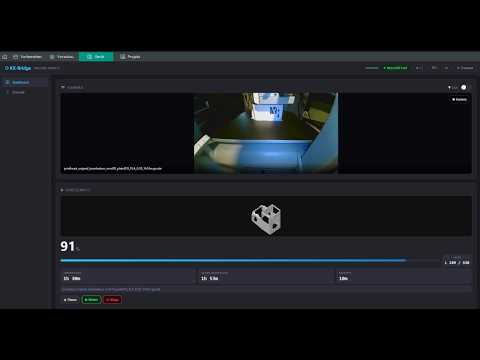](https://www.youtube.com/watch?v=1Ql4wfH27fM)
|
||||
|
||||
---
|
||||
|
||||
## ⚠️ Update von 0.9.1 oder älter
|
||||
|
||||
Ab **0.9.2** speichert KX-Bridge Einstellungen in `config/config.ini` statt in `.env`.
|
||||
@@ -110,7 +126,8 @@ docker-compose down
|
||||
## Fehlerbehebung
|
||||
|
||||
**„Falsche MQTT-Zugangsdaten"** beim Start:
|
||||
- AnycubicSlicerNext neu starten, Drucker verbinden, `extract_credentials` erneut ausführen
|
||||
- `fetch_credentials --ip <Drucker-IP> --write-config` erneut ausführen und Bridge neu starten
|
||||
- Wenn IP unbekannt: AnycubicSlicerNext neu starten, Drucker verbinden, `extract_credentials` erneut ausführen
|
||||
- Nur die IP-Adresse ins Feld eintragen, keinen Port (✗ `192.168.1.102:9883` → ✓ `192.168.1.102`)
|
||||
|
||||
**Drucker nicht gefunden / kein LAN-Modus:**
|
||||
@@ -135,3 +152,9 @@ sudo usermod -aG docker $USER # dann neu einloggen
|
||||
## Lizenz & Rechtliches
|
||||
|
||||
Interoperabilitätsforschung gem. §69e UrhG — ausschließlich private, nicht-kommerzielle Nutzung.
|
||||
|
||||
<p align="center">
|
||||
<a href="https://ko-fi.com/viewitde">
|
||||
<img src="https://ko-fi.com/img/githubbutton_sm.svg" alt="Ko-fi Support"/>
|
||||
</a>
|
||||
</p>
|
||||
|
||||
14
README.md
14
README.md
@@ -2,7 +2,7 @@
|
||||
|
||||
# KX-Bridge – Anycubic Kobra X
|
||||
|
||||
**Version:** 0.9.2
|
||||
**Version:** 0.9.8
|
||||
|
||||
Control your **Anycubic Kobra X** with OrcaSlicer — no Klipper, no Raspberry Pi.
|
||||
KX-Bridge is a Moonraker-compatible bridge that communicates directly with the printer.
|
||||
@@ -46,6 +46,12 @@ Printer → Connection type **Moonraker** → Host: `http://BRIDGE-IP:7125`
|
||||
|
||||
---
|
||||
|
||||
## 📺 Video Tutorial
|
||||
|
||||
[](https://www.youtube.com/watch?v=1Ql4wfH27fM)
|
||||
|
||||
---
|
||||
|
||||
## ⚠️ Upgrading from 0.9.1 or earlier
|
||||
|
||||
Starting with **0.9.2**, KX-Bridge stores settings in `config/config.ini` instead of `.env`.
|
||||
@@ -135,3 +141,9 @@ sudo usermod -aG docker $USER # then log out and back in
|
||||
## License
|
||||
|
||||
Interoperability research under §69e UrhG — private, non-commercial use only.
|
||||
|
||||
<p align="center">
|
||||
<a href="https://ko-fi.com/viewitde">
|
||||
<img src="https://ko-fi.com/img/githubbutton_sm.svg" alt="Ko-fi Support"/>
|
||||
</a>
|
||||
</p>
|
||||
|
||||
36
config/config.ini.example
Normal file
36
config/config.ini.example
Normal file
@@ -0,0 +1,36 @@
|
||||
# KX-Bridge Konfigurationsdatei
|
||||
# Kopiere diese Datei nach config.ini und trage deine Werte ein:
|
||||
# cp config.ini.example config.ini
|
||||
#
|
||||
# Credentials automatisch eintragen:
|
||||
# python3 tools/fetch_credentials.py --ip 192.168.x.x --write-config
|
||||
# Alternativ (Windows, ohne Drucker-IP bekannt):
|
||||
# extract_credentials.exe --write-env (liest aus laufendem AnycubicSlicerNext)
|
||||
|
||||
[connection]
|
||||
# IP-Adresse des Druckers im lokalen Netzwerk
|
||||
printer_ip = 192.168.x.x
|
||||
|
||||
# MQTT-Port (Anycubic Kobra X Standard: 9883)
|
||||
mqtt_port = 9883
|
||||
|
||||
# MQTT-Zugangsdaten (druckerspezifisch, beginnt mit "user")
|
||||
username = userXXXXXXXXXX
|
||||
password = XXXXXXXXXXXXXXX
|
||||
|
||||
# Geräte-ID (32-stelliger Hex-String, druckerspezifisch)
|
||||
device_id = xxxxxxxxxxxxxxxxxxxxxxxxxxxxxxxx
|
||||
|
||||
# Modell-ID (Kobra X Standard: 20030)
|
||||
mode_id = 20030
|
||||
|
||||
[print]
|
||||
# Standard-AMS-Slot für Einfarbdruck (auto = alle belegten Slots, 0-3 = fixer Slot)
|
||||
default_ams_slot = auto
|
||||
|
||||
# Auto-Leveling vor jedem Druck (1 = an, 0 = aus)
|
||||
auto_leveling = 1
|
||||
|
||||
[bridge]
|
||||
# Poll-Intervall in Sekunden
|
||||
poll_interval = 3
|
||||
@@ -57,8 +57,9 @@ def _load_config_file(path: pathlib.Path):
|
||||
"MQTT_PASSWORD": (CONFIG_SECTION_CONNECTION, "password"),
|
||||
"MODE_ID": (CONFIG_SECTION_CONNECTION, "mode_id"),
|
||||
"DEVICE_ID": (CONFIG_SECTION_CONNECTION, "device_id"),
|
||||
"DEFAULT_AMS_SLOT": (CONFIG_SECTION_PRINT, "default_ams_slot"),
|
||||
"AUTO_LEVELING": (CONFIG_SECTION_PRINT, "auto_leveling"),
|
||||
"DEFAULT_AMS_SLOT": (CONFIG_SECTION_PRINT, "default_ams_slot"),
|
||||
"AUTO_LEVELING": (CONFIG_SECTION_PRINT, "auto_leveling"),
|
||||
"BRIDGE_PRINTER_NAME": (CONFIG_SECTION_BRIDGE, "printer_name"),
|
||||
}
|
||||
for env_key, (section, option) in mapping.items():
|
||||
if env_key not in os.environ:
|
||||
@@ -128,6 +129,39 @@ elif _env_path:
|
||||
_config_path = _target
|
||||
|
||||
|
||||
def list_printers() -> list[dict]:
|
||||
"""Liest alle [printer_N]-Sektionen aus config.ini.
|
||||
|
||||
Jede Sektion kann folgende Keys haben:
|
||||
name, printer_ip, mqtt_port, username, password, mode_id, device_id,
|
||||
bridge_url, default_ams_slot, auto_leveling
|
||||
|
||||
Gibt eine leere Liste zurück wenn keine [printer_N]-Sektionen vorhanden sind
|
||||
(Single-Printer-Betrieb via [connection]).
|
||||
"""
|
||||
path = _find_config_file()
|
||||
if not path:
|
||||
return []
|
||||
cfg = configparser.ConfigParser()
|
||||
cfg.read(path, encoding="utf-8")
|
||||
printers: list[dict] = []
|
||||
idx = 1
|
||||
while True:
|
||||
section = f"printer_{idx}"
|
||||
if not cfg.has_section(section):
|
||||
break
|
||||
p = dict(cfg[section])
|
||||
p.setdefault("id", str(idx))
|
||||
if "mqtt_port" in p:
|
||||
try:
|
||||
p["mqtt_port"] = int(p["mqtt_port"])
|
||||
except ValueError:
|
||||
p["mqtt_port"] = 9883
|
||||
printers.append(p)
|
||||
idx += 1
|
||||
return printers
|
||||
|
||||
|
||||
def get(key: str, default: str = "") -> str:
|
||||
return os.environ.get(key, default)
|
||||
|
||||
|
||||
@@ -4,9 +4,10 @@ services:
|
||||
build: .
|
||||
volumes:
|
||||
- ./config:/app/config
|
||||
- ./data:/app/data
|
||||
- ./.env:/app/.env:ro
|
||||
ports:
|
||||
- "7125:7125"
|
||||
- "7125-7130:7125-7130"
|
||||
restart: unless-stopped
|
||||
logging:
|
||||
driver: json-file
|
||||
|
||||
397
fetch_credentials.py
Normal file
397
fetch_credentials.py
Normal file
@@ -0,0 +1,397 @@
|
||||
#!/usr/bin/env python3
|
||||
"""
|
||||
fetch_credentials.py – Fetches and decrypts Anycubic Kobra X credentials via HTTP API.
|
||||
|
||||
Original approach by bebu (PR #19, KX-Bridge-Release).
|
||||
Reverse engineered from the Vue project embedded in libWorkbench.so (Anycubic Slicer Next).
|
||||
No running slicer required — only the printer IP in LAN.
|
||||
|
||||
Algorithm: AES-256-CBC
|
||||
Key: token[16:32] from /info response
|
||||
IV: response token from /ctrl response
|
||||
|
||||
Usage:
|
||||
python3 fetch_credentials.py --ip 192.168.x.x
|
||||
python3 fetch_credentials.py --ip 192.168.x.x --write-config
|
||||
python3 fetch_credentials.py --ip 192.168.x.x --write-config --config-file ../config/config.ini
|
||||
python3 fetch_credentials.py --ctrl ctrl.json --info info.json
|
||||
"""
|
||||
|
||||
import json
|
||||
import sys
|
||||
import base64
|
||||
import hashlib
|
||||
import argparse
|
||||
import os
|
||||
import time
|
||||
import random
|
||||
import string
|
||||
import requests
|
||||
from pathlib import Path
|
||||
from Crypto.Cipher import AES
|
||||
from Crypto.Util.Padding import unpad
|
||||
|
||||
|
||||
def evp_bytes_to_key(password, salt, key_len, iv_len):
|
||||
"""
|
||||
Derive key and IV from password and salt using OpenSSL EVP_BytesToKey
|
||||
This mimics the CryptoJS default key derivation
|
||||
"""
|
||||
m = []
|
||||
i = 0
|
||||
while len(b''.join(m)) < (key_len + iv_len):
|
||||
md5 = hashlib.md5()
|
||||
data = password + salt
|
||||
if i > 0:
|
||||
data = m[i - 1] + password + salt
|
||||
md5.update(data)
|
||||
m.append(md5.digest())
|
||||
i += 1
|
||||
ms = b''.join(m)
|
||||
return ms[:key_len], ms[key_len:key_len + iv_len]
|
||||
|
||||
|
||||
def generate_signature(token, ts, nonce):
|
||||
"""
|
||||
Generate MD5 signature for /ctrl endpoint
|
||||
Signature = md5(md5(token[0:16]) + ts + nonce)
|
||||
"""
|
||||
# First MD5: token.slice(0, 16)
|
||||
first_md5 = hashlib.md5(token[:16].encode('utf-8')).hexdigest()
|
||||
# Second MD5: first_md5 + ts + nonce
|
||||
signature_data = first_md5 + str(ts) + nonce
|
||||
signature = hashlib.md5(signature_data.encode('utf-8')).hexdigest()
|
||||
return signature
|
||||
|
||||
|
||||
def generate_nonce(length=6):
|
||||
"""Generate a random alphanumeric nonce"""
|
||||
chars = string.ascii_letters + string.digits
|
||||
return ''.join(random.choice(chars) for _ in range(length))
|
||||
|
||||
|
||||
def fetch_from_http(ip, port, endpoint, token=None, did="random", verbose=False):
|
||||
"""
|
||||
Fetch data from HTTP endpoint on the printer
|
||||
|
||||
Args:
|
||||
ip (str): IP address of the printer
|
||||
port (int): Port number (default 18910)
|
||||
endpoint (str): Either 'info' or 'ctrl'
|
||||
token (str): Device token (required for /ctrl endpoint)
|
||||
did (str): Device ID (required for /ctrl endpoint)
|
||||
verbose (bool): Print debug information
|
||||
|
||||
Returns:
|
||||
dict: JSON response data
|
||||
"""
|
||||
try:
|
||||
if endpoint == 'info':
|
||||
url = f"http://{ip}:{port}/info"
|
||||
if verbose:
|
||||
print(f"Fetching: {url}")
|
||||
response = requests.get(url, timeout=10)
|
||||
response.raise_for_status()
|
||||
return response.json()
|
||||
|
||||
elif endpoint == 'ctrl':
|
||||
if not token:
|
||||
raise ValueError("Token is required for /ctrl endpoint")
|
||||
|
||||
# Generate signature parameters
|
||||
ts = int(time.time() * 1000) # Current timestamp in ms
|
||||
nonce = generate_nonce(6)
|
||||
signature = generate_signature(token, ts, nonce)
|
||||
|
||||
url = f"http://{ip}:{port}/ctrl"
|
||||
params = {
|
||||
'ts': ts,
|
||||
'nonce': nonce,
|
||||
'sign': signature,
|
||||
'did': did
|
||||
}
|
||||
|
||||
if verbose:
|
||||
print(f"Fetching: {url}")
|
||||
print(f" Parameters:")
|
||||
print(f" ts: {ts}")
|
||||
print(f" nonce: {nonce}")
|
||||
print(f" sign: {signature}")
|
||||
print(f" did: {did}")
|
||||
|
||||
response = requests.post(url, params=params, timeout=10)
|
||||
response.raise_for_status()
|
||||
return response.json()
|
||||
|
||||
else:
|
||||
raise ValueError(f"Unknown endpoint: {endpoint}")
|
||||
|
||||
except requests.exceptions.RequestException as e:
|
||||
raise Exception(f"HTTP request failed for {endpoint}: {e}")
|
||||
except json.JSONDecodeError as e:
|
||||
raise Exception(f"Invalid JSON response from {endpoint}: {e}")
|
||||
|
||||
|
||||
def decrypt_text(encrypted_data, key, iv):
|
||||
"""
|
||||
Decrypt data using AES-256-CBC
|
||||
Handles CryptoJS-style encrypted data (OpenSSL format with salt)
|
||||
|
||||
Args:
|
||||
encrypted_data (str): Encrypted data string (CryptoJS format)
|
||||
key (str): Decryption key string
|
||||
iv (str): Initialization vector string
|
||||
|
||||
Returns:
|
||||
dict: Decrypted JSON data
|
||||
"""
|
||||
try:
|
||||
# Convert key and IV to bytes
|
||||
key_bytes = key.encode('utf-8')
|
||||
iv_bytes = iv.encode('utf-8')
|
||||
|
||||
# Decrypt using direct key and IV (as per the original code)
|
||||
cipher = AES.new(key_bytes, AES.MODE_CBC, iv_bytes)
|
||||
|
||||
# The encrypted_data might be base64 or hex encoded
|
||||
# Try base64 first
|
||||
try:
|
||||
encrypted_bytes = base64.b64decode(encrypted_data)
|
||||
except:
|
||||
try:
|
||||
# Try as hex
|
||||
encrypted_bytes = bytes.fromhex(encrypted_data)
|
||||
except:
|
||||
# If all else fails, encode as UTF-8
|
||||
encrypted_bytes = encrypted_data.encode('utf-8')
|
||||
|
||||
# Decrypt
|
||||
decrypted = cipher.decrypt(encrypted_bytes)
|
||||
|
||||
# Try to unpad
|
||||
try:
|
||||
unpadded = unpad(decrypted, AES.block_size)
|
||||
except ValueError:
|
||||
# If unpadding fails, use as-is
|
||||
unpadded = decrypted
|
||||
|
||||
plaintext = unpadded.decode('utf-8')
|
||||
|
||||
# Parse JSON
|
||||
return json.loads(plaintext)
|
||||
|
||||
except Exception as e:
|
||||
return {"error": str(e), "error_type": type(e).__name__}
|
||||
|
||||
|
||||
def main():
|
||||
"""Main function to decrypt printer data"""
|
||||
|
||||
# Parse command-line arguments
|
||||
parser = argparse.ArgumentParser(
|
||||
description='Fetch and decrypt Anycubic Kobra X credentials via HTTP API',
|
||||
)
|
||||
# HTTP mode
|
||||
parser.add_argument('--ip', help='IP address of the printer')
|
||||
parser.add_argument('--port', type=int, default=18910, help='Printer HTTP port (default: 18910)')
|
||||
|
||||
# File mode
|
||||
parser.add_argument('--ctrl', default='ctrl.json', help='Path to ctrl.json (default: ctrl.json)')
|
||||
parser.add_argument('--info', default='info.json', help='Path to info.json (default: info.json)')
|
||||
|
||||
# Output
|
||||
parser.add_argument('--output', default=None, help='Save raw decrypted JSON to file (optional)')
|
||||
parser.add_argument('--write-config', action='store_true',
|
||||
help='Write credentials to config.ini')
|
||||
parser.add_argument('--config-file', default=None,
|
||||
help='Path to config.ini (default: ../config/config.ini relative to this script)')
|
||||
parser.add_argument('--verbose', '-v', action='store_true', help='Verbose output')
|
||||
|
||||
args = parser.parse_args()
|
||||
|
||||
# Determine mode: HTTP or file
|
||||
if args.ip:
|
||||
# HTTP mode: fetch from printer
|
||||
if args.verbose:
|
||||
print("=" * 70)
|
||||
print("Fetching configuration from printer via HTTP")
|
||||
print("=" * 70)
|
||||
print(f"Printer IP: {args.ip}:{args.port}")
|
||||
print()
|
||||
|
||||
try:
|
||||
# Fetch info.json
|
||||
if args.verbose:
|
||||
print("Step 1: Fetching device info...")
|
||||
info = fetch_from_http(args.ip, args.port, 'info', verbose=args.verbose)
|
||||
|
||||
# Get token from info
|
||||
token = info.get('token')
|
||||
if not token:
|
||||
print("Error: No token found in /info response", file=sys.stderr)
|
||||
return 1
|
||||
|
||||
# Fetch data.json (encrypted config) from /ctrl endpoint
|
||||
if args.verbose:
|
||||
print("\nStep 2: Fetching encrypted configuration from /ctrl...")
|
||||
data = fetch_from_http(args.ip, args.port, 'ctrl', token=token, verbose=args.verbose)
|
||||
|
||||
if args.verbose:
|
||||
print("\nData fetched successfully!")
|
||||
|
||||
except Exception as e:
|
||||
print(f"Error: {e}", file=sys.stderr)
|
||||
return 1
|
||||
|
||||
else:
|
||||
# File mode: load from disk
|
||||
if args.verbose:
|
||||
print("=" * 70)
|
||||
print("Loading configuration from files")
|
||||
print("=" * 70)
|
||||
|
||||
# Check if input files exist
|
||||
if not Path(args.ctrl).exists():
|
||||
print(f"Error: {args.ctrl} not found", file=sys.stderr)
|
||||
return 1
|
||||
if not Path(args.info).exists():
|
||||
print(f"Error: {args.info} not found", file=sys.stderr)
|
||||
return 1
|
||||
|
||||
# Read ctrl.json
|
||||
try:
|
||||
with open(args.ctrl, 'r') as f:
|
||||
data = json.load(f)
|
||||
except json.JSONDecodeError as e:
|
||||
print(f"Error reading {args.ctrl}: {e}", file=sys.stderr)
|
||||
return 1
|
||||
except Exception as e:
|
||||
print(f"Error reading {args.ctrl}: {e}", file=sys.stderr)
|
||||
return 1
|
||||
|
||||
# Read info.json
|
||||
try:
|
||||
with open(args.info, 'r') as f:
|
||||
info = json.load(f)
|
||||
except json.JSONDecodeError as e:
|
||||
print(f"Error reading {args.info}: {e}", file=sys.stderr)
|
||||
return 1
|
||||
except Exception as e:
|
||||
print(f"Error reading {args.info}: {e}", file=sys.stderr)
|
||||
return 1
|
||||
|
||||
# Extract values
|
||||
try:
|
||||
encrypted_info = data['data']['info']
|
||||
response_token = data['data']['token']
|
||||
full_token = info['token']
|
||||
except KeyError as e:
|
||||
print(f"Error: Missing required key {e}", file=sys.stderr)
|
||||
return 1
|
||||
|
||||
# Generate decryption key and IV
|
||||
key_part = full_token[16:32]
|
||||
|
||||
if args.verbose:
|
||||
print("=" * 70)
|
||||
print("Printer Configuration Decryption")
|
||||
print("=" * 70)
|
||||
print(f"Input data file: {args.ctrl}")
|
||||
print(f"Input info file: {args.info}")
|
||||
print(f"Output file: {args.output}")
|
||||
print()
|
||||
print("Decryption Parameters:")
|
||||
print(f" Encrypted data length: {len(encrypted_info)} bytes")
|
||||
print(f" Full token: {full_token}")
|
||||
print(f" Full token length: {len(full_token)} characters")
|
||||
print(f" Response token (IV): {response_token}")
|
||||
print(f" Decryption key: {key_part}")
|
||||
print(f" Key length: {len(key_part)} characters")
|
||||
print(f" IV length: {len(response_token)} characters")
|
||||
print()
|
||||
|
||||
# Decrypt
|
||||
if args.verbose:
|
||||
print("Decrypting...")
|
||||
|
||||
result = decrypt_text(encrypted_info, key_part, response_token)
|
||||
|
||||
if 'error' in result:
|
||||
print(f"Error during decryption: {result.get('error')}", file=sys.stderr)
|
||||
return 1
|
||||
|
||||
# Show result
|
||||
print()
|
||||
print("=" * 55)
|
||||
print(" CREDENTIALS")
|
||||
print("=" * 55)
|
||||
print(f" {'Printer IP':12s} {result.get('ip', 'n/a')}")
|
||||
print(f" {'Username':12s} {result.get('username', 'n/a')}")
|
||||
print(f" {'Password':12s} {result.get('password', 'n/a')}")
|
||||
print(f" {'Device-ID':12s} {result.get('deviceId', 'n/a')}")
|
||||
print(f" {'Mode-ID':12s} {result.get('modeId', 'n/a')}")
|
||||
print(f" {'Model':12s} {result.get('modelName', 'n/a')}")
|
||||
print(f" {'Broker':12s} {result.get('broker', 'n/a')}")
|
||||
print("=" * 55)
|
||||
|
||||
if args.verbose:
|
||||
print()
|
||||
print("Full decrypted config:")
|
||||
# Strip certs/keys from verbose output to avoid cluttering terminal
|
||||
display = {k: v for k, v in result.items() if k not in ('devicecrt', 'devicepk')}
|
||||
print(json.dumps(display, indent=2))
|
||||
|
||||
# Optionally save raw JSON
|
||||
if args.output:
|
||||
try:
|
||||
with open(args.output, 'w') as f:
|
||||
json.dump(result, f, indent=2)
|
||||
print(f"\nRaw config saved to: {args.output}")
|
||||
except Exception as e:
|
||||
print(f"Error writing to {args.output}: {e}", file=sys.stderr)
|
||||
return 1
|
||||
|
||||
# Write config.ini
|
||||
if args.write_config:
|
||||
if args.config_file:
|
||||
config_path = args.config_file
|
||||
else:
|
||||
config_path = os.path.join(os.path.dirname(os.path.abspath(__file__)),
|
||||
'..', 'config', 'config.ini')
|
||||
config_path = os.path.normpath(config_path)
|
||||
|
||||
_write_config_ini(result, config_path)
|
||||
else:
|
||||
print(f"\nTip: pass --write-config to write credentials directly to config.ini")
|
||||
|
||||
return 0
|
||||
|
||||
|
||||
def _write_config_ini(result: dict, config_path: str):
|
||||
"""Write fetched credentials into config.ini, preserving existing non-credential keys."""
|
||||
import configparser
|
||||
|
||||
cfg = configparser.ConfigParser()
|
||||
|
||||
if os.path.isfile(config_path):
|
||||
cfg.read(config_path)
|
||||
|
||||
if not cfg.has_section('connection'):
|
||||
cfg.add_section('connection')
|
||||
|
||||
cfg.set('connection', 'printer_ip', result.get('ip', ''))
|
||||
cfg.set('connection', 'mqtt_port', '9883')
|
||||
cfg.set('connection', 'username', result.get('username', ''))
|
||||
cfg.set('connection', 'password', result.get('password', ''))
|
||||
cfg.set('connection', 'device_id', result.get('deviceId', ''))
|
||||
cfg.set('connection', 'mode_id', result.get('modeId', '20030'))
|
||||
|
||||
os.makedirs(os.path.dirname(config_path), exist_ok=True)
|
||||
with open(config_path, 'w') as f:
|
||||
cfg.write(f)
|
||||
|
||||
print(f"\n✓ Credentials written to '{config_path}'.")
|
||||
|
||||
|
||||
if __name__ == '__main__':
|
||||
sys.exit(main())
|
||||
@@ -309,7 +309,7 @@ class KobraXClient:
|
||||
data.get("curr_hotbed_temp", "?"), data.get("target_hotbed_temp", 0))
|
||||
else:
|
||||
log.info("RX %-25s state=%-12s data=%s",
|
||||
suffix, state, json.dumps(payload.get("data"), ensure_ascii=False)[:120])
|
||||
suffix, state, json.dumps(payload.get("data"), ensure_ascii=False))
|
||||
|
||||
# Resolve by report topic suffix (e.g. "info/report")
|
||||
if suffix in self._pending_report:
|
||||
@@ -366,7 +366,7 @@ class KobraXClient:
|
||||
topic = self._pub_topic(msg_type)
|
||||
log.info("TX %-25s action=%-12s data=%s",
|
||||
f"{msg_type}/request", action,
|
||||
json.dumps(data, ensure_ascii=False)[:120] if data else "null")
|
||||
json.dumps(data, ensure_ascii=False) if data else "null")
|
||||
try:
|
||||
with self._lock:
|
||||
self._sock.sendall(_build_publish(topic, payload))
|
||||
@@ -414,7 +414,7 @@ class KobraXClient:
|
||||
topic = self._web_topic(msg_type)
|
||||
log.info("TX(web) %-23s action=%-12s data=%s",
|
||||
f"{msg_type}/request", action,
|
||||
json.dumps(data, ensure_ascii=False)[:120] if data else "null")
|
||||
json.dumps(data, ensure_ascii=False) if data else "null")
|
||||
try:
|
||||
with self._lock:
|
||||
self._sock.sendall(_build_publish(topic, payload))
|
||||
@@ -523,7 +523,7 @@ class KobraXClient:
|
||||
|
||||
sock = socket.create_connection((self.host, 18910), timeout=30)
|
||||
sock.sendall(headers + body)
|
||||
sock.settimeout(10)
|
||||
sock.settimeout(120) # große GCode-Dateien brauchen Zeit bis der Drucker antwortet
|
||||
response = b""
|
||||
try:
|
||||
while True:
|
||||
|
||||
File diff suppressed because it is too large
Load Diff
@@ -1,2 +1,4 @@
|
||||
aiohttp>=3.9
|
||||
imageio-ffmpeg>=0.4.9
|
||||
requests>=2.30.0
|
||||
pycryptodome>=3.20.0
|
||||
|
||||
9
start.sh
9
start.sh
@@ -15,6 +15,15 @@ if [[ ! -f .env ]]; then
|
||||
fi
|
||||
fi
|
||||
|
||||
# config/ Verzeichnis und config.ini.example anlegen falls nicht vorhanden
|
||||
mkdir -p config
|
||||
if [[ ! -f config/config.ini ]] && [[ ! -f config/config.ini.example ]]; then
|
||||
if [[ -f config.ini.example ]]; then
|
||||
cp config.ini.example config/config.ini.example
|
||||
echo "[start] config/config.ini.example aus config.ini.example erstellt"
|
||||
fi
|
||||
fi
|
||||
|
||||
# Docker verfügbar?
|
||||
if ! docker info > /dev/null 2>&1; then
|
||||
echo "[start] Docker nicht gefunden – bitte Docker installieren."
|
||||
|
||||
Reference in New Issue
Block a user