Compare commits
27 Commits
| Author | SHA1 | Date | |
|---|---|---|---|
| 6ab5c31035 | |||
| 55acd323f4 | |||
| c22e0d0919 | |||
| 2e4dbf0da1 | |||
| 701ef0d516 | |||
| f76c059fca | |||
| 49c2fe5a7a | |||
| cda0e984ec | |||
| 5311d74fd0 | |||
| 1c18a85021 | |||
| ebb48aac82 | |||
| cdf11f6bfe | |||
| 2b2d5ee0a7 | |||
| ce670f5f93 | |||
| 5eeed97514 | |||
| ce71299896 | |||
| 7e33cc9eda | |||
| 5a44d0abab | |||
| 23e3831232 | |||
| f54783ad16 | |||

|
b37dfb4dcf | ||
| 52baaa8f70 | |||
| ecc53cd7cb | |||
| 0a9bf6def6 | |||
| 36cb97038f | |||
| 157517ffb4 | |||
| 71664e7e8b |

96
.gitea/workflows/testing.yml
Normal file
96
.gitea/workflows/testing.yml
Normal file
@@ -0,0 +1,96 @@
|
||||
name: Testing Build
|
||||
|
||||
# Isolierter Test-Kanal: baut ausschließlich das Docker-Image
|
||||
# gitea.it-drui.de/viewit/kx-bridge:testing (+ :testing-<shortsha>).
|
||||
#
|
||||
# Bewusst KEIN Gitea-Release, KEIN Tag, KEIN Rück-Push in irgendeinen Branch -
|
||||
# damit ein Push nach `testing` niemals nightly oder master berührt (und
|
||||
# umgekehrt: nightly.yml/release.yml/pr-check.yml triggern nicht auf
|
||||
# `testing`-Pushes, da sie an nightly / v*-Tags / PRs-gegen-nightly gebunden
|
||||
# sind). Der Workflow schreibt nie ins Repo zurück.
|
||||
|
||||
on:
|
||||
push:
|
||||
branches:
|
||||
- testing
|
||||
paths:
|
||||
- '**.py'
|
||||
- 'Dockerfile'
|
||||
- 'requirements.txt'
|
||||
- 'web/**'
|
||||
- 'data/**'
|
||||
- '.gitea/workflows/testing.yml'
|
||||
workflow_dispatch:
|
||||
|
||||
jobs:
|
||||
build:
|
||||
runs-on: server-runner
|
||||
steps:
|
||||
- name: Checkout
|
||||
run: |
|
||||
if [ -d .git ]; then
|
||||
git fetch origin testing
|
||||
git reset --hard origin/testing
|
||||
git clean -fd
|
||||
else
|
||||
git clone --branch testing https://gitea.it-drui.de/viewit/KX-Bridge-Release.git .
|
||||
fi
|
||||
|
||||
- name: Install Docker CLI
|
||||
run: |
|
||||
if ! command -v docker >/dev/null 2>&1; then
|
||||
ARCH=$(uname -m)
|
||||
if [ "$ARCH" = "x86_64" ]; then
|
||||
DARCH="x86_64"
|
||||
BARCH="amd64"
|
||||
else
|
||||
DARCH="aarch64"
|
||||
BARCH="arm64"
|
||||
fi
|
||||
wget -qO- "https://download.docker.com/linux/static/stable/${DARCH}/docker-27.5.1.tgz" \
|
||||
| tar xz --strip-components=1 -C /usr/local/bin docker/docker
|
||||
chmod +x /usr/local/bin/docker
|
||||
mkdir -p /usr/local/lib/docker/cli-plugins
|
||||
wget -qO /usr/local/lib/docker/cli-plugins/docker-buildx \
|
||||
"https://github.com/docker/buildx/releases/download/v0.23.0/buildx-v0.23.0.linux-${BARCH}"
|
||||
chmod +x /usr/local/lib/docker/cli-plugins/docker-buildx
|
||||
fi
|
||||
docker version --format '{{.Client.Version}}'
|
||||
|
||||
- name: Set up QEMU
|
||||
run: |
|
||||
docker run --rm --privileged tonistiigi/binfmt:latest --install all
|
||||
|
||||
- name: Set up buildx
|
||||
run: |
|
||||
docker buildx inspect kxbuilder 2>/dev/null || \
|
||||
docker buildx create --name kxbuilder --use
|
||||
docker buildx use kxbuilder
|
||||
|
||||
- name: Login to Gitea registry
|
||||
run: |
|
||||
echo "${{ secrets.REGISTRY_TOKEN }}" | \
|
||||
docker login gitea.it-drui.de -u "${{ secrets.REGISTRY_USER }}" --password-stdin
|
||||
|
||||
- name: Compute testing version
|
||||
run: |
|
||||
# Reiner Commit-SHA-Suffix - keine Tag-Zähllogik, keine Stable-Tag-
|
||||
# Abhängigkeit, kein Commit. Nur die VERSION-Datei im Arbeitsverzeichnis.
|
||||
VERSION="testing-$(git rev-parse --short HEAD)"
|
||||
echo "VERSION=${VERSION}" > /tmp/testing_version.env
|
||||
echo "Computed testing version: ${VERSION}"
|
||||
|
||||
- name: Build & push (amd64 + arm64)
|
||||
run: |
|
||||
. /tmp/testing_version.env
|
||||
# VERSION-Datei nur im Arbeitsverzeichnis für den Docker-Build setzen
|
||||
# (KEIN Commit, KEIN Push).
|
||||
echo "$VERSION" > VERSION
|
||||
docker buildx build \
|
||||
--platform linux/amd64,linux/arm64,linux/arm/v7 \
|
||||
--push \
|
||||
--provenance=false \
|
||||
--no-cache \
|
||||
-t "gitea.it-drui.de/viewit/kx-bridge:testing" \
|
||||
-t "gitea.it-drui.de/viewit/kx-bridge:${VERSION}" \
|
||||
.
|
||||
256
API.md
Normal file
256
API.md
Normal file
@@ -0,0 +1,256 @@
|
||||
# KX-Bridge HTTP API Reference
|
||||
|
||||
This document lists the HTTP and WebSocket surface exposed by
|
||||
`kobrax_moonraker_bridge.py`. It is a reference for integrators and
|
||||
plugin authors, not a tutorial — for day-to-day usage of the bridge see
|
||||
[MANUAL.md](MANUAL.md), and for setup see [README.md](README.md).
|
||||
|
||||
The API has two distinct parts:
|
||||
|
||||
1. **Moonraker-compatible surface** — a subset of the real
|
||||
[Moonraker](https://moonraker.readthedocs.io/) HTTP + WebSocket API,
|
||||
implemented just far enough to make Mainsail, Fluidd, OrcaSlicer, and
|
||||
`moonraker-obico` work against the Kobra X. **This is not a full
|
||||
Moonraker implementation** — many real Moonraker endpoints/methods do
|
||||
not exist here, and some responses are static stubs that exist only
|
||||
to stop a client from erroring/looping (noted below).
|
||||
2. **Bridge-specific surface** — `/api/...` and `/kx/...` endpoints for
|
||||
things Moonraker has no concept of: multi-printer management, AMS/ACE
|
||||
filament control, the GCode store, custom filament profile import,
|
||||
Spoolman, and the smart-plug power switch.
|
||||
|
||||
## Security
|
||||
|
||||
**There is no authentication on any endpoint.** The bridge is designed
|
||||
to be run on a trusted local network only. Do not expose port `7125`
|
||||
(or any additional per-printer port) to the internet — anyone who can
|
||||
reach the port can control the printer, read/delete files, and read
|
||||
`/kx/printers` credentials indirectly through bridge behavior. `/access/api_key`
|
||||
returns a hardcoded dummy value purely so `moonraker-obico` doesn't warn;
|
||||
it is not a real credential.
|
||||
|
||||
CORS is enabled (`_json_cors` / `handle_kx_options` add
|
||||
`Access-Control-Allow-*` headers and answer `OPTIONS` with 204) so the
|
||||
Web UI can call sibling bridge instances directly in multi-printer setups.
|
||||
|
||||
---
|
||||
|
||||
## Moonraker-compatible endpoints (HTTP)
|
||||
|
||||
All responses follow Moonraker's `{"result": {...}}` envelope unless noted.
|
||||
|
||||
| Method | Path | Purpose | Notes |
|
||||
|---|---|---|---|
|
||||
| GET | `/server/info` | Server/klippy status | Always reports `klippy_connected: true`, `klippy_state: "ready"` |
|
||||
| GET | `/printer/info` | Printer identity | Static hostname/paths; `software_version` from `KLIPPER_VERSION` |
|
||||
| GET | `/machine/system_info` | System info stub | Mostly static/placeholder fields |
|
||||
| GET | `/printer/objects/list` | List available printer objects | Keys of `_build_printer_objects()` |
|
||||
| GET | `/printer/objects/query?objects=...` | Query object status | Comma-separated `objects` query param, or bare query keys |
|
||||
| GET`/POST` | `/printer/objects/subscribe` | Subscribe (HTTP polling variant) | Returns full status snapshot immediately |
|
||||
| GET | `/server/files/list` | List gcode files | Only returns the single currently-tracked file (if any) |
|
||||
| GET | `/server/files/metadata?filename=...` | File metadata (layers, est. time, etc.) | Shared logic with WS `server.files.metadata`; falls back to GCode store / buried-report cache |
|
||||
| POST | `/server/files/upload` | Upload a gcode file (multipart) | Same handler as `/api/files/local` |
|
||||
| POST | `/printer/print/start?filename=...` | Start a print | Body may include `filament_assignments`, `excluded_objects`, `auto_leveling` |
|
||||
| POST | `/printer/print/pause` | Pause current print | |
|
||||
| POST | `/printer/print/resume` | Resume current print | |
|
||||
| POST | `/printer/print/cancel` | Cancel current print | |
|
||||
| GET | `/access/api_key` | Dummy API key | No real auth exists |
|
||||
| GET | `/machine/update/status` | Update-manager stub | Always `busy: false`, empty `version_info` |
|
||||
| GET | `/server/history/list?limit=` | Print job history | Backed by the bridge's own GCodeStore/job DB |
|
||||
| GET | `/server/webcams/list` | Webcam descriptor | Rewrites `localhost`/`127.0.0.1` Host header to the bridge's LAN IP so remote Obico/Mainsail instances get a reachable URL |
|
||||
| POST | `/printer/gcode/script` | Execute a (very limited) gcode command | See `_exec_gcode_script`; not a general gcode interpreter |
|
||||
| GET | `/server/database/item?namespace=&key=` | Moonraker "database" KV read | Real payload only for `lane_data` (AMS/filament sync for OrcaSlicer); stub/empty responses for `AFC`, `afc-install`, `happy_hare`, `mainsail`; in-memory KV for `obico` |
|
||||
| POST | `/server/database/item` | Moonraker "database" KV write | In-memory only (not persisted across restarts); used by `moonraker-obico` for its own settings |
|
||||
| GET | `/server/database/list` | List KV namespaces | Static: `["lane_data", "mainsail", "obico"]` |
|
||||
|
||||
### OctoPrint-compatibility shim
|
||||
|
||||
| Method | Path | Purpose |
|
||||
|---|---|---|
|
||||
| GET | `/api/version` | OctoPrint-style version probe (some tools check this instead of Moonraker) |
|
||||
| POST | `/api/files/local`, `/api/files/{path}` | Alias for the same multipart upload handler as `/server/files/upload` |
|
||||
|
||||
### WebSocket JSON-RPC (`/websocket`)
|
||||
|
||||
Moonraker's JSON-RPC 2.0 protocol over a single `/websocket` endpoint. On
|
||||
connect the bridge immediately pushes `notify_klippy_ready` and then
|
||||
periodic `notify_status_update` notifications. Supported `method` values:
|
||||
|
||||
| Method | Purpose |
|
||||
|---|---|
|
||||
| `printer.info` / `printer_info` | Same payload as `/printer/info` |
|
||||
| `server.info` / `server_info` | Same payload as `/server/info` |
|
||||
| `printer.objects.list` | Same as HTTP equivalent |
|
||||
| `printer.objects.query` / `printer.objects.get` | Object status by requested keys |
|
||||
| `printer.objects.subscribe` | Returns a status snapshot (no real push subscription semantics — status pushes happen automatically via `notify_status_update`) |
|
||||
| `printer.print.start` | `params.filename` |
|
||||
| `printer.print.pause` / `.resume` / `.cancel` | |
|
||||
| `machine.system_info` | Minimal stub |
|
||||
| `server.files.list` | Always returns `[]` over WS (unlike the HTTP version) |
|
||||
| `printer.gcode.script` | `params.script`, same limited executor as the HTTP endpoint |
|
||||
| `server.connection.identify` | Returns a dummy `connection_id` for Obico's handshake |
|
||||
| `connection.register_remote_method` | Accepted and ignored (Obico registers a remote-event callback) |
|
||||
| `server.webcams.list` | Same shape as HTTP, using the bridge's own LAN IP |
|
||||
| `server.history.list` | Job history, same source as `/server/history/list` |
|
||||
| `machine.update.status` | Stub |
|
||||
| `server.files.metadata` | Same logic as `/server/files/metadata` |
|
||||
|
||||
Any other method is logged and answered with an empty `result: {}` — it
|
||||
does not error, to avoid breaking clients that probe for optional
|
||||
methods.
|
||||
|
||||
---
|
||||
|
||||
## Bridge-specific endpoints
|
||||
|
||||
All `/kx/...` (and most `/api/...`) responses use `{"result": ...}` on
|
||||
success and `{"error": "..."}` with a 4xx/5xx status on failure, except
|
||||
where noted.
|
||||
|
||||
### Printer control (`/api/...`)
|
||||
|
||||
| Method | Path | Purpose | Body / Query |
|
||||
|---|---|---|---|
|
||||
| POST | `/api/light` | Toggle chamber light | `{on, brightness}` |
|
||||
| POST | `/api/fan` | Set part-cooling fan speed | `{speed}` (0–100) |
|
||||
| POST | `/api/connect` | Manually (re)connect the MQTT client | — |
|
||||
| POST | `/api/disconnect` | Manually disconnect | — |
|
||||
| POST | `/api/restart` | Restart the bridge process | — |
|
||||
| POST | `/api/speed` | Set print speed mode | `{mode}` (int) |
|
||||
| POST | `/api/axis` | Jog an axis, or `{"action":"turnoff"}` to disable steppers | `{axis, move_type, distance}` |
|
||||
| POST | `/api/temperature` | Set nozzle/bed target temps | `{nozzle?, bed?}`; uses a different MQTT path mid-print vs. idle |
|
||||
| GET | `/api/state` | Full dashboard status snapshot | Primary polling endpoint used by the Web UI |
|
||||
| GET | `/api/camera` | Current camera stream URL | |
|
||||
| GET | `/api/camera/stream` | MJPEG live view | `multipart/x-mixed-replace`, fed from a shared ffmpeg fanout |
|
||||
| GET | `/api/camera/h264` | Raw H.264 stream (for Obico) | |
|
||||
| GET | `/api/camera/snapshot` | Last cached JPEG frame | Instant, served from RAM |
|
||||
| POST | `/api/camera/start` / `/api/camera/stop` / `/api/camera/reset` | Camera lifecycle control | `reset` clears the 429 backoff and restarts ffmpeg |
|
||||
| GET | `/api/settings` | Read current config.ini-backed settings | |
|
||||
| POST | `/api/settings` | Write settings, then restart the bridge | See config fields below |
|
||||
| GET | `/api/update/check` | Check Gitea releases for a newer version | Branches on nightly/dev/stable channel |
|
||||
| POST | `/api/update/apply` | Self-update (non-Docker builds only) | `{tag}` |
|
||||
| POST | `/api/file_ready/clear` | Dismiss the "file ready to print" banner/dialog state | |
|
||||
| GET | `/api/log/stream` | Server-Sent Events log tail | |
|
||||
| GET | `/api/log/download` | Download buffered log as plaintext | |
|
||||
| GET | `/serve/{filename}` | Internal file server used to hand the printer a URL to fetch gcode from | Not meant for direct browser use |
|
||||
|
||||
**`/api/settings` fields** (POST body, all optional — merges into
|
||||
existing config.ini): `printer_ip`, `mqtt_port`, `username`, `password`,
|
||||
`mode_id`, `device_id`, `power_on_url`, `power_off_url`,
|
||||
`power_status_url`, `default_ams_slot`, `auto_leveling`,
|
||||
`vibration_compensation`, `camera_on_print`, `web_upload_warning`,
|
||||
`print_start_dialog`, `poll_interval`, `verbose_http_log`,
|
||||
`printer_name`, `spoolman_server`, `spoolman_sync_rate`,
|
||||
`ace_dry_presets`.
|
||||
|
||||
### AMS / ACE filament control (`/api/...`)
|
||||
|
||||
| Method | Path | Purpose | Body |
|
||||
|---|---|---|---|
|
||||
| POST | `/api/ams/set_slot` | Set material type + color for a slot | `{index, type, color:[r,g,b]}` |
|
||||
| POST | `/api/ams/feed` | Feed filament in/out | `{slot_index, type}` (1=feed in, 2=feed out) |
|
||||
| POST | `/api/ace/auto_feed` | Toggle auto-feed for an ACE unit | `{ace_id, on}` |
|
||||
| POST | `/api/ace/dry` | Start/stop the ACE dryer | `{action: "start"|"stop", ace_id?, target_temp?, duration?}` |
|
||||
|
||||
### GCode store (bridge-managed uploads) (`/kx/files...`)
|
||||
|
||||
| Method | Path | Purpose |
|
||||
|---|---|---|
|
||||
| GET | `/kx/files` | List files the bridge has stored, with last-print status/duration |
|
||||
| DELETE | `/kx/files/{file_id}` | Delete a stored file |
|
||||
| GET | `/kx/files/{file_id}/download` | Download a stored file |
|
||||
| POST | `/kx/files/{file_id}/verify` | Clear the "web upload, unverified" flag |
|
||||
| GET | `/kx/files/{id}/objects` | Print-object list + SVG preview (for the pre-print skip feature) |
|
||||
| GET | `/kx/history?limit=&offset=` | Paginated print job history |
|
||||
|
||||
### Files on the printer's own storage (`/kx/printer-files...`)
|
||||
|
||||
Distinct from the GCode store above — these list/manage files that live
|
||||
on the printer's internal storage (e.g. printed directly from Anycubic
|
||||
Slicer Next, bypassing the bridge).
|
||||
|
||||
| Method | Path | Purpose |
|
||||
|---|---|---|
|
||||
| GET | `/kx/printer-files` | List files via the printer's `file/listLocal` MQTT action |
|
||||
| POST | `/kx/printer-files/delete` | Delete one or more files: `{"filenames": [...]}` (single endpoint for single + bulk delete) |
|
||||
| GET | `/kx/printer-files/{filename}/thumbnail` | Fetch (and cache) a file's embedded gcode thumbnail via `file/fileDetails` |
|
||||
|
||||
### Printing (`/kx/print`)
|
||||
|
||||
| Method | Path | Purpose | Body |
|
||||
|---|---|---|---|
|
||||
| POST | `/kx/print` | Start a print from a stored GCode-store file | `{file_id, filament_assignments?, excluded_objects?, auto_leveling?}` |
|
||||
|
||||
`filament_assignments` is `[{slot_index, material, color_hex}, ...]`; if
|
||||
omitted, all currently-occupied AMS slots are auto-mapped.
|
||||
|
||||
### Pre-print / mid-print object skip (`/kx/skip...`)
|
||||
|
||||
| Method | Path | Purpose |
|
||||
|---|---|---|
|
||||
| POST | `/kx/skip` | Skip named objects mid-print: `{"names": [...]}` |
|
||||
| POST | `/kx/skip/query` | Re-request the object list from the printer and return merged skip state |
|
||||
| GET | `/kx/skip/state` | Current skip state (object list, already-skipped names, SVG, filename) |
|
||||
|
||||
### Filament profiles (`/kx/filament/...`)
|
||||
|
||||
| Method | Path | Purpose | Body / Query |
|
||||
|---|---|---|---|
|
||||
| GET | `/kx/filament/slots` | Current AMS slot contents + any user profile override | |
|
||||
| GET | `/kx/filament/profiles?type=&vendor=` | Curated OrcaSlicer filament profile catalog (system + user-imported) | Optional filters |
|
||||
| GET | `/kx/filament/profiles/user` | User-imported profiles only (for the settings management list) | |
|
||||
| POST | `/kx/filament/profiles/user` | Import profiles from a ZIP or `.json` file(s) (multipart) | Multipart field `file`/`files`/`upload`; ZIP entries or bare `.json`, parsed via `orca_filaments.parse_profile_bytes` |
|
||||
| DELETE | `/kx/filament/profiles/user?vendor=&name=` | Delete one user profile (both params) or all (no params) | |
|
||||
| POST | `/kx/filament/slots/{idx}/profile` | Assign (or clear) a fixed profile override for one AMS slot | `{vendor, name}`; empty strings clear the mapping. Selector is `(vendor, name)`, not `id` — IDs are not unique across the Orca profile catalog |
|
||||
| GET`/POST` | `/kx/filament/visible_vendors` | Get/set the vendor visibility filter for the slot profile dropdown | POST body `{"vendors": [...]}`; empty list = show all |
|
||||
|
||||
### Spoolman integration (`/kx/spoolman/...`)
|
||||
|
||||
| Method | Path | Purpose |
|
||||
|---|---|---|
|
||||
| GET | `/kx/spoolman/status` | Whether Spoolman is configured/reachable, server URL, sync rate, current slot→spool map |
|
||||
| GET | `/kx/spoolman/spools` | Proxied list of spools from the configured Spoolman server |
|
||||
| POST | `/kx/spoolman/active-spool` | Assign spool IDs to AMS slots: `{"slot_map": {"0": 42, "2": 17}}` (AMS slot index → Spoolman spool ID) |
|
||||
|
||||
### Multi-printer management (`/kx/printers...`)
|
||||
|
||||
| Method | Path | Purpose | Body |
|
||||
|---|---|---|---|
|
||||
| GET | `/kx/printers` | List all configured printers with online-ish metadata | |
|
||||
| POST | `/kx/printers/add` | Add a printer by IP (credentials auto-fetched from the printer) | `{printer_ip, name?}` — triggers a bridge restart |
|
||||
| DELETE | `/kx/printers/{pid}` | Remove a printer from config; renumbers remaining `[printer_N]` sections | — triggers a bridge restart |
|
||||
| POST | `/kx/printers/{pid}/power` | Toggle an external smart plug (Tasmota-style) for a printer | `{"action": "on"|"off"}` |
|
||||
| GET | `/kx/printers/{pid}/power-status` | Query the smart plug's current on/off state | |
|
||||
|
||||
**Power switch is not the printer's own power state** — it's a plain
|
||||
`GET` fired at a user-configured `power_on_url` / `power_off_url` /
|
||||
`power_status_url` (e.g. a Tasmota `cmnd=Power%20on` URL). See
|
||||
[MANUAL.md](MANUAL.md#power-switch-feature) for details.
|
||||
It only exists for printers where `power_on_url` or `power_off_url` is
|
||||
set in config; `/kx/printers` exposes this as `has_power_control`.
|
||||
|
||||
### Misc
|
||||
|
||||
| Method | Path | Purpose |
|
||||
|---|---|---|
|
||||
| GET | `/kx/ui/{name}` | Serves theme assets (JS/CSS/vendored libs) and translation JSON files under the active UI theme |
|
||||
| GET | `/` , `/printer{N}` | Serves the Web UI (index.html with CSS/JS inlined for embedded-webview compatibility, e.g. OrcaSlicer's device tab) |
|
||||
| GET | `/favicon.ico` | Favicon |
|
||||
|
||||
---
|
||||
|
||||
## Response conventions
|
||||
|
||||
- Moonraker-compatible endpoints wrap results as `{"result": {...}}` (or
|
||||
`{"error": {"code": ..., "message": ...}}` for the `/server/database/*`
|
||||
404 case) to match the real Moonraker schema.
|
||||
- Bridge-specific `/api/...` and `/kx/...` endpoints generally return
|
||||
`{"result": ...}` on success and `{"error": "message"}` with a
|
||||
non-2xx HTTP status on failure — but this is not universal; check the
|
||||
handler in `kobrax_moonraker_bridge.py` if exact shape matters (route
|
||||
registrations are near the end of the file, search for
|
||||
`r.add_get(`/`r.add_post(`/`r.add_delete(`).
|
||||
- Endpoints that trigger a config write (`/api/settings`,
|
||||
`/kx/printers/add`, `/kx/printers/{pid}` DELETE) restart the whole
|
||||
bridge process shortly after responding — clients should expect a
|
||||
brief connection drop.
|
||||
@@ -9,6 +9,7 @@ RUN pip install --no-cache-dir -r requirements.txt && \
|
||||
apt-get purge -y gcc python3-dev && apt-get autoremove -y && rm -rf /var/lib/apt/lists/*
|
||||
|
||||
COPY kobrax_moonraker_bridge.py .
|
||||
COPY bridge_*.py .
|
||||
COPY web/ ./web/
|
||||
# Statische Daten (orca_filaments.json etc.) liegen in /app/static/, NICHT in
|
||||
# /app/data/ — letzteres wird vom User als Volume gemountet (Runtime-State).
|
||||
@@ -17,6 +18,12 @@ COPY config_loader.py .
|
||||
COPY env_loader.py .
|
||||
COPY kobrax_client.py .
|
||||
COPY orca_filaments.py .
|
||||
COPY spoolman_client.py .
|
||||
COPY kxgauge_client.py .
|
||||
COPY gcode_store.py .
|
||||
COPY gcode_meta.py .
|
||||
COPY camera.py .
|
||||
COPY credentials.py .
|
||||
COPY VERSION .
|
||||
COPY anycubic_slicer.crt .
|
||||
COPY anycubic_slicer.key .
|
||||
|
||||
330
MANUAL.md
Normal file
330
MANUAL.md
Normal file
@@ -0,0 +1,330 @@
|
||||
# KX-Bridge User Manual
|
||||
|
||||
This is a day-to-day how-to guide for using KX-Bridge once it's running.
|
||||
For installing/updating the bridge itself, see [README.md](README.md).
|
||||
For the HTTP/WebSocket API (developers, plugin authors, integrators), see
|
||||
[API.md](API.md).
|
||||
|
||||
---
|
||||
|
||||
## Getting Started
|
||||
|
||||
### Install and start the bridge
|
||||
|
||||
Follow the Quick Start in [README.md](README.md#-quick-start) — the short
|
||||
version is:
|
||||
|
||||
```bash
|
||||
docker compose up -d
|
||||
```
|
||||
|
||||
then open `http://BRIDGE-IP:7125` in a browser.
|
||||
|
||||
### Connect to your printer for the first time
|
||||
|
||||
1. On the printer's display: **Settings → Enable LAN mode**.
|
||||
2. In the bridge Web UI, the **Printers** tab shows **"+ Add printer"** on
|
||||
first start. Click it, enter the printer's IP address, and confirm —
|
||||
username, password and device ID are fetched from the printer and
|
||||
decrypted automatically. No manual credential entry needed.
|
||||
3. Click **⚡ Connect** in the top-right corner to open the
|
||||
connection. The status badge next to it shows the current printer state
|
||||
(Standby, Printing, …).
|
||||
|
||||
### Connect OrcaSlicer
|
||||
|
||||
In OrcaSlicer, set the printer's connection type to **Moonraker** and enter
|
||||
`http://BRIDGE-IP:7125` as the host (full URL including `http://` and the
|
||||
port). See the [Recommended Slicer](README.md#-recommended-slicer) section
|
||||
of the README for the patched OrcaSlicer-KX build with proper per-slot
|
||||
filament matching.
|
||||
|
||||
---
|
||||
|
||||
## Dashboard Overview
|
||||
|
||||
The Dashboard is the main screen and is made of movable/resizable tiles
|
||||
("cards"). Click **🖉 Customize dashboard** (top right
|
||||
of the dashboard) to enter edit mode: drag tiles to reorder, drag corners to
|
||||
resize, then save the arrangement as a named **preset** via the preset
|
||||
dropdown, or reset back to the default layout.
|
||||
|
||||
The default tiles are:
|
||||
|
||||
- **Camera** — live view from the printer's camera, with a light toggle and
|
||||
a play/stop button. A small ↺ reset button appears if the stream needs to
|
||||
reconnect (e.g. after a 429 rate-limit from the printer).
|
||||
- **Progress** — print percentage, a thumbnail of the current file, current
|
||||
layer, current Z-height, elapsed/remaining time, and the file name.
|
||||
While printing this card shows **Pause**, **Objects** (partial cancel, see
|
||||
[Printing](#printing)) and **Stop** buttons. When a file is loaded but not
|
||||
yet started, it instead shows **Print**, **Assign Slots**, and **Clear**.
|
||||
- **Temperatures** — current and target nozzle/bed temperature with
|
||||
progress bars, quick "Set"/"Off" controls, and a rolling history chart of
|
||||
the last 60 readings.
|
||||
- **Axis control** — jog buttons for X/Y/Z, adjustable step size (0.1 / 1 /
|
||||
5 / 10 mm or a custom value), Home XY, Home Z, Home All, and Motors Off.
|
||||
- **Print Speed** — three presets (Quiet / Normal / Sport) matching the
|
||||
printer's own speed modes.
|
||||
- **Fan** — a slider plus quick buttons (0/25/50/75/100%) for the part-cooling
|
||||
fan.
|
||||
- **Filament / AMS** — one tile per AMS/ACE slot showing assigned material,
|
||||
color and (if configured) the mapped OrcaSlicer profile. Click a slot to
|
||||
open its edit dialog (see [Managing Filaments](#managing-filaments)).
|
||||
If an ACE dryer is attached and active, a separate drying-status row
|
||||
appears below the grid.
|
||||
|
||||
Two banners can appear above the dashboard: an upload-ready banner when a
|
||||
GCode file finishes uploading (with Print / Assign Slots / Cancel actions),
|
||||
and a pause-reason banner when the printer pauses itself (e.g. filament
|
||||
runout).
|
||||
|
||||
---
|
||||
|
||||
## Printing
|
||||
|
||||
### Uploading GCode
|
||||
|
||||
Open the **Browser** tab (sidebar) → **Uploaded** sub-tab, and
|
||||
either drag a `.gcode`/`.bgcode` file onto the drop zone or click it to pick
|
||||
a file. Uploaded files get thumbnails (if embedded by the slicer), a search
|
||||
box, a status filter (All / Successful / Failed / New) and a sort order
|
||||
(date, name, print duration). Select the checkbox on a card to enter
|
||||
multi-select mode for bulk deletion.
|
||||
|
||||
If you configured file-ready mode as "Print dialog" (see
|
||||
[Settings Reference](#settings-reference)), a dialog opens right after
|
||||
upload offering to start the print immediately or assign AMS slots first.
|
||||
With "banner" mode you instead get a persistent banner at
|
||||
the top of the screen with the same choices, so you can keep browsing
|
||||
before deciding.
|
||||
|
||||
### Starting a print / assigning filament
|
||||
|
||||
When starting a file that uses multiple filament channels (AMS/ACE slots),
|
||||
the **filament assignment dialog** opens automatically (or via "Assign
|
||||
Slots"). It lets you:
|
||||
|
||||
- Map each GCode filament channel to a physical AMS/ACE slot, with a
|
||||
mismatch warning if a channel's expected material/color doesn't match
|
||||
what's actually loaded in the slot you pick.
|
||||
- Expand **✂ Skip objects** to deselect specific
|
||||
printable objects (for multi-object plates) before the print starts —
|
||||
the same object list and skip mechanism is also available mid-print from
|
||||
the Progress card's "Objects" button.
|
||||
- Toggle **Auto-Leveling** for this print.
|
||||
- If Spoolman is configured, assign a specific spool to each slot right
|
||||
from this dialog.
|
||||
|
||||
Confirm with **▶ Print** to send the job to the printer.
|
||||
|
||||
### Print-start behavior settings
|
||||
|
||||
Under **Settings → Printer** you can control default behavior for
|
||||
every print:
|
||||
|
||||
- **Default slot (single-color print)** —
|
||||
which AMS slot to use automatically for single-material files.
|
||||
- **Auto-leveling before print** — run bed leveling before every print.
|
||||
- **Resonance compensation before print** — run input-shaper calibration
|
||||
before every print.
|
||||
- **After upload: print-start behavior**
|
||||
— dialog vs. banner, as described above.
|
||||
- **Turn camera on at print start** —
|
||||
auto-start the camera stream whenever a print begins.
|
||||
- **Show warning for web-upload
|
||||
prints** — an extra confirmation step for files uploaded through the
|
||||
browser rather than sliced directly for this printer, to catch
|
||||
wrong-printer-profile mistakes.
|
||||
|
||||
### While printing
|
||||
|
||||
The Progress card provides **Pause/Resume**, **Stop** (with a confirmation
|
||||
prompt), and **Objects** to skip specific objects on a multi-object plate
|
||||
mid-print.
|
||||
|
||||
---
|
||||
|
||||
## Managing Filaments
|
||||
|
||||
### AMS / ACE slots
|
||||
|
||||
Each slot tile on the Dashboard can be opened (click it) to edit:
|
||||
|
||||
- **Color** — via a color picker, recent-color swatches, or "copy color
|
||||
from slot" to match another slot.
|
||||
- **Material** — quick buttons for common materials, or free text.
|
||||
- **OrcaSlicer profile override** — pick a specific imported or built-in
|
||||
OrcaSlicer filament profile for this slot. This is what gets sent to the
|
||||
slicer during AMS sync instead of a generic "Generic PLA/PETG" fallback
|
||||
(see the README's [OrcaSlicer-KX](README.md#-recommended-slicer) section
|
||||
for why this matters).
|
||||
- A **feed** button to extrude/load filament for that slot directly from
|
||||
the UI.
|
||||
|
||||
If your printer has an ACE dryer unit, an additional drying panel appears
|
||||
below the AMS grid when drying is active, and slot edit dialogs let you
|
||||
configure drying **presets**: PLA, PLA+, PETG, TPU, ABS/ASA, PA/PC, and
|
||||
three freely-nameable Custom presets, each with its own temperature
|
||||
(30–80 °C) and remaining-time (h:m:s) setting. Presets can be edited and
|
||||
saved, or reset back to their defaults.
|
||||
|
||||
### Importing your own OrcaSlicer profiles
|
||||
|
||||
Under **Settings → Filament → OrcaSlicer-Profile** (or from the "★ Own
|
||||
profiles" link inside a slot's profile dropdown), open the import dialog
|
||||
and either drag a **ZIP** of your OrcaSlicer filament folder onto the drop
|
||||
zone, or upload individual **.json** profile files. In OrcaSlicer, that
|
||||
folder is reachable via **Help → Show Configuration Folder →
|
||||
user/<id>/filament/**. Imported profiles show up in every slot's profile
|
||||
dropdown under a "★ Own profiles" group and can be removed again from the
|
||||
same import dialog's list.
|
||||
|
||||
### Filament-profile mapping and visible vendors
|
||||
|
||||
Still under **Settings → Filament**:
|
||||
|
||||
- **Filament profile mapping (per
|
||||
slot)** — pin a fixed OrcaSlicer profile to each AMS slot so the bridge
|
||||
always reports that profile during slicer sync, regardless of what
|
||||
material/color is currently loaded.
|
||||
- **Visible vendors** — restrict which vendors show
|
||||
up in the slot profile dropdown (useful if you only ever use a handful of
|
||||
brands); leaving nothing selected shows all vendors. "Generic" and your
|
||||
own imported profiles are always visible regardless of this filter.
|
||||
|
||||
### Spoolman integration
|
||||
|
||||
Configure the Spoolman server URL under **Settings → Integrations →
|
||||
Spoolman** (e.g. `http://spoolman:7912`) and a sync rate in seconds (`0`
|
||||
means "sync only when a print finishes"). Once connected, a
|
||||
**Spoolman — Slot assignment** panel appears under
|
||||
**Settings → Filament**, letting you assign a specific spool from your
|
||||
Spoolman inventory to each AMS slot. Filament usage is then tracked and
|
||||
reported to Spoolman automatically as you print, and the filament
|
||||
assignment dialog shown when starting a print also lets you pick/confirm
|
||||
spools per slot at print time.
|
||||
|
||||
---
|
||||
|
||||
## Multi-Printer Setup
|
||||
|
||||
KX-Bridge can manage several printers from one running instance.
|
||||
|
||||
- **Add a printer:** go to the **Printers** tab and click
|
||||
**"+ Add printer"**. Enter the IP (name is
|
||||
optional); credentials are fetched automatically, same as during first
|
||||
setup. Each additional printer gets its own port (7126, 7127, …).
|
||||
- **Switch printers:** use the dropdown in the header (next to the printer
|
||||
name), or open the **Printers** tab and click **"Switch"**
|
||||
on any non-active printer's card. Each card also shows live status
|
||||
(state, current file, progress bar, nozzle/bed temperature) fetched
|
||||
directly from that printer's own bridge instance.
|
||||
- **Remove a printer:** click the **✕** button on its card in the
|
||||
**Printers** tab; you'll be asked to confirm.
|
||||
|
||||
---
|
||||
|
||||
## Power Switch Feature
|
||||
|
||||
The power switch feature lets the bridge turn an external **smart plug**
|
||||
on or off, and query its state — it is **not** a connection to the
|
||||
printer's own internal power management, since the printer has no
|
||||
remotely controllable power state of its own. You need a smart plug
|
||||
(commonly a Tasmota-flashed plug) wired between the wall outlet and the
|
||||
printer's power supply, reachable over HTTP from the bridge.
|
||||
|
||||
Configure it under **Settings → Connection**, in the "Power Switch" card,
|
||||
with three
|
||||
URLs:
|
||||
|
||||
- **Power-On URL** — called to switch the plug on.
|
||||
- **Power-Off URL** — called to switch the plug off.
|
||||
- **Status URL** — polled to show the current on/off state.
|
||||
|
||||
For a Tasmota device, these are typically of the form:
|
||||
|
||||
```
|
||||
http://192.168.x.x/cm?cmnd=Power%20on
|
||||
http://192.168.x.x/cm?cmnd=Power%20off
|
||||
http://192.168.x.x/cm?cmnd=Power
|
||||
```
|
||||
|
||||
replacing `192.168.x.x` with the smart plug's own IP address (not the
|
||||
printer's). Once configured, a 🔌 power icon appears next to that
|
||||
printer's card in the **Printers** tab; click it to toggle the plug.
|
||||
Turning it off asks for confirmation, since it will cut power to whatever
|
||||
is plugged in — make sure nothing is printing first. The icon's color
|
||||
reflects the last known state (green = on, gray = off) as reported by the
|
||||
status URL.
|
||||
|
||||
---
|
||||
|
||||
## Settings Reference
|
||||
|
||||
Settings are organized into tabs on the **Settings** panel:
|
||||
|
||||
- **Connection** — printer name, printer IP, MQTT port,
|
||||
MQTT username/password, device ID and mode ID (normally filled in
|
||||
automatically by "Add printer"), plus the Power Switch URLs described
|
||||
above.
|
||||
- **Printer** — default slot for single-color prints,
|
||||
auto-leveling and resonance-compensation defaults, upload/print-start
|
||||
behavior, camera auto-start, and the web-upload confirmation warning
|
||||
(see [Printing](#printing)).
|
||||
- **Display** — UI language (DE/EN/ES/FR/IT/中文), light/dark
|
||||
theme toggle, how often the bridge polls the printer for status updates,
|
||||
and a verbose HTTP request logging toggle for troubleshooting.
|
||||
- **Filament** — OrcaSlicer profile import, per-slot profile mapping,
|
||||
visible-vendor filtering, and (if Spoolman is connected) the Spoolman
|
||||
slot-assignment panel — all described in
|
||||
[Managing Filaments](#managing-filaments).
|
||||
- **Integrations** — Spoolman server URL and sync rate, and
|
||||
an info box pointing to the `moonraker-obico.cfg` file used to configure
|
||||
Obico (Obico itself is set up outside the bridge UI — see
|
||||
[Camera / OrcaSlicer-KX / Obico](#camera--orcaslicer-kx--obico) below).
|
||||
- **System** — shows the current bridge version and lets you check for and
|
||||
install updates directly from the browser, including a changelog preview.
|
||||
|
||||
Most settings changes are applied via the **Save &
|
||||
Restart** button at the bottom of the Settings panel, which restarts the
|
||||
bridge process to apply them.
|
||||
|
||||
---
|
||||
|
||||
## Troubleshooting Basics
|
||||
|
||||
- **Logs:** the **Console** tab shows a live event log with
|
||||
filters by direction (RX/TX), level (errors/warnings), and topic (AMS,
|
||||
print, info, status), plus a free-text filter and a download button for
|
||||
the full log file.
|
||||
- **"Wrong MQTT credentials" on start:** re-add the printer via
|
||||
"+ Add printer", or see the credential-refresh steps in the README's
|
||||
[Troubleshooting](README.md#-troubleshooting) section.
|
||||
- **Printer not found / no LAN mode:** confirm LAN mode is enabled on the
|
||||
printer's display and that the printer and bridge are on the same
|
||||
network.
|
||||
- **Docker permission errors, upgrading from old versions, and other
|
||||
install-level issues:** see the README's own
|
||||
[Troubleshooting](README.md#-troubleshooting) section.
|
||||
|
||||
For anything not covered here or in the README, please check or open an
|
||||
issue on the project's Gitea page:
|
||||
<https://gitea.it-drui.de/viewit/KX-Bridge-Release/issues>.
|
||||
|
||||
---
|
||||
|
||||
## Camera / OrcaSlicer-KX / Obico
|
||||
|
||||
- **Camera:** the Dashboard's Camera tile plays the printer's live stream
|
||||
directly; no separate setup is required beyond having the printer
|
||||
connected.
|
||||
- **OrcaSlicer-KX:** for filament brand/color to sync correctly into
|
||||
OrcaSlicer's AMS view, use the patched community build — see the
|
||||
README's [Recommended Slicer](README.md#-recommended-slicer) section for
|
||||
the download link and what it changes.
|
||||
- **Obico:** self-hosted failure-detection and time-lapse integration runs
|
||||
through the separate `moonraker-obico` plugin/container, configured via
|
||||
the config file referenced under **Settings → Integrations → Obico**.
|
||||
Full setup instructions live in the README's
|
||||
[Community & Integrations](README.md#-community--integrations) section.
|
||||
@@ -1,2 +1,6 @@
|
||||
## Changes in this build
|
||||
|
||||
- Fix: **combined ACE-RFID filament tags (e.g. "GEEETECH PLA Bas" from third-party RFID tools) still weren't auto-matching to imported OrcaSlicer profiles**, even after the first attempt at this in a previous nightly — the matching logic was only ever wired into the OrcaSlicer slicer-sync endpoint, never into the actual MQTT status path that feeds the dashboard and Happy-Hare gate data, so the dashboard kept showing the raw unmatched RFID string. Centralized the matching so all three places that resolve a slot's filament profile benefit identically. Also added variant-token disambiguation (e.g. "Bas" vs. "Matte") for when a vendor has multiple profiles of the same material, and fixed a related edge case where a manual per-slot override could be incorrectly treated as stale on an RFID-tagged spool (Issue #101, thanks @Blaim for the extensive debugging that pinpointed this).
|
||||
- Feat: new setting under Settings → Print — "Delete file from printer after successful print" — automatically removes a GCode file from the printer's own storage once it finishes printing successfully, keeping only the copy in the bridge's own GCode store. Off by default, and only ever applies to files that were uploaded through the bridge itself (so there's always a backup); files started directly from the printer or Anycubic Slicer are never touched.
|
||||
- Fix: **the dashboard could stay stuck showing a printer as online/"ready" indefinitely after it was physically switched off or unplugged**, discovered while testing the new smart-plug power-switch feature. Root cause was two-fold: the MQTT socket had no TCP keepalive, so a connection killed without a clean close (unplugged, not a graceful shutdown) could look alive to the OS for 15+ minutes; and even once the dead connection was detected, the status poll loop could get stuck waiting on a reconnect attempt that was already running elsewhere, so it never reached the code that flips the dashboard to "offline". Live-tested against a real printer, including that no sockets, threads, or file descriptors are left behind across repeated disconnect/reconnect cycles — a disconnected printer is now detected and reflected on the dashboard within about 15 seconds.
|
||||
- Fix: a range of smaller robustness issues found in an internal code review — a single malformed MQTT message from the printer could get permanently stuck at the front of the receive buffer and force a reconnect on every subsequent poll; concurrent requests of the same type could occasionally have their responses mixed up; the camera stream could leak an orphaned ffmpeg process after a printer reboot rotated its stream URL while a new stream was already starting; `/api/settings` and `/api/update/apply` returned an unhandled server error instead of a clean "invalid request" for a malformed request body; a typo'd numeric value in `config.ini` (e.g. a stray character in the port number) could prevent the bridge from starting at all instead of falling back to the default; and a rare filament-profile-name collision during import is now logged instead of silently resolved. None of these were reported as user-facing bugs — added as defense-in-depth after a targeted review, with new tests covering each case.
|
||||
|
||||
17
README.de.md
17
README.de.md
@@ -23,7 +23,7 @@ Feedback willkommen.</sub>
|
||||
|
||||
[](https://gitea.it-drui.de/viewit/KX-Bridge-Release/releases)
|
||||
|
||||
[](https://www.youtube.com/watch?v=1Ql4wfH27fM)
|
||||
[](https://www.youtube.com/watch?v=E3sDigSeSdM)
|
||||
|
||||
<sub>Gefällt dir KX-Bridge? Ein Kaffee auf <a href="https://ko-fi.com/viewitde">Ko-fi</a> hält das Projekt am Leben. ☕</sub>
|
||||
|
||||
@@ -41,12 +41,16 @@ Feedback willkommen.</sub>
|
||||
| 🖨️ | **Druckersteuerung** — Start, Pause, Resume, Abbruch, Temperaturen, Druckgeschwindigkeit |
|
||||
| 📊 | **Live-Status** — Temperatur, Fortschritt, Layer, Restzeit, Kamera-Stream |
|
||||
| 🎨 | **AMS / Multicolor** — Slots mit **Profil-Picker pro Slot** (eigene Marke aus OrcaSlicer-Profilen pro Slot zuweisen); Bridge schreibt Material und Farbe ans Drucker-Display zurück |
|
||||
| 🏷️ | **Custom-RFID-Tag-Matching** — mit Drittanbieter-Tools (z.B. der „ACE RFID"-App) beschriebene Spulen werden automatisch nach Marke + Material gegen deine importierten OrcaSlicer-Profile gematcht, statt auf ein generisches Profil zurückzufallen |
|
||||
| 📦 | **Eigene OrcaSlicer-Profile importieren** — ZIP aus `~/.config/OrcaSlicer/user/<id>/filament/` in die Bridge ziehen; tauchen im Slot-Dropdown unter ★ Eigene Profile auf |
|
||||
| 🧵 | **Spoolman-Integration** — Spulen einzelnen AMS-Slots zuweisen, Filament-Verbrauch wird automatisch beim Drucken erfasst und synchronisiert |
|
||||
| 🔗 | **Multi-ACE-Unterstützung** — mehrere aneinandergekettete ACE-Einheiten, auch bei Druckern ohne Toolhead-Buffer |
|
||||
| 📷 | **Obico-Integration (experimentell)** — Time-Lapse und WebRTC-Livestream gegen einen selbst gehosteten [Obico-Server](https://github.com/TheSpaghettiDetective/obico-server) via moonraker-obico |
|
||||
| 📐 | **H.264-Direkt-Stream + Z-Höhe** — sparsamer Kamera-Pfad für Obico, aktuelle Z aus der Layer-Höhe abgeleitet (Mm-Progress-Widget) |
|
||||
| 🗂️ | **GCode-Browser** — hochgeladene Dateien mit Thumbnail, Druckhistorie, Suche & Filter |
|
||||
| 📐 | **H.264-Direkt-Stream + Z-Höhe** — sparsamer Kamera-Pfad für Obico, aktuelle Z aus der Layer-Höhe abgeleitet (Mm-Progress-Widget); erholt sich automatisch nach einem Drucker-Reboot mit rotiertem Stream-Token, kein manueller Reset nötig |
|
||||
| 🗂️ | **GCode-Browser** — zwei Tabs: hochgeladene Dateien (mit Thumbnail, Druckhistorie, Suche & Filter, Mehrfachauswahl + Sammel-Löschen) und Dateien direkt auf dem Drucker-Speicher (mit echten Thumbnails, Mehrfachauswahl + Löschen) |
|
||||
| 🧩 | **Multi-Printer** — mehrere Drucker in **einer** Bridge-Instanz, Umschalten per Dropdown |
|
||||
| ➕ | **Drucker hinzufügen per Klick** — nur die IP eingeben, Zugangsdaten werden automatisch importiert |
|
||||
| 🖱️ | **Frei anpassbares Dashboard** — Kacheln per Drag & Drop verschieben und in der Größe anpassen, als Preset speichern |
|
||||
| 🔁 | **Robuster MQTT-Reconnect** — Bridge überlebt nächtlichen Drucker-Reboot ohne manuellen Neustart |
|
||||
| 🌐 | **Mehrsprachiges UI** — DE / EN / ES / FR / IT / 中文, Browser-Sprache automatisch erkannt |
|
||||
| 🔄 | **Self-Update** — neue Versionen direkt im Browser installieren |
|
||||
@@ -68,6 +72,11 @@ LAN-Modus am Kobra X aktivieren:
|
||||
docker compose up -d
|
||||
```
|
||||
|
||||
> Zusätzlich Spoolman und einen kompletten selbst gehosteten Obico-Setup
|
||||
> (Spaghetti-Erkennung, Live-Stream) neben der Bridge? [`docker-compose-KX.yml`](docker-compose-KX.yml)
|
||||
> bündelt KX-Bridge + Spoolman + Obico (Web/ML/Tasks/Redis) + moonraker-obico
|
||||
> in einem Netzwerk — Setup-Schritte in den Kommentaren am Dateianfang.
|
||||
|
||||
**Linux-Binary (kein Docker):**
|
||||
```bash
|
||||
chmod +x kx-bridge && ./kx-bridge
|
||||
@@ -110,7 +119,7 @@ Drucker → Verbindungstyp **Moonraker** → Host: `http://BRIDGE-IP:7125`
|
||||
|
||||
## 📺 Video-Tutorial
|
||||
|
||||
[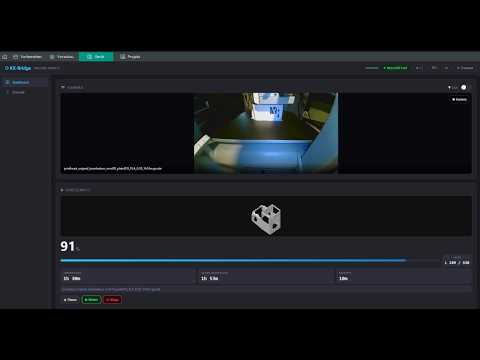](https://www.youtube.com/watch?v=1Ql4wfH27fM)
|
||||
[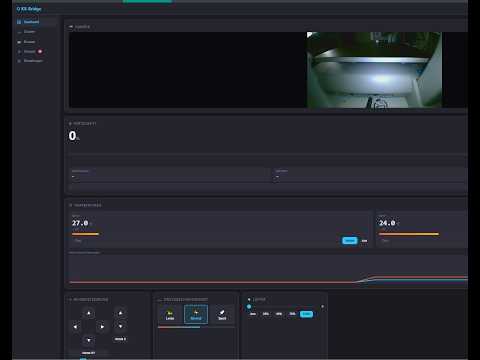](https://www.youtube.com/watch?v=E3sDigSeSdM)
|
||||
|
||||
---
|
||||
|
||||
|
||||
17
README.es.md
17
README.es.md
@@ -22,7 +22,7 @@ ninguna está oficialmente probada ni soportada. Se agradece el feedback.</sub>
|
||||
|
||||
[](https://gitea.it-drui.de/viewit/KX-Bridge-Release/releases)
|
||||
|
||||
[](https://www.youtube.com/watch?v=1Ql4wfH27fM)
|
||||
[](https://www.youtube.com/watch?v=E3sDigSeSdM)
|
||||
|
||||
<sub>¿Te gusta KX-Bridge? Un café en <a href="https://ko-fi.com/viewitde">Ko-fi</a> mantiene el proyecto vivo. ☕</sub>
|
||||
|
||||
@@ -42,12 +42,16 @@ ninguna está oficialmente probada ni soportada. Se agradece el feedback.</sub>
|
||||
| 🖨️ | **Control de impresora** — iniciar, pausar, reanudar, cancelar, temperaturas, velocidad de impresión |
|
||||
| 📊 | **Estado en tiempo real** — temperatura, progreso, capas, tiempo restante, transmisión de cámara |
|
||||
| 🎨 | **AMS / multicolor** — ranuras con **selector de perfil por ranura** (asigna tu propia marca de los perfiles de OrcaSlicer a cada ranura); el puente escribe material y color al display de la impresora |
|
||||
| 🏷️ | **Coincidencia de etiquetas RFID personalizadas** — las bobinas etiquetadas con herramientas de terceros (p. ej. la app "ACE RFID") se emparejan automáticamente por marca + material con tus perfiles de OrcaSlicer importados, en lugar de caer en un perfil genérico |
|
||||
| 📦 | **Importa tus propios perfiles de OrcaSlicer** — arrastra un ZIP de `~/.config/OrcaSlicer/user/<id>/filament/` al puente; aparecen en el desplegable de la ranura bajo ★ Perfiles propios |
|
||||
| 🧵 | **Integración con Spoolman** — asigna bobinas a las ranuras del AMS, el consumo de filamento se registra y sincroniza automáticamente al imprimir |
|
||||
| 🔗 | **Soporte multi-ACE** — múltiples unidades ACE encadenadas, incluso en impresoras sin buffer en el cabezal |
|
||||
| 📷 | **Integración con Obico (experimental)** — Time-Lapse y stream en vivo WebRTC contra un [servidor Obico](https://github.com/TheSpaghettiDetective/obico-server) autoalojado vía moonraker-obico |
|
||||
| 📐 | **Stream H.264 directo + altura Z** — ruta de cámara de bajo consumo de CPU para Obico, Z actual derivada de la altura de capa (widget de progreso) |
|
||||
| 🗂️ | **Explorador de GCode** — archivos subidos con vistas previas, historial de impresión, búsqueda y filtros |
|
||||
| 📐 | **Stream H.264 directo + altura Z** — ruta de cámara de bajo consumo de CPU para Obico, Z actual derivada de la altura de capa (widget de progreso); se recupera automáticamente tras un reinicio de la impresora que rota el token del stream, sin necesidad de reinicio manual |
|
||||
| 🗂️ | **Explorador de GCode** — dos pestañas: archivos subidos (con vistas previas, historial de impresión, búsqueda y filtros, selección múltiple + borrado masivo) y archivos almacenados directamente en la memoria de la impresora (con vistas previas reales, selección múltiple + borrado) |
|
||||
| 🧩 | **Multi-impresora** — múltiples impresoras en **una** instancia del puente, cambia mediante un menú desplegable |
|
||||
| ➕ | **Añade una impresora con un clic** — solo introduce la IP, las credenciales se importan automáticamente |
|
||||
| 🖱️ | **Panel de control libre** — arrastra y redimensiona las tarjetas del panel a tu gusto, guárdalo como preset |
|
||||
| 🔁 | **Reconexión MQTT robusta** — el puente sobrevive a reinicios nocturnos de la impresora sin reinicio manual |
|
||||
| 🌐 | **Interfaz multilingüe** — DE / EN / ES / FR / IT / 中文, detecta automáticamente el idioma del navegador |
|
||||
| 🔄 | **Actualización automática** — instala nuevas versiones directamente desde el navegador |
|
||||
@@ -69,6 +73,11 @@ Activa el modo LAN en la Kobra X:
|
||||
docker compose up -d
|
||||
```
|
||||
|
||||
> ¿Quieres Spoolman y un setup completo de Obico autoalojado (detección de
|
||||
> espagueti, stream en vivo) junto al puente? [`docker-compose-KX.yml`](docker-compose-KX.yml)
|
||||
> combina KX-Bridge + Spoolman + Obico (web/ML/tasks/redis) + moonraker-obico
|
||||
> en una sola red — consulta los comentarios al inicio del archivo para los pasos de configuración.
|
||||
|
||||
**Binario Linux (sin Docker):**
|
||||
```bash
|
||||
chmod +x kx-bridge && ./kx-bridge
|
||||
@@ -111,7 +120,7 @@ Impresora → Tipo de conexión **Moonraker** → Host: `http://IP-DEL-PUENTE:71
|
||||
|
||||
## 📺 Vídeo tutorial
|
||||
|
||||
[](https://www.youtube.com/watch?v=1Ql4wfH27fM)
|
||||
[](https://www.youtube.com/watch?v=E3sDigSeSdM)
|
||||
|
||||
---
|
||||
|
||||
|
||||
19
README.md
19
README.md
@@ -22,7 +22,7 @@ officially tested or supported. Feedback welcome.</sub>
|
||||
|
||||
[](https://gitea.it-drui.de/viewit/KX-Bridge-Release/releases)
|
||||
|
||||
[](https://www.youtube.com/watch?v=1Ql4wfH27fM)
|
||||
[](https://www.youtube.com/watch?v=E3sDigSeSdM)
|
||||
|
||||
<sub>Like KX-Bridge? A coffee on <a href="https://ko-fi.com/viewitde">Ko-fi</a> keeps the project alive. ☕</sub>
|
||||
|
||||
@@ -33,6 +33,8 @@ officially tested or supported. Feedback welcome.</sub>
|
||||
>
|
||||
> 👉 Want to contribute? Please read [CONTRIBUTING.md](CONTRIBUTING.md) first.
|
||||
|
||||
> 📖 Looking for day-to-day usage help? See the [User Manual](MANUAL.md). Building an integration? See the [API Reference](API.md).
|
||||
|
||||
---
|
||||
|
||||
## ✨ Features
|
||||
@@ -42,12 +44,16 @@ officially tested or supported. Feedback welcome.</sub>
|
||||
| 🖨️ | **Printer control** — start, pause, resume, cancel, temperatures, print speed |
|
||||
| 📊 | **Live status** — temperature, progress, layers, remaining time, camera stream |
|
||||
| 🎨 | **AMS / multicolor** — slots with per-slot **profile picker** (assign your own brand from OrcaSlicer profiles per slot); bridge writes material & colour back to the printer display |
|
||||
| 🏷️ | **Custom RFID tag matching** — spools tagged with third-party tools (e.g. the "ACE RFID" app) auto-match vendor + material against your imported OrcaSlicer profiles instead of falling back to a generic default |
|
||||
| 📦 | **Import your own OrcaSlicer profiles** — drag a ZIP from `~/.config/OrcaSlicer/user/<id>/filament/` into the bridge; they show up in the slot dropdown under ★ Own profiles |
|
||||
| 🧵 | **Spoolman integration** — assign spools to AMS slots, filament usage tracked and synced automatically as you print |
|
||||
| 🔗 | **Multi-ACE support** — multiple daisy-chained ACE units, including printers without a toolhead buffer |
|
||||
| 📷 | **Obico integration (experimental)** — Time-Lapse and WebRTC live stream against a self-hosted [Obico server](https://github.com/TheSpaghettiDetective/obico-server) via moonraker-obico |
|
||||
| 📐 | **Direct H.264 stream + Z-height** — low-CPU camera path for Obico, current Z derived from layer-height for the print-progress widget |
|
||||
| 🗂️ | **GCode browser** — uploaded files with thumbnails, print history, search & filter |
|
||||
| 📐 | **Direct H.264 stream + Z-height** — low-CPU camera path for Obico, current Z derived from layer-height for the print-progress widget; auto-recovers after a printer reboot rotates its stream token, no manual reset needed |
|
||||
| 🗂️ | **GCode browser** — two tabs: files you've uploaded (with thumbnails, print history, search & filter, multi-select + bulk delete) and files stored directly on the printer's own storage (with real thumbnails, multi-select + delete) |
|
||||
| 🧩 | **Multi-printer** — multiple printers in **one** bridge instance, switch via dropdown |
|
||||
| ➕ | **Add a printer with one click** — just enter the IP, credentials are imported automatically |
|
||||
| 🖱️ | **Free-form dashboard** — drag & resize the dashboard tiles into your own layout, save it as a preset |
|
||||
| 🔁 | **Robust MQTT reconnect** — bridge survives overnight printer reboots without manual restart |
|
||||
| 🌐 | **Multi-language UI** — DE / EN / ES / FR / IT / 中文, auto-detect browser locale |
|
||||
| 🔄 | **Self-update** — install new versions directly in the browser |
|
||||
@@ -69,6 +75,11 @@ Enable LAN mode on the Kobra X:
|
||||
docker compose up -d
|
||||
```
|
||||
|
||||
> Want Spoolman and a full self-hosted Obico setup (spaghetti detection, live stream)
|
||||
> alongside the bridge? [`docker-compose-KX.yml`](docker-compose-KX.yml) bundles
|
||||
> KX-Bridge + Spoolman + Obico (web/ML/tasks/redis) + moonraker-obico behind one
|
||||
> network — see the file's header comments for setup steps.
|
||||
|
||||
**Linux binary (no Docker):**
|
||||
```bash
|
||||
chmod +x kx-bridge && ./kx-bridge
|
||||
@@ -111,7 +122,7 @@ Printer → Connection type **Moonraker** → Host: `http://BRIDGE-IP:7125`
|
||||
|
||||
## 📺 Video Tutorial
|
||||
|
||||
[](https://www.youtube.com/watch?v=1Ql4wfH27fM)
|
||||
[](https://www.youtube.com/watch?v=E3sDigSeSdM)
|
||||
|
||||
---
|
||||
|
||||
|
||||
862
bridge_ams.py
Normal file
862
bridge_ams.py
Normal file
@@ -0,0 +1,862 @@
|
||||
"""
|
||||
bridge_ams.py - AmsFilamentMixin for KobraXBridge.
|
||||
|
||||
AMS/ACE slot topology + aggregation, per-slot filament-profile resolution
|
||||
(material normalization, RFID vendor matching, effective slot profile),
|
||||
ACE dryer presets, the lane-data builder for OrcaSlicer sync, and the
|
||||
_on_multicolor_box / _on_light MQTT callbacks (which live here because they
|
||||
are all about AMS state). Mixed into KobraXBridge.
|
||||
|
||||
────────────────────────────────────────────────────────────────────────────
|
||||
Copyright (C) 2026 viewit (KX-Bridge contributors)
|
||||
|
||||
Licensed under GPLv3 — see LICENSE in the project root. See NOTICE.md.
|
||||
"""
|
||||
|
||||
import re
|
||||
import time
|
||||
import logging
|
||||
import threading
|
||||
|
||||
log = logging.getLogger("bridge")
|
||||
|
||||
|
||||
class AmsFilamentMixin:
|
||||
def _default_ace_dry_presets(self) -> dict[str, dict]:
|
||||
return {
|
||||
"pla": {"temp": 45, "duration_sec": 4 * 3600},
|
||||
"pla_plus": {"temp": 45, "duration_sec": 4 * 3600},
|
||||
"petg": {"temp": 50, "duration_sec": 4 * 3600},
|
||||
"tpu": {"temp": 55, "duration_sec": 4 * 3600},
|
||||
"abs_asa": {"temp": 45, "duration_sec": 8 * 3600},
|
||||
"pa_pc": {"temp": 55, "duration_sec": 12 * 3600},
|
||||
"custom_1": {"name": "Custom 1", "temp": 45, "duration_sec": 4 * 3600},
|
||||
"custom_2": {"name": "Custom 2", "temp": 45, "duration_sec": 4 * 3600},
|
||||
"custom_3": {"name": "Custom 3", "temp": 45, "duration_sec": 4 * 3600},
|
||||
}
|
||||
|
||||
def _sanitize_ace_dry_presets(self, presets: dict) -> dict[str, dict]:
|
||||
out = self._default_ace_dry_presets()
|
||||
for key in list(out.keys()):
|
||||
src = presets.get(key) if isinstance(presets, dict) else None
|
||||
if not isinstance(src, dict):
|
||||
continue
|
||||
try:
|
||||
t = int(src.get("temp", out[key]["temp"]))
|
||||
except Exception:
|
||||
t = out[key]["temp"]
|
||||
try:
|
||||
d = int(src.get("duration_sec", out[key]["duration_sec"]))
|
||||
except Exception:
|
||||
d = out[key]["duration_sec"]
|
||||
out[key]["temp"] = max(30, min(80, t))
|
||||
out[key]["duration_sec"] = max(10 * 60, min(24 * 3600, d))
|
||||
if key.startswith("custom_"):
|
||||
name = str(src.get("name", out[key].get("name", key.replace("_", " ").title()))).strip()
|
||||
out[key]["name"] = name or out[key].get("name", "Custom")
|
||||
return out
|
||||
|
||||
def _load_ace_dry_presets_config(self) -> dict[str, dict]:
|
||||
import configparser
|
||||
defaults = self._default_ace_dry_presets()
|
||||
cfg_path = self._find_config_path()
|
||||
if not cfg_path.is_file():
|
||||
return defaults
|
||||
cfg = configparser.ConfigParser(interpolation=None)
|
||||
cfg.read(cfg_path, encoding="utf-8")
|
||||
sec = "ace_dry_presets"
|
||||
if not cfg.has_section(sec):
|
||||
return defaults
|
||||
out = {}
|
||||
for key, d in defaults.items():
|
||||
temp_k = f"{key}_temp"
|
||||
dur_k = f"{key}_duration_sec"
|
||||
try:
|
||||
temp = int(cfg.get(sec, temp_k, fallback=str(d["temp"])))
|
||||
except Exception:
|
||||
temp = d["temp"]
|
||||
try:
|
||||
dur = int(cfg.get(sec, dur_k, fallback=str(d["duration_sec"])))
|
||||
except Exception:
|
||||
dur = d["duration_sec"]
|
||||
out[key] = {
|
||||
"temp": max(30, min(80, temp)),
|
||||
"duration_sec": max(10 * 60, min(24 * 3600, dur)),
|
||||
}
|
||||
if key.startswith("custom_"):
|
||||
name_k = f"{key}_name"
|
||||
name = cfg.get(sec, name_k, fallback=str(d.get("name", key.replace("_", " ").title()))).strip()
|
||||
out[key]["name"] = name or str(d.get("name", "Custom"))
|
||||
return out
|
||||
|
||||
@staticmethod
|
||||
def _detect_filament_mode(boxes: list, head_tools_model: int = -1) -> str:
|
||||
"""Detect active filament topology mode.
|
||||
|
||||
Modes:
|
||||
- toolhead: only toolhead slots
|
||||
- ace_direct: ACE channels directly mapped, no toolhead box present.
|
||||
Covers one unit (Kobra X) as well as multiple daisy-chained units
|
||||
(Kobra S1 with 2+ ACE Pro, Issue #95) — each unit contributes a
|
||||
block of 4 global slots at box_id * 4.
|
||||
- ace_hub: toolhead + ACE via hub (slot 4 as hub path)
|
||||
"""
|
||||
toolhead = any(b.get("id") == -1 for b in boxes)
|
||||
ace = any(b.get("id", -1) >= 0 for b in boxes)
|
||||
if ace and toolhead:
|
||||
return "ace_hub"
|
||||
if ace:
|
||||
return "ace_direct"
|
||||
return "toolhead"
|
||||
|
||||
@staticmethod
|
||||
def _aggregate_slots(boxes: list, mode: str = "toolhead") -> tuple:
|
||||
"""Aggregate multi_color_box list into a flat global slot list."""
|
||||
toolhead = next((b for b in boxes if b.get("id") == -1), None)
|
||||
ace_boxes = sorted(
|
||||
[b for b in boxes if b.get("id", -1) >= 0],
|
||||
key=lambda b: b["id"]
|
||||
)
|
||||
|
||||
global_slots: list = []
|
||||
global_loaded: int = -1
|
||||
|
||||
if mode == "toolhead":
|
||||
if toolhead:
|
||||
for local_idx, s in enumerate(toolhead.get("slots") or []):
|
||||
s = dict(s)
|
||||
s["global_index"] = local_idx
|
||||
s["box_id"] = -1
|
||||
global_slots.append(s)
|
||||
loaded = toolhead.get("loaded_slot", -1)
|
||||
if loaded >= 0:
|
||||
global_loaded = loaded
|
||||
return global_slots, global_loaded
|
||||
|
||||
if mode == "ace_direct":
|
||||
# One or more ACE units, no toolhead buffer (Kobra X: 1 unit,
|
||||
# Kobra S1: up to 2+ units, Issue #95). Global index =
|
||||
# box_id * 4 + local slot, so the numbering matches
|
||||
# _global_to_box_slot's //4-%4 fallback and stays stable
|
||||
# regardless of report order.
|
||||
for ace in ace_boxes:
|
||||
ace_id = int(ace["id"])
|
||||
base = ace_id * 4
|
||||
for local_idx, s in enumerate((ace.get("slots") or [])[:4]):
|
||||
s = dict(s)
|
||||
s["global_index"] = base + local_idx
|
||||
s["box_id"] = ace_id
|
||||
global_slots.append(s)
|
||||
ace_loaded = ace.get("loaded_slot", -1)
|
||||
if 0 <= ace_loaded < 4:
|
||||
global_loaded = base + ace_loaded
|
||||
return global_slots, global_loaded
|
||||
|
||||
# ace_hub
|
||||
if toolhead:
|
||||
for local_idx, s in enumerate((toolhead.get("slots") or [])[:3]):
|
||||
s = dict(s)
|
||||
s["global_index"] = local_idx
|
||||
s["box_id"] = -1
|
||||
global_slots.append(s)
|
||||
th_loaded = toolhead.get("loaded_slot", -1)
|
||||
if 0 <= th_loaded <= 2:
|
||||
global_loaded = th_loaded
|
||||
|
||||
for ace in ace_boxes:
|
||||
ace_id = ace["id"]
|
||||
base = 3 + ace_id * 4
|
||||
for local_idx, s in enumerate(ace.get("slots") or []):
|
||||
s = dict(s)
|
||||
s["global_index"] = base + local_idx
|
||||
s["box_id"] = ace_id
|
||||
global_slots.append(s)
|
||||
ace_loaded = ace.get("loaded_slot", -1)
|
||||
if ace_loaded >= 0:
|
||||
global_loaded = base + ace_loaded
|
||||
|
||||
return global_slots, global_loaded
|
||||
|
||||
def _global_to_box_slot(self, global_index: int) -> tuple:
|
||||
"""Convert a global slot index to (box_id, local_slot_index)."""
|
||||
for s in self._ams_slots:
|
||||
if s.get("global_index") == global_index:
|
||||
return s.get("box_id", -1), s.get("index", global_index)
|
||||
|
||||
ace_present = any(s.get("box_id", -1) >= 0 for s in self._ams_slots)
|
||||
if self._filament_mode == "ace_direct" and ace_present:
|
||||
return global_index // 4, global_index % 4
|
||||
if not ace_present or global_index < 3:
|
||||
return -1, global_index
|
||||
offset = global_index - 3
|
||||
return offset // 4, offset % 4
|
||||
|
||||
def _slot_to_print_ams_index(self, global_index: int) -> int:
|
||||
"""Convert UI/global slot index to printer print/start ams_index.
|
||||
|
||||
In ace_hub mode, print/start uses global channel numbering where
|
||||
toolhead channels occupy 1..3 and ACE0 starts at index 4.
|
||||
"""
|
||||
idx = int(global_index)
|
||||
if self._filament_mode == "ace_hub":
|
||||
box_id, local_slot = self._global_to_box_slot(idx)
|
||||
if box_id >= 0:
|
||||
return 4 + box_id * 4 + int(local_slot)
|
||||
return idx
|
||||
return idx
|
||||
|
||||
def _slot_usable_for_print(self, global_index: int) -> bool:
|
||||
"""Whether a global slot can be used for current filament mode."""
|
||||
slot = next((s for s in self._ams_slots if int(s.get("global_index", -1)) == int(global_index)), None)
|
||||
if not slot:
|
||||
return False
|
||||
if int(slot.get("status", 0)) != 5:
|
||||
return False
|
||||
|
||||
box_id = int(slot.get("box_id", -1))
|
||||
if self._filament_mode == "ace_hub":
|
||||
# In hub mode, toolhead channels (0..2) and ACE channels are both printable.
|
||||
return box_id == -1 or box_id >= 0
|
||||
if self._filament_mode == "ace_direct":
|
||||
return box_id >= 0
|
||||
return box_id == -1
|
||||
|
||||
def _loaded_slots_for_print(self) -> list[tuple[int, dict]]:
|
||||
"""Loaded slots filtered for current filament mode."""
|
||||
loaded = [
|
||||
(int(s.get("global_index", i)), s)
|
||||
for i, s in enumerate(self._ams_slots)
|
||||
if s.get("status") == 5 and self._slot_usable_for_print(int(s.get("global_index", i)))
|
||||
]
|
||||
return loaded
|
||||
|
||||
def _select_loaded_slots_for_print(self, warn_on_empty_default: bool = False) -> list[tuple[int, dict]]:
|
||||
"""Return loaded slots, honoring default_ams_slot when configured."""
|
||||
default_slot = getattr(self._args, "default_ams_slot", "auto")
|
||||
all_loaded = self._loaded_slots_for_print()
|
||||
if default_slot == "auto":
|
||||
return all_loaded
|
||||
|
||||
try:
|
||||
slot_idx = int(default_slot)
|
||||
except ValueError:
|
||||
return all_loaded
|
||||
|
||||
selected = [(i, s) for i, s in all_loaded if i == slot_idx]
|
||||
if selected:
|
||||
return selected
|
||||
|
||||
if warn_on_empty_default:
|
||||
log.warning(f"Default slot {slot_idx} is empty - falling back to auto")
|
||||
return all_loaded
|
||||
|
||||
@staticmethod
|
||||
def _slot_color_rgba(slot: dict) -> list[int]:
|
||||
color = slot.get("color", [255, 255, 255])
|
||||
if isinstance(color, list) and len(color) >= 3:
|
||||
return [int(color[0]), int(color[1]), int(color[2]), 255]
|
||||
return [255, 255, 255, 255]
|
||||
|
||||
def _build_auto_ams_box_mapping(
|
||||
self,
|
||||
warn_on_empty_default: bool = False,
|
||||
loaded_slots: list[tuple[int, dict]] | None = None,
|
||||
) -> list[dict]:
|
||||
"""Build print mapping from currently loaded slots (no explicit dialog assignments)."""
|
||||
loaded = loaded_slots
|
||||
if loaded is None:
|
||||
loaded = self._select_loaded_slots_for_print(warn_on_empty_default=warn_on_empty_default)
|
||||
if not loaded:
|
||||
return []
|
||||
loaded_map = {gidx: s for gidx, s in loaded}
|
||||
max_idx = max(loaded_map.keys())
|
||||
# The printer interprets ams_box_mapping as an ordered list (entry N = TN).
|
||||
# Missing slots must be inserted as placeholders, otherwise everything shifts.
|
||||
# A placeholder must NOT reference a physically empty tray: the printer
|
||||
# rejects such an entry even for a tool the GCode never calls (printing
|
||||
# Filament 4 with the slot below it empty fails; all-full works). Point
|
||||
# gap placeholders at a definitely-loaded tray instead of the gap's own
|
||||
# (empty) index.
|
||||
fallback_gidx = max_idx # highest loaded slot -> loaded + printable
|
||||
fallback_slot = loaded_map[fallback_gidx]
|
||||
fallback_ams = self._slot_to_print_ams_index(fallback_gidx)
|
||||
result = []
|
||||
for i in range(max_idx + 1):
|
||||
if i in loaded_map:
|
||||
s = loaded_map[i]
|
||||
result.append({
|
||||
"paint_index": i,
|
||||
"ams_index": self._slot_to_print_ams_index(i),
|
||||
"paint_color": [255, 255, 255, 255],
|
||||
"ams_color": self._slot_color_rgba(s),
|
||||
"material_type": s.get("type", "PLA"),
|
||||
})
|
||||
else:
|
||||
result.append({
|
||||
"paint_index": i,
|
||||
"ams_index": fallback_ams,
|
||||
"paint_color": [255, 255, 255, 255],
|
||||
"ams_color": self._slot_color_rgba(fallback_slot),
|
||||
"material_type": fallback_slot.get("type", "PLA"),
|
||||
})
|
||||
return result
|
||||
|
||||
def _build_assigned_ams_box_mapping(self, assignments: list) -> tuple[list[dict], int, int]:
|
||||
"""Build print mapping from UI filament assignments.
|
||||
|
||||
Returns (mapping, unused_count, invalid_count).
|
||||
"""
|
||||
slot_by_global_index = {
|
||||
int(s.get("global_index", i)): s
|
||||
for i, s in enumerate(self._ams_slots)
|
||||
}
|
||||
ams_box_mapping: list[dict] = []
|
||||
unused_count = 0
|
||||
invalid_count = 0
|
||||
|
||||
for i, a in enumerate(assignments):
|
||||
try:
|
||||
if a.get("is_used") is False:
|
||||
unused_count += 1
|
||||
continue
|
||||
global_slot = int(a["slot_index"])
|
||||
except (ValueError, TypeError, KeyError):
|
||||
invalid_count += 1
|
||||
continue
|
||||
|
||||
if global_slot < 0:
|
||||
unused_count += 1
|
||||
continue
|
||||
if not self._slot_usable_for_print(global_slot):
|
||||
invalid_count += 1
|
||||
continue
|
||||
|
||||
slot = slot_by_global_index.get(global_slot, {})
|
||||
ams_box_mapping.append({
|
||||
# Preserve slicer paint indices (can be sparse when paint 0 is unused).
|
||||
"paint_index": a.get("paint_index", i),
|
||||
"ams_index": self._slot_to_print_ams_index(global_slot),
|
||||
"paint_color": a.get("paint_color", [255, 255, 255, 255]),
|
||||
"ams_color": self._slot_color_rgba(slot),
|
||||
"material_type": slot.get("type", a.get("material", "PLA")),
|
||||
})
|
||||
|
||||
return ams_box_mapping, unused_count, invalid_count
|
||||
|
||||
def _box_local_to_global(self, box_id: int, local_slot: int, boxes: list) -> int:
|
||||
"""Convert (box_id, local slot) to global slot index for current topology."""
|
||||
if box_id == -1:
|
||||
return local_slot
|
||||
if self._filament_mode == "ace_direct":
|
||||
# Multi-ACE (Issue #95): each unit occupies its own block of 4.
|
||||
# Identical to the old `return local_slot` for a single unit (id 0).
|
||||
return box_id * 4 + local_slot
|
||||
return 3 + box_id * 4 + local_slot
|
||||
|
||||
def _slot_activity_map(self, boxes: list, global_loaded: int = -1) -> dict:
|
||||
"""Build {global_slot_index: loading|unloading} from feed_status data."""
|
||||
# Note: all boxes are considered — the old primary_ace_id filter (skip
|
||||
# every ACE box except the first in ace_direct mode) is gone since the
|
||||
# slot aggregation now handles multiple ACE units (Issue #95).
|
||||
activity: dict = {}
|
||||
for box in boxes:
|
||||
fs = box.get("feed_status") or {}
|
||||
current_status = int(fs.get("current_status", -1))
|
||||
local_slot = int(fs.get("slot_index", -1))
|
||||
feed_type = int(fs.get("type", -1))
|
||||
if current_status in (-1, 10, 11) or local_slot < 0:
|
||||
continue
|
||||
box_slots = box.get("slots") or []
|
||||
if local_slot >= len(box_slots) or (box_slots[local_slot] or {}).get("status") != 5:
|
||||
continue
|
||||
if feed_type == 1:
|
||||
act = "loading"
|
||||
elif feed_type == 2:
|
||||
act = "unloading"
|
||||
else:
|
||||
continue
|
||||
global_slot = self._box_local_to_global(int(box.get("id", -1)), local_slot, boxes)
|
||||
if feed_type == 1 and self._pending_load_slot >= 0 and global_slot != self._pending_load_slot:
|
||||
# Ignore transient firmware-reported loading slots that differ from the requested target.
|
||||
if global_loaded >= 0 and global_loaded != self._pending_load_slot:
|
||||
activity[global_loaded] = "unloading"
|
||||
continue
|
||||
if feed_type == 1 and global_loaded >= 0 and global_slot != global_loaded:
|
||||
# During a slot swap the firmware reports the target slot immediately,
|
||||
# while the previously loaded slot is still being unloaded first.
|
||||
activity[global_loaded] = "unloading"
|
||||
activity[global_slot] = act
|
||||
return activity
|
||||
|
||||
def _on_multicolor_box(self, payload: dict):
|
||||
if payload.get("state") == "failed":
|
||||
req = getattr(self, "_last_ams_set_request", None)
|
||||
log.warning(
|
||||
f"multiColorBox setInfo rejected by printer: request={req} raw_response={payload.get('data')}"
|
||||
)
|
||||
self._state["last_ams_set_error"] = True
|
||||
return
|
||||
data = payload.get("data") or {}
|
||||
if not isinstance(data, dict):
|
||||
log.warning(f"multiColorBox/report: unexpected data shape: {data!r}")
|
||||
return
|
||||
boxes = data.get("multi_color_box") or []
|
||||
if not boxes:
|
||||
return
|
||||
self._state["last_ams_set_error"] = False
|
||||
self._head_tools_model = int(data.get("head_tools_model", self._head_tools_model))
|
||||
self._filament_mode = self._detect_filament_mode(boxes, self._head_tools_model)
|
||||
self._state["filament_mode"] = self._filament_mode
|
||||
|
||||
global_slots, global_loaded = self._aggregate_slots(boxes, self._filament_mode)
|
||||
self._ams_loaded_slot = global_loaded
|
||||
self._update_ace_drying_state(data, boxes)
|
||||
for box in boxes:
|
||||
bid = int(box.get("id", -1))
|
||||
if 0 <= bid <= 3 and "auto_feed" in box:
|
||||
self._ace_auto_feed[bid] = int(box["auto_feed"])
|
||||
if self._pending_load_slot >= 0 and global_loaded == self._pending_load_slot:
|
||||
self._pending_load_slot = -1
|
||||
activity_map = self._slot_activity_map(boxes, global_loaded)
|
||||
for s in global_slots:
|
||||
s["activity"] = activity_map.get(s.get("global_index"), "")
|
||||
|
||||
# Tip forming: after feed-in (status=10) or feed-out (status=11)
|
||||
# the original slicer automatically sends type=3 (extruder retract).
|
||||
# Check ALL boxes so ACE-triggered events are handled correctly.
|
||||
for box in boxes:
|
||||
fs = box.get("feed_status") or {}
|
||||
current_status = fs.get("current_status")
|
||||
slot_index = fs.get("slot_index", 0)
|
||||
box_id = box.get("id", -1)
|
||||
if current_status in (10, 11):
|
||||
def _tip_form(bi=box_id, si=slot_index, cs=current_status):
|
||||
import time; time.sleep(2)
|
||||
self.client.publish(
|
||||
"multiColorBox", "feedFilament",
|
||||
{"multi_color_box": [{"id": bi, "feed_status": {"slot_index": si, "type": 3}}]},
|
||||
timeout=0
|
||||
)
|
||||
log.info(f"Tip forming (type=3) after status={cs} box={bi} slot={si}")
|
||||
threading.Thread(target=_tip_form, daemon=True).start()
|
||||
|
||||
if global_slots:
|
||||
self._ams_slots = global_slots
|
||||
log.info(f"AMS slots received: {len(global_slots)}, loaded_slot={self._ams_loaded_slot}")
|
||||
self._push_status_update()
|
||||
|
||||
def _update_ace_drying_state(self, data: dict, boxes: list):
|
||||
"""Extract ACE drying state from multiColorBox report/getInfo payloads."""
|
||||
ace_ids = sorted({int(b.get("id", -1)) for b in boxes if int(b.get("id", -1)) >= 0})
|
||||
self._ace_box_ids = [i for i in ace_ids if 0 <= i <= 3]
|
||||
|
||||
def _num_from(src: dict, keys: tuple[str, ...], default=None):
|
||||
for k in keys:
|
||||
v = src.get(k)
|
||||
if v is not None:
|
||||
try:
|
||||
return float(v)
|
||||
except Exception:
|
||||
return default
|
||||
return default
|
||||
|
||||
def _humidity_from(src: dict, default=None):
|
||||
return _num_from(src, ("humidity", "current_humidity", "cur_humidity", "relative_humidity", "humidity_value"), default)
|
||||
|
||||
def _current_temp_from(src: dict, default=None):
|
||||
return _num_from(src, ("current_temp", "cur_temp", "temperature", "temp", "drying_temp", "chamber_temp"), default)
|
||||
|
||||
def _minutes_from(src: dict, key: str, default=0):
|
||||
raw = src.get(key, default)
|
||||
try:
|
||||
value = int(float(raw))
|
||||
except Exception:
|
||||
return int(default)
|
||||
# Some firmware payloads report dryer times in seconds while the UI uses minutes.
|
||||
if value > (24 * 60):
|
||||
return max(0, int(round(value / 60.0)))
|
||||
return max(0, value)
|
||||
|
||||
per_unit: list[dict] = []
|
||||
for box in boxes:
|
||||
bid = int(box.get("id", -1))
|
||||
if bid < 0:
|
||||
continue
|
||||
|
||||
bs = box.get("drying_status") or box.get("drying_settings")
|
||||
bs = bs if isinstance(bs, dict) else {}
|
||||
hu = _humidity_from(bs, _humidity_from(box))
|
||||
ct = _current_temp_from(bs, _current_temp_from(box))
|
||||
|
||||
if bs or hu is not None or ct is not None:
|
||||
per_unit.append({
|
||||
"id": bid,
|
||||
"status": int(bs.get("status", 0)),
|
||||
"target_temp": int(bs.get("target_temp", 0)),
|
||||
"duration": _minutes_from(bs, "duration", 0),
|
||||
"remain_time": _minutes_from(bs, "remain_time", 0),
|
||||
"humidity": hu,
|
||||
"current_temp": ct,
|
||||
})
|
||||
|
||||
src = data.get("drying_status") or data.get("drying_settings")
|
||||
if not isinstance(src, dict):
|
||||
for box in boxes:
|
||||
if int(box.get("id", -1)) < 0:
|
||||
continue
|
||||
cand = box.get("drying_status") or box.get("drying_settings")
|
||||
if isinstance(cand, dict):
|
||||
src = cand
|
||||
break
|
||||
|
||||
if isinstance(src, dict):
|
||||
cur = self._state.get("ace_drying") or {}
|
||||
active = [u for u in per_unit if u.get("status", 0)]
|
||||
primary = active[0] if active else (per_unit[0] if per_unit else {})
|
||||
self._state["ace_drying"] = {
|
||||
"status": int(src.get("status", cur.get("status", 0))),
|
||||
"target_temp": int(src.get("target_temp", cur.get("target_temp", 0))),
|
||||
"duration": _minutes_from(src, "duration", cur.get("duration", 0)),
|
||||
"remain_time": _minutes_from(src, "remain_time", cur.get("remain_time", 0)),
|
||||
"humidity": _humidity_from(src, primary.get("humidity", cur.get("humidity"))),
|
||||
"current_temp": _current_temp_from(src, primary.get("current_temp", cur.get("current_temp"))),
|
||||
"units": per_unit,
|
||||
}
|
||||
elif per_unit:
|
||||
active = [u for u in per_unit if u.get("status", 0)]
|
||||
primary = active[0] if active else per_unit[0]
|
||||
self._state["ace_drying"] = {
|
||||
"status": int(primary.get("status", 0)),
|
||||
"target_temp": int(primary.get("target_temp", 0)),
|
||||
"duration": int(primary.get("duration", 0)),
|
||||
"remain_time": int(primary.get("remain_time", 0)),
|
||||
"humidity": primary.get("humidity"),
|
||||
"current_temp": primary.get("current_temp"),
|
||||
"units": per_unit,
|
||||
}
|
||||
|
||||
def _on_light(self, payload: dict):
|
||||
d = payload.get("data") or {}
|
||||
self._state["light_on"] = bool(d.get("status", 0))
|
||||
self._state["light_brightness"] = int(d.get("brightness", 80))
|
||||
self._push_status_update()
|
||||
|
||||
# OrcaSlicer filament preset IDs (MoonrakerPrinterAgent.cpp mapping)
|
||||
# Default mapping per material type when the user has not set a slot
|
||||
# profile override. For the Kobra X we prefer Anycubic's own
|
||||
# filament IDs from the `@Anycubic Kobra X 0.4 nozzle` profiles - those
|
||||
# are printer-specific is_compatible and are picked up by OrcaSlicer directly
|
||||
# matched. Library fallbacks (OGF*) only for material types without
|
||||
# Kobra X-specific Anycubic profile - their @system profiles have
|
||||
# `compatible_printers: []` (= compatible with all printers).
|
||||
_TRAY_INFO_IDX = {
|
||||
# Anycubic-eigene Kobra-X-Profile
|
||||
"PLA": "GFPLA",
|
||||
"PLA+": "GFPLA+",
|
||||
"PLA SILK": "GFPLA Silk",
|
||||
"PLA-SILK": "GFPLA Silk",
|
||||
"PLASILK": "GFPLA Silk",
|
||||
"SILK PLA": "GFPLA Silk",
|
||||
"PLA MATTE": "GFPLA",
|
||||
"PLA-MATTE": "GFPLA",
|
||||
"PLA MARBLE": "GFPLA",
|
||||
"PLA WOOD": "GFPLA",
|
||||
"PETG": "GFPETG",
|
||||
"PETG+": "GFPETG",
|
||||
"ABS": "GFABS",
|
||||
"ASA": "GFASA",
|
||||
"TPU": "GFTPU 95A",
|
||||
"TPE": "GFTPU 95A",
|
||||
"PVA": "GFPVA",
|
||||
# Kein Anycubic-Kobra-X-Profil → Library-Fallback
|
||||
"PLA-CF": "OGFL98",
|
||||
"PLA CF": "OGFL98",
|
||||
"PETG-CF": "OGFG98",
|
||||
"PETG CF": "OGFG98",
|
||||
"PA": "OGFN99",
|
||||
"PA-CF": "OGFN98",
|
||||
"PA CF": "OGFN98",
|
||||
"PC": "OGFC99",
|
||||
"HIPS": "OGFS98",
|
||||
}
|
||||
|
||||
# Normalizes material type strings to the canonical key for _TRAY_INFO_IDX
|
||||
# and _default_filament_name. PLA variants without an exact match fall
|
||||
# back to their base family (PLA+ -> PLA+, PLA Matte -> PLA, etc.).
|
||||
@staticmethod
|
||||
def _normalize_material(mat: str) -> str:
|
||||
m = mat.upper().strip().replace("-", " ").replace("_", " ")
|
||||
# Bekannte Varianten normalisieren
|
||||
_ALIASES = {
|
||||
"PLAPLUS": "PLA+", "PLA PLUS": "PLA+",
|
||||
"SILK PLA": "PLA SILK", "PLASILK": "PLA SILK",
|
||||
"PLA MATTE": "PLA MATTE", "PLA MARBLE": "PLA MARBLE",
|
||||
"PLA WOOD": "PLA WOOD",
|
||||
"TPE": "TPU",
|
||||
"PETG PLUS": "PETG+",
|
||||
"PA6": "PA", "PA12": "PA", "PA66": "PA",
|
||||
}
|
||||
if m in _ALIASES:
|
||||
return _ALIASES[m]
|
||||
return m
|
||||
|
||||
@staticmethod
|
||||
def _material_family(mat: str) -> str:
|
||||
"""Reduce a material to its base polymer family.
|
||||
|
||||
PLA / PLA+ / PLA SILK / PLA MATTE -> "PLA"; PETG / PETG+ -> "PETG"; etc.
|
||||
Used by the stale-profile guard: only a change of *family* (e.g. PETG ->
|
||||
PLA) invalidates a saved slot profile — a change within the family
|
||||
(PLA -> PLA SILK) must not discard an otherwise valid profile.
|
||||
"""
|
||||
if not mat:
|
||||
return ""
|
||||
m = AmsFilamentMixin._normalize_material(mat)
|
||||
# Longer prefixes first so "PETG" is not swallowed by "PET".
|
||||
for fam in ("PETG", "PLA", "ABS", "ASA", "TPU", "PVA", "HIPS", "PA", "PC", "PET"):
|
||||
if m.startswith(fam):
|
||||
return fam
|
||||
return m
|
||||
|
||||
def _parse_combined_rfid_type(self, raw_type: str) -> tuple[str, str]:
|
||||
"""Split a combined ACE-RFID "VENDOR TYPE SERIAL" string (e.g.
|
||||
"GEEETECH PLA Bas", written via third-party RFID tools) into
|
||||
(vendor, material_family).
|
||||
|
||||
Anycubic's ACE RFID system concatenates vendor + material + a
|
||||
truncated serial/variant into one `type` string for custom tags -
|
||||
unlike a normal spool report where `type` is just "PLA"/"PETG"/etc.
|
||||
Returns ("", "") when the first token isn't a known vendor (from the
|
||||
merged system+user filament library), which leaves plain type
|
||||
strings like "PLA" completely unaffected (Issue #101).
|
||||
"""
|
||||
tokens = raw_type.split()
|
||||
if len(tokens) < 2:
|
||||
return "", ""
|
||||
first = tokens[0].strip().lower()
|
||||
vendors = {p.get("vendor", "").lower(): p.get("vendor", "") for p in self._load_orca_filaments()}
|
||||
vendor = vendors.get(first)
|
||||
if not vendor:
|
||||
return "", ""
|
||||
family = self._material_family(" ".join(tokens[1:]))
|
||||
if not family:
|
||||
return "", ""
|
||||
return vendor, family
|
||||
|
||||
@staticmethod
|
||||
def _rfid_variant_tokens(raw_type: str) -> list[str]:
|
||||
"""Tokens after "VENDOR TYPE" in a combined ACE-RFID string (e.g.
|
||||
["bas"] for "GEEETECH PLA Bas") - the truncated variant/serial that
|
||||
distinguishes multiple profiles of the same (vendor, material family),
|
||||
e.g. "Basic" vs. "Matte". Kept separate from _parse_combined_rfid_type()
|
||||
so that function's 2-tuple signature (and its existing callers/tests)
|
||||
stay unchanged (Issue #101)."""
|
||||
tokens = raw_type.split()
|
||||
return [t.lower() for t in tokens[2:]]
|
||||
|
||||
def _match_profile_by_vendor_family(self, vendor: str, family: str,
|
||||
variant_tokens: list[str] | None = None) -> dict:
|
||||
"""Find an imported/system filament profile by (vendor, material
|
||||
family) - used to auto-resolve a combined ACE-RFID type string to
|
||||
the user's already-imported OrcaSlicer profile (Issue #101), since
|
||||
the exact profile `name` never appears verbatim in the truncated
|
||||
RFID string.
|
||||
|
||||
When multiple profiles share the same (vendor, family) - e.g. "Geeetech
|
||||
PLA Basic" and "Geeetech PLA Matte" both matching (Geeetech, PLA) -
|
||||
variant_tokens (the RFID string's remaining tokens, e.g. ["bas"] for
|
||||
"Basic") are scored against each candidate's name: a word-prefix match
|
||||
scores higher than a plain substring match, so "bas" prefers "Basic"
|
||||
over "Matte" or an unrelated profile name containing "bas" as noise.
|
||||
Falls back to the first match when nothing disambiguates."""
|
||||
matches = [
|
||||
p for p in self._load_orca_filaments()
|
||||
if p.get("vendor", "").lower() == vendor.lower()
|
||||
and self._material_family(p.get("type", "")) == family
|
||||
]
|
||||
if not matches:
|
||||
return {}
|
||||
if len(matches) == 1 or not variant_tokens:
|
||||
return matches[0]
|
||||
|
||||
best = matches[0]
|
||||
best_score = -1
|
||||
for p in matches:
|
||||
name_words = p.get("name", "").lower().split()
|
||||
score = 0
|
||||
for tok in variant_tokens:
|
||||
if any(w.startswith(tok) for w in name_words):
|
||||
score += 2
|
||||
elif tok in p.get("name", "").lower():
|
||||
score += 1
|
||||
if score > best_score:
|
||||
best_score = score
|
||||
best = p
|
||||
log.debug(
|
||||
f"_match_profile_by_vendor_family: {len(matches)} profiles match "
|
||||
f"vendor={vendor!r} family={family!r}, variant_tokens={variant_tokens!r} "
|
||||
f"-> {best.get('name')!r} (score={best_score})"
|
||||
)
|
||||
return best
|
||||
|
||||
def _profile_material(self, profile: dict) -> str:
|
||||
"""Material type (e.g. "PETG") of a saved slot profile, resolved by
|
||||
(vendor, name) from the Orca filament library. Returns "" when the
|
||||
profile is not in the library — we do NOT guess in that case."""
|
||||
name = (profile or {}).get("name", "")
|
||||
if not name:
|
||||
return ""
|
||||
vendor = profile.get("vendor", "")
|
||||
for p in self._load_orca_filaments():
|
||||
if p.get("vendor") == vendor and p.get("name") == name:
|
||||
return p.get("type", "") or ""
|
||||
return ""
|
||||
|
||||
def _effective_slot_profile(self, global_idx: int, ams_material: str) -> dict:
|
||||
"""Saved slot-profile override — but only while its material *family*
|
||||
still matches the material currently loaded in the AMS. Falls back to
|
||||
auto-resolving a combined ACE-RFID type string (Issue #101) when there
|
||||
is no (usable) manual override.
|
||||
|
||||
Non-destructive suppression (Option A): when the family no longer matches
|
||||
(e.g. a PETG profile but PLA loaded) the override is skipped → falls
|
||||
through to the RFID auto-match / generic default. The override stays in
|
||||
config.ini and reactivates as soon as the matching material is loaded
|
||||
again. When the profile's family is unknown we do NOT suppress (fail-safe).
|
||||
|
||||
Centralized here (rather than duplicated per caller) so every consumer -
|
||||
the dashboard's /kx/filament/slots, Happy-Hare gate data, and the
|
||||
OrcaSlicer lane-data sync - benefits from RFID auto-matching identically,
|
||||
instead of only the one call site that happened to also call
|
||||
_parse_combined_rfid_type() directly."""
|
||||
# A combined ACE-RFID string ("GEEETECH PLA Bas") carries a vendor
|
||||
# prefix that _material_family() alone can't see past (it only
|
||||
# strips known polymer prefixes, so "GEEETECH PLA BAS" resolves to
|
||||
# itself, not "PLA") - resolve the plain material family through the
|
||||
# RFID parser first so the stale-profile guard below compares against
|
||||
# the actual polymer family, not the raw combined string.
|
||||
vendor, family = self._parse_combined_rfid_type(ams_material)
|
||||
plain_material = family or ams_material
|
||||
|
||||
profile = self._filament_profiles.get(global_idx) or {}
|
||||
if profile.get("name"):
|
||||
prof_fam = self._material_family(self._profile_material(profile))
|
||||
ams_fam = self._material_family(plain_material)
|
||||
if not (prof_fam and ams_fam and prof_fam != ams_fam):
|
||||
return profile
|
||||
|
||||
if vendor:
|
||||
variant_tokens = self._rfid_variant_tokens(ams_material)
|
||||
auto = self._match_profile_by_vendor_family(vendor, family, variant_tokens)
|
||||
if auto.get("name"):
|
||||
return auto
|
||||
|
||||
return {}
|
||||
|
||||
def _build_lane_data(self) -> dict:
|
||||
"""Builds BBL AMS JSON for OrcaSlicer DevFilaSystemParser::ParseV1_0.
|
||||
|
||||
POSITION-FAITHFUL: every physical slot keeps its position (tray id =
|
||||
slot position). Empty slots are reported as placeholder trays, NOT
|
||||
filtered out/compacted - otherwise colors shift to wrong positions
|
||||
(e.g. slot 1=yellow, 2=empty, 3=red -> red must not land on position 2).
|
||||
"""
|
||||
slots = self._ams_slots
|
||||
total = len(slots)
|
||||
if total == 0:
|
||||
return {"ams": [], "ams_exist_bits": "0", "tray_exist_bits": "0"}
|
||||
|
||||
ams_count = (total + 3) // 4
|
||||
ams_exist_bits = 0
|
||||
tray_exist_bits = 0
|
||||
ams_array = []
|
||||
|
||||
for ams_id in range(ams_count):
|
||||
ams_exist_bits |= (1 << ams_id)
|
||||
tray_array = []
|
||||
max_slot = min(3, total - ams_id * 4 - 1)
|
||||
for slot_id in range(max_slot + 1):
|
||||
slot_index = ams_id * 4 + slot_id
|
||||
slot = slots[slot_index] if slot_index < total else {}
|
||||
occupied = slot.get("status") == 5
|
||||
|
||||
if occupied:
|
||||
tray_exist_bits |= (1 << slot_index)
|
||||
color_raw = slot.get("color", [255, 255, 255])
|
||||
if isinstance(color_raw, list) and len(color_raw) >= 3:
|
||||
color_hex = "{:02X}{:02X}{:02X}FF".format(
|
||||
int(color_raw[0]), int(color_raw[1]), int(color_raw[2])
|
||||
)
|
||||
elif isinstance(color_raw, str) and len(color_raw) >= 6:
|
||||
color_hex = color_raw[:6].upper() + "FF"
|
||||
else:
|
||||
color_hex = "FFFFFFFF"
|
||||
material = self._normalize_material(slot.get("type", "PLA"))
|
||||
# User override from config.ini [filament_profiles].slot_N_id
|
||||
# takes precedence over the default mapping by material type.
|
||||
# The vendor is sent along (tray_sub_brands + filament_vendor),
|
||||
# so a patched OrcaSlicer can match by brand + type +
|
||||
# color (analogous to SnapmakerPrinterAgent).
|
||||
# Three-layer resolution for the filament hint sent to OrcaSlicer,
|
||||
# all handled inside _effective_slot_profile() (Issue #101):
|
||||
# 1. User-Wahl (config.ini [filament_profiles]) — exakte Kontrolle
|
||||
# 2. Combined ACE-RFID "VENDOR TYPE SERIAL" string (e.g.
|
||||
# "GEEETECH PLA Bas") auto-matched against the user's
|
||||
# already-imported profile library. Not persisted to
|
||||
# config.ini - re-derives on every call, so a differently
|
||||
# tagged spool loaded later isn't stuck with a stale match.
|
||||
# 3. Generic fallback (_TRAY_INFO_IDX) per material type - no
|
||||
# vendor hint; OrcaSlicer then picks its own generic preset
|
||||
user_profile = self._effective_slot_profile(slot_index, material)
|
||||
if user_profile.get("name"):
|
||||
material = self._material_family(user_profile.get("type", material)) or material
|
||||
vendor = user_profile.get("vendor", "")
|
||||
fila_name = user_profile.get("name", "")
|
||||
tray_info_idx = user_profile.get("id") or self._TRAY_INFO_IDX.get(material, "OGFL99")
|
||||
else:
|
||||
# Default: Library-Generic-Profil (siehe _default_filament_name) —
|
||||
# is compatible with all printers and guaranteed to be visible.
|
||||
# The user deliberately picks a concrete brand per slot if they
|
||||
# want one; the default stays neutral.
|
||||
fila_name = self._default_filament_name(material)
|
||||
vendor = "Generic" if fila_name.startswith("Generic ") else ""
|
||||
tray_info_idx = self._lookup_filament_id(vendor, fila_name) or self._TRAY_INFO_IDX.get(material, "OGFL99")
|
||||
tray_array.append({
|
||||
"id": str(slot_id),
|
||||
"tag_uid": "0000000000000000",
|
||||
"tray_info_idx": tray_info_idx,
|
||||
"tray_type": material,
|
||||
"tray_color": color_hex,
|
||||
"tray_sub_brands": vendor,
|
||||
# OrcaSlicer-Empfangs-Patch PR #13719 erwartet `name` +
|
||||
# `vendor_name` pro Lane (Stufen-Matching: Vendor+Name → Name →
|
||||
# filament_id_by_type). We send both spellings so that
|
||||
# older patch variants + future upstream PRs are both
|
||||
# covered.
|
||||
"name": fila_name,
|
||||
"vendor_name": vendor,
|
||||
# Aliases for older patch variants (variant 2,
|
||||
# MoonrakerPrinterAgent.cpp): filament_id direkt (exakt),
|
||||
# otherwise resolve the preset name via find_preset().
|
||||
"filament_id": tray_info_idx,
|
||||
"filament_vendor": vendor,
|
||||
"filament_name": fila_name,
|
||||
"preset": fila_name,
|
||||
})
|
||||
else:
|
||||
tray_array.append({
|
||||
"id": str(slot_id),
|
||||
"tag_uid": "0000000000000000",
|
||||
"tray_info_idx": "",
|
||||
"tray_type": "",
|
||||
"tray_color": "00000000",
|
||||
"tray_slot_placeholder": "1",
|
||||
})
|
||||
|
||||
ams_array.append({"id": str(ams_id), "info": "0002", "tray": tray_array})
|
||||
|
||||
return {
|
||||
"ams": ams_array,
|
||||
"ams_exist_bits": format(ams_exist_bits, "X"),
|
||||
"tray_exist_bits": format(tray_exist_bits, "X"),
|
||||
}
|
||||
56
bridge_constants.py
Normal file
56
bridge_constants.py
Normal file
@@ -0,0 +1,56 @@
|
||||
"""
|
||||
bridge_constants.py - shared constants for the bridge modules.
|
||||
|
||||
Extracted so the mixin modules can import these without a circular dependency
|
||||
on the kobrax_moonraker_bridge facade. Re-exported from there for callers.
|
||||
|
||||
────────────────────────────────────────────────────────────────────────────
|
||||
Copyright (C) 2026 viewit (KX-Bridge contributors)
|
||||
|
||||
Licensed under GPLv3 — see LICENSE in the project root. See NOTICE.md.
|
||||
"""
|
||||
|
||||
# Maps the printer's own MQTT state strings to Klipper/Moonraker print states.
|
||||
KOBRA_TO_KLIPPER_STATE = {
|
||||
"free": "standby",
|
||||
"busy": "printing",
|
||||
"printing": "printing",
|
||||
"preheating": "printing",
|
||||
"auto_leveling": "printing",
|
||||
"checking": "printing",
|
||||
"updated": "printing",
|
||||
"init": "printing",
|
||||
"pausing": "paused",
|
||||
"paused": "paused",
|
||||
"resuming": "printing",
|
||||
"resumed": "printing",
|
||||
"stopping": "printing",
|
||||
"stoped": "standby",
|
||||
"finished": "complete",
|
||||
"failed": "error",
|
||||
"canceled": "standby",
|
||||
}
|
||||
|
||||
MOONRAKER_VERSION = "v0.9.3-1"
|
||||
KLIPPER_VERSION = "v0.12.0-1"
|
||||
|
||||
# Default kobra_state -> KXGauge emotion mapping (used when [kxgauge_mapping]
|
||||
# is absent or incomplete in config.ini).
|
||||
DEFAULT_KXGAUGE_MAPPING = {
|
||||
"free": "neutral",
|
||||
"printing": "happy",
|
||||
"paused": "worried",
|
||||
"pause": "worried",
|
||||
"finished": "glee",
|
||||
"error": "scared",
|
||||
"offline": "tired",
|
||||
}
|
||||
|
||||
# Valid KXGauge emotion names (see kxgauge/API.md) - used to reject garbage
|
||||
# values coming in through the settings save.
|
||||
KXGAUGE_VALID_EMOTIONS = {
|
||||
"neutral", "happy", "angry", "tired", "surprised", "curious", "confused",
|
||||
"sleepy", "love", "dizzy", "crying", "focused", "glee", "sad", "worried",
|
||||
"annoyed", "skeptic", "frustrated", "unimpressed", "suspicious", "squint",
|
||||
"furious", "scared", "awe",
|
||||
}
|
||||
2688
bridge_endpoints.py
Normal file
2688
bridge_endpoints.py
Normal file
File diff suppressed because it is too large
Load Diff
60
bridge_logging.py
Normal file
60
bridge_logging.py
Normal file
@@ -0,0 +1,60 @@
|
||||
"""
|
||||
bridge_logging.py - browser log stream plumbing for the bridge.
|
||||
|
||||
Holds the ring buffer + SSE queues that feed the Web UI's live log view, the
|
||||
logging.Handler that populates them, and the verbose-HTTP-log toggle.
|
||||
Extracted from kobrax_moonraker_bridge.py; the buffer/queues are re-imported
|
||||
there so the log-stream/download endpoints keep working against the same
|
||||
shared objects.
|
||||
|
||||
────────────────────────────────────────────────────────────────────────────
|
||||
Copyright (C) 2026 viewit (KX-Bridge contributors)
|
||||
|
||||
Licensed under GPLv3 — see LICENSE in the project root. See NOTICE.md.
|
||||
"""
|
||||
|
||||
import collections as _collections
|
||||
import logging
|
||||
|
||||
|
||||
def _set_verbose_http_log(enabled: bool):
|
||||
logging.getLogger("aiohttp.access").setLevel(logging.INFO if enabled else logging.WARNING)
|
||||
|
||||
|
||||
# Ring buffer for the browser log stream + the open SSE consumer queues.
|
||||
# These are shared mutable objects: kobrax_moonraker_bridge re-imports the
|
||||
# same buffer/list so its log-stream/download handlers append/read the very
|
||||
# same instances this handler writes to.
|
||||
_log_buffer: "_collections.deque[dict]" = _collections.deque(maxlen=500)
|
||||
_log_sse_queues: list = []
|
||||
|
||||
|
||||
class _BrowserLogHandler(logging.Handler):
|
||||
"""Sends log records to the ring buffer and all open SSE queues."""
|
||||
_fmt = logging.Formatter(datefmt="%H:%M:%S")
|
||||
|
||||
def emit(self, record: logging.LogRecord):
|
||||
msg = record.getMessage()
|
||||
# Pass exceptions with traceback through to the browser (otherwise the
|
||||
# user only sees "Error: X" without context).
|
||||
if record.exc_info:
|
||||
try:
|
||||
msg += "\n" + self._fmt.formatException(record.exc_info)
|
||||
except Exception:
|
||||
pass
|
||||
entry = {
|
||||
"ts": self._fmt.formatTime(record, "%H:%M:%S"),
|
||||
"lvl": record.levelname,
|
||||
"name": record.name,
|
||||
"msg": msg,
|
||||
}
|
||||
_log_buffer.append(entry)
|
||||
for q in list(_log_sse_queues):
|
||||
try:
|
||||
q.put_nowait(entry)
|
||||
except Exception:
|
||||
pass
|
||||
|
||||
|
||||
_browser_handler = _BrowserLogHandler()
|
||||
logging.getLogger().addHandler(_browser_handler)
|
||||
289
bridge_moonraker.py
Normal file
289
bridge_moonraker.py
Normal file
@@ -0,0 +1,289 @@
|
||||
"""
|
||||
bridge_moonraker.py - MoonrakerCompatMixin for KobraXBridge.
|
||||
|
||||
The Moonraker/Klipper-compatible HTTP surface (/server/*, /printer/*,
|
||||
/machine/*) that Mainsail/Fluidd/OrcaSlicer/moonraker-obico talk to:
|
||||
server/printer info, printer.objects query/list/subscribe, files list +
|
||||
metadata, history, webcams, access api-key + update-manager stubs.
|
||||
Mixed into KobraXBridge.
|
||||
|
||||
────────────────────────────────────────────────────────────────────────────
|
||||
Copyright (C) 2026 viewit (KX-Bridge contributors)
|
||||
|
||||
Licensed under GPLv3 — see LICENSE in the project root. See NOTICE.md.
|
||||
"""
|
||||
|
||||
import sys
|
||||
import time
|
||||
import logging
|
||||
|
||||
from aiohttp import web
|
||||
|
||||
from bridge_constants import MOONRAKER_VERSION, KLIPPER_VERSION
|
||||
|
||||
log = logging.getLogger("bridge")
|
||||
|
||||
|
||||
class MoonrakerCompatMixin:
|
||||
async def handle_server_info(self, request):
|
||||
return web.json_response({
|
||||
"result": {
|
||||
"klippy_connected": True,
|
||||
"klippy_state": "ready",
|
||||
"components": ["file_manager", "job_state", "virtual_sdcard"],
|
||||
"failed_components":[],
|
||||
"registered_directories": ["gcodes"],
|
||||
"warnings": [],
|
||||
"websocket_count": len(self.ws_clients),
|
||||
"moonraker_version": MOONRAKER_VERSION,
|
||||
"api_version": [1, 3, 0],
|
||||
"api_version_string": "1.3.0",
|
||||
}
|
||||
})
|
||||
|
||||
async def handle_printer_info(self, request):
|
||||
s = self._state
|
||||
return web.json_response({
|
||||
"result": {
|
||||
"state": "ready",
|
||||
"state_message": "Printer is ready",
|
||||
"hostname": "kobrax-bridge",
|
||||
"klipper_path": "/home/pi/klipper",
|
||||
"python_path": "/home/pi/klippy-env/bin/python",
|
||||
"log_file": "/tmp/klippy.log",
|
||||
"config_file": "/home/pi/printer.cfg",
|
||||
"software_version": KLIPPER_VERSION,
|
||||
"cpu_info": s["printer_name"],
|
||||
}
|
||||
})
|
||||
|
||||
async def handle_machine_system_info(self, request):
|
||||
return web.json_response({
|
||||
"result": {
|
||||
"system_info": {
|
||||
"cpu_info": {"cpu_count": 4, "bits": "64bit", "processor": "armv7l",
|
||||
"cpu_desc": "Anycubic Kobra X Bridge", "serial_number": "",
|
||||
"hardware_desc": "", "model": "Kobra X Bridge",
|
||||
"total_memory": 524288, "memory_units": "kB"},
|
||||
"sd_info": {},
|
||||
"distribution": {"name": "Linux", "id": "linux", "version": "1.0",
|
||||
"version_parts": {}, "like": "", "codename": ""},
|
||||
"available_services": [],
|
||||
"service_state": {},
|
||||
"python": {"version": list(sys.version_info[:3]), "version_string": sys.version},
|
||||
"network": {},
|
||||
"canbus": {},
|
||||
}
|
||||
}
|
||||
})
|
||||
|
||||
async def handle_objects_query(self, request):
|
||||
objects = self._build_printer_objects()
|
||||
requested = []
|
||||
query = request.rel_url.query
|
||||
if "objects" in query:
|
||||
requested = [x.strip() for x in str(query.get("objects", "")).split(",") if x.strip()]
|
||||
elif query:
|
||||
requested = [k for k in query.keys() if k]
|
||||
|
||||
filtered = {k: objects[k] for k in requested if k in objects} if requested else objects
|
||||
return web.json_response({"result": {"status": filtered, "eventtime": time.time()}})
|
||||
|
||||
async def handle_objects_list(self, request):
|
||||
return web.json_response({
|
||||
"result": {
|
||||
"objects": list(self._build_printer_objects().keys())
|
||||
}
|
||||
})
|
||||
|
||||
async def handle_objects_subscribe(self, request):
|
||||
return web.json_response({
|
||||
"result": {
|
||||
"status": self._build_printer_objects(),
|
||||
"eventtime": time.time(),
|
||||
}
|
||||
})
|
||||
|
||||
async def handle_files_list(self, request):
|
||||
filename = self._state.get("filename", "")
|
||||
files = []
|
||||
if filename:
|
||||
files.append({
|
||||
"path": filename,
|
||||
"modified": time.time(),
|
||||
"size": 0,
|
||||
"permissions": "rw",
|
||||
})
|
||||
return web.json_response({"result": files})
|
||||
|
||||
def _build_file_metadata(self, filename: str) -> dict:
|
||||
"""Builds the Moonraker file metadata for a file. Shared source
|
||||
for HTTP /server/files/metadata AND the WS RPC server.files.metadata
|
||||
(previously the WS path had its own broken logic with a non-existent
|
||||
existierenden Store-Methode → leere Antwort → Mobileraker fragte in
|
||||
endless loop, app hung on refresh, Issue #48).
|
||||
|
||||
Liefert Mobileraker-kompatible Pflichtfelder: `filename`, `size`,
|
||||
`modified` are non-nullable in GCodeFile; `print_start_time` and the
|
||||
Slicer-Felder optional."""
|
||||
s = self._state
|
||||
# Live _state values are only relevant for the currently/last tracked
|
||||
# job's own file - using them as a starting point for a DIFFERENT
|
||||
# filename leaked the tracked job's layer count/time into unrelated
|
||||
# metadata queries (Issue #102). For any other filename, rely solely
|
||||
# on that file's own GCodeStore row.
|
||||
is_tracked_file = bool(filename) and filename == s.get("filename")
|
||||
layer_h = float(s.get("layer_height") or 0.0) if is_tracked_file else 0.0
|
||||
first_h = float(s.get("first_layer_height") or 0.0) if is_tracked_file else 0.0
|
||||
total_layers = int(s.get("total_layers") or 0) if is_tracked_file else 0
|
||||
est_time = int(s.get("slicer_time") or 0) if is_tracked_file else 0
|
||||
size_bytes = 0
|
||||
try:
|
||||
gf = self._store.get_file_by_name(filename) or {}
|
||||
if not layer_h:
|
||||
layer_h = float(gf.get("layer_height") or 0.0)
|
||||
first_h = float(gf.get("first_layer_height") or layer_h)
|
||||
if not total_layers:
|
||||
total_layers = int(gf.get("layer_count") or 0)
|
||||
if not est_time:
|
||||
est_time = int(gf.get("est_print_time_sec") or 0)
|
||||
size_bytes = int(gf.get("size_bytes") or 0)
|
||||
except Exception:
|
||||
pass
|
||||
# Third fallback: the printer's own buried/report analytics event
|
||||
# (fires once per print start regardless of slicer), for files that
|
||||
# are neither the currently-tracked job nor in our own GCodeStore -
|
||||
# e.g. printed directly via Anycubic Slicer Next (Issue #102).
|
||||
buried = self._buried_cache
|
||||
if buried and buried.get("task_name") == filename:
|
||||
if not total_layers:
|
||||
total_layers = buried.get("total_layers") or total_layers
|
||||
if not est_time:
|
||||
est_time = buried.get("estimate_duration") or est_time
|
||||
if not size_bytes:
|
||||
size_bytes = buried.get("gcode_size") or size_bytes
|
||||
if not layer_h:
|
||||
layer_h = self._layer_height_from_filename(filename)
|
||||
if layer_h and not first_h:
|
||||
first_h = layer_h
|
||||
object_height = round(first_h + max(0, total_layers - 1) * layer_h, 3) if (layer_h and total_layers) else 0.0
|
||||
return {
|
||||
"filename": filename,
|
||||
# GCodeFile (Mobileraker) requires size as a non-nullable int.
|
||||
"size": size_bytes or 1,
|
||||
"modified": time.time(),
|
||||
"estimated_time": est_time or None,
|
||||
"layer_height": layer_h or None,
|
||||
"first_layer_height": first_h or None,
|
||||
"layer_count": total_layers or None,
|
||||
"object_height": object_height or None,
|
||||
"thumbnails": [],
|
||||
}
|
||||
|
||||
async def handle_files_metadata(self, request):
|
||||
"""Moonraker /server/files/metadata — moonraker-obico + Mobileraker
|
||||
holen Datei-Metadaten (Slicer-Zeit, Layer, object_height).
|
||||
Logic in _build_file_metadata (shared with WS RPC)."""
|
||||
filename = request.rel_url.query.get("filename", "") or self._state.get("filename", "")
|
||||
if not filename:
|
||||
return web.json_response({"result": {}})
|
||||
return web.json_response({"result": self._build_file_metadata(filename)})
|
||||
|
||||
# -- Moonraker stubs for moonraker-obico ----------------------------------
|
||||
async def handle_access_api_key(self, request):
|
||||
"""Moonraker /access/api_key - we have no auth, return a dummy.
|
||||
moonraker-obico logs a WARNING otherwise."""
|
||||
return web.json_response({"result": "kx-bridge-no-auth-required"})
|
||||
|
||||
async def handle_machine_update_status(self, request):
|
||||
"""Moonraker /machine/update/status - Obico uses this to show installed plugins."""
|
||||
return web.json_response({
|
||||
"result": {
|
||||
"busy": False,
|
||||
"github_rate_limit": 60,
|
||||
"github_requests_remaining": 60,
|
||||
"github_limit_reset_time": time.time() + 3600,
|
||||
"version_info": {},
|
||||
}
|
||||
})
|
||||
|
||||
async def handle_history_list(self, request):
|
||||
"""Moonraker /server/history/list - job history from the GCodeStore.
|
||||
|
||||
moonraker-obico only uses the last element (limit=1, order=desc)."""
|
||||
try:
|
||||
limit = int(request.rel_url.query.get("limit", "50"))
|
||||
except ValueError:
|
||||
limit = 50
|
||||
try:
|
||||
jobs = self._store.list_jobs(limit=limit) or []
|
||||
except Exception:
|
||||
jobs = []
|
||||
# Mapping to the Moonraker schema. Moonraker returns start_time as a Unix
|
||||
# timestamp (float), not an ISO string - moonraker-obico parses it with
|
||||
# int(start_time) and crashes otherwise.
|
||||
def _to_unix_ts(iso: str | None) -> float:
|
||||
if not iso:
|
||||
return 0.0
|
||||
try:
|
||||
from datetime import datetime
|
||||
# Format from GCodeStore: "2026-05-27T21:22:25Z"
|
||||
dt = datetime.strptime(iso, "%Y-%m-%dT%H:%M:%SZ")
|
||||
return dt.replace(tzinfo=__import__("datetime").timezone.utc).timestamp()
|
||||
except Exception:
|
||||
return 0.0
|
||||
result_jobs = []
|
||||
for j in jobs:
|
||||
start_ts = _to_unix_ts(j.get("started_at"))
|
||||
dur = j.get("duration_sec") or 0
|
||||
result_jobs.append({
|
||||
"job_id": j.get("id"),
|
||||
"exists": True,
|
||||
"end_time": (start_ts + dur) if start_ts and dur else None,
|
||||
"filament_used": 0.0,
|
||||
"filename": j.get("filename", ""),
|
||||
"metadata": {},
|
||||
"print_duration": dur,
|
||||
"status": j.get("status") or "completed",
|
||||
"start_time": start_ts,
|
||||
"total_duration": dur,
|
||||
})
|
||||
return web.json_response({"result": {"count": len(result_jobs), "jobs": result_jobs}})
|
||||
|
||||
async def handle_webcams_list(self, request):
|
||||
"""Moonraker /server/webcams/list - Obico fetches the webcam URLs here.
|
||||
|
||||
When the client comes from another host (e.g. moonraker-obico on a
|
||||
separate server), it needs absolute URLs to reach the stream.
|
||||
A Host header with localhost/127.0.0.1 is replaced by the real LAN IP."""
|
||||
host_hdr = request.headers.get("Host", "") if request else ""
|
||||
host_name = (host_hdr or "").split(":")[0]
|
||||
port_part = f":{host_hdr.split(':')[1]}" if ":" in (host_hdr or "") else f":{self._args.port}"
|
||||
local_ip = getattr(self, "_local_ip", None) or host_name
|
||||
if host_name in ("localhost", "127.0.0.1", ""):
|
||||
host_name = local_ip
|
||||
base = f"http://{host_name}{port_part}"
|
||||
stream_url = f"{base}/api/camera/stream"
|
||||
snapshot_url = f"{base}/api/camera/snapshot"
|
||||
return web.json_response({
|
||||
"result": {
|
||||
"webcams": [
|
||||
{
|
||||
"name": "KX-Bridge",
|
||||
"location": "printer",
|
||||
"service": "mjpegstreamer",
|
||||
"enabled": True,
|
||||
"icon": "mdiWebcam",
|
||||
"target_fps": 5,
|
||||
"target_fps_idle": 2,
|
||||
"stream_url": stream_url,
|
||||
"snapshot_url": snapshot_url,
|
||||
"flip_horizontal": False,
|
||||
"flip_vertical": False,
|
||||
"rotation": 0,
|
||||
"aspect_ratio": "16:9",
|
||||
"extra_data": {},
|
||||
}
|
||||
]
|
||||
}
|
||||
})
|
||||
418
bridge_mqtt.py
Normal file
418
bridge_mqtt.py
Normal file
@@ -0,0 +1,418 @@
|
||||
"""
|
||||
bridge_mqtt.py - MqttCallbacksMixin for KobraXBridge.
|
||||
|
||||
The MQTT reader-thread callbacks (_on_temp/_on_print/_on_info/_on_skip/
|
||||
_on_buried/_on_file) and their helpers (_wait_for_file_action,
|
||||
_delete_printer_file_fire_and_forget, _apply_preprint_skip_after_start).
|
||||
Mixed into KobraXBridge; relies on shared bridge state (self._state,
|
||||
self.client, self._store, self._current_job_*, self._spoolman*, etc.).
|
||||
|
||||
────────────────────────────────────────────────────────────────────────────
|
||||
Copyright (C) 2026 viewit (KX-Bridge contributors)
|
||||
|
||||
Licensed under GPLv3 — see LICENSE in the project root. See NOTICE.md.
|
||||
"""
|
||||
|
||||
import copy
|
||||
import time
|
||||
import asyncio
|
||||
import logging
|
||||
import threading
|
||||
|
||||
try:
|
||||
import config_loader as env_loader
|
||||
except ImportError:
|
||||
import env_loader
|
||||
|
||||
from bridge_constants import KOBRA_TO_KLIPPER_STATE
|
||||
|
||||
log = logging.getLogger("bridge")
|
||||
|
||||
|
||||
class MqttCallbacksMixin:
|
||||
# -------------------------------------------------------------------------
|
||||
# MQTT callbacks (called from reader thread)
|
||||
# -------------------------------------------------------------------------
|
||||
|
||||
def _on_temp(self, payload: dict):
|
||||
d = payload.get("data") or {}
|
||||
self._state["nozzle_temp"] = float(d.get("curr_nozzle_temp", 0))
|
||||
self._state["nozzle_target"] = float(d.get("target_nozzle_temp", 0))
|
||||
self._state["bed_temp"] = float(d.get("curr_hotbed_temp", 0))
|
||||
self._state["bed_target"] = float(d.get("target_hotbed_temp", 0))
|
||||
if self._kxgauge:
|
||||
self._kxgauge.set_heat_celsius(self._state["nozzle_temp"])
|
||||
self._push_status_update()
|
||||
|
||||
def _on_print(self, payload: dict):
|
||||
d = payload.get("data") or {}
|
||||
kobra_state = payload.get("state", "")
|
||||
self._state["print_state"] = KOBRA_TO_KLIPPER_STATE.get(kobra_state, "printing")
|
||||
if kobra_state:
|
||||
self._state["kobra_state"] = kobra_state
|
||||
if self._kxgauge:
|
||||
emotion = self._kxgauge_mapping.get(kobra_state)
|
||||
if emotion:
|
||||
self._kxgauge.set_emotion(emotion)
|
||||
|
||||
# Automatically switch on the camera at print start (settings option).
|
||||
# Centralized here so it covers all print start paths (OrcaSlicer + UI).
|
||||
# _camera_autostarted verhindert Mehrfach-Trigger pro Druck.
|
||||
if kobra_state == "printing":
|
||||
if (getattr(self._args, "camera_on_print", 0)
|
||||
and not self._camera_autostarted
|
||||
and not self._camera_user_stopped):
|
||||
self._camera_autostarted = True
|
||||
try:
|
||||
self.client.start_camera()
|
||||
log.info("Camera switched on automatically at print start")
|
||||
except Exception as e:
|
||||
log.warning(f"Camera auto-start failed: {e}")
|
||||
elif kobra_state in ("free", "finished", "stoped", "canceled"):
|
||||
self._camera_autostarted = False
|
||||
self._camera_user_stopped = False # release for the next print
|
||||
|
||||
if kobra_state in ("pause", "paused"):
|
||||
pause_msg = payload.get("msg", "")
|
||||
if pause_msg:
|
||||
error_code = payload.get("code", 0)
|
||||
self._state["error_code"] = error_code
|
||||
self._state["pause_msg"] = pause_msg
|
||||
log.warning(f"Printer paused: [{error_code}] {pause_msg}")
|
||||
elif kobra_state in ("resuming", "resumed", "printing", "finished", "stoped", "canceled"):
|
||||
self._state["error_code"] = 0
|
||||
self._state["pause_msg"] = ""
|
||||
|
||||
# Job-History: Druckstart erkennen
|
||||
if kobra_state == "printing" and not self._current_job_id:
|
||||
filename = d.get("filename", self._state.get("filename", ""))
|
||||
if filename:
|
||||
gf = self._store.get_file_by_name(filename)
|
||||
if gf:
|
||||
self._current_job_id = self._store.start_job(
|
||||
gcode_file_id=gf["id"],
|
||||
printer_id=self._printer_id,
|
||||
)
|
||||
self._current_job_filename = filename
|
||||
log.info(f"Job started: {self._current_job_id} for {filename}")
|
||||
self._spoolman_slot_usage = {}
|
||||
self._spoolman_slot_reported = {}
|
||||
self._spoolman_last_usage = 0.0
|
||||
self._spoolman_last_sync = 0.0
|
||||
|
||||
# Job-History: Druckende erkennen
|
||||
if kobra_state in ("finished",) and self._current_job_id:
|
||||
self._store.finish_job(self._current_job_id, status="completed")
|
||||
log.info(f"Job abgeschlossen: {self._current_job_id}")
|
||||
self._spoolman_notify_end()
|
||||
self._current_job_id = ""
|
||||
# Optional cleanup (Settings -> Print): only for files that are
|
||||
# also backed by the bridge's own GCode store - never for prints
|
||||
# started directly from the printer/Anycubic Slicer, which would
|
||||
# otherwise be deleted with no copy left anywhere (Issue: delete
|
||||
# printer file after successful print). Deliberately only on a
|
||||
# clean "finished" - stoped/canceled prints keep their file.
|
||||
if getattr(self._args, "delete_printer_file_after_print", 0) and self._current_job_filename:
|
||||
self._delete_printer_file_fire_and_forget(self._current_job_filename)
|
||||
self._current_job_filename = ""
|
||||
elif kobra_state in ("stoped", "canceled") and self._current_job_id:
|
||||
self._store.finish_job(self._current_job_id, status="cancelled")
|
||||
log.info(f"Job abgebrochen: {self._current_job_id}")
|
||||
self._spoolman_notify_end()
|
||||
self._current_job_id = ""
|
||||
self._current_job_filename = ""
|
||||
|
||||
# Terminal states (successful finish AND stop/cancel) must leave the
|
||||
# same clean end state - a "finished" print used to only clear
|
||||
# file_ready (Issue #29), leaving progress/filename/duration/layer
|
||||
# fields stuck at the last job's values until the *next* print
|
||||
# happened to overwrite them (Issue #102).
|
||||
if kobra_state in ("finished", "stoped", "canceled"):
|
||||
self._state["progress"] = 0.0
|
||||
self._state["filename"] = ""
|
||||
self._state["file_ready"] = ""
|
||||
self._state["print_duration"] = 0
|
||||
self._state["remain_time"] = 0
|
||||
self._state["slicer_time"] = 0
|
||||
self._state["layer_height"] = 0.0
|
||||
self._state["first_layer_height"] = 0.0
|
||||
self._state["supplies_usage"] = 0
|
||||
self._state["curr_layer"] = 0
|
||||
self._state["total_layers"] = 0
|
||||
self._thumbnail_b64 = ""
|
||||
else:
|
||||
# Only adopt the payload's filename outside terminal states - the
|
||||
# printer often still reports the just-finished job's filename in
|
||||
# the same "finished"/"stoped"/"canceled" message that triggered
|
||||
# the reset above, which would otherwise immediately undo it.
|
||||
self._state["filename"] = d.get("filename", self._state["filename"])
|
||||
# Pre-print phases (leveling/preheating/checking) report their own
|
||||
# "progress" - passing it through would make display_status.progress/
|
||||
# virtual_sdcard.progress jump non-monotonically once real printing
|
||||
# starts and the value resets (Issue #102).
|
||||
if "progress" in d and kobra_state not in ("preheating", "auto_leveling", "checking", "updated", "init"):
|
||||
self._state["progress"] = float(d["progress"]) / 100.0
|
||||
if "print_time" in d:
|
||||
self._state["print_duration"] = int(d["print_time"]) * 60
|
||||
if "remain_time" in d:
|
||||
self._state["remain_time"] = int(d["remain_time"]) * 60
|
||||
if "curr_layer" in d:
|
||||
self._state["curr_layer"] = d["curr_layer"]
|
||||
if "total_layers" in d:
|
||||
self._state["total_layers"] = d["total_layers"]
|
||||
if "taskid" in d:
|
||||
self._state["taskid"] = str(d["taskid"])
|
||||
if "supplies_usage" in d:
|
||||
self._state["supplies_usage"] = int(d["supplies_usage"])
|
||||
settings = d.get("settings") or {}
|
||||
if "print_speed_mode" in settings:
|
||||
self._state["print_speed_mode"] = int(settings["print_speed_mode"])
|
||||
self._push_status_update()
|
||||
|
||||
def _on_info(self, payload: dict):
|
||||
d = payload.get("data") or {}
|
||||
# Only adopt the MQTT name if no custom name is set (env or per-printer config)
|
||||
if not env_loader.get("BRIDGE_PRINTER_NAME") and not getattr(self, "_name_locked", False):
|
||||
self._state["printer_name"] = d.get("printerName", self._state["printer_name"])
|
||||
self._state["firmware_version"] = d.get("version", self._state["firmware_version"])
|
||||
# The real print state lives in info/report inside the nested
|
||||
# project.state ("printing"/"paused"/...). The top-level data.state is only
|
||||
# the device state ("busy"/"free") and would swallow "paused".
|
||||
project = d.get("project") or {}
|
||||
proj_state = project.get("state", "")
|
||||
kobra_state = proj_state or d.get("state", "")
|
||||
if kobra_state:
|
||||
self._state["print_state"] = KOBRA_TO_KLIPPER_STATE.get(kobra_state, "standby")
|
||||
self._state["kobra_state"] = kobra_state
|
||||
# Hide the upload banner after the print ends (Issue #29) - the state also
|
||||
# arrives via info/report (project.state) depending on the printer, not only print/report.
|
||||
# Layer fields must reset here too (Issue #102) - info/report is the
|
||||
# only source for curr_layer/total_layers on some printers, and they
|
||||
# otherwise stay stuck at the last job's values indefinitely.
|
||||
if kobra_state in ("finished", "stoped", "canceled"):
|
||||
self._state["file_ready"] = ""
|
||||
self._state["curr_layer"] = 0
|
||||
self._state["total_layers"] = 0
|
||||
# Camera auto-start here as well (OrcaSlicer often reports the start via info/report).
|
||||
# The _camera_autostarted guard prevents a double start with _on_print.
|
||||
if kobra_state == "printing":
|
||||
if (getattr(self._args, "camera_on_print", 0)
|
||||
and not self._camera_autostarted
|
||||
and not self._camera_user_stopped):
|
||||
self._camera_autostarted = True
|
||||
try:
|
||||
self.client.start_camera()
|
||||
log.info("Camera switched on automatically at print start")
|
||||
except Exception as e:
|
||||
log.warning(f"Camera auto-start failed: {e}")
|
||||
elif kobra_state in ("free", "finished", "stoped", "canceled"):
|
||||
self._camera_autostarted = False
|
||||
self._camera_user_stopped = False # release for the next print
|
||||
if project:
|
||||
if "filename" in project:
|
||||
self._state["filename"] = project["filename"]
|
||||
# Same non-monotonic-progress guard as _on_print (Issue #102).
|
||||
if "progress" in project and kobra_state not in ("preheating", "auto_leveling", "checking", "updated", "init"):
|
||||
self._state["progress"] = float(project["progress"]) / 100.0
|
||||
if "print_time" in project:
|
||||
self._state["print_duration"] = int(project["print_time"]) * 60
|
||||
if "remain_time" in project:
|
||||
self._state["remain_time"] = int(project["remain_time"]) * 60
|
||||
if "curr_layer" in project:
|
||||
self._state["curr_layer"] = project["curr_layer"]
|
||||
if "total_layers" in project:
|
||||
self._state["total_layers"] = project["total_layers"]
|
||||
t = d.get("temp") or {}
|
||||
if t:
|
||||
self._state["nozzle_temp"] = float(t.get("curr_nozzle_temp", 0))
|
||||
self._state["nozzle_target"] = float(t.get("target_nozzle_temp", 0))
|
||||
self._state["bed_temp"] = float(t.get("curr_hotbed_temp", 0))
|
||||
self._state["bed_target"] = float(t.get("target_hotbed_temp", 0))
|
||||
urls = d.get("urls") or {}
|
||||
if urls.get("fileUploadurl"):
|
||||
self._state["upload_url"] = urls["fileUploadurl"]
|
||||
if urls.get("rtspUrl"):
|
||||
self._state["camera_url"] = urls["rtspUrl"]
|
||||
self.camera_cache.set_url(urls["rtspUrl"])
|
||||
fan = d.get("fan_speed_pct")
|
||||
if fan is not None:
|
||||
self._state["fan_speed"] = int(fan)
|
||||
speed_mode = d.get("print_speed_mode")
|
||||
if speed_mode is not None:
|
||||
self._state["print_speed_mode"] = int(speed_mode)
|
||||
self._push_status_update()
|
||||
|
||||
def _on_skip(self, payload: dict):
|
||||
"""skip/report-Callback (Part-Skip-Feature, v0.9.10).
|
||||
|
||||
The printer ALWAYS reports the list of already-skipped objects here
|
||||
(objects_skip_parts), whether on query_obj or after skip/start.
|
||||
The full object list comes from file/report.
|
||||
"""
|
||||
d = payload.get("data") or {}
|
||||
skipped = d.get("objects_skip_parts") or d.get("skipped") or d.get("skipped_parts") or []
|
||||
# While a pre-print skip is still pending, ignore empty early reports
|
||||
# so the UI doesn't snap back before the printer confirms the skip.
|
||||
now = time.time()
|
||||
if (not skipped and self._pending_preprint_skip
|
||||
and now <= self._pending_preprint_skip_deadline):
|
||||
return
|
||||
|
||||
# During an active print, skip states are effectively monotonic.
|
||||
# Some firmware reports come back empty/partial in between;
|
||||
# those must not remove already-confirmed skip objects from the UI.
|
||||
existing_skipped = [str(n) for n in (self._skip_state.get("skipped") or []) if n]
|
||||
existing_set = set(existing_skipped)
|
||||
incoming_skipped = [str(n) for n in (skipped or []) if n]
|
||||
incoming_set = set(incoming_skipped)
|
||||
active_print = self._state.get("print_state") in ("printing", "paused")
|
||||
if active_print and existing_set:
|
||||
if not incoming_set:
|
||||
skipped = list(existing_skipped)
|
||||
elif not incoming_set.issuperset(existing_set):
|
||||
merged = list(existing_skipped)
|
||||
for n in incoming_skipped:
|
||||
if n not in existing_set:
|
||||
merged.append(n)
|
||||
skipped = merged
|
||||
|
||||
# Release the pending lock once the printer confirms the requested objects
|
||||
if self._pending_preprint_skip and set(skipped) >= set(self._pending_preprint_skip):
|
||||
self._pending_preprint_skip = []
|
||||
self._pending_preprint_skip_deadline = 0.0
|
||||
self._skip_state = {
|
||||
"skipped": list(skipped),
|
||||
"ts": int(time.time()),
|
||||
}
|
||||
if payload.get("state") == "done" or payload.get("code") == 200:
|
||||
log.info(f"Skip response: state={payload.get('state')} code={payload.get('code')} skipped={skipped}")
|
||||
|
||||
def _delete_printer_file_fire_and_forget(self, filename: str) -> None:
|
||||
"""Deletes a file from the printer's own storage without waiting for
|
||||
the response - called from _on_print(), which runs on the MQTT
|
||||
reader thread itself, so blocking here (like _wait_for_file_action
|
||||
does) would deadlock: the file/report reply that would unblock it is
|
||||
dispatched from that same thread. Fire-and-forget is safe because the
|
||||
bridge's own copy in the GCode store is what matters for correctness
|
||||
here; a failed delete just leaves the printer's storage as it is
|
||||
(Settings -> Print -> "Delete file from printer after successful print")."""
|
||||
try:
|
||||
self.client.publish(
|
||||
"file", "deleteBatch",
|
||||
{"root": "local", "files": [{"path": "/", "filename": filename}]},
|
||||
timeout=0,
|
||||
)
|
||||
log.info(f"Requested printer-storage delete for {filename} after successful print")
|
||||
except Exception as e:
|
||||
log.warning(f"Delete-after-print request failed for {filename}: {e}")
|
||||
|
||||
def _wait_for_file_action(self, action: str, send_fn, timeout: float = 8.0) -> dict | None:
|
||||
"""Sends a file/* MQTT request (via send_fn, which must call
|
||||
self.client.publish(..., timeout=0) fire-and-forget) and blocks the
|
||||
calling thread until a matching file/report with this `action`
|
||||
arrives via _on_file, or the timeout elapses.
|
||||
|
||||
Needed because the printer's publish() return value for actions like
|
||||
listLocal/deleteBatch is just a generic immediate ACK skeleton
|
||||
(code=0, empty fields) - the real response is a separate, later
|
||||
file/report message, same as the existing fileDetails pattern.
|
||||
Must be called from a worker thread (e.g. via run_in_executor), not
|
||||
the asyncio event loop, since it blocks on a threading.Event.
|
||||
"""
|
||||
event = threading.Event()
|
||||
waiter = {"event": event, "result": None}
|
||||
self._file_action_waiters[action] = waiter
|
||||
try:
|
||||
send_fn()
|
||||
event.wait(timeout)
|
||||
return waiter["result"]
|
||||
finally:
|
||||
if self._file_action_waiters.get(action) is waiter:
|
||||
del self._file_action_waiters[action]
|
||||
|
||||
def _on_buried(self, payload: dict):
|
||||
"""buried/report - the printer's own analytics event, fired once per
|
||||
print start (verified live against a real Kobra X: fires identically
|
||||
for prints started via Anycubic Slicer Next and via OrcaSlicer/the
|
||||
bridge). Carries gcode_size/estimate_duration/total_layers, which
|
||||
_build_file_metadata() falls back to for files not in our own
|
||||
GCodeStore (Issue #102), plus printer storage usage."""
|
||||
d = payload.get("data") or {}
|
||||
task_name = d.get("task_name") or ""
|
||||
if not task_name:
|
||||
return
|
||||
self._buried_cache = {
|
||||
"task_name": task_name,
|
||||
"gcode_size": int(d.get("gcode_size") or 0),
|
||||
"estimate_duration": int(d.get("estimate_duration") or 0),
|
||||
"total_layers": int(d.get("total_layers") or 0),
|
||||
}
|
||||
self._state["storage_total_mb"] = int(d.get("storage_total") or 0)
|
||||
self._state["storage_used_mb"] = int(d.get("storage_used") or 0)
|
||||
log.info(
|
||||
f"buried/report: {task_name} size={d.get('gcode_size')} "
|
||||
f"est={d.get('estimate_duration')}s layers={d.get('total_layers')}"
|
||||
)
|
||||
|
||||
def _on_file(self, payload: dict):
|
||||
# Deliver to any pending listLocal/deleteBatch waiter first (see
|
||||
# _wait_for_file_action) - these actions carry no file_details/
|
||||
# thumbnail payload of their own, so this doesn't interfere with the
|
||||
# handling below.
|
||||
action = payload.get("action") or ""
|
||||
waiter = self._file_action_waiters.get(action)
|
||||
if waiter is not None:
|
||||
waiter["result"] = payload
|
||||
waiter["event"].set()
|
||||
|
||||
d = payload.get("data") or {}
|
||||
details = d.get("file_details") or {}
|
||||
thumb = details.get("thumbnail") or details.get("png_image") or ""
|
||||
file_name = d.get("filename") or details.get("filename") or self._last_uploaded_file
|
||||
active_print = self._state.get("print_state") in ("printing", "paused")
|
||||
current_print_file = self._state.get("filename") or ""
|
||||
# Uploads during a running print must not overwrite the active
|
||||
# progress preview.
|
||||
if thumb and (not active_print or (file_name and file_name == current_print_file)):
|
||||
self._thumbnail_b64 = thumb
|
||||
log.info(f"Thumbnail received: {len(thumb)} base64 chars")
|
||||
# Part-Skip: Objekt-Liste + optionales SVG (v0.9.10)
|
||||
objs = details.get("objects_skip_parts") or []
|
||||
svg = details.get("svg_image") or ""
|
||||
if objs:
|
||||
filename = file_name
|
||||
if filename:
|
||||
try:
|
||||
self._store.update_file_objects(filename, objs, svg)
|
||||
log.info(f"Skip objects for {filename}: {len(objs)} ({'with SVG' if svg else 'no SVG'})")
|
||||
except Exception as e:
|
||||
log.warning(f"update_file_objects failed: {e}")
|
||||
self._push_status_update()
|
||||
|
||||
def _apply_preprint_skip_after_start(self, names: list[str], retries: int = 20, delay_s: float = 0.75):
|
||||
"""Sends the skip command only after the printer switched to the printing state.
|
||||
|
||||
Before that, the command goes nowhere (no active print).
|
||||
"""
|
||||
wanted = [str(n) for n in (names or []) if isinstance(n, str) and n]
|
||||
if not wanted:
|
||||
return False
|
||||
for i in range(max(1, int(retries))):
|
||||
try:
|
||||
if self._state.get("print_state") not in ("printing", "paused"):
|
||||
time.sleep(max(0.1, float(delay_s)))
|
||||
continue
|
||||
resp = self.client.skip_objects(wanted)
|
||||
if resp is not None:
|
||||
log.info(f"Pre-Print skip applied ({len(wanted)} objects) on attempt {i+1}/{retries}")
|
||||
self._pending_preprint_skip = []
|
||||
self._pending_preprint_skip_deadline = 0.0
|
||||
return True
|
||||
except Exception as e:
|
||||
log.debug(f"Pre-Print skip attempt {i+1}/{retries} failed: {e}")
|
||||
time.sleep(max(0.1, float(delay_s)))
|
||||
log.warning(f"Pre-Print skip could not be confirmed after {retries} attempts")
|
||||
self._pending_preprint_skip = []
|
||||
self._pending_preprint_skip_deadline = 0.0
|
||||
return False
|
||||
|
||||
154
bridge_spoolman.py
Normal file
154
bridge_spoolman.py
Normal file
@@ -0,0 +1,154 @@
|
||||
"""
|
||||
bridge_spoolman.py - SpoolmanMixin for KobraXBridge.
|
||||
|
||||
Filament-usage attribution + reporting to a Spoolman server, and the
|
||||
/kx/spoolman/* endpoints. Mixed into KobraXBridge; relies on the shared bridge
|
||||
state (self._state, self._store, self._spoolman*, self._json_cors) provided by
|
||||
the core class.
|
||||
|
||||
────────────────────────────────────────────────────────────────────────────
|
||||
Copyright (C) 2026 viewit (KX-Bridge contributors)
|
||||
|
||||
Licensed under GPLv3 — see LICENSE in the project root. See NOTICE.md.
|
||||
"""
|
||||
|
||||
import asyncio
|
||||
import logging
|
||||
import threading
|
||||
|
||||
log = logging.getLogger("bridge")
|
||||
|
||||
|
||||
class SpoolmanMixin:
|
||||
# ── Spoolman helpers ──────────────────────────────────────────────────────
|
||||
|
||||
def _spoolman_filament_mm(self) -> float:
|
||||
"""Total filament_used_mm for the current print file from the GCode DB."""
|
||||
filename = self._state.get("filename", "")
|
||||
if not filename:
|
||||
return 0.0
|
||||
try:
|
||||
gf = self._store.get_file_by_name(filename)
|
||||
return float(gf.get("filament_used_mm") or 0.0) if gf else 0.0
|
||||
except Exception:
|
||||
return 0.0
|
||||
|
||||
def _spoolman_attribute_tick(self, activity_map: dict) -> None:
|
||||
"""Attribute the supplies_usage delta since last tick to the active slot.
|
||||
|
||||
Skips attribution during loading/unloading transitions (tool changes +
|
||||
purges) to avoid charging the wrong spool for purge material."""
|
||||
if not self._spoolman or not self._spoolman_slot_spools:
|
||||
return
|
||||
if self._state.get("print_state") != "printing":
|
||||
return
|
||||
current = self._state.get("supplies_usage", 0)
|
||||
delta = current - self._spoolman_last_usage
|
||||
self._spoolman_last_usage = current
|
||||
if delta <= 0:
|
||||
return
|
||||
loaded = self._ams_loaded_slot
|
||||
if loaded < 0:
|
||||
return
|
||||
if activity_map.get(loaded):
|
||||
return
|
||||
self._spoolman_slot_usage[loaded] = self._spoolman_slot_usage.get(loaded, 0.0) + delta
|
||||
|
||||
def _spoolman_unreported(self) -> dict[int, float]:
|
||||
"""Return {slot_idx: mm} of usage not yet reported to Spoolman.
|
||||
|
||||
Falls back to equal split of total supplies_usage when per-slot
|
||||
attribution data is absent (e.g. single-extruder with no AMS)."""
|
||||
total_used = self._state.get("supplies_usage", 0)
|
||||
if self._spoolman_slot_usage:
|
||||
return {
|
||||
slot: self._spoolman_slot_usage.get(slot, 0.0)
|
||||
- self._spoolman_slot_reported.get(slot, 0.0)
|
||||
for slot in self._spoolman_slot_spools
|
||||
}
|
||||
n = len(self._spoolman_slot_spools)
|
||||
already = sum(self._spoolman_slot_reported.values())
|
||||
per = (total_used - already) / n if n else 0.0
|
||||
return {slot: per for slot in self._spoolman_slot_spools}
|
||||
|
||||
def _spoolman_report(self, unreported: dict[int, float], min_mm: float = 0.1) -> None:
|
||||
"""Fire-and-forget report of unreported mm to each mapped spool."""
|
||||
sm = self._spoolman
|
||||
for slot_idx, mm in unreported.items():
|
||||
if mm < min_mm:
|
||||
continue
|
||||
spool_id = self._spoolman_slot_spools.get(slot_idx)
|
||||
if not spool_id:
|
||||
continue
|
||||
self._spoolman_slot_reported[slot_idx] = (
|
||||
self._spoolman_slot_reported.get(slot_idx, 0.0) + mm
|
||||
)
|
||||
def _send(sid=spool_id, length=mm):
|
||||
try:
|
||||
sm.use_filament(sid, length)
|
||||
log.info(f"Spoolman: {length:.1f} mm → spool {sid}")
|
||||
except Exception as e:
|
||||
log.warning(f"Spoolman: report failed (spool {sid}): {e}")
|
||||
threading.Thread(target=_send, daemon=True, name="spoolman-report").start()
|
||||
|
||||
def _spoolman_notify_end(self):
|
||||
"""Report remaining filament on print end."""
|
||||
if not self._spoolman or not self._spoolman_slot_spools:
|
||||
return
|
||||
self._spoolman_report(self._spoolman_unreported())
|
||||
|
||||
def _spoolman_sync_midprint(self):
|
||||
"""Report incremental filament usage during a print (sync_rate interval)."""
|
||||
if not self._spoolman or not self._spoolman_slot_spools:
|
||||
return
|
||||
self._spoolman_report(self._spoolman_unreported(), min_mm=10.0)
|
||||
|
||||
# ── Spoolman API handlers ─────────────────────────────────────────────────
|
||||
|
||||
async def handle_kx_spoolman_status(self, request):
|
||||
"""GET /kx/spoolman/status"""
|
||||
return self._json_cors({
|
||||
"configured": bool(self._spoolman),
|
||||
"reachable": self._spoolman_reachable if self._spoolman else False,
|
||||
"server": self._spoolman.server_url if self._spoolman else "",
|
||||
"sync_rate": self._spoolman.sync_rate if self._spoolman else 0,
|
||||
"slot_spools": {str(k): v for k, v in self._spoolman_slot_spools.items()},
|
||||
})
|
||||
|
||||
async def handle_kx_spoolman_spools(self, request):
|
||||
"""GET /kx/spoolman/spools — proxied from Spoolman."""
|
||||
if not self._spoolman:
|
||||
return self._json_cors({"error": "Spoolman not configured"}, status=503)
|
||||
try:
|
||||
spools = await asyncio.get_event_loop().run_in_executor(
|
||||
None, self._spoolman.list_spools
|
||||
)
|
||||
return self._json_cors({"spools": spools})
|
||||
except Exception as e:
|
||||
log.warning(f"Spoolman: list_spools failed: {e}")
|
||||
return self._json_cors({"error": str(e)}, status=502)
|
||||
|
||||
async def handle_kx_spoolman_set_active(self, request):
|
||||
"""POST /kx/spoolman/active-spool
|
||||
Body: {"slot_map": {"0": 42, "2": 17}} — AMS slot index → Spoolman spool ID."""
|
||||
try:
|
||||
data = await request.json()
|
||||
except Exception:
|
||||
return self._json_cors({"error": "invalid JSON"}, status=400)
|
||||
slot_map = data.get("slot_map") or data.get("slot_spools") or {}
|
||||
self._spoolman_slot_spools = {
|
||||
int(k): int(v) for k, v in slot_map.items()
|
||||
if str(v).isdigit() and int(v) > 0
|
||||
}
|
||||
# Persist per printer (own [spoolman_<id>] section) so the
|
||||
# assignment survives bridge restarts and two AMS units don't overwrite each other.
|
||||
# (Previously: NameError on `config_loader` -> nothing was ever saved.)
|
||||
try:
|
||||
import config_loader as _cl
|
||||
_cl.save_spool_map(self._spoolman_slot_spools, self._printer_id)
|
||||
except Exception as _e:
|
||||
log.warning("Spoolman: failed to save slot map: %s", _e)
|
||||
self._spoolman_slot_usage = {}
|
||||
self._spoolman_slot_reported = {}
|
||||
self._spoolman_last_usage = 0.0
|
||||
return self._json_cors({"slot_spools": {str(k): v for k, v in self._spoolman_slot_spools.items()}})
|
||||
409
camera.py
Normal file
409
camera.py
Normal file
@@ -0,0 +1,409 @@
|
||||
"""
|
||||
camera.py - central camera demuxer (CameraCache) plus the ffmpeg locator.
|
||||
|
||||
Keeps one ffmpeg process per output type (jpeg/h264/mjpeg) open, reading the
|
||||
printer's FLV stream and fanning it out to dashboard/OrcaSlicer/Obico
|
||||
consumers. Extracted from kobrax_moonraker_bridge.py; re-exported from there
|
||||
so existing imports keep working.
|
||||
|
||||
────────────────────────────────────────────────────────────────────────────
|
||||
Copyright (C) 2026 viewit (KX-Bridge contributors)
|
||||
|
||||
Licensed under GPLv3 — see LICENSE in the project root. See NOTICE.md.
|
||||
"""
|
||||
|
||||
import os
|
||||
import sys
|
||||
import time
|
||||
import asyncio
|
||||
import logging
|
||||
|
||||
log = logging.getLogger("bridge")
|
||||
|
||||
# Same base-path logic as the main module: next to sys.executable in a
|
||||
# PyInstaller binary, otherwise next to this file.
|
||||
_BASE = os.path.dirname(sys.executable) if getattr(sys, "frozen", False) else os.path.dirname(os.path.abspath(__file__))
|
||||
|
||||
try:
|
||||
import imageio_ffmpeg
|
||||
def _find_ffmpeg() -> str:
|
||||
return imageio_ffmpeg.get_ffmpeg_exe()
|
||||
except ImportError:
|
||||
def _find_ffmpeg() -> str:
|
||||
exe_name = "ffmpeg.exe" if sys.platform == "win32" else "ffmpeg"
|
||||
local = os.path.join(_BASE, exe_name)
|
||||
if os.path.isfile(local):
|
||||
return local
|
||||
return "ffmpeg"
|
||||
|
||||
|
||||
class CameraCache:
|
||||
"""Zentraler Kamera-Demuxer.
|
||||
|
||||
Keeps ONE ffmpeg process per output type open that reads the FLV stream
|
||||
from the printer and produces:
|
||||
- MJPEG @ 2fps -> last frame in RAM for /api/camera/snapshot
|
||||
- MPEG-TS (-c:v copy) -> fanout to all /api/camera/h264 subscribers
|
||||
- MJPEG @ 15fps/640px -> fanout to all /api/camera/stream subscribers
|
||||
(the live-view used by the dashboard AND by every Moonraker-compatible
|
||||
client, since server.webcams.list advertises this same stream_url)
|
||||
|
||||
Damit:
|
||||
* Only ONE FLV connection to the printer per output type (solves the
|
||||
single-client limit / 429) - previously /api/camera/stream opened a
|
||||
brand-new, uncached ffmpeg + printer connection per HTTP client, which
|
||||
competed with the cached jpeg/h264 connections for the printer's very
|
||||
limited number of concurrent camera clients and caused intermittent
|
||||
"stream unavailable" failures.
|
||||
* Snapshots are instant (memory read, no ffmpeg spawn per request)
|
||||
* Multiple parallel H.264/MJPEG consumers possible (plugin + web UI + ...)
|
||||
|
||||
Lazy start on the first consumer, auto-restart on ffmpeg crash.
|
||||
"""
|
||||
|
||||
JPEG_SOI = b"\xff\xd8"
|
||||
JPEG_EOI = b"\xff\xd9"
|
||||
TS_CHUNK = 65536
|
||||
|
||||
def __init__(self):
|
||||
self._url: str = ""
|
||||
self.latest_jpeg: bytes = b""
|
||||
self.latest_jpeg_ts: float = 0.0
|
||||
self.h264_subscribers: "set[asyncio.Queue[bytes]]" = set()
|
||||
self.mjpeg_subscribers: "set[asyncio.Queue[bytes]]" = set()
|
||||
self._proc_jpeg: "asyncio.subprocess.Process | None" = None
|
||||
self._proc_h264: "asyncio.subprocess.Process | None" = None
|
||||
self._proc_mjpeg: "asyncio.subprocess.Process | None" = None
|
||||
self._task_jpeg: "asyncio.Task | None" = None
|
||||
self._task_h264: "asyncio.Task | None" = None
|
||||
self._task_mjpeg: "asyncio.Task | None" = None
|
||||
self._lock = asyncio.Lock()
|
||||
self._fail_count_jpeg: int = 0
|
||||
self._fail_count_h264: int = 0
|
||||
self._fail_count_mjpeg: int = 0
|
||||
|
||||
def set_url(self, url: str):
|
||||
# A changed URL means the printer rotated its stream token (typically
|
||||
# after a reboot). Running ffmpeg processes still hold the stale URL
|
||||
# and will never pick it up on their own - they only re-read self._url
|
||||
# at the top of their outer loop, which they never reach while blocked
|
||||
# in a stdout read on the old, now-silent connection. Tear them down;
|
||||
# the next ensure_running() respawns them against the new URL.
|
||||
changed = bool(url and self._url and url != self._url)
|
||||
self._url = url
|
||||
if changed:
|
||||
self.reset()
|
||||
|
||||
def reset(self):
|
||||
"""Reset backoff counters and forcefully tear down any running
|
||||
ffmpeg loops - including cancelling their background tasks.
|
||||
|
||||
Only killing the ffmpeg subprocess is not enough: the owning task
|
||||
might currently be sitting in `await asyncio.sleep(delay)` from a
|
||||
previous exponential backoff (up to 300s) after an earlier failure.
|
||||
Resetting the fail-count doesn't wake it up early, so a user
|
||||
clicking "reset" could see nothing happen for minutes. Cancelling
|
||||
the task guarantees an immediate, clean restart on the next
|
||||
ensure_running() call.
|
||||
"""
|
||||
self._fail_count_jpeg = 0
|
||||
self._fail_count_h264 = 0
|
||||
self._fail_count_mjpeg = 0
|
||||
for task in (self._task_jpeg, self._task_h264, self._task_mjpeg):
|
||||
if task is not None and not task.done():
|
||||
task.cancel()
|
||||
for proc in (self._proc_jpeg, self._proc_h264, self._proc_mjpeg):
|
||||
if proc is not None:
|
||||
try:
|
||||
proc.kill()
|
||||
except Exception:
|
||||
pass
|
||||
self._task_jpeg = self._task_h264 = self._task_mjpeg = None
|
||||
self._proc_jpeg = self._proc_h264 = self._proc_mjpeg = None
|
||||
|
||||
async def ensure_running(self):
|
||||
# NOTE: we check the *task* state, not self._proc_* - the process
|
||||
# handle is only assigned later, inside the task body, once ffmpeg
|
||||
# has actually been spawned. Checking self._proc_* here left a race
|
||||
# window: two callers arriving before the newly-created task got a
|
||||
# chance to run would both see "no process yet" and each spawn a
|
||||
# duplicate ffmpeg + duplicate printer connection, silently
|
||||
# orphaning the older one (whichever task's coroutine runs last
|
||||
# overwrites the shared self._proc_* reference, so nobody keeps a
|
||||
# handle to kill the earlier orphaned process). Task creation is
|
||||
# synchronous, so checking self._task_* here is race-free.
|
||||
if self._task_jpeg is None or self._task_jpeg.done():
|
||||
self._task_jpeg = asyncio.create_task(self._run_jpeg_loop())
|
||||
if self._task_h264 is None or self._task_h264.done():
|
||||
self._task_h264 = asyncio.create_task(self._run_h264_loop())
|
||||
if self._task_mjpeg is None or self._task_mjpeg.done():
|
||||
self._task_mjpeg = asyncio.create_task(self._run_mjpeg_loop())
|
||||
|
||||
def _input_args(self, url: str) -> list[str]:
|
||||
args = ["-fflags", "nobuffer", "-flags", "low_delay",
|
||||
# Bail out if the source goes silent. A printer reboot or
|
||||
# network loss leaves the TCP connection ESTABLISHED with no
|
||||
# data and no FIN, so a passive stdout read blocks forever
|
||||
# without this (Issue #99). Value is microseconds.
|
||||
"-timeout", "10000000"]
|
||||
if url.lower().startswith("rtsp://"):
|
||||
args += ["-probesize", "32", "-analyzeduration", "0", "-rtsp_transport", "tcp"]
|
||||
else:
|
||||
# The printer's FLV source occasionally emits non-monotonic container
|
||||
# timestamps (PTS jumps of days) while the video data itself stays
|
||||
# valid. Without this flag ffmpeg's realtime pacing breaks on such a
|
||||
# jump and the stream stalls after ~15-30 min (Issue #90).
|
||||
args += ["-use_wallclock_as_timestamps", "1",
|
||||
"-probesize", "500000", "-analyzeduration", "500000"]
|
||||
return args
|
||||
|
||||
async def _run_jpeg_loop(self):
|
||||
"""Keeps an ffmpeg process alive that writes MJPEG@2fps into the cache."""
|
||||
while True:
|
||||
url = self._url
|
||||
if not url:
|
||||
await asyncio.sleep(2.0)
|
||||
continue
|
||||
try:
|
||||
proc = await asyncio.create_subprocess_exec(
|
||||
_find_ffmpeg(), "-loglevel", "warning",
|
||||
*self._input_args(url), "-i", url,
|
||||
"-vf", "fps=2",
|
||||
"-f", "image2pipe", "-vcodec", "mjpeg", "-q:v", "3",
|
||||
"-flush_packets", "1", "pipe:1",
|
||||
stdout=asyncio.subprocess.PIPE,
|
||||
stderr=asyncio.subprocess.PIPE,
|
||||
)
|
||||
self._proc_jpeg = proc
|
||||
except Exception as e:
|
||||
log.warning(f"CameraCache: ffmpeg-jpeg start failed: {e}")
|
||||
await asyncio.sleep(3.0)
|
||||
continue
|
||||
|
||||
buf = b""
|
||||
rc = None
|
||||
try:
|
||||
while True:
|
||||
chunk = await proc.stdout.read(self.TS_CHUNK)
|
||||
if not chunk:
|
||||
break
|
||||
buf += chunk
|
||||
# extract complete JPEG frames
|
||||
while True:
|
||||
start = buf.find(self.JPEG_SOI)
|
||||
if start == -1:
|
||||
buf = b""
|
||||
break
|
||||
end = buf.find(self.JPEG_EOI, start + 2)
|
||||
if end == -1:
|
||||
buf = buf[start:]
|
||||
break
|
||||
self.latest_jpeg = buf[start:end + 2]
|
||||
self.latest_jpeg_ts = time.time()
|
||||
buf = buf[end + 2:]
|
||||
except Exception as e:
|
||||
log.debug(f"CameraCache: jpeg-loop unterbrochen: {e}")
|
||||
finally:
|
||||
# NOTE: cleanup operates on the local `proc` reference, not on
|
||||
# self._proc_jpeg - see _run_mjpeg_loop's identical comment.
|
||||
# If this task got cancelled (e.g. by reset()), a new task may
|
||||
# already have started and assigned its own process to
|
||||
# self._proc_jpeg by the time we reach here; killing that
|
||||
# shared attribute instead of our own local proc would kill
|
||||
# the WRONG (newer) process and leak this one as an orphan.
|
||||
try:
|
||||
proc.kill()
|
||||
except Exception:
|
||||
pass
|
||||
try:
|
||||
await proc.wait()
|
||||
except Exception:
|
||||
pass
|
||||
rc = proc.returncode
|
||||
if rc:
|
||||
try:
|
||||
err = await proc.stderr.read(500)
|
||||
if err:
|
||||
log.warning(f"CameraCache: ffmpeg-jpeg stderr: {err.decode(errors='replace').strip()}")
|
||||
except Exception:
|
||||
pass
|
||||
if self._proc_jpeg is proc:
|
||||
self._proc_jpeg = None
|
||||
if rc:
|
||||
self._fail_count_jpeg += 1
|
||||
delay = min(2.0 * (2 ** self._fail_count_jpeg), 300.0)
|
||||
log.warning(f"CameraCache: ffmpeg-jpeg exit {rc}, retry in {delay:.0f}s (Versuch {self._fail_count_jpeg})")
|
||||
await asyncio.sleep(delay)
|
||||
else:
|
||||
self._fail_count_jpeg = 0
|
||||
await asyncio.sleep(2.0)
|
||||
|
||||
async def _run_h264_loop(self):
|
||||
"""Keeps an ffmpeg process alive that fans out MPEG-TS to all subscribers."""
|
||||
while True:
|
||||
url = self._url
|
||||
if not url:
|
||||
await asyncio.sleep(2.0)
|
||||
continue
|
||||
try:
|
||||
proc = await asyncio.create_subprocess_exec(
|
||||
_find_ffmpeg(), "-loglevel", "warning",
|
||||
*self._input_args(url), "-i", url,
|
||||
"-c:v", "copy", "-an",
|
||||
"-f", "mpegts", "pipe:1",
|
||||
stdout=asyncio.subprocess.PIPE,
|
||||
stderr=asyncio.subprocess.PIPE,
|
||||
)
|
||||
self._proc_h264 = proc
|
||||
except Exception as e:
|
||||
log.warning(f"CameraCache: ffmpeg-h264 start failed: {e}")
|
||||
await asyncio.sleep(3.0)
|
||||
continue
|
||||
|
||||
rc = None
|
||||
try:
|
||||
while True:
|
||||
chunk = await proc.stdout.read(self.TS_CHUNK)
|
||||
if not chunk:
|
||||
break
|
||||
# Fanout: non-blocking per subscriber; slow clients
|
||||
# get their oldest chunk dropped (queue full -> drop).
|
||||
for q in list(self.h264_subscribers):
|
||||
if q.full():
|
||||
try:
|
||||
q.get_nowait()
|
||||
except Exception:
|
||||
pass
|
||||
try:
|
||||
q.put_nowait(chunk)
|
||||
except Exception:
|
||||
pass
|
||||
except Exception as e:
|
||||
log.debug(f"CameraCache: h264-loop unterbrochen: {e}")
|
||||
finally:
|
||||
# NOTE: cleanup operates on the local `proc` reference, not on
|
||||
# self._proc_h264 - see _run_mjpeg_loop's identical comment.
|
||||
# If this task got cancelled (e.g. by reset()), a new task may
|
||||
# already have started and assigned its own process to
|
||||
# self._proc_h264 by the time we reach here; killing that
|
||||
# shared attribute instead of our own local proc would kill
|
||||
# the WRONG (newer) process and leak this one as an orphan.
|
||||
try:
|
||||
proc.kill()
|
||||
except Exception:
|
||||
pass
|
||||
try:
|
||||
await proc.wait()
|
||||
except Exception:
|
||||
pass
|
||||
rc = proc.returncode
|
||||
if rc:
|
||||
try:
|
||||
err = await proc.stderr.read(500)
|
||||
if err:
|
||||
log.warning(f"CameraCache: ffmpeg-h264 stderr: {err.decode(errors='replace').strip()}")
|
||||
except Exception:
|
||||
pass
|
||||
if self._proc_h264 is proc:
|
||||
self._proc_h264 = None
|
||||
if rc:
|
||||
self._fail_count_h264 += 1
|
||||
delay = min(2.0 * (2 ** self._fail_count_h264), 300.0)
|
||||
log.warning(f"CameraCache: ffmpeg-h264 exit {rc}, retry in {delay:.0f}s (Versuch {self._fail_count_h264})")
|
||||
await asyncio.sleep(delay)
|
||||
else:
|
||||
self._fail_count_h264 = 0
|
||||
await asyncio.sleep(2.0)
|
||||
|
||||
async def _run_mjpeg_loop(self):
|
||||
"""Keeps an ffmpeg process alive that fans out MJPEG@15fps/640px
|
||||
(complete JPEG frames) to all /api/camera/stream subscribers."""
|
||||
while True:
|
||||
url = self._url
|
||||
if not url:
|
||||
await asyncio.sleep(2.0)
|
||||
continue
|
||||
try:
|
||||
proc = await asyncio.create_subprocess_exec(
|
||||
_find_ffmpeg(), "-loglevel", "warning",
|
||||
*self._input_args(url), "-i", url,
|
||||
"-vf", "fps=15,scale=640:-1",
|
||||
"-f", "image2pipe", "-vcodec", "mjpeg", "-q:v", "3",
|
||||
"-flush_packets", "1", "pipe:1",
|
||||
stdout=asyncio.subprocess.PIPE,
|
||||
stderr=asyncio.subprocess.PIPE,
|
||||
)
|
||||
self._proc_mjpeg = proc
|
||||
except Exception as e:
|
||||
log.warning(f"CameraCache: ffmpeg-mjpeg start failed: {e}")
|
||||
await asyncio.sleep(3.0)
|
||||
continue
|
||||
|
||||
buf = b""
|
||||
rc = None
|
||||
try:
|
||||
while True:
|
||||
chunk = await proc.stdout.read(self.TS_CHUNK)
|
||||
if not chunk:
|
||||
break
|
||||
buf += chunk
|
||||
# extract complete JPEG frames and fan them out whole
|
||||
# (so every subscriber gets clean multipart boundaries,
|
||||
# not arbitrary byte chunks like the h264/mpegts fanout)
|
||||
while True:
|
||||
start = buf.find(self.JPEG_SOI)
|
||||
if start == -1:
|
||||
buf = b""
|
||||
break
|
||||
end = buf.find(self.JPEG_EOI, start + 2)
|
||||
if end == -1:
|
||||
buf = buf[start:]
|
||||
break
|
||||
frame = buf[start:end + 2]
|
||||
buf = buf[end + 2:]
|
||||
for q in list(self.mjpeg_subscribers):
|
||||
if q.full():
|
||||
try:
|
||||
q.get_nowait()
|
||||
except Exception:
|
||||
pass
|
||||
try:
|
||||
q.put_nowait(frame)
|
||||
except Exception:
|
||||
pass
|
||||
except Exception as e:
|
||||
log.debug(f"CameraCache: mjpeg-loop unterbrochen: {e}")
|
||||
finally:
|
||||
# NOTE: cleanup operates on the local `proc` reference, not
|
||||
# on self._proc_mjpeg. If this task got cancelled (e.g. by
|
||||
# reset()) a new task may already have started and assigned
|
||||
# its own process to self._proc_mjpeg by the time we reach
|
||||
# here - killing that shared attribute instead of our own
|
||||
# local proc would kill the WRONG (newer) process.
|
||||
try:
|
||||
proc.kill()
|
||||
except Exception:
|
||||
pass
|
||||
try:
|
||||
await proc.wait()
|
||||
except Exception:
|
||||
pass
|
||||
rc = proc.returncode
|
||||
if rc:
|
||||
try:
|
||||
err = await proc.stderr.read(500)
|
||||
if err:
|
||||
log.warning(f"CameraCache: ffmpeg-mjpeg stderr: {err.decode(errors='replace').strip()}")
|
||||
except Exception:
|
||||
pass
|
||||
if self._proc_mjpeg is proc:
|
||||
self._proc_mjpeg = None
|
||||
if rc:
|
||||
self._fail_count_mjpeg += 1
|
||||
delay = min(2.0 * (2 ** self._fail_count_mjpeg), 300.0)
|
||||
log.warning(f"CameraCache: ffmpeg-mjpeg exit {rc}, retry in {delay:.0f}s (Versuch {self._fail_count_mjpeg})")
|
||||
await asyncio.sleep(delay)
|
||||
else:
|
||||
self._fail_count_mjpeg = 0
|
||||
await asyncio.sleep(2.0)
|
||||
|
||||
@@ -116,3 +116,23 @@ custom_3_duration_sec = 14400
|
||||
# Wie oft (Sekunden) der Filamentverbrauch während des Drucks gemeldet wird
|
||||
# (0 = nur beim Druckende)
|
||||
# sync_rate = 0
|
||||
|
||||
[kxgauge]
|
||||
# URL des KXGauge-Displays (leer = deaktiviert), siehe
|
||||
# https://gitea.it-drui.de/viewit/kxgauge
|
||||
# url = http://192.168.x.x
|
||||
enabled = 0
|
||||
|
||||
# Ziel-Temperatur für die Heat-Ring-Skala (Grad Celsius, meist Hotend-Solltemperatur)
|
||||
heat_peak = 250
|
||||
|
||||
[kxgauge_mapping]
|
||||
# kobra_state -> KXGauge-Emotion. Nur belegte States werden gesendet, gültige
|
||||
# Emotionsnamen siehe KXGauge API.md.
|
||||
free = neutral
|
||||
printing = happy
|
||||
paused = worried
|
||||
pause = worried
|
||||
finished = glee
|
||||
error = scared
|
||||
offline = tired
|
||||
|
||||
@@ -7,14 +7,18 @@ import os
|
||||
import sys
|
||||
import pathlib
|
||||
import configparser
|
||||
import logging
|
||||
from typing import Optional
|
||||
|
||||
log = logging.getLogger("kobrax.config")
|
||||
|
||||
_BASE = pathlib.Path(sys.executable).parent if getattr(sys, "frozen", False) else pathlib.Path(__file__).parent
|
||||
|
||||
CONFIG_SECTION_CONNECTION = "connection"
|
||||
CONFIG_SECTION_PRINT = "print"
|
||||
CONFIG_SECTION_BRIDGE = "bridge"
|
||||
CONFIG_SECTION_SPOOLMAN = "spoolman"
|
||||
CONFIG_SECTION_KXGAUGE = "kxgauge"
|
||||
|
||||
|
||||
def _find_config_file() -> pathlib.Path | None:
|
||||
@@ -59,11 +63,15 @@ CONFIG_ENV_MAPPING = {
|
||||
"MQTT_PASSWORD": (CONFIG_SECTION_CONNECTION, "password"),
|
||||
"MODE_ID": (CONFIG_SECTION_CONNECTION, "mode_id"),
|
||||
"DEVICE_ID": (CONFIG_SECTION_CONNECTION, "device_id"),
|
||||
"POWER_ON_URL": (CONFIG_SECTION_CONNECTION, "power_on_url"),
|
||||
"POWER_OFF_URL": (CONFIG_SECTION_CONNECTION, "power_off_url"),
|
||||
"POWER_STATUS_URL": (CONFIG_SECTION_CONNECTION, "power_status_url"),
|
||||
"DEFAULT_AMS_SLOT": (CONFIG_SECTION_PRINT, "default_ams_slot"),
|
||||
"AUTO_LEVELING": (CONFIG_SECTION_PRINT, "auto_leveling"),
|
||||
"VIBRATION_COMPENSATION": (CONFIG_SECTION_PRINT, "vibration_compensation"),
|
||||
"CAMERA_ON_PRINT": (CONFIG_SECTION_PRINT, "camera_on_print"),
|
||||
"WEB_UPLOAD_WARNING": (CONFIG_SECTION_PRINT, "web_upload_warning"),
|
||||
"DELETE_PRINTER_FILE_AFTER_PRINT": (CONFIG_SECTION_PRINT, "delete_printer_file_after_print"),
|
||||
"PRINT_START_DIALOG": (CONFIG_SECTION_PRINT, "print_start_dialog"),
|
||||
"BRIDGE_PRINTER_NAME": (CONFIG_SECTION_BRIDGE, "printer_name"),
|
||||
"BRIDGE_HOST_IP": (CONFIG_SECTION_BRIDGE, "host_ip"),
|
||||
@@ -71,12 +79,15 @@ CONFIG_ENV_MAPPING = {
|
||||
"VERBOSE_HTTP_LOG": (CONFIG_SECTION_BRIDGE, "verbose_http_log"),
|
||||
"SPOOLMAN_SERVER": (CONFIG_SECTION_SPOOLMAN, "server"),
|
||||
"SPOOLMAN_SYNC_RATE": (CONFIG_SECTION_SPOOLMAN, "sync_rate"),
|
||||
"KXGAUGE_URL": (CONFIG_SECTION_KXGAUGE, "url"),
|
||||
"KXGAUGE_ENABLED": (CONFIG_SECTION_KXGAUGE, "enabled"),
|
||||
"KXGAUGE_HEAT_PEAK": (CONFIG_SECTION_KXGAUGE, "heat_peak"),
|
||||
}
|
||||
|
||||
|
||||
def _load_config_file(path: pathlib.Path):
|
||||
"""Loads config.ini and sets keys in os.environ (only if not already set)."""
|
||||
cfg = configparser.ConfigParser()
|
||||
cfg = configparser.ConfigParser(interpolation=None)
|
||||
cfg.read(path, encoding="utf-8")
|
||||
|
||||
for env_key, (section, option) in CONFIG_ENV_MAPPING.items():
|
||||
@@ -112,8 +123,7 @@ def migrate_env_to_config(env_path: pathlib.Path, config_path: pathlib.Path):
|
||||
k, _, v = line.partition("=")
|
||||
env_vals[k.strip()] = v.strip()
|
||||
|
||||
config_path.parent.mkdir(parents=True, exist_ok=True)
|
||||
cfg = configparser.ConfigParser()
|
||||
cfg = configparser.ConfigParser(interpolation=None)
|
||||
cfg[CONFIG_SECTION_CONNECTION] = {
|
||||
"printer_ip": env_vals.get("PRINTER_IP", ""),
|
||||
"mqtt_port": env_vals.get("MQTT_PORT", "9883"),
|
||||
@@ -132,10 +142,20 @@ def migrate_env_to_config(env_path: pathlib.Path, config_path: pathlib.Path):
|
||||
cfg[CONFIG_SECTION_BRIDGE] = {
|
||||
"poll_interval": "3",
|
||||
}
|
||||
with open(config_path, "w", encoding="utf-8") as f:
|
||||
f.write("# KX-Bridge Konfigurationsdatei\n")
|
||||
f.write("# Automatically migrated from .env\n\n")
|
||||
cfg.write(f)
|
||||
# This runs at module import time (see the "Laden" section below) - an
|
||||
# uncaught mkdir/write failure (e.g. a read-only filesystem) would crash
|
||||
# the whole bridge at startup with a raw traceback. Log a clear diagnostic
|
||||
# before re-raising, so the actual cause (permissions, disk full) is
|
||||
# visible instead of a bare stack trace pointing into configparser.
|
||||
try:
|
||||
config_path.parent.mkdir(parents=True, exist_ok=True)
|
||||
with open(config_path, "w", encoding="utf-8") as f:
|
||||
f.write("# KX-Bridge Konfigurationsdatei\n")
|
||||
f.write("# Automatically migrated from .env\n\n")
|
||||
cfg.write(f)
|
||||
except OSError as e:
|
||||
log.error("Failed to write migrated config.ini to %s: %s", config_path, e)
|
||||
raise
|
||||
|
||||
|
||||
def find_config_path() -> pathlib.Path:
|
||||
@@ -175,7 +195,7 @@ def list_printers() -> list[dict]:
|
||||
path = _find_config_file()
|
||||
if not path:
|
||||
return []
|
||||
cfg = configparser.ConfigParser()
|
||||
cfg = configparser.ConfigParser(interpolation=None)
|
||||
cfg.read(path, encoding="utf-8")
|
||||
printers: list[dict] = []
|
||||
idx = 1
|
||||
@@ -237,7 +257,7 @@ def list_filament_profiles(printer_id: Optional[str] = None) -> dict[int, dict]:
|
||||
path = _find_config_file()
|
||||
if not path:
|
||||
return {}
|
||||
cfg = configparser.ConfigParser()
|
||||
cfg = configparser.ConfigParser(interpolation=None)
|
||||
cfg.read(path, encoding="utf-8")
|
||||
section = _filament_section(printer_id)
|
||||
if not cfg.has_section(section):
|
||||
@@ -278,7 +298,7 @@ def save_filament_profiles(profiles: dict[int, dict], printer_id: Optional[str]
|
||||
path = _find_config_file()
|
||||
if not path:
|
||||
return False
|
||||
cfg = configparser.ConfigParser()
|
||||
cfg = configparser.ConfigParser(interpolation=None)
|
||||
cfg.read(path, encoding="utf-8")
|
||||
section = _filament_section(printer_id)
|
||||
# visible_vendors (Issue #41) is not a slot mapping - preserve it when
|
||||
@@ -320,7 +340,7 @@ def list_visible_vendors(printer_id: Optional[str] = None) -> list[str]:
|
||||
path = _find_config_file()
|
||||
if not path:
|
||||
return []
|
||||
cfg = configparser.ConfigParser()
|
||||
cfg = configparser.ConfigParser(interpolation=None)
|
||||
cfg.read(path, encoding="utf-8")
|
||||
section = _filament_section(printer_id)
|
||||
if not cfg.has_option(section, "visible_vendors"):
|
||||
@@ -342,7 +362,7 @@ def save_visible_vendors(vendors: list[str], printer_id: Optional[str] = None) -
|
||||
path = _find_config_file()
|
||||
if not path:
|
||||
return False
|
||||
cfg = configparser.ConfigParser()
|
||||
cfg = configparser.ConfigParser(interpolation=None)
|
||||
cfg.read(path, encoding="utf-8")
|
||||
section = _filament_section(printer_id)
|
||||
if not cfg.has_section(section):
|
||||
@@ -402,7 +422,7 @@ def list_spool_map(printer_id: Optional[str] = None) -> dict[int, int]:
|
||||
path = _find_config_file()
|
||||
if not path:
|
||||
return {}
|
||||
cfg = configparser.ConfigParser()
|
||||
cfg = configparser.ConfigParser(interpolation=None)
|
||||
cfg.read(path, encoding="utf-8")
|
||||
section = _spoolman_map_section(printer_id)
|
||||
if cfg.has_option(section, "slot_spools"):
|
||||
@@ -422,7 +442,7 @@ def save_spool_map(slot_spools: dict[int, int], printer_id: Optional[str] = None
|
||||
path = _find_config_file()
|
||||
if not path:
|
||||
return False
|
||||
cfg = configparser.ConfigParser()
|
||||
cfg = configparser.ConfigParser(interpolation=None)
|
||||
cfg.read(path, encoding="utf-8")
|
||||
section = _spoolman_map_section(printer_id)
|
||||
clean = {int(k): int(v) for k, v in (slot_spools or {}).items() if int(v) > 0}
|
||||
@@ -441,21 +461,44 @@ def get(key: str, default: str = "") -> str:
|
||||
return os.environ.get(key, default)
|
||||
|
||||
|
||||
def _safe_int(value: str, default: int) -> int:
|
||||
"""Falls back to `default` instead of raising on a non-numeric value.
|
||||
|
||||
All of these run at module import time - an uncaught ValueError here
|
||||
(e.g. from a hand-edited config.ini with a typo like `mqtt_port = 98833x`)
|
||||
would crash the entire bridge before it even starts, with a raw traceback
|
||||
instead of a clear diagnostic. list_printers() already guards this same
|
||||
class of input the same way; this applies it to the module-level
|
||||
shortcuts too."""
|
||||
try:
|
||||
return int(value)
|
||||
except (TypeError, ValueError):
|
||||
log.warning("config: expected a number, got %r - using default %r", value, default)
|
||||
return default
|
||||
|
||||
|
||||
# Frequently used shortcuts
|
||||
PRINTER_IP = get("PRINTER_IP", "")
|
||||
MQTT_PORT = int(get("MQTT_PORT", "9883"))
|
||||
MQTT_PORT = _safe_int(get("MQTT_PORT", "9883"), 9883)
|
||||
USERNAME = get("MQTT_USERNAME", "")
|
||||
PASSWORD = get("MQTT_PASSWORD", "")
|
||||
MODE_ID = get("MODE_ID", "")
|
||||
DEVICE_ID = get("DEVICE_ID", "")
|
||||
POWER_ON_URL = get("POWER_ON_URL", "")
|
||||
POWER_OFF_URL = get("POWER_OFF_URL", "")
|
||||
POWER_STATUS_URL = get("POWER_STATUS_URL", "")
|
||||
DEFAULT_AMS_SLOT = get("DEFAULT_AMS_SLOT", "auto")
|
||||
AUTO_LEVELING = int(get("AUTO_LEVELING", "1"))
|
||||
VIBRATION_COMPENSATION = int(get("VIBRATION_COMPENSATION", "0"))
|
||||
CAMERA_ON_PRINT = int(get("CAMERA_ON_PRINT", "0"))
|
||||
WEB_UPLOAD_WARNING = int(get("WEB_UPLOAD_WARNING", "1"))
|
||||
PRINT_START_DIALOG = int(get("PRINT_START_DIALOG", get("FILE_READY_DIALOG", "1")))
|
||||
AUTO_LEVELING = _safe_int(get("AUTO_LEVELING", "1"), 1)
|
||||
VIBRATION_COMPENSATION = _safe_int(get("VIBRATION_COMPENSATION", "0"), 0)
|
||||
CAMERA_ON_PRINT = _safe_int(get("CAMERA_ON_PRINT", "0"), 0)
|
||||
WEB_UPLOAD_WARNING = _safe_int(get("WEB_UPLOAD_WARNING", "1"), 1)
|
||||
DELETE_PRINTER_FILE_AFTER_PRINT = _safe_int(get("DELETE_PRINTER_FILE_AFTER_PRINT", "0"), 0)
|
||||
PRINT_START_DIALOG = _safe_int(get("PRINT_START_DIALOG", get("FILE_READY_DIALOG", "1")), 1)
|
||||
SPOOLMAN_SERVER = get("SPOOLMAN_SERVER", "")
|
||||
SPOOLMAN_SYNC_RATE = int(get("SPOOLMAN_SYNC_RATE", "0"))
|
||||
SPOOLMAN_SYNC_RATE = _safe_int(get("SPOOLMAN_SYNC_RATE", "0"), 0)
|
||||
KXGAUGE_URL = get("KXGAUGE_URL", "")
|
||||
KXGAUGE_ENABLED = _safe_int(get("KXGAUGE_ENABLED", "0"), 0)
|
||||
KXGAUGE_HEAT_PEAK = _safe_int(get("KXGAUGE_HEAT_PEAK", "250"), 250)
|
||||
BRIDGE_HOST_IP = get("BRIDGE_HOST_IP", "")
|
||||
POLL_INTERVAL = int(get("POLL_INTERVAL", "3"))
|
||||
VERBOSE_HTTP_LOG = int(get("VERBOSE_HTTP_LOG", "0"))
|
||||
POLL_INTERVAL = _safe_int(get("POLL_INTERVAL", "3"), 3)
|
||||
VERBOSE_HTTP_LOG = _safe_int(get("VERBOSE_HTTP_LOG", "0"), 0)
|
||||
|
||||
75
credentials.py
Normal file
75
credentials.py
Normal file
@@ -0,0 +1,75 @@
|
||||
"""
|
||||
credentials.py - fetch + decrypt Anycubic Kobra printer credentials.
|
||||
|
||||
Talks to the printer's HTTP /info + /ctrl endpoints (port 18910) and decrypts
|
||||
the AES-256-CBC response to recover username/password/device_id/mode_id.
|
||||
Algorithm reverse-engineered in tools/fetch_credentials.py. Extracted from
|
||||
kobrax_moonraker_bridge.py; _kx_fetch_credentials is re-imported there for the
|
||||
"add printer" flow.
|
||||
|
||||
────────────────────────────────────────────────────────────────────────────
|
||||
Copyright (C) 2026 viewit (KX-Bridge contributors)
|
||||
|
||||
Licensed under GPLv3 — see LICENSE in the project root.
|
||||
Protocol reverse-engineered for interoperability (§69e UrhG). See NOTICE.md.
|
||||
"""
|
||||
|
||||
import json
|
||||
import time
|
||||
import hashlib
|
||||
|
||||
import aiohttp
|
||||
|
||||
try:
|
||||
import base64 as _base64
|
||||
from Crypto.Cipher import AES as _AES
|
||||
from Crypto.Util.Padding import unpad as _unpad
|
||||
_HAS_CRYPTO = True
|
||||
except ImportError:
|
||||
_HAS_CRYPTO = False
|
||||
|
||||
|
||||
def _kx_generate_signature(token: str, ts: int, nonce: str) -> str:
|
||||
first = hashlib.md5(token[:16].encode()).hexdigest()
|
||||
return hashlib.md5((first + str(ts) + nonce).encode()).hexdigest()
|
||||
|
||||
|
||||
def _kx_decrypt_info(encrypted_b64: str, key: str, iv: str) -> dict:
|
||||
cipher = _AES.new(key.encode(), _AES.MODE_CBC, iv.encode())
|
||||
raw = _base64.b64decode(encrypted_b64)
|
||||
return json.loads(_unpad(cipher.decrypt(raw), _AES.block_size).decode())
|
||||
|
||||
|
||||
async def _kx_fetch_credentials(ip: str, port: int = 18910) -> dict:
|
||||
"""Fetches + decrypts printer credentials via HTTP /info + /ctrl.
|
||||
|
||||
Raises an exception on network/decrypt errors. Algorithm from
|
||||
tools/fetch_credentials.py (AES-256-CBC, Key=token[16:32], IV=ctrl-token).
|
||||
"""
|
||||
if not _HAS_CRYPTO:
|
||||
raise RuntimeError("pycryptodome is not installed")
|
||||
import random, string
|
||||
nonce = "".join(random.choice(string.ascii_letters + string.digits) for _ in range(6))
|
||||
timeout = aiohttp.ClientTimeout(total=10)
|
||||
async with aiohttp.ClientSession() as s:
|
||||
async with s.get(f"http://{ip}:{port}/info", timeout=timeout) as r:
|
||||
r.raise_for_status()
|
||||
info = await r.json()
|
||||
token = info["token"]
|
||||
ts = int(time.time() * 1000)
|
||||
sign = _kx_generate_signature(token, ts, nonce)
|
||||
params = {"ts": ts, "nonce": nonce, "sign": sign, "did": "random"}
|
||||
async with s.post(f"http://{ip}:{port}/ctrl", params=params, timeout=timeout) as r:
|
||||
r.raise_for_status()
|
||||
data = await r.json()
|
||||
result = _kx_decrypt_info(data["data"]["info"], token[16:32], data["data"]["token"])
|
||||
if "error" in result:
|
||||
raise RuntimeError(result.get("error", "decrypt failed"))
|
||||
return {
|
||||
"printer_ip": result.get("ip", ip),
|
||||
"username": result.get("username", ""),
|
||||
"password": result.get("password", ""),
|
||||
"device_id": result.get("deviceId", ""),
|
||||
"mode_id": str(result.get("modeId", "20030")),
|
||||
"model": result.get("modelName", "Anycubic Kobra"),
|
||||
}
|
||||
@@ -1,8 +1,8 @@
|
||||
# KobraX Full Stack — KX-Bridge + Obico Self-Hosted + Spoolman
|
||||
#
|
||||
# Für Portainer: Stack → Add Stack → Upload → diese Datei wählen
|
||||
# For Portainer: Stack → Add Stack → Upload → select this file
|
||||
#
|
||||
# Voraussetzung: Obico-Images einmalig in Gitea-Registry pushen:
|
||||
# Prerequisite: push the Obico images to the Gitea registry once:
|
||||
# docker tag obico-server-web:latest gitea.it-drui.de/viewit/obico-web:latest
|
||||
# docker tag obico-server-ml_api:latest gitea.it-drui.de/viewit/obico-ml:latest
|
||||
# docker tag obico-server-tasks:latest gitea.it-drui.de/viewit/obico-tasks:latest
|
||||
@@ -10,14 +10,14 @@
|
||||
# docker push gitea.it-drui.de/viewit/obico-ml:latest
|
||||
# docker push gitea.it-drui.de/viewit/obico-tasks:latest
|
||||
#
|
||||
# Persistente Daten: /mnt/dockerdata/KobraXStack/<service>/
|
||||
# Persistent data: /mnt/dockerdata/KobraXStack/<service>/
|
||||
#
|
||||
# Ports:
|
||||
# 7125 — KX-Bridge (Moonraker-API)
|
||||
# 3334 — Obico (Web-UI)
|
||||
# 7912 — Spoolman (Web-UI)
|
||||
# 7125 — KX-Bridge (Moonraker API)
|
||||
# 3334 — Obico (Web UI)
|
||||
# 7912 — Spoolman (Web UI)
|
||||
#
|
||||
# Obico Admin-Account nach dem ersten Start:
|
||||
# Obico admin account after first start:
|
||||
# docker exec obico-web python manage.py createsuperuser
|
||||
|
||||
x-obico-base: &obico-base
|
||||
@@ -162,12 +162,12 @@ services:
|
||||
max-size: "10m"
|
||||
max-file: "3"
|
||||
|
||||
# ── moonraker-obico Plugin ──────────────────────────────────
|
||||
# Verbindet KX-Bridge mit dem Obico-Server (Spaghetti-Detektion, Remote-UI)
|
||||
# Voraussetzung: /mnt/dockerdata/KobraXStack/moonraker-obico/moonraker-obico.cfg
|
||||
# muss existieren und einen gültigen auth_token enthalten.
|
||||
# ── moonraker-obico plugin ──────────────────────────────────
|
||||
# Connects KX-Bridge to the Obico server (spaghetti detection, remote UI)
|
||||
# Prerequisite: /mnt/dockerdata/KobraXStack/moonraker-obico/moonraker-obico.cfg
|
||||
# must exist and contain a valid auth_token.
|
||||
#
|
||||
# Token holen (nach erstem obico-web Start):
|
||||
# Getting a token (after the first obico-web start):
|
||||
# docker exec obico-web python manage.py shell -c "
|
||||
# from app.models import OneTimeVerificationCode, User
|
||||
# from django.utils import timezone; from datetime import timedelta; import random
|
||||
@@ -175,7 +175,7 @@ services:
|
||||
# c = OneTimeVerificationCode.objects.create(user=u, code='%06d' % random.randint(100000,999999), expired_at=timezone.now()+timedelta(hours=2))
|
||||
# print('CODE:', c.code)"
|
||||
# curl -X POST 'http://localhost:3334/api/v1/octo/verify/?code=<CODE>'
|
||||
# → printer.auth_token aus der Antwort in die cfg eintragen
|
||||
# → enter printer.auth_token from the response into the cfg
|
||||
moonraker-obico:
|
||||
image: gitea.it-drui.de/viewit/moonraker-obico:latest
|
||||
container_name: moonraker-obico
|
||||
@@ -195,7 +195,7 @@ networks:
|
||||
kobrax-stack:
|
||||
driver: bridge
|
||||
|
||||
# Verzeichnisse müssen auf dem Host existieren:
|
||||
# Directories must exist on the host:
|
||||
# mkdir -p /mnt/dockerdata/KobraXStack/kx-bridge/config \
|
||||
# /mnt/dockerdata/KobraXStack/kx-bridge/data \
|
||||
# /mnt/dockerdata/KobraXStack/spoolman \
|
||||
@@ -203,8 +203,8 @@ networks:
|
||||
# /mnt/dockerdata/KobraXStack/obico/frontend \
|
||||
# /mnt/dockerdata/KobraXStack/obico/redis \
|
||||
# /mnt/dockerdata/KobraXStack/moonraker-obico/logs
|
||||
# Spoolman benötigt UID/GID 1000:
|
||||
# Spoolman requires UID/GID 1000:
|
||||
# sudo chown -R 1000:1000 /mnt/dockerdata/KobraXStack/spoolman
|
||||
#
|
||||
# moonraker-obico Config anlegen (auth_token nach Obico-Setup eintragen):
|
||||
# Create the moonraker-obico config (enter auth_token after Obico setup):
|
||||
# cp /path/to/moonraker-obico.cfg.example /mnt/dockerdata/KobraXStack/moonraker-obico/moonraker-obico.cfg
|
||||
|
||||
@@ -46,10 +46,14 @@ USERNAME = get("MQTT_USERNAME", "")
|
||||
PASSWORD = get("MQTT_PASSWORD", "")
|
||||
MODE_ID = get("MODE_ID", "")
|
||||
DEVICE_ID = get("DEVICE_ID", "")
|
||||
POWER_ON_URL = get("POWER_ON_URL", "")
|
||||
POWER_OFF_URL = get("POWER_OFF_URL", "")
|
||||
POWER_STATUS_URL = get("POWER_STATUS_URL", "")
|
||||
DEFAULT_AMS_SLOT = get("DEFAULT_AMS_SLOT", "auto")
|
||||
AUTO_LEVELING = int(get("AUTO_LEVELING", "1"))
|
||||
VIBRATION_COMPENSATION = int(get("VIBRATION_COMPENSATION", "0"))
|
||||
CAMERA_ON_PRINT = int(get("CAMERA_ON_PRINT", "0"))
|
||||
WEB_UPLOAD_WARNING = int(get("WEB_UPLOAD_WARNING", "1"))
|
||||
DELETE_PRINTER_FILE_AFTER_PRINT = int(get("DELETE_PRINTER_FILE_AFTER_PRINT", "0"))
|
||||
PRINT_START_DIALOG = int(get("PRINT_START_DIALOG", get("FILE_READY_DIALOG", "1")))
|
||||
BRIDGE_HOST_IP = get("BRIDGE_HOST_IP", "")
|
||||
|
||||
182
gcode_meta.py
Normal file
182
gcode_meta.py
Normal file
@@ -0,0 +1,182 @@
|
||||
"""
|
||||
gcode_meta.py - GCode file metadata extraction helpers (estimated print time,
|
||||
layer heights, embedded thumbnail, per-slot filament info).
|
||||
|
||||
Extracted from kobrax_moonraker_bridge.py; re-exported from there so existing
|
||||
call sites keep working. Used by the file-upload and print-start paths.
|
||||
|
||||
────────────────────────────────────────────────────────────────────────────
|
||||
Copyright (C) 2026 viewit (KX-Bridge contributors)
|
||||
|
||||
Licensed under GPLv3 — see LICENSE in the project root. See NOTICE.md.
|
||||
"""
|
||||
|
||||
import re
|
||||
import base64
|
||||
import logging
|
||||
|
||||
log = logging.getLogger("bridge")
|
||||
|
||||
|
||||
def _parse_gcode_estimated_time(data: bytes) -> int:
|
||||
"""Reads the estimated print time from GCode (OrcaSlicer + PrusaSlicer).
|
||||
Returns seconds, 0 when not found.
|
||||
PrusaSlicer writes the time into the header (first 16KB),
|
||||
OrcaSlicer writes it at the end of the file (last 16KB)."""
|
||||
import re
|
||||
# Search the beginning + end of the file (OrcaSlicer writes the time at the end)
|
||||
search_text = (data[:16384] + data[-65536:]).decode("utf-8", errors="ignore")
|
||||
# OrcaSlicer: ; total estimated time: 9m 20s
|
||||
# PrusaSlicer: ; estimated printing time (normal mode) = 1h 9m 20s
|
||||
m = (re.search(r";\s*total estimated time:\s*(.*)", search_text) or
|
||||
re.search(r";\s*estimated printing time \(normal mode\)\s*=\s*(.*)", search_text))
|
||||
if not m:
|
||||
return 0
|
||||
parts = re.findall(r"(\d+)\s*([hms])", m.group(1))
|
||||
secs = 0
|
||||
for val, unit in parts:
|
||||
if unit == "h": secs += int(val) * 3600
|
||||
elif unit == "m": secs += int(val) * 60
|
||||
elif unit == "s": secs += int(val)
|
||||
if secs:
|
||||
log.info(f"Slicer estimate: {secs}s ({m.group(1).strip()})")
|
||||
return secs
|
||||
|
||||
|
||||
def _parse_gcode_layer_heights(data: bytes) -> tuple[float, float]:
|
||||
"""Reads (layer_height, initial_layer_height) from the OrcaSlicer/PrusaSlicer
|
||||
GCode header. Both are stored as a config block at the end of the GCode.
|
||||
|
||||
Beispiel-Zeilen:
|
||||
; layer_height = 0.2
|
||||
; initial_layer_print_height = 0.2
|
||||
|
||||
Returns (0.0, 0.0) when not found - the caller decides what to do
|
||||
(typisch: keinen Z-Wert anzeigen)."""
|
||||
import re
|
||||
head = data[:16384].decode("utf-8", errors="ignore")
|
||||
tail = data[-65536:].decode("utf-8", errors="ignore")
|
||||
search = head + "\n" + tail
|
||||
def _grab(pat):
|
||||
m = re.search(pat, search)
|
||||
if not m:
|
||||
return 0.0
|
||||
try:
|
||||
return float(m.group(1))
|
||||
except Exception:
|
||||
return 0.0
|
||||
layer_h = _grab(r";\s*layer_height\s*=\s*([0-9.]+)")
|
||||
first_h = (_grab(r";\s*initial_layer_print_height\s*=\s*([0-9.]+)") or
|
||||
_grab(r";\s*first_layer_height\s*=\s*([0-9.]+)") or
|
||||
layer_h)
|
||||
return layer_h, first_h
|
||||
|
||||
|
||||
def _extract_thumbnail(data: bytes) -> str:
|
||||
"""Extracts the base64 PNG thumbnail from GCode (OrcaSlicer format)."""
|
||||
try:
|
||||
marker = b"; thumbnail begin"
|
||||
end_marker = b"; thumbnail end"
|
||||
start = data.find(marker)
|
||||
if start == -1:
|
||||
return ""
|
||||
start = data.find(b"\n", start) + 1
|
||||
end = data.find(end_marker, start)
|
||||
if end == -1:
|
||||
return ""
|
||||
lines = data[start:end].split(b"\n")
|
||||
b64 = b"".join(
|
||||
line[2:].strip() if line.startswith(b"; ") else line.strip()
|
||||
for line in lines
|
||||
)
|
||||
return b64.decode("ascii")
|
||||
except Exception:
|
||||
return ""
|
||||
|
||||
|
||||
def _extract_filament_info(data: bytes) -> list[dict]:
|
||||
"""Reads filament colors/materials incl. tool order from Orca/Prusa GCode.
|
||||
|
||||
Gibt Liste von {slot_index, color_hex, material} in Tool-/Paint-Reihenfolge
|
||||
(T0, T1, ...).
|
||||
Searches both the start and the end of the file since Orca can insert
|
||||
large thumbnail blocks, pushing the metadata into the tail.
|
||||
"""
|
||||
try:
|
||||
head = data[:131072]
|
||||
tail = data[-131072:] if len(data) > 131072 else b""
|
||||
header = (head + b"\n" + tail).decode("utf-8", errors="ignore")
|
||||
colors, materials = [], []
|
||||
paint_count_hint = 0
|
||||
tool_filament_order = []
|
||||
for line in header.splitlines():
|
||||
if re.match(r"^\s*;\s*filament_colour\s*=", line):
|
||||
val = line.split("=", 1)[-1].strip()
|
||||
colors = [c.strip().lstrip("#") for c in val.split(";") if c.strip()]
|
||||
elif re.match(r"^\s*;\s*filament_multi_colour\s*=", line) and not colors:
|
||||
val = line.split("=", 1)[-1].strip()
|
||||
colors = [c.strip().lstrip("#") for c in val.split(";") if c.strip()]
|
||||
elif re.match(r"^\s*;\s*filament_type\s*=", line):
|
||||
val = line.split("=", 1)[-1].strip()
|
||||
parts = [m.strip() for m in re.split(r"[;,]", val) if m.strip()]
|
||||
materials = parts
|
||||
paint_count_hint = max(paint_count_hint, len(parts))
|
||||
elif re.match(r"^\s*;\s*filament_density\s*:", line):
|
||||
val = line.split(":", 1)[-1].strip()
|
||||
parts = [x.strip() for x in re.split(r"[;,]", val) if x.strip()]
|
||||
paint_count_hint = max(paint_count_hint, len(parts))
|
||||
elif re.match(r"^\s*;\s*filament_diameter\s*:", line):
|
||||
val = line.split(":", 1)[-1].strip()
|
||||
parts = [x.strip() for x in re.split(r"[;,]", val) if x.strip()]
|
||||
paint_count_hint = max(paint_count_hint, len(parts))
|
||||
elif re.match(r"^\s*;\s*filament\s*:", line):
|
||||
raw = line.split(":", 1)[-1]
|
||||
parsed = []
|
||||
for p in [x.strip() for x in raw.split(",") if x.strip()]:
|
||||
try:
|
||||
parsed.append(int(p))
|
||||
except Exception:
|
||||
pass
|
||||
if parsed:
|
||||
tool_filament_order = parsed
|
||||
total_paints = max(len(colors), len(materials), paint_count_hint)
|
||||
if tool_filament_order:
|
||||
total_paints = max(total_paints, max(tool_filament_order))
|
||||
if total_paints <= 0:
|
||||
return []
|
||||
|
||||
# Keep full paint list visible; mark paints referenced by Orca tool order as used.
|
||||
if len(colors) < total_paints:
|
||||
colors.extend(["FFFFFF"] * (total_paints - len(colors)))
|
||||
if len(materials) < total_paints:
|
||||
materials.extend(["PLA"] * (total_paints - len(materials)))
|
||||
# Prefer actual tool-change commands from the GCode body.
|
||||
# This avoids forwarding paints that are present in metadata but never used.
|
||||
used_paints_zero_based = set()
|
||||
try:
|
||||
for m in re.finditer(br"(?m)^[ \t]*T([0-9]+)\b", data):
|
||||
used_paints_zero_based.add(int(m.group(1)))
|
||||
except Exception:
|
||||
used_paints_zero_based = set()
|
||||
|
||||
# Fallback for slicers that only provide paint usage in header metadata.
|
||||
used_paints_from_header = set()
|
||||
for n in tool_filament_order:
|
||||
try:
|
||||
# Orca/Prusa filament: list is typically 1-based.
|
||||
used_paints_from_header.add(max(0, int(n) - 1))
|
||||
except Exception:
|
||||
pass
|
||||
|
||||
result = []
|
||||
for i in range(total_paints):
|
||||
hex_color = colors[i] if i < len(colors) else "FFFFFF"
|
||||
result.append({
|
||||
"slot_index": i,
|
||||
"color_hex": "#" + hex_color.upper() if hex_color else "#FFFFFF",
|
||||
"material": materials[i] if i < len(materials) else "PLA",
|
||||
"is_used": (i in used_paints_zero_based) if used_paints_zero_based else ((i in used_paints_from_header) if used_paints_from_header else True),
|
||||
})
|
||||
return result
|
||||
except Exception:
|
||||
return []
|
||||
226
gcode_store.py
Normal file
226
gcode_store.py
Normal file
@@ -0,0 +1,226 @@
|
||||
"""
|
||||
gcode_store.py - persistent per-bridge SQLite store for uploaded GCode files
|
||||
and print-job history.
|
||||
|
||||
Extracted from kobrax_moonraker_bridge.py; re-exported from there so existing
|
||||
imports keep working.
|
||||
|
||||
────────────────────────────────────────────────────────────────────────────
|
||||
Copyright (C) 2026 viewit (KX-Bridge contributors)
|
||||
|
||||
Licensed under GPLv3 — see LICENSE in the project root. See NOTICE.md.
|
||||
"""
|
||||
|
||||
import os
|
||||
import json
|
||||
import time
|
||||
import uuid
|
||||
import sqlite3
|
||||
import threading
|
||||
|
||||
|
||||
class GCodeStore:
|
||||
"""Persistenter GCode-Store pro Bridge-Instanz (SQLite)."""
|
||||
|
||||
def __init__(self, data_dir: str):
|
||||
os.makedirs(data_dir, exist_ok=True)
|
||||
self._gcode_dir = os.path.join(data_dir, "gcodes")
|
||||
os.makedirs(self._gcode_dir, exist_ok=True)
|
||||
db_path = os.path.join(data_dir, "kx-bridge.db")
|
||||
self._conn = sqlite3.connect(db_path, check_same_thread=False)
|
||||
self._conn.row_factory = sqlite3.Row
|
||||
self._lock = threading.Lock()
|
||||
self._init_schema()
|
||||
|
||||
def _init_schema(self):
|
||||
with self._lock:
|
||||
self._conn.executescript("""
|
||||
CREATE TABLE IF NOT EXISTS gcode_files (
|
||||
id TEXT PRIMARY KEY,
|
||||
filename TEXT NOT NULL,
|
||||
path TEXT NOT NULL,
|
||||
size_bytes INTEGER NOT NULL,
|
||||
uploaded_at TEXT NOT NULL,
|
||||
thumbnail_b64 TEXT,
|
||||
est_print_time_sec INTEGER,
|
||||
filament_used_mm REAL,
|
||||
layer_count INTEGER,
|
||||
gcode_filaments TEXT,
|
||||
objects_skip_parts TEXT,
|
||||
svg_image TEXT,
|
||||
web_unverified INTEGER NOT NULL DEFAULT 0
|
||||
);
|
||||
CREATE TABLE IF NOT EXISTS print_jobs (
|
||||
id TEXT PRIMARY KEY,
|
||||
gcode_file_id TEXT NOT NULL,
|
||||
printer_id TEXT NOT NULL,
|
||||
started_at TEXT NOT NULL,
|
||||
ended_at TEXT,
|
||||
status TEXT NOT NULL,
|
||||
duration_sec INTEGER,
|
||||
filament_assignments TEXT,
|
||||
abort_reason TEXT
|
||||
);
|
||||
""")
|
||||
# Migration: add gcode_filaments column for older databases
|
||||
try:
|
||||
self._conn.execute("ALTER TABLE gcode_files ADD COLUMN gcode_filaments TEXT")
|
||||
self._conn.commit()
|
||||
except Exception:
|
||||
pass
|
||||
# Migration: columns objects_skip_parts + svg_image (part-skip feature, v0.9.10)
|
||||
# Plus layer_height / first_layer_height (Obico Z height, v0.9.18)
|
||||
for col, typ in (
|
||||
("objects_skip_parts", "TEXT"),
|
||||
("svg_image", "TEXT"),
|
||||
("layer_height", "REAL"),
|
||||
("first_layer_height", "REAL"),
|
||||
):
|
||||
try:
|
||||
self._conn.execute(f"ALTER TABLE gcode_files ADD COLUMN {col} {typ}")
|
||||
self._conn.commit()
|
||||
except Exception:
|
||||
pass
|
||||
# Migration: flag for web uploads (warning before print)
|
||||
try:
|
||||
self._conn.execute("ALTER TABLE gcode_files ADD COLUMN web_unverified INTEGER NOT NULL DEFAULT 0")
|
||||
self._conn.commit()
|
||||
except Exception:
|
||||
pass
|
||||
|
||||
def save_file(self, file_id: str, filename: str, data: bytes,
|
||||
est_time_sec: int = 0, thumbnail_b64: str = "",
|
||||
gcode_filaments: list | None = None,
|
||||
web_unverified: bool = False,
|
||||
layer_height: float = 0.0,
|
||||
first_layer_height: float = 0.0) -> str:
|
||||
"""Saves a GCode file to disk and DB. Returns the path."""
|
||||
safe_name = os.path.basename(filename)
|
||||
path = os.path.join(self._gcode_dir, safe_name)
|
||||
with open(path, "wb") as f:
|
||||
f.write(data)
|
||||
now = time.strftime("%Y-%m-%dT%H:%M:%SZ", time.gmtime())
|
||||
with self._lock:
|
||||
filaments_json = json.dumps(gcode_filaments) if gcode_filaments else None
|
||||
self._conn.execute(
|
||||
"""INSERT OR REPLACE INTO gcode_files
|
||||
(id, filename, path, size_bytes, uploaded_at, thumbnail_b64, est_print_time_sec, gcode_filaments, web_unverified, layer_height, first_layer_height)
|
||||
VALUES (?,?,?,?,?,?,?,?,?,?,?)""",
|
||||
(file_id, filename, path, len(data), now, thumbnail_b64 or None, est_time_sec or None, filaments_json, 1 if web_unverified else 0, layer_height or None, first_layer_height or None)
|
||||
)
|
||||
self._conn.commit()
|
||||
return path
|
||||
|
||||
def list_files(self) -> list:
|
||||
with self._lock:
|
||||
rows = self._conn.execute(
|
||||
"SELECT * FROM gcode_files ORDER BY uploaded_at DESC"
|
||||
).fetchall()
|
||||
return [dict(r) for r in rows]
|
||||
|
||||
def get_file(self, file_id: str) -> dict | None:
|
||||
with self._lock:
|
||||
row = self._conn.execute(
|
||||
"SELECT * FROM gcode_files WHERE id=?", (file_id,)
|
||||
).fetchone()
|
||||
return dict(row) if row else None
|
||||
|
||||
def get_file_by_name(self, filename: str) -> dict | None:
|
||||
with self._lock:
|
||||
row = self._conn.execute(
|
||||
"SELECT * FROM gcode_files WHERE filename=? ORDER BY uploaded_at DESC LIMIT 1",
|
||||
(filename,)
|
||||
).fetchone()
|
||||
return dict(row) if row else None
|
||||
|
||||
def update_file_objects(self, filename: str, objects: list, svg: str = "") -> None:
|
||||
"""Saves the object list + optional SVG for a file (matched via filename)."""
|
||||
if not filename:
|
||||
return
|
||||
with self._lock:
|
||||
self._conn.execute(
|
||||
"UPDATE gcode_files SET objects_skip_parts=?, svg_image=? "
|
||||
"WHERE filename=?",
|
||||
(json.dumps(objects), svg or "", filename),
|
||||
)
|
||||
self._conn.commit()
|
||||
|
||||
def update_file_filaments(self, file_id: str, gcode_filaments: list | None) -> None:
|
||||
"""Updates parsed GCode filaments for an existing DB entry."""
|
||||
with self._lock:
|
||||
self._conn.execute(
|
||||
"UPDATE gcode_files SET gcode_filaments=? WHERE id=?",
|
||||
(json.dumps(gcode_filaments) if gcode_filaments else None, file_id),
|
||||
)
|
||||
self._conn.commit()
|
||||
|
||||
def clear_web_unverified(self, file_id: str) -> bool:
|
||||
with self._lock:
|
||||
cur = self._conn.execute(
|
||||
"UPDATE gcode_files SET web_unverified=0 WHERE id=?",
|
||||
(file_id,),
|
||||
)
|
||||
self._conn.commit()
|
||||
return cur.rowcount > 0
|
||||
|
||||
def delete_file(self, file_id: str) -> bool:
|
||||
row = self.get_file(file_id)
|
||||
if not row:
|
||||
return False
|
||||
try:
|
||||
os.remove(row["path"])
|
||||
except OSError:
|
||||
pass
|
||||
with self._lock:
|
||||
self._conn.execute("DELETE FROM gcode_files WHERE id=?", (file_id,))
|
||||
self._conn.commit()
|
||||
return True
|
||||
|
||||
def start_job(self, gcode_file_id: str, printer_id: str,
|
||||
filament_assignments: list | None = None) -> str:
|
||||
job_id = str(uuid.uuid4())
|
||||
now = time.strftime("%Y-%m-%dT%H:%M:%SZ", time.gmtime())
|
||||
assignments_json = json.dumps(filament_assignments) if filament_assignments else None
|
||||
with self._lock:
|
||||
self._conn.execute(
|
||||
"""INSERT INTO print_jobs
|
||||
(id, gcode_file_id, printer_id, started_at, status, filament_assignments)
|
||||
VALUES (?,?,?,?,'printing',?)""",
|
||||
(job_id, gcode_file_id, printer_id, now, assignments_json)
|
||||
)
|
||||
self._conn.commit()
|
||||
return job_id
|
||||
|
||||
def finish_job(self, job_id: str, status: str = "completed",
|
||||
abort_reason: str = "") -> None:
|
||||
now = time.strftime("%Y-%m-%dT%H:%M:%SZ", time.gmtime())
|
||||
with self._lock:
|
||||
row = self._conn.execute(
|
||||
"SELECT started_at FROM print_jobs WHERE id=?", (job_id,)
|
||||
).fetchone()
|
||||
duration = None
|
||||
if row:
|
||||
try:
|
||||
import calendar
|
||||
start = time.strptime(row["started_at"], "%Y-%m-%dT%H:%M:%SZ")
|
||||
duration = int(time.time() - calendar.timegm(start))
|
||||
except Exception:
|
||||
pass
|
||||
self._conn.execute(
|
||||
"""UPDATE print_jobs SET ended_at=?, status=?, duration_sec=?, abort_reason=?
|
||||
WHERE id=?""",
|
||||
(now, status, duration, abort_reason or None, job_id)
|
||||
)
|
||||
self._conn.commit()
|
||||
|
||||
def list_jobs(self, limit: int = 50, offset: int = 0) -> list:
|
||||
with self._lock:
|
||||
rows = self._conn.execute(
|
||||
"""SELECT j.*, f.filename, f.thumbnail_b64
|
||||
FROM print_jobs j
|
||||
LEFT JOIN gcode_files f ON j.gcode_file_id = f.id
|
||||
ORDER BY j.started_at DESC LIMIT ? OFFSET ?""",
|
||||
(limit, offset)
|
||||
).fetchall()
|
||||
return [dict(r) for r in rows]
|
||||
|
||||
361
kobrax_client.py
361
kobrax_client.py
@@ -101,6 +101,46 @@ def _parse_publish(pkt: bytes):
|
||||
return topic, payload
|
||||
|
||||
|
||||
def _enable_tcp_keepalive(sock: socket.socket) -> None:
|
||||
"""Without this, a printer that goes dark without a clean TCP close (e.g.
|
||||
unplugged, not gracefully shut down) leaves the socket looking alive to
|
||||
is_connected() for as long as the OS's default dead-connection timeout
|
||||
(often 15+ minutes on Linux) - sendall() on a half-open connection is
|
||||
buffered by the kernel and doesn't fail immediately, so the poll loop's
|
||||
is_connected() check (kobrax_moonraker_bridge.py's _poll_loop) never
|
||||
sees the failure it needs to flip kobra_state to "offline". Short
|
||||
keepalive probes make the OS notice and fail the socket within seconds
|
||||
instead. Linux/macOS only (TCP_KEEPIDLE/INTVL/CNT); best-effort on other
|
||||
platforms - not fatal if unsupported.
|
||||
|
||||
SO_KEEPALIVE alone is NOT enough, verified live by unplugging a real
|
||||
printer mid-connection: keepalive probes only fire while the connection
|
||||
is idle (no unacknowledged data outstanding). If the printer disappears
|
||||
while a send is still in flight - the common case, since the poll loop
|
||||
sends a request roughly every poll_interval - the kernel instead retries
|
||||
that specific send via the normal TCP retransmission timer
|
||||
(tcp_retries2, default 15 attempts with exponential backoff = 13-30+
|
||||
minutes on Linux), which keepalive settings don't affect at all.
|
||||
TCP_USER_TIMEOUT (Linux-specific) closes that gap: it caps how long ANY
|
||||
unacknowledged data may sit in the send queue before the kernel gives up
|
||||
on the connection outright, regardless of which mechanism (keepalive or
|
||||
retransmission) would otherwise still be retrying."""
|
||||
try:
|
||||
sock.setsockopt(socket.SOL_SOCKET, socket.SO_KEEPALIVE, 1)
|
||||
if hasattr(socket, "TCP_KEEPIDLE"):
|
||||
sock.setsockopt(socket.IPPROTO_TCP, socket.TCP_KEEPIDLE, 5)
|
||||
elif hasattr(socket, "TCP_KEEPALIVE"): # macOS
|
||||
sock.setsockopt(socket.IPPROTO_TCP, socket.TCP_KEEPALIVE, 5)
|
||||
if hasattr(socket, "TCP_KEEPINTVL"):
|
||||
sock.setsockopt(socket.IPPROTO_TCP, socket.TCP_KEEPINTVL, 3)
|
||||
if hasattr(socket, "TCP_KEEPCNT"):
|
||||
sock.setsockopt(socket.IPPROTO_TCP, socket.TCP_KEEPCNT, 3)
|
||||
if hasattr(socket, "TCP_USER_TIMEOUT"):
|
||||
sock.setsockopt(socket.IPPROTO_TCP, socket.TCP_USER_TIMEOUT, 15000)
|
||||
except OSError as e:
|
||||
log.debug("TCP keepalive not fully supported on this platform: %s", e)
|
||||
|
||||
|
||||
# ---------------------------------------------------------------------------
|
||||
# KobraXClient
|
||||
# ---------------------------------------------------------------------------
|
||||
@@ -126,17 +166,37 @@ class KobraXClient:
|
||||
# underneath it (Issue #53). Protects against recv on a stale fd.
|
||||
self._sock_gen = 0
|
||||
self._running = False
|
||||
# Guards _reconnect() against concurrent invocation - both the reader
|
||||
# thread (keepalive ping failure) and publish()/publish_web() (send
|
||||
# failure) can trigger a reconnect independently. Without this, two
|
||||
# threads could race into _do_connect() at once, each opening its own
|
||||
# competing TLS handshake to a printer that likely only accepts one
|
||||
# mTLS session at a time (Issue #105).
|
||||
self._reconnect_lock = threading.Lock()
|
||||
|
||||
# Pending requests by msgid (for response ACK)
|
||||
self._pending_msgid: dict[str, dict] = {}
|
||||
# Pending requests by msg_type/report topic suffix
|
||||
self._pending_report: dict[str, dict] = {}
|
||||
# Guards _pending_msgid/_pending_report against concurrent mutation:
|
||||
# the reader thread resolves entries in _dispatch() while publish()
|
||||
# (called from the poll loop and, via run_in_executor, HTTP handler
|
||||
# threads) registers/cleans them up - without this, two concurrent
|
||||
# publish() calls for the same msg_type can race on the
|
||||
# check-then-set for a report_key slot, and _dispatch() could observe
|
||||
# a dict mid-mutation.
|
||||
self._pending_lock = threading.Lock()
|
||||
|
||||
# Optional callbacks: topic_suffix → callable(payload_dict)
|
||||
self.callbacks: dict[str, callable] = {}
|
||||
|
||||
# Dedup: last hash per topic suffix to suppress repeated identical messages
|
||||
self._last_rx_hash: dict[str, str] = {}
|
||||
# Debug switch (MQTT_RAW_LOG=1): logs every RX message unfiltered on
|
||||
# INFO, including dedup'd duplicates and topics with no registered
|
||||
# callback - for capturing printer behavior the bridge doesn't
|
||||
# normally surface (e.g. reverse-engineering a rejected command).
|
||||
self._raw_log = os.environ.get("MQTT_RAW_LOG", "").strip().lower() in ("1", "true", "yes")
|
||||
# Fields that change every tick and should be stripped before dedup-hashing
|
||||
_VOLATILE = {"timestamp", "msgid", "progress", "curr_layer",
|
||||
"curr_nozzle_temp", "curr_hotbed_temp",
|
||||
@@ -177,6 +237,7 @@ class KobraXClient:
|
||||
# senders. Only the finished socket is swapped in under the lock (#53).
|
||||
_ai = socket.getaddrinfo(self.host, self.port, socket.AF_INET, socket.SOCK_STREAM)
|
||||
raw = socket.create_connection(_ai[0][4], timeout=5)
|
||||
_enable_tcp_keepalive(raw)
|
||||
new_sock = ctx.wrap_socket(raw)
|
||||
log.info("TLS connected cipher=%s", new_sock.cipher()[0])
|
||||
|
||||
@@ -231,41 +292,81 @@ class KobraXClient:
|
||||
self._sock = None
|
||||
self._sock_gen += 1
|
||||
|
||||
def _reconnect(self):
|
||||
"""Persistent reconnect: keeps retrying forever until the printer is
|
||||
responds or disconnect() was called. Backoff caps at 60 s. The
|
||||
first 5 attempts log as WARNING (acute connection issue), afterwards
|
||||
only DEBUG to avoid log spam during long printer outages (e.g. switched
|
||||
ausgeschaltet) zu vermeiden."""
|
||||
log.warning("Connection lost - reconnecting...")
|
||||
# Close + invalidation under the lock so no sender is mid-sendall
|
||||
# auf den gerade geschlossenen Socket trifft (Issue #53).
|
||||
def is_connected(self) -> bool:
|
||||
"""Thread-safe check whether the MQTT socket is currently up. Used by
|
||||
the bridge's poll loop to detect a dead session even when publish()
|
||||
already swallowed the send failure and returned None instead of
|
||||
raising (Issue #105) - a TCP-reachable printer alone doesn't mean the
|
||||
MQTT/TLS session is still alive."""
|
||||
with self._lock:
|
||||
try:
|
||||
if self._sock is not None:
|
||||
self._sock.close()
|
||||
except Exception:
|
||||
pass
|
||||
self._sock = None
|
||||
self._sock_gen += 1
|
||||
delays = [2, 4, 8, 15, 30, 60]
|
||||
attempt = 0
|
||||
while self._running:
|
||||
delay = delays[min(attempt, len(delays) - 1)]
|
||||
try:
|
||||
self._do_connect()
|
||||
log.info("Reconnect successful (after %d attempts)", attempt + 1)
|
||||
return True
|
||||
except Exception as e:
|
||||
attempt += 1
|
||||
lvl = log.warning if attempt <= 5 else log.debug
|
||||
lvl("Reconnect fehlgeschlagen (%s, Versuch %d), warte %ss…", e, attempt, delay)
|
||||
# Split sleep so disconnect() breaks the loop faster.
|
||||
slept = 0.0
|
||||
while slept < delay and self._running:
|
||||
time.sleep(min(0.5, delay - slept))
|
||||
slept += 0.5
|
||||
return False # only when disconnect() was called
|
||||
return self._sock is not None
|
||||
|
||||
def _reconnect(self, wait_if_in_progress: bool = True, persist: bool = True):
|
||||
"""Reconnect the MQTT/TLS session. With persist=True (the default, used
|
||||
by the reader-thread keepalive path) it keeps retrying forever until
|
||||
the printer responds or disconnect() was called, backoff capped at 60s.
|
||||
The first 5 attempts log as WARNING (acute connection issue), afterwards
|
||||
only DEBUG to avoid log spam during long printer outages (e.g. switched off).
|
||||
|
||||
Guarded by _reconnect_lock (Issue #105): if another thread's reconnect
|
||||
is already in flight, this call normally waits for it to finish instead
|
||||
of starting a second, competing _do_connect() - the printer likely only
|
||||
accepts one mTLS session at a time, so two parallel handshakes would
|
||||
just interfere with each other and neither converges.
|
||||
|
||||
wait_if_in_progress=False + persist=False are used by the poll loop's
|
||||
publish()/publish_web(): that thread MUST return promptly so the poll
|
||||
loop can observe the dead session (via is_connected()) and flip
|
||||
kobra_state to "offline". It must neither block on the lock waiting for
|
||||
the reader thread's persistent reconnect (wait_if_in_progress=False),
|
||||
nor run the multi-minute backoff loop itself (persist=False -> at most
|
||||
one immediate attempt). Otherwise the poll loop hangs inside publish()
|
||||
for the entire outage and the dashboard stays stuck on the last known
|
||||
state - the exact bug seen when a printer was unplugged mid-connection."""
|
||||
if not self._reconnect_lock.acquire(blocking=False):
|
||||
if not wait_if_in_progress:
|
||||
return self._sock is not None
|
||||
self._reconnect_lock.acquire()
|
||||
self._reconnect_lock.release()
|
||||
return self._sock is not None
|
||||
try:
|
||||
log.warning("Connection lost - reconnecting...")
|
||||
# Close + invalidation under the lock so no sender is mid-sendall
|
||||
# auf den gerade geschlossenen Socket trifft (Issue #53).
|
||||
with self._lock:
|
||||
try:
|
||||
if self._sock is not None:
|
||||
self._sock.close()
|
||||
except Exception:
|
||||
pass
|
||||
self._sock = None
|
||||
self._sock_gen += 1
|
||||
delays = [2, 4, 8, 15, 30, 60]
|
||||
attempt = 0
|
||||
while self._running:
|
||||
delay = delays[min(attempt, len(delays) - 1)]
|
||||
try:
|
||||
self._do_connect()
|
||||
log.info("Reconnect successful (after %d attempts)", attempt + 1)
|
||||
return True
|
||||
except Exception as e:
|
||||
attempt += 1
|
||||
if not persist:
|
||||
# One-shot: don't block the caller (poll loop) in the
|
||||
# backoff loop - leave persistent retrying to the
|
||||
# reader thread's keepalive path.
|
||||
log.debug("Reconnect (one-shot) failed: %s", e)
|
||||
return False
|
||||
lvl = log.warning if attempt <= 5 else log.debug
|
||||
lvl("Reconnect fehlgeschlagen (%s, Versuch %d), warte %ss…", e, attempt, delay)
|
||||
# Split sleep so disconnect() breaks the loop faster.
|
||||
slept = 0.0
|
||||
while slept < delay and self._running:
|
||||
time.sleep(min(0.5, delay - slept))
|
||||
slept += 0.5
|
||||
return False # only when disconnect() was called
|
||||
finally:
|
||||
self._reconnect_lock.release()
|
||||
|
||||
def _subscribe(self, topic: str):
|
||||
with self._lock:
|
||||
@@ -353,34 +454,46 @@ class KobraXClient:
|
||||
def _drain(self):
|
||||
buf = self._buf
|
||||
idx = 0
|
||||
while idx < len(buf):
|
||||
ptype = buf[idx] & 0xF0
|
||||
i = idx + 1
|
||||
mul = 1
|
||||
rem = 0
|
||||
while i < len(buf):
|
||||
b = buf[i]
|
||||
rem += (b & 0x7F) * mul
|
||||
mul *= 128
|
||||
i += 1
|
||||
if not (b & 0x80):
|
||||
try:
|
||||
while idx < len(buf):
|
||||
ptype = buf[idx] & 0xF0
|
||||
i = idx + 1
|
||||
mul = 1
|
||||
rem = 0
|
||||
while i < len(buf):
|
||||
b = buf[i]
|
||||
rem += (b & 0x7F) * mul
|
||||
mul *= 128
|
||||
i += 1
|
||||
if not (b & 0x80):
|
||||
break
|
||||
if i + rem > len(buf):
|
||||
break
|
||||
if i + rem > len(buf):
|
||||
break
|
||||
pkt = buf[i:i + rem]
|
||||
idx = i + rem
|
||||
pkt = buf[i:i + rem]
|
||||
idx = i + rem
|
||||
|
||||
if ptype == 0x30:
|
||||
topic, raw_payload = _parse_publish(pkt)
|
||||
if topic is None:
|
||||
continue
|
||||
try:
|
||||
payload = json.loads(raw_payload)
|
||||
except Exception:
|
||||
payload = {"_raw": raw_payload.decode("utf-8", errors="replace")}
|
||||
self._dispatch(topic, payload)
|
||||
|
||||
self._buf = buf[idx:]
|
||||
if ptype == 0x30:
|
||||
topic, raw_payload = _parse_publish(pkt)
|
||||
if topic is None:
|
||||
continue
|
||||
try:
|
||||
payload = json.loads(raw_payload)
|
||||
except Exception:
|
||||
payload = {"_raw": raw_payload.decode("utf-8", errors="replace")}
|
||||
try:
|
||||
self._dispatch(topic, payload)
|
||||
except Exception as e:
|
||||
# A single malformed/unexpected message (e.g. valid JSON
|
||||
# that isn't an object, like a bare number or list) must
|
||||
# not be reprocessed forever: without this, an exception
|
||||
# here would skip the buffer-advance below, leaving the
|
||||
# same bad packet at the front of self._buf so every
|
||||
# future _drain() call crashes on it again - each one
|
||||
# forcing a reconnect via the reader loop's exception
|
||||
# handler, an endless self-inflicted reconnect loop.
|
||||
log.warning("dispatch error for %s: %s", topic, e)
|
||||
finally:
|
||||
self._buf = buf[idx:]
|
||||
|
||||
def _dedup_hash(self, suffix: str, payload: dict) -> str:
|
||||
"""Hash payload ignoring volatile per-tick fields for dedup check."""
|
||||
@@ -391,8 +504,14 @@ class KobraXClient:
|
||||
return hashlib.md5(json.dumps(stable, sort_keys=True).encode(), usedforsecurity=False).hexdigest()
|
||||
|
||||
def _dispatch(self, topic: str, payload: dict):
|
||||
if not isinstance(payload, dict):
|
||||
log.warning("dispatch: non-dict payload on %s: %r", topic, payload)
|
||||
return
|
||||
suffix = "/".join(topic.split("/")[-2:])
|
||||
|
||||
if self._raw_log:
|
||||
log.info("RX [raw] %s %s", topic, json.dumps(payload, ensure_ascii=False))
|
||||
|
||||
# Structured RX log with dedup suppression
|
||||
h = self._dedup_hash(suffix, payload)
|
||||
is_dup = self._last_rx_hash.get(suffix) == h
|
||||
@@ -415,18 +534,29 @@ class KobraXClient:
|
||||
log.info("RX %-25s state=%-12s data=%s",
|
||||
suffix, state, json.dumps(payload.get("data"), ensure_ascii=False))
|
||||
|
||||
# Resolve by report topic suffix (e.g. "info/report")
|
||||
if suffix in self._pending_report:
|
||||
entry = self._pending_report[suffix]
|
||||
entry["result"] = payload
|
||||
entry["event"].set()
|
||||
msgid = payload.get("msgid")
|
||||
with self._pending_lock:
|
||||
report_entry = self._pending_report.get(suffix)
|
||||
msgid_entry = self._pending_msgid.get(msgid) if msgid else None
|
||||
|
||||
# Resolve by report topic suffix (e.g. "info/report"). If the payload
|
||||
# carries a msgid that doesn't match what this waiter is actually
|
||||
# expecting, it's a stale/late reply for a different, already-timed-out
|
||||
# request that happens to share the same report_key - don't deliver it
|
||||
# to the wrong caller.
|
||||
if report_entry is not None:
|
||||
entry_msgid = report_entry.get("msgid")
|
||||
if not entry_msgid or not msgid or entry_msgid == msgid:
|
||||
report_entry["result"] = payload
|
||||
report_entry["event"].set()
|
||||
else:
|
||||
log.debug("dispatch: msgid mismatch for %s report (waiting=%s, got=%s) - ignoring stale reply",
|
||||
suffix, entry_msgid, msgid)
|
||||
|
||||
# Resolve by msgid (for generic response ACK)
|
||||
msgid = payload.get("msgid")
|
||||
if msgid and msgid in self._pending_msgid:
|
||||
entry = self._pending_msgid[msgid]
|
||||
entry["result"] = payload
|
||||
entry["event"].set()
|
||||
if msgid_entry is not None:
|
||||
msgid_entry["result"] = payload
|
||||
msgid_entry["event"].set()
|
||||
|
||||
# User callbacks by topic suffix (last two path components)
|
||||
if suffix in self.callbacks:
|
||||
@@ -462,13 +592,18 @@ class KobraXClient:
|
||||
# Also register by report topic as fallback for responses without msgid.
|
||||
report_key = f"{msg_type}/report"
|
||||
event = threading.Event()
|
||||
entry = {"event": event, "result": None}
|
||||
self._pending_msgid[msgid] = entry
|
||||
# Only register report-key waiter if nobody else is waiting on it
|
||||
# entry carries its own msgid so _dispatch()'s report-suffix path can
|
||||
# confirm a reply actually belongs to THIS request before delivering
|
||||
# it - without that, a late reply for an already-timed-out request A
|
||||
# could be handed to a newer request B waiting on the same report_key.
|
||||
entry = {"event": event, "result": None, "msgid": msgid}
|
||||
report_registered = False
|
||||
if report_key not in self._pending_report:
|
||||
self._pending_report[report_key] = entry
|
||||
report_registered = True
|
||||
with self._pending_lock:
|
||||
self._pending_msgid[msgid] = entry
|
||||
# Only register report-key waiter if nobody else is waiting on it
|
||||
if report_key not in self._pending_report:
|
||||
self._pending_report[report_key] = entry
|
||||
report_registered = True
|
||||
|
||||
topic = self._pub_topic(msg_type)
|
||||
# Status poll TX (query/getInfo) is pure noise (every few seconds) ->
|
||||
@@ -482,31 +617,38 @@ class KobraXClient:
|
||||
self._sock.sendall(_build_publish(topic, payload))
|
||||
except Exception as e:
|
||||
log.error("send error: %s, reconnecting…", e)
|
||||
self._pending_msgid.pop(msgid, None)
|
||||
if report_registered:
|
||||
self._pending_report.pop(report_key, None)
|
||||
if not self._reconnect():
|
||||
with self._pending_lock:
|
||||
self._pending_msgid.pop(msgid, None)
|
||||
if report_registered:
|
||||
self._pending_report.pop(report_key, None)
|
||||
# Non-blocking: never hang the poll-loop thread inside publish()
|
||||
# while a reconnect is running / during backoff (see _reconnect
|
||||
# docstring) - it must return so kobra_state can flip to "offline".
|
||||
if not self._reconnect(wait_if_in_progress=False, persist=False):
|
||||
return None
|
||||
# retry once after reconnect
|
||||
try:
|
||||
with self._lock:
|
||||
self._sock.sendall(_build_publish(topic, payload))
|
||||
self._pending_msgid[msgid] = entry
|
||||
if report_registered:
|
||||
self._pending_report[report_key] = entry
|
||||
with self._pending_lock:
|
||||
self._pending_msgid[msgid] = entry
|
||||
if report_registered:
|
||||
self._pending_report[report_key] = entry
|
||||
except Exception:
|
||||
return None
|
||||
|
||||
if timeout <= 0:
|
||||
self._pending_msgid.pop(msgid, None)
|
||||
if report_registered:
|
||||
self._pending_report.pop(report_key, None)
|
||||
with self._pending_lock:
|
||||
self._pending_msgid.pop(msgid, None)
|
||||
if report_registered:
|
||||
self._pending_report.pop(report_key, None)
|
||||
return None
|
||||
|
||||
received = event.wait(timeout)
|
||||
self._pending_msgid.pop(msgid, None)
|
||||
if report_registered:
|
||||
self._pending_report.pop(report_key, None)
|
||||
with self._pending_lock:
|
||||
self._pending_msgid.pop(msgid, None)
|
||||
if report_registered:
|
||||
self._pending_report.pop(report_key, None)
|
||||
if not received:
|
||||
return None
|
||||
return entry["result"]
|
||||
@@ -532,10 +674,11 @@ class KobraXClient:
|
||||
except Exception as e:
|
||||
log.error("web send error: %s, reconnecting…", e)
|
||||
# Trigger a reconnect (like publish()); no retry because it is
|
||||
# fire-and-forget - the next call will hit the fresh socket
|
||||
# treffen.
|
||||
# fire-and-forget - the next call will hit the fresh socket.
|
||||
# Non-blocking for the same reason as publish() (see _reconnect
|
||||
# docstring) - never hang this thread through a backoff loop.
|
||||
try:
|
||||
self._reconnect()
|
||||
self._reconnect(wait_if_in_progress=False, persist=False)
|
||||
except Exception:
|
||||
pass
|
||||
|
||||
@@ -610,7 +753,9 @@ class KobraXClient:
|
||||
raise RuntimeError("Could not get info/report for upload URL")
|
||||
upload_url = info["data"]["urls"]["fileUploadurl"]
|
||||
# parse token from URL query string
|
||||
token = upload_url.split("?s=")[1] if "?s=" in upload_url else ""
|
||||
if "?s=" not in upload_url:
|
||||
raise RuntimeError(f"Upload: no session token ('?s=') in upload URL: {upload_url!r}")
|
||||
token = upload_url.split("?s=")[1]
|
||||
|
||||
with open(filepath, "rb") as f:
|
||||
file_data = f.read()
|
||||
@@ -660,19 +805,25 @@ class KobraXClient:
|
||||
# (the printer processes the file before replying).
|
||||
_ai = socket.getaddrinfo(self.host, 18910, socket.AF_INET, socket.SOCK_STREAM)
|
||||
sock = socket.create_connection(_ai[0][4], timeout=10)
|
||||
sock.settimeout(None) # blocking during send
|
||||
sock.sendall(headers + body)
|
||||
sock.settimeout(180)
|
||||
response = b""
|
||||
try:
|
||||
while True:
|
||||
chunk = sock.recv(65536)
|
||||
if not chunk:
|
||||
break
|
||||
response += chunk
|
||||
except socket.timeout:
|
||||
pass
|
||||
sock.close()
|
||||
sock.settimeout(None) # blocking during send
|
||||
sock.sendall(headers + body)
|
||||
sock.settimeout(180)
|
||||
response = b""
|
||||
try:
|
||||
while True:
|
||||
chunk = sock.recv(65536)
|
||||
if not chunk:
|
||||
break
|
||||
response += chunk
|
||||
except socket.timeout:
|
||||
pass
|
||||
finally:
|
||||
# Without this, a sendall()/recv() failure other than
|
||||
# socket.timeout (e.g. ConnectionResetError/BrokenPipeError if
|
||||
# the printer drops the connection mid-upload) skipped
|
||||
# sock.close() entirely, leaking the fd on every failed attempt.
|
||||
sock.close()
|
||||
|
||||
# parse HTTP response body
|
||||
if b"\r\n\r\n" in response:
|
||||
|
||||
File diff suppressed because it is too large
Load Diff
74
kxgauge_client.py
Normal file
74
kxgauge_client.py
Normal file
@@ -0,0 +1,74 @@
|
||||
"""
|
||||
kxgauge_client.py - thin synchronous HTTP client for KXGauge (ESP32 round-face
|
||||
display, https://gitea.it-drui.de/viewit/kxgauge).
|
||||
|
||||
KXGauge exposes a simple GET-only HTTP API (no push, no websocket) - the
|
||||
bridge has to actively poke it whenever printer state/temperature changes.
|
||||
Designed to be called from daemon threads (MQTT reader thread callbacks),
|
||||
mirrors spoolman_client.py's shape: plain `requests`, no event-loop dependency.
|
||||
|
||||
────────────────────────────────────────────────────────────────────────────
|
||||
Copyright (C) 2026 viewit (KX-Bridge contributors)
|
||||
|
||||
Licensed under GPLv3 — see LICENSE in the project root. See NOTICE.md.
|
||||
"""
|
||||
import logging
|
||||
|
||||
log = logging.getLogger("kobrax.kxgauge")
|
||||
|
||||
# Tolerance in °C before a new heat value is worth another GET - avoids
|
||||
# spamming the device on every MQTT tick when the temperature is basically
|
||||
# holding steady.
|
||||
_HEAT_TOLERANCE = 2.0
|
||||
|
||||
|
||||
class KXGaugeClient:
|
||||
"""Thin synchronous HTTP client for a KXGauge display.
|
||||
|
||||
All calls swallow their own exceptions and just log a warning - a
|
||||
disconnected/misconfigured display must never interrupt MQTT callback
|
||||
processing or the poll loop.
|
||||
"""
|
||||
|
||||
def __init__(self, base_url: str, heat_peak: float = 250.0):
|
||||
self.base_url = base_url.rstrip("/")
|
||||
self.heat_peak = heat_peak
|
||||
self._last_emotion: str | None = None
|
||||
self._last_heat_celsius: float | None = None
|
||||
self._peak_sent = False
|
||||
|
||||
def _get(self, path: str) -> bool:
|
||||
try:
|
||||
import requests
|
||||
r = requests.get(f"{self.base_url}{path}", timeout=3)
|
||||
r.raise_for_status()
|
||||
return True
|
||||
except Exception as e:
|
||||
log.warning(f"KXGauge request failed ({path}): {e}")
|
||||
return False
|
||||
|
||||
def health_check(self) -> bool:
|
||||
try:
|
||||
import requests
|
||||
r = requests.get(f"{self.base_url}/status", timeout=3)
|
||||
r.raise_for_status()
|
||||
return True
|
||||
except Exception:
|
||||
return False
|
||||
|
||||
def set_emotion(self, name: str) -> None:
|
||||
name = (name or "").lower().strip()
|
||||
if not name or name == self._last_emotion:
|
||||
return
|
||||
if self._get(f"/emotion/{name}"):
|
||||
self._last_emotion = name
|
||||
|
||||
def set_heat_celsius(self, value: float) -> None:
|
||||
if not self._peak_sent:
|
||||
if self._get(f"/heat/peak/celsius/{self.heat_peak}"):
|
||||
self._peak_sent = True
|
||||
if (self._last_heat_celsius is not None
|
||||
and abs(value - self._last_heat_celsius) < _HEAT_TOLERANCE):
|
||||
return
|
||||
if self._get(f"/heat/celsius/{value:.1f}"):
|
||||
self._last_heat_celsius = value
|
||||
@@ -9,8 +9,11 @@ them as a normalized list with (id, name, vendor, type, color).
|
||||
from __future__ import annotations
|
||||
|
||||
import json
|
||||
import logging
|
||||
import re
|
||||
|
||||
log = logging.getLogger("kobrax.filaments")
|
||||
|
||||
|
||||
def first_str(value, default: str = "") -> str:
|
||||
"""Orca profiles store some fields as ['value']. Returns the first
|
||||
@@ -69,7 +72,17 @@ def parse_profile(data: dict, by_name: dict | None = None,
|
||||
if system_index:
|
||||
for p in system_index:
|
||||
if isinstance(p, dict) and p.get("name"):
|
||||
sys_by_name[p["name"]] = p
|
||||
pname = p["name"]
|
||||
if pname in sys_by_name and sys_by_name[pname] is not p:
|
||||
# clean_name() deliberately collapses variant-suffixed
|
||||
# names (e.g. "...@base" vs "...@Anycubic Kobra X 0.4
|
||||
# nozzle") onto the same cleaned name - expected, but the
|
||||
# last-write-wins overwrite here was previously silent,
|
||||
# making an unexpected inherits-parent resolution hard to
|
||||
# debug.
|
||||
log.debug("orca_filaments: duplicate system profile name %r - "
|
||||
"overwriting %r with %r", pname, sys_by_name[pname].get("id"), p.get("id"))
|
||||
sys_by_name[pname] = p
|
||||
|
||||
def _resolve(key: str, depth: int = 5):
|
||||
cur_list = [data]
|
||||
@@ -119,7 +132,7 @@ def parse_profile(data: dict, by_name: dict | None = None,
|
||||
if not fid or not isinstance(fid, str):
|
||||
return None
|
||||
|
||||
name_raw = data.get("name", fid)
|
||||
name_raw = first_str(data.get("name"), fid)
|
||||
name = clean_name(name_raw)
|
||||
vendor = first_str(_resolve_full("filament_vendor")) or (path_vendor or "Generic")
|
||||
ftype = first_str(_resolve_full("filament_type"), "")
|
||||
|
||||
45
spoolman_client.py
Normal file
45
spoolman_client.py
Normal file
@@ -0,0 +1,45 @@
|
||||
"""
|
||||
spoolman_client.py - thin synchronous HTTP client for Spoolman filament tracking.
|
||||
|
||||
Extracted from kobrax_moonraker_bridge.py as part of splitting that module up;
|
||||
re-exported from there so existing imports keep working.
|
||||
|
||||
────────────────────────────────────────────────────────────────────────────
|
||||
Copyright (C) 2026 viewit (KX-Bridge contributors)
|
||||
|
||||
Licensed under GPLv3 — see LICENSE in the project root. See NOTICE.md.
|
||||
"""
|
||||
|
||||
|
||||
class SpoolmanClient:
|
||||
"""Thin synchronous HTTP client for Spoolman filament tracking.
|
||||
|
||||
Designed to be called from daemon threads (poll loop, _on_print callbacks).
|
||||
Uses requests (already in requirements) so no event-loop dependency.
|
||||
"""
|
||||
|
||||
def __init__(self, server_url: str, sync_rate: int = 0):
|
||||
self.server_url = server_url.rstrip("/")
|
||||
self.sync_rate = sync_rate
|
||||
|
||||
def _req(self, method: str, path: str, **kwargs):
|
||||
import requests
|
||||
r = requests.request(method, f"{self.server_url}{path}", timeout=5, **kwargs)
|
||||
r.raise_for_status()
|
||||
return r.json()
|
||||
|
||||
def health_check(self) -> bool:
|
||||
try:
|
||||
self._req("GET", "/api/v1/health")
|
||||
return True
|
||||
except Exception:
|
||||
return False
|
||||
|
||||
def list_spools(self) -> list:
|
||||
return self._req("GET", "/api/v1/spool")
|
||||
|
||||
def use_filament(self, spool_id: int, use_length_mm: float) -> None:
|
||||
"""Report consumed filament length in mm. Spoolman converts to weight
|
||||
using the spool's filament profile density."""
|
||||
self._req("PUT", f"/api/v1/spool/{spool_id}/use",
|
||||
json={"use_length": round(use_length_mm, 2)})
|
||||
@@ -109,3 +109,128 @@ def test_build_lane_data_plain_type_still_uses_generic_fallback():
|
||||
tray = lane["ams"][0]["tray"][0]
|
||||
assert tray["name"] == "Generic PLA"
|
||||
assert tray["vendor_name"] == "Generic"
|
||||
|
||||
|
||||
# ─── Centralized matching via _effective_slot_profile() ────────────────────
|
||||
#
|
||||
# The bug reported in Issue #101 by @Blaim (nightly45 not working, despite
|
||||
# _parse_combined_rfid_type()/_match_profile_by_vendor_family() existing):
|
||||
# those two helpers were ONLY ever invoked inside _build_lane_data(), which
|
||||
# is only reached when OrcaSlicer polls the Moonraker lane_data endpoint -
|
||||
# never as part of the real MQTT receive path (_on_multicolor_box ->
|
||||
# self._ams_slots -> _push_status_update -> dashboard / /kx/filament/slots).
|
||||
# So the dashboard and the Happy-Hare gate data never saw a match, matching
|
||||
# exactly what the user's screenshots showed. Fixed by moving the matching
|
||||
# logic into _effective_slot_profile() itself, which all three consumers
|
||||
# already call.
|
||||
|
||||
def test_effective_slot_profile_auto_resolves_raw_rfid_string_without_override():
|
||||
"""The core Issue #101 regression: _effective_slot_profile() itself (not
|
||||
just _build_lane_data()) must resolve a combined RFID string when there is
|
||||
no manual per-slot override in config.ini."""
|
||||
b = _bridge()
|
||||
b._filament_profiles = {}
|
||||
profile = b._effective_slot_profile(0, "GEEETECH PLA Bas")
|
||||
assert profile.get("name") == "Geeetech PLA Basic"
|
||||
assert profile.get("vendor") == "Geeetech"
|
||||
|
||||
|
||||
def test_effective_slot_profile_manual_override_still_wins():
|
||||
b = _bridge()
|
||||
b._filament_profiles = {0: {"id": "OGFL99", "name": "Generic PLA", "vendor": "Generic"}}
|
||||
profile = b._effective_slot_profile(0, "GEEETECH PLA Bas")
|
||||
assert profile.get("name") == "Generic PLA"
|
||||
|
||||
|
||||
def test_effective_slot_profile_plain_type_no_override_returns_empty():
|
||||
"""Regression guard: a plain type="PLA" slot with no override must still
|
||||
fall through to {} (the caller's own generic-name fallback), not be
|
||||
treated as an RFID string."""
|
||||
b = _bridge()
|
||||
b._filament_profiles = {}
|
||||
assert b._effective_slot_profile(0, "PLA") == {}
|
||||
|
||||
|
||||
def _multicolor_box_report(raw_type: str, color=(238, 190, 152)) -> dict:
|
||||
"""A realistic multiColorBox/report payload for one ACE box (id=0) with
|
||||
a toolhead (id=-1), matching the real Kobra X topology captured live
|
||||
during Issue #100/#101 investigation - drives _detect_filament_mode()
|
||||
to "ace_hub", same as on real hardware."""
|
||||
return {
|
||||
"state": "success",
|
||||
"data": {
|
||||
"head_tools_model": 1,
|
||||
"multi_color_box": [
|
||||
{
|
||||
"id": -1, "loaded_slot": -1,
|
||||
"slots": [{"index": 0, "status": 0, "type": "", "color": [0, 0, 0]}],
|
||||
},
|
||||
{
|
||||
"id": 0, "loaded_slot": -1,
|
||||
"slots": [
|
||||
{"index": 0, "status": 0, "type": "", "color": [0, 0, 0]},
|
||||
{"index": 1, "status": 0, "type": "", "color": [0, 0, 0]},
|
||||
{
|
||||
"index": 2, "status": 5, "type": raw_type,
|
||||
"color": list(color), "sku": "",
|
||||
},
|
||||
{"index": 3, "status": 0, "type": "", "color": [0, 0, 0]},
|
||||
],
|
||||
},
|
||||
],
|
||||
},
|
||||
}
|
||||
|
||||
|
||||
def test_on_multicolor_box_end_to_end_resolves_rfid_slot_for_dashboard():
|
||||
"""End-to-end regression test for Issue #101: feed a raw MQTT
|
||||
multiColorBox/report payload through the real receive path
|
||||
(_on_multicolor_box), then check that the dashboard-facing
|
||||
/kx/filament/slots data (handle_kx_filament_slots) - which is what
|
||||
populates the dashboard's window._slotProfileMap in the browser -
|
||||
actually reflects the matched profile, not the raw "GEEETECH PLA Bas"
|
||||
string. This is the exact path that was broken and untested before."""
|
||||
b = _bridge()
|
||||
b._filament_profiles = {}
|
||||
b._on_multicolor_box(_multicolor_box_report("GEEETECH PLA Bas"))
|
||||
|
||||
assert b._filament_mode == "ace_hub"
|
||||
# global_index 6 = box_id 0 * 4 + local slot 2 in ace_hub mode's ACE block
|
||||
slot = next(s for s in b._ams_slots if s.get("type") == "GEEETECH PLA Bas")
|
||||
global_idx = slot["global_index"]
|
||||
|
||||
profile = b._effective_slot_profile(global_idx, slot["type"])
|
||||
assert profile.get("name") == "Geeetech PLA Basic"
|
||||
assert profile.get("vendor") == "Geeetech"
|
||||
|
||||
|
||||
def test_match_profile_by_vendor_family_disambiguates_via_variant_tokens():
|
||||
"""Issue #101 follow-up (@Blaim): two profiles of the same vendor+family
|
||||
("Geeetech PLA Basic" vs. "Geeetech PLA Matte") must resolve to the one
|
||||
matching the RFID string's truncated variant token ("bas" -> Basic),
|
||||
not just "whichever loads first"."""
|
||||
profiles = USER_PROFILES + [
|
||||
{"id": "GTPLA03", "name": "Geeetech PLA Matte", "vendor": "Geeetech", "type": "PLA", "color": "", "is_user": True},
|
||||
]
|
||||
b = _bridge(profiles)
|
||||
|
||||
basic = b._match_profile_by_vendor_family("Geeetech", "PLA", ["bas"])
|
||||
assert basic.get("name") == "Geeetech PLA Basic"
|
||||
|
||||
matte = b._match_profile_by_vendor_family("Geeetech", "PLA", ["mat"])
|
||||
assert matte.get("name") == "Geeetech PLA Matte"
|
||||
|
||||
|
||||
def test_match_profile_by_vendor_family_no_variant_tokens_falls_back_to_first():
|
||||
profiles = USER_PROFILES + [
|
||||
{"id": "GTPLA03", "name": "Geeetech PLA Matte", "vendor": "Geeetech", "type": "PLA", "color": "", "is_user": True},
|
||||
]
|
||||
b = _bridge(profiles)
|
||||
profile = b._match_profile_by_vendor_family("Geeetech", "PLA")
|
||||
assert profile.get("name") == "Geeetech PLA Basic"
|
||||
|
||||
|
||||
def test_rfid_variant_tokens_extracts_tokens_after_vendor_and_family():
|
||||
assert KobraXBridge._rfid_variant_tokens("GEEETECH PLA Bas") == ["bas"]
|
||||
assert KobraXBridge._rfid_variant_tokens("GEEETECH PLA") == []
|
||||
assert KobraXBridge._rfid_variant_tokens("PLA") == []
|
||||
|
||||
111
tests/test_buried_report.py
Normal file
111
tests/test_buried_report.py
Normal file
@@ -0,0 +1,111 @@
|
||||
"""
|
||||
Tests für buried/report — das druckerseitige Analytics-Event, das einmal pro
|
||||
Druckstart feuert (verifiziert live gegen einen echten Kobra X, sowohl für
|
||||
Anycubic Slicer Next als auch für OrcaSlicer/die Bridge selbst). Liefert
|
||||
gcode_size/estimate_duration/total_layers, die server/files/metadata für
|
||||
Dateien außerhalb des eigenen GCodeStore sonst nicht hat (Issue #102).
|
||||
"""
|
||||
import pytest
|
||||
|
||||
|
||||
BURIED_PAYLOAD = {
|
||||
"type": "buried",
|
||||
"action": "PrintStart",
|
||||
"code": 200,
|
||||
"state": "done",
|
||||
"data": {
|
||||
"task_name": "Smileys_simple_plate(01)_PLA_0.2_16m39s.gcode",
|
||||
"gcode_size": 644437,
|
||||
"estimate_duration": 1264,
|
||||
"total_layers": 8,
|
||||
"storage_total": 6481,
|
||||
"storage_used": 898,
|
||||
"slicer": "OrcaSlicer",
|
||||
},
|
||||
}
|
||||
|
||||
|
||||
def test_on_buried_populates_cache(client):
|
||||
_, bridge = client
|
||||
bridge._on_buried(BURIED_PAYLOAD)
|
||||
assert bridge._buried_cache == {
|
||||
"task_name": "Smileys_simple_plate(01)_PLA_0.2_16m39s.gcode",
|
||||
"gcode_size": 644437,
|
||||
"estimate_duration": 1264,
|
||||
"total_layers": 8,
|
||||
}
|
||||
|
||||
|
||||
def test_on_buried_populates_storage_state(client):
|
||||
_, bridge = client
|
||||
bridge._on_buried(BURIED_PAYLOAD)
|
||||
assert bridge._state["storage_total_mb"] == 6481
|
||||
assert bridge._state["storage_used_mb"] == 898
|
||||
|
||||
|
||||
def test_on_buried_ignores_payload_without_task_name(client):
|
||||
_, bridge = client
|
||||
bridge._buried_cache = None
|
||||
bridge._on_buried({"type": "buried", "data": {"gcode_size": 123}})
|
||||
assert bridge._buried_cache is None
|
||||
|
||||
|
||||
def test_build_file_metadata_uses_buried_fallback_for_unknown_file(client):
|
||||
"""A file not in the GCodeStore and not the currently-tracked job should
|
||||
still get real size/estimated_time/layer_count from the buried cache."""
|
||||
_, bridge = client
|
||||
bridge._on_buried(BURIED_PAYLOAD)
|
||||
meta = bridge._build_file_metadata("Smileys_simple_plate(01)_PLA_0.2_16m39s.gcode")
|
||||
assert meta["size"] == 644437
|
||||
assert meta["estimated_time"] == 1264
|
||||
assert meta["layer_count"] == 8
|
||||
|
||||
|
||||
def test_build_file_metadata_ignores_buried_cache_for_different_file(client):
|
||||
"""The buried cache must only apply when task_name matches the queried
|
||||
filename - otherwise it would leak the last print's data into an
|
||||
unrelated query, the exact bug Issue #102 already fixed for live state."""
|
||||
_, bridge = client
|
||||
bridge._on_buried(BURIED_PAYLOAD)
|
||||
meta = bridge._build_file_metadata("some_other_file.gcode")
|
||||
assert meta["size"] == 1 # unchanged fallback, not leaked from buried cache
|
||||
assert meta["estimated_time"] is None
|
||||
assert meta["layer_count"] is None
|
||||
|
||||
|
||||
def test_build_file_metadata_prefers_gcodestore_over_buried(client):
|
||||
"""GCodeStore data (from the bridge's own upload) must win over the
|
||||
buried cache when both are available for the same filename."""
|
||||
_, bridge = client
|
||||
bridge._on_buried(BURIED_PAYLOAD)
|
||||
with bridge._store._lock:
|
||||
bridge._store._conn.execute(
|
||||
"INSERT INTO gcode_files (id, filename, path, size_bytes, uploaded_at, layer_count, est_print_time_sec) "
|
||||
"VALUES (?,?,?,?,?,?,?)",
|
||||
("f1", "Smileys_simple_plate(01)_PLA_0.2_16m39s.gcode", "/tmp/f1", 999999, "2026-01-01T00:00:00Z", 42, 5000),
|
||||
)
|
||||
bridge._store._conn.commit()
|
||||
meta = bridge._build_file_metadata("Smileys_simple_plate(01)_PLA_0.2_16m39s.gcode")
|
||||
assert meta["size"] == 999999
|
||||
assert meta["estimated_time"] == 5000
|
||||
assert meta["layer_count"] == 42
|
||||
|
||||
|
||||
@pytest.mark.asyncio
|
||||
async def test_api_state_reports_storage_after_buried_report(client):
|
||||
c, bridge = client
|
||||
bridge._on_buried(BURIED_PAYLOAD)
|
||||
resp = await c.get("/api/state")
|
||||
assert resp.status == 200
|
||||
data = await resp.json()
|
||||
assert data["storage_total_mb"] == 6481
|
||||
assert data["storage_used_mb"] == 898
|
||||
|
||||
|
||||
@pytest.mark.asyncio
|
||||
async def test_api_state_storage_defaults_to_zero(client):
|
||||
c, _ = client
|
||||
resp = await c.get("/api/state")
|
||||
data = await resp.json()
|
||||
assert data["storage_total_mb"] == 0
|
||||
assert data["storage_used_mb"] == 0
|
||||
83
tests/test_camera_process_race.py
Normal file
83
tests/test_camera_process_race.py
Normal file
@@ -0,0 +1,83 @@
|
||||
"""Camera ffmpeg process-handle race (code review finding).
|
||||
|
||||
_run_jpeg_loop()/_run_h264_loop() used to operate on the shared instance
|
||||
attribute (self._proc_jpeg / self._proc_h264) in their cleanup, instead of a
|
||||
local reference to the process they themselves started - the same bug
|
||||
_run_mjpeg_loop() already had fixed with a documented local-`proc` pattern.
|
||||
|
||||
If a loop's task is cancelled (e.g. via CameraCache.reset() after a stream
|
||||
URL rotation) while a new task has already started and assigned its own
|
||||
process to the shared attribute, the cancelled task's cleanup would kill
|
||||
and null out the NEWER process instead of its own - leaking its own actual
|
||||
ffmpeg child as an orphan that nothing ever cleans up again.
|
||||
"""
|
||||
import asyncio
|
||||
from unittest.mock import AsyncMock, MagicMock, patch
|
||||
|
||||
import pytest
|
||||
|
||||
from kobrax_moonraker_bridge import CameraCache
|
||||
|
||||
|
||||
def _fake_proc(name):
|
||||
"""A minimal stand-in for asyncio.subprocess.Process good enough to
|
||||
drive _run_jpeg_loop()'s read/kill/wait/returncode usage."""
|
||||
proc = MagicMock(name=name)
|
||||
proc.returncode = 0
|
||||
proc.kill = MagicMock()
|
||||
proc.wait = AsyncMock()
|
||||
proc.stdout = MagicMock()
|
||||
proc.stderr = MagicMock()
|
||||
proc.stderr.read = AsyncMock(return_value=b"")
|
||||
return proc
|
||||
|
||||
|
||||
@pytest.mark.asyncio
|
||||
async def test_jpeg_loop_cleanup_does_not_kill_a_newer_process():
|
||||
cache = CameraCache()
|
||||
cache._url = "http://printer/live/streamtoken"
|
||||
|
||||
old_proc = _fake_proc("old")
|
||||
new_proc = _fake_proc("new")
|
||||
|
||||
# old_proc's stdout.read blocks forever until cancelled - simulating the
|
||||
# loop being stuck reading from a stale connection, same as the real bug.
|
||||
stuck = asyncio.Event()
|
||||
|
||||
async def old_stdout_read(_n):
|
||||
await stuck.wait()
|
||||
return b""
|
||||
|
||||
old_proc.stdout.read = old_stdout_read
|
||||
|
||||
create_calls = []
|
||||
|
||||
async def fake_create_subprocess_exec(*args, **kwargs):
|
||||
create_calls.append(1)
|
||||
return old_proc if len(create_calls) == 1 else new_proc
|
||||
|
||||
with patch("kobrax_moonraker_bridge.asyncio.create_subprocess_exec",
|
||||
side_effect=fake_create_subprocess_exec), \
|
||||
patch("kobrax_moonraker_bridge._find_ffmpeg", return_value="ffmpeg"):
|
||||
task = asyncio.create_task(cache._run_jpeg_loop())
|
||||
# Let the loop start and assign old_proc to the shared attribute.
|
||||
await asyncio.sleep(0.05)
|
||||
assert cache._proc_jpeg is old_proc
|
||||
|
||||
# Simulate a second loop iteration's process already having been
|
||||
# assigned to the shared attribute before the cancelled task's
|
||||
# cleanup runs - the exact race window from the bug report.
|
||||
cache._proc_jpeg = new_proc
|
||||
|
||||
task.cancel()
|
||||
try:
|
||||
await asyncio.wait_for(task, timeout=2.0)
|
||||
except (asyncio.CancelledError, asyncio.TimeoutError):
|
||||
pass
|
||||
|
||||
# The cancelled task must have killed/waited on ITS OWN process (old_proc),
|
||||
# not the newer one that had already taken over the shared attribute.
|
||||
old_proc.kill.assert_called_once()
|
||||
new_proc.kill.assert_not_called()
|
||||
# And it must not have clobbered the newer process's slot.
|
||||
assert cache._proc_jpeg is new_proc
|
||||
189
tests/test_client_robustness.py
Normal file
189
tests/test_client_robustness.py
Normal file
@@ -0,0 +1,189 @@
|
||||
"""Robustness fixes found during a targeted code review of kobrax_client.py:
|
||||
|
||||
1. _drain()/_dispatch() must not get stuck reprocessing the same malformed
|
||||
packet forever when the printer sends valid JSON that isn't an object
|
||||
(e.g. a bare number or list) - previously an exception from _dispatch()
|
||||
escaped before self._buf was advanced, so the same bytes sat at the
|
||||
front of the buffer and crashed every subsequent _drain() call, each one
|
||||
forcing a reconnect via the reader loop's exception handler.
|
||||
2. publish()'s pending-dict registration/cleanup must be safe against
|
||||
concurrent callers for the same msg_type, and a stale/late reply must
|
||||
not be delivered to a newer, unrelated caller waiting on the same
|
||||
report-topic suffix.
|
||||
3. upload_gcode() must raise a clear error for a malformed upload URL
|
||||
(missing "?s=") instead of silently sending an unauthenticated request,
|
||||
and must not leak the upload socket on a send/recv failure.
|
||||
"""
|
||||
import argparse
|
||||
import json
|
||||
import socket
|
||||
import tempfile
|
||||
import threading
|
||||
import time
|
||||
from unittest.mock import MagicMock, patch
|
||||
|
||||
import pytest
|
||||
|
||||
from kobrax_client import KobraXClient, _build_publish
|
||||
|
||||
|
||||
def _client(**overrides):
|
||||
kwargs = dict(
|
||||
host="192.168.1.100", username="u", password="p",
|
||||
mode_id="20030", device_id="abc123", port=9883,
|
||||
client_id="test",
|
||||
)
|
||||
kwargs.update(overrides)
|
||||
return KobraXClient(**kwargs)
|
||||
|
||||
|
||||
def _frame(topic: str, payload) -> bytes:
|
||||
"""Builds a raw MQTT PUBLISH frame carrying `payload` as JSON, the same
|
||||
wire format _drain() parses."""
|
||||
return _build_publish(topic, json.dumps(payload))
|
||||
|
||||
|
||||
# --- Fix 1: malformed (non-dict) JSON payload must not wedge the buffer ---
|
||||
|
||||
def test_drain_advances_buffer_past_non_dict_payload():
|
||||
c = _client()
|
||||
# A bare JSON number is valid JSON but not a dict - json.loads succeeds,
|
||||
# but _dispatch()'s dict-oriented logic would previously crash on it.
|
||||
bad = _frame("anycubic/anycubicCloud/v1/printer/public/20030/abc123/info/report", 42)
|
||||
good = _frame("anycubic/anycubicCloud/v1/printer/public/20030/abc123/info/report", {"state": "done"})
|
||||
c._buf = bad + good
|
||||
|
||||
c._drain() # must not raise
|
||||
|
||||
# Both packets must have been consumed - the malformed one logged/skipped,
|
||||
# the buffer advanced past it so the following valid packet is also
|
||||
# processed, not left stuck behind it.
|
||||
assert c._buf == b""
|
||||
|
||||
|
||||
def test_drain_does_not_reprocess_bad_packet_on_repeated_calls():
|
||||
"""Regression guard for the original bug: before the fix, a crash in
|
||||
_dispatch() left self._buf untouched, so the bad packet stayed at the
|
||||
front and every _drain() call re-crashed on it."""
|
||||
c = _client()
|
||||
bad = _frame("anycubic/anycubicCloud/v1/printer/public/20030/abc123/info/report", [1, 2, 3])
|
||||
c._buf = bad
|
||||
|
||||
c._drain()
|
||||
assert c._buf == b"" # consumed, not stuck
|
||||
|
||||
# A second call on the now-empty buffer must be a no-op, not a re-crash.
|
||||
c._drain()
|
||||
assert c._buf == b""
|
||||
|
||||
|
||||
def test_dispatch_rejects_non_dict_payload_directly():
|
||||
c = _client()
|
||||
c._dispatch("anycubic/anycubicCloud/v1/printer/public/20030/abc123/info/report", "not a dict")
|
||||
# No exception, no registered pending entries get corrupted.
|
||||
assert c._pending_report == {}
|
||||
|
||||
|
||||
# --- Fix 2: pending-dict thread-safety + msgid correlation ---
|
||||
|
||||
def test_publish_concurrent_same_msg_type_both_get_delivered():
|
||||
"""Two overlapping publish() calls for the same msg_type must each
|
||||
receive their OWN reply, not have one silently miss out because the
|
||||
other already claimed the shared report_key slot."""
|
||||
c = _client()
|
||||
c._running = True
|
||||
c._sock = MagicMock()
|
||||
c._ensure_reader = lambda: None # no real reader thread needed for this test
|
||||
|
||||
results = {}
|
||||
|
||||
def call(label):
|
||||
results[label] = c.publish("info", "query", timeout=2.0)
|
||||
|
||||
t1 = threading.Thread(target=call, args=("a",))
|
||||
t2 = threading.Thread(target=call, args=("b",))
|
||||
t1.start()
|
||||
time.sleep(0.02)
|
||||
t2.start()
|
||||
time.sleep(0.05)
|
||||
|
||||
# Simulate the printer replying to whichever msgid-bearing requests are
|
||||
# currently pending, by msgid (the reliable path both requests can use).
|
||||
with c._pending_lock:
|
||||
pending = dict(c._pending_msgid)
|
||||
for msgid, entry in pending.items():
|
||||
c._dispatch("anycubic/anycubicCloud/v1/printer/public/20030/abc123/info/report",
|
||||
{"msgid": msgid, "state": "done", "data": {"ok": True}})
|
||||
|
||||
t1.join(timeout=3)
|
||||
t2.join(timeout=3)
|
||||
|
||||
assert results["a"] is not None
|
||||
assert results["b"] is not None
|
||||
|
||||
|
||||
def test_dispatch_ignores_stale_reply_with_mismatched_msgid():
|
||||
"""A late reply carrying a msgid that doesn't match what the current
|
||||
report_key waiter is expecting must not be delivered to it - it belongs
|
||||
to an earlier, already-resolved/timed-out request."""
|
||||
c = _client()
|
||||
c._running = True
|
||||
c._sock = MagicMock()
|
||||
|
||||
event = threading.Event()
|
||||
entry = {"event": event, "result": None, "msgid": "the-real-one"}
|
||||
with c._pending_lock:
|
||||
c._pending_report["info/report"] = entry
|
||||
|
||||
# A stale reply for a different msgid must not resolve this waiter.
|
||||
c._dispatch("anycubic/anycubicCloud/v1/printer/public/20030/abc123/info/report",
|
||||
{"msgid": "some-other-stale-id", "state": "done"})
|
||||
assert not event.is_set()
|
||||
assert entry["result"] is None
|
||||
|
||||
# The matching reply must resolve it.
|
||||
c._dispatch("anycubic/anycubicCloud/v1/printer/public/20030/abc123/info/report",
|
||||
{"msgid": "the-real-one", "state": "done"})
|
||||
assert event.is_set()
|
||||
assert entry["result"]["msgid"] == "the-real-one"
|
||||
|
||||
|
||||
def test_dispatch_delivers_reply_without_msgid_as_before():
|
||||
"""Regression guard: plenty of printer reports carry no msgid at all
|
||||
(e.g. spontaneous status pushes) - those must still resolve a waiter
|
||||
registered without one (entry["msgid"] is falsy)."""
|
||||
c = _client()
|
||||
event = threading.Event()
|
||||
entry = {"event": event, "result": None, "msgid": None}
|
||||
with c._pending_lock:
|
||||
c._pending_report["info/report"] = entry
|
||||
|
||||
c._dispatch("anycubic/anycubicCloud/v1/printer/public/20030/abc123/info/report",
|
||||
{"state": "done"})
|
||||
assert event.is_set()
|
||||
|
||||
|
||||
# --- Fix 3: upload_gcode() URL validation + socket cleanup ---
|
||||
|
||||
def test_upload_gcode_raises_clear_error_on_missing_session_token(tmp_path):
|
||||
c = _client()
|
||||
f = tmp_path / "test.gcode"
|
||||
f.write_text("; gcode")
|
||||
|
||||
with pytest.raises(RuntimeError, match="session token"):
|
||||
c.upload_gcode(str(f), upload_url="http://192.168.1.100:18910/gcode_upload")
|
||||
|
||||
|
||||
def test_upload_gcode_closes_socket_on_send_failure(tmp_path):
|
||||
c = _client()
|
||||
f = tmp_path / "test.gcode"
|
||||
f.write_text("; gcode")
|
||||
|
||||
fake_sock = MagicMock()
|
||||
fake_sock.sendall.side_effect = ConnectionResetError("printer went away")
|
||||
|
||||
with patch("socket.create_connection", return_value=fake_sock):
|
||||
with pytest.raises(ConnectionResetError):
|
||||
c.upload_gcode(str(f), upload_url="http://192.168.1.100:18910/gcode_upload?s=tok123")
|
||||
|
||||
fake_sock.close.assert_called_once()
|
||||
66
tests/test_config_loader_robustness.py
Normal file
66
tests/test_config_loader_robustness.py
Normal file
@@ -0,0 +1,66 @@
|
||||
"""config_loader.py robustness fixes found during code review:
|
||||
|
||||
1. _safe_int() must fall back to a default instead of raising - the
|
||||
module-level numeric shortcuts (MQTT_PORT, POLL_INTERVAL, etc.) run this
|
||||
at import time, so an uncaught ValueError there previously crashed the
|
||||
entire bridge on startup if config.ini had a typo'd numeric value
|
||||
(e.g. "mqtt_port = 98833x"), with a raw traceback instead of a clear
|
||||
diagnostic. list_printers() already guarded this same class of input the
|
||||
same way; this applies it to the module-level shortcuts too.
|
||||
2. migrate_env_to_config() must log a clear error (not a bare traceback)
|
||||
if writing the migrated config.ini fails (e.g. permission error).
|
||||
"""
|
||||
import subprocess
|
||||
import sys
|
||||
import textwrap
|
||||
|
||||
import config_loader
|
||||
|
||||
|
||||
def test_safe_int_returns_value_for_valid_numeric_string():
|
||||
assert config_loader._safe_int("42", 0) == 42
|
||||
|
||||
|
||||
def test_safe_int_falls_back_to_default_on_garbage():
|
||||
assert config_loader._safe_int("98833x", 9883) == 9883
|
||||
|
||||
|
||||
def test_safe_int_falls_back_to_default_on_empty_string():
|
||||
assert config_loader._safe_int("", 3) == 3
|
||||
|
||||
|
||||
def test_safe_int_falls_back_to_default_on_none():
|
||||
assert config_loader._safe_int(None, 5) == 5
|
||||
|
||||
|
||||
def test_config_loader_import_survives_malformed_config_ini(tmp_path):
|
||||
"""End-to-end regression guard: importing config_loader with a
|
||||
config.ini containing a non-numeric mqtt_port must not raise - it must
|
||||
fall back to the default instead. Run in a subprocess since
|
||||
config_loader executes its migration/loading logic at import time and
|
||||
Python caches modules, so a plain re-import in this test process
|
||||
wouldn't actually re-exercise the import-time code path."""
|
||||
config_dir = tmp_path / "config"
|
||||
config_dir.mkdir()
|
||||
(config_dir / "config.ini").write_text(
|
||||
"[connection]\n"
|
||||
"printer_ip = 192.168.1.50\n"
|
||||
"mqtt_port = 98833x\n" # malformed - not a number
|
||||
)
|
||||
|
||||
script = textwrap.dedent(f"""
|
||||
import sys
|
||||
sys.path.insert(0, {str(tmp_path.parent.parent)!r})
|
||||
import config_loader
|
||||
config_loader._BASE = __import__("pathlib").Path({str(tmp_path)!r})
|
||||
config_loader._find_config_file = lambda: {str(config_dir / "config.ini")!r} \
|
||||
and __import__("pathlib").Path({str(config_dir / "config.ini")!r})
|
||||
import importlib
|
||||
importlib.reload(config_loader)
|
||||
assert config_loader.MQTT_PORT == 9883, config_loader.MQTT_PORT
|
||||
print("OK")
|
||||
""")
|
||||
|
||||
result = subprocess.run([sys.executable, "-c", script], capture_output=True, text=True, timeout=10)
|
||||
assert result.returncode == 0, f"stdout={result.stdout!r} stderr={result.stderr!r}"
|
||||
assert "OK" in result.stdout
|
||||
157
tests/test_delete_printer_file_after_print.py
Normal file
157
tests/test_delete_printer_file_after_print.py
Normal file
@@ -0,0 +1,157 @@
|
||||
"""Optional auto-delete of a printed file from the printer's own storage
|
||||
after a successful print (Settings -> Print -> "Delete file from printer
|
||||
after successful print").
|
||||
|
||||
Only applies to files that are also backed by the bridge's own GCode store
|
||||
(otherwise the file would be gone with no copy left anywhere) and only on a
|
||||
clean "finished" state - not on stoped/canceled prints, and never when the
|
||||
setting is off (the default).
|
||||
"""
|
||||
import argparse
|
||||
import tempfile
|
||||
from unittest.mock import MagicMock
|
||||
|
||||
from kobrax_moonraker_bridge import GCodeStore, KobraXBridge
|
||||
|
||||
|
||||
def _bridge(delete_after_print=1):
|
||||
c = MagicMock()
|
||||
c.callbacks = {}
|
||||
c.connected = False
|
||||
args = argparse.Namespace(
|
||||
printer_ip="", mqtt_port=9883, username="", password="",
|
||||
mode_id="20030", device_id="", host="127.0.0.1", port=7125,
|
||||
data_dir=tempfile.mkdtemp(prefix="kxdelafterprint-"),
|
||||
delete_printer_file_after_print=delete_after_print,
|
||||
)
|
||||
store = GCodeStore(args.data_dir)
|
||||
b = KobraXBridge(c, args=args, store=store)
|
||||
return b, c
|
||||
|
||||
|
||||
def _seed_file(bridge, filename="test.gcode"):
|
||||
file_id = "abc123"
|
||||
bridge._store.save_file(file_id, filename, b"; gcode content")
|
||||
return file_id
|
||||
|
||||
|
||||
def _print_report(state, filename=None):
|
||||
payload = {"state": state, "data": {}}
|
||||
if filename is not None:
|
||||
payload["data"]["filename"] = filename
|
||||
return payload
|
||||
|
||||
|
||||
def test_finished_print_deletes_printer_file_when_enabled_and_in_store():
|
||||
b, c = _bridge(delete_after_print=1)
|
||||
_seed_file(b, "test.gcode")
|
||||
|
||||
b._on_print(_print_report("printing", "test.gcode"))
|
||||
assert b._current_job_id
|
||||
assert b._current_job_filename == "test.gcode"
|
||||
|
||||
b._on_print(_print_report("finished"))
|
||||
|
||||
delete_calls = [
|
||||
call for call in c.publish.call_args_list
|
||||
if call.args[:2] == ("file", "deleteBatch")
|
||||
]
|
||||
assert len(delete_calls) == 1
|
||||
payload = delete_calls[0].args[2]
|
||||
assert payload == {"root": "local", "files": [{"path": "/", "filename": "test.gcode"}]}
|
||||
|
||||
|
||||
def test_finished_print_no_delete_when_setting_disabled():
|
||||
b, c = _bridge(delete_after_print=0)
|
||||
_seed_file(b, "test.gcode")
|
||||
|
||||
b._on_print(_print_report("printing", "test.gcode"))
|
||||
b._on_print(_print_report("finished"))
|
||||
|
||||
delete_calls = [
|
||||
call for call in c.publish.call_args_list
|
||||
if call.args[:2] == ("file", "deleteBatch")
|
||||
]
|
||||
assert delete_calls == []
|
||||
|
||||
|
||||
def test_finished_print_no_delete_when_file_not_in_bridge_store():
|
||||
"""Files started directly from the printer/Anycubic Slicer aren't in the
|
||||
bridge's own GCode store - must never be deleted, since that would leave
|
||||
no copy anywhere."""
|
||||
b, c = _bridge(delete_after_print=1)
|
||||
# No _seed_file() call - the file is not in the store.
|
||||
|
||||
b._on_print(_print_report("printing", "not_in_store.gcode"))
|
||||
assert not b._current_job_id # no store match -> no job tracked either
|
||||
|
||||
b._on_print(_print_report("finished"))
|
||||
|
||||
delete_calls = [
|
||||
call for call in c.publish.call_args_list
|
||||
if call.args[:2] == ("file", "deleteBatch")
|
||||
]
|
||||
assert delete_calls == []
|
||||
|
||||
|
||||
def test_canceled_print_does_not_delete_file():
|
||||
"""Only a clean "finished" triggers the delete - a stopped/canceled
|
||||
print keeps its file, since the user may want to retry it."""
|
||||
b, c = _bridge(delete_after_print=1)
|
||||
_seed_file(b, "test.gcode")
|
||||
|
||||
b._on_print(_print_report("printing", "test.gcode"))
|
||||
b._on_print(_print_report("canceled"))
|
||||
|
||||
delete_calls = [
|
||||
call for call in c.publish.call_args_list
|
||||
if call.args[:2] == ("file", "deleteBatch")
|
||||
]
|
||||
assert delete_calls == []
|
||||
assert b._current_job_filename == ""
|
||||
|
||||
|
||||
def test_stoped_print_does_not_delete_file():
|
||||
b, c = _bridge(delete_after_print=1)
|
||||
_seed_file(b, "test.gcode")
|
||||
|
||||
b._on_print(_print_report("printing", "test.gcode"))
|
||||
b._on_print(_print_report("stoped"))
|
||||
|
||||
delete_calls = [
|
||||
call for call in c.publish.call_args_list
|
||||
if call.args[:2] == ("file", "deleteBatch")
|
||||
]
|
||||
assert delete_calls == []
|
||||
|
||||
|
||||
def test_current_job_filename_reset_after_finished():
|
||||
"""Regression guard: _current_job_filename must not leak into the next
|
||||
print's finished-handling if that next print isn't itself tracked."""
|
||||
b, c = _bridge(delete_after_print=1)
|
||||
_seed_file(b, "test.gcode")
|
||||
|
||||
b._on_print(_print_report("printing", "test.gcode"))
|
||||
b._on_print(_print_report("finished"))
|
||||
assert b._current_job_filename == ""
|
||||
|
||||
# A second "finished" with no new job in between must not re-trigger a delete.
|
||||
c.publish.reset_mock()
|
||||
b._on_print(_print_report("finished"))
|
||||
delete_calls = [
|
||||
call for call in c.publish.call_args_list
|
||||
if call.args[:2] == ("file", "deleteBatch")
|
||||
]
|
||||
assert delete_calls == []
|
||||
|
||||
|
||||
def test_delete_publish_failure_does_not_raise():
|
||||
"""A broken MQTT send during the delete request must not propagate out
|
||||
of _on_print() - it runs on the MQTT reader thread, and an unhandled
|
||||
exception there would break processing of subsequent messages."""
|
||||
b, c = _bridge(delete_after_print=1)
|
||||
_seed_file(b, "test.gcode")
|
||||
c.publish.side_effect = RuntimeError("send failed")
|
||||
|
||||
b._on_print(_print_report("printing", "test.gcode"))
|
||||
b._on_print(_print_report("finished")) # must not raise
|
||||
271
tests/test_kxgauge.py
Normal file
271
tests/test_kxgauge.py
Normal file
@@ -0,0 +1,271 @@
|
||||
"""KXGauge display integration (https://gitea.it-drui.de/viewit/kxgauge).
|
||||
|
||||
KXGauge is a small ESP32 round-face display with a GET-only HTTP API and no
|
||||
push/websocket - the bridge has to actively poke it on printer state/temp
|
||||
changes. Covers: the KXGaugeClient dedupe logic, settings GET/POST roundtrip
|
||||
for the new fields, the mapping config loader, and the /api/kxgauge/test
|
||||
connectivity check endpoint.
|
||||
"""
|
||||
import argparse
|
||||
import tempfile
|
||||
from unittest.mock import AsyncMock, MagicMock, patch
|
||||
|
||||
import pytest
|
||||
import pytest_asyncio
|
||||
from aiohttp.test_utils import TestClient, TestServer
|
||||
|
||||
from kobrax_moonraker_bridge import KobraXBridge, build_app
|
||||
from kxgauge_client import KXGaugeClient
|
||||
|
||||
|
||||
# ── KXGaugeClient (sync HTTP client, dedupe logic) ──────────────────────────
|
||||
|
||||
def test_set_emotion_sends_get_and_dedupes():
|
||||
kg = KXGaugeClient("http://192.168.1.99")
|
||||
with patch("requests.get") as mock_get:
|
||||
mock_get.return_value = MagicMock(raise_for_status=lambda: None)
|
||||
kg.set_emotion("happy")
|
||||
kg.set_emotion("happy") # same emotion again - must not re-send
|
||||
assert mock_get.call_count == 1
|
||||
assert mock_get.call_args[0][0] == "http://192.168.1.99/emotion/happy"
|
||||
|
||||
|
||||
def test_set_emotion_sends_again_after_change():
|
||||
kg = KXGaugeClient("http://192.168.1.99")
|
||||
with patch("requests.get") as mock_get:
|
||||
mock_get.return_value = MagicMock(raise_for_status=lambda: None)
|
||||
kg.set_emotion("happy")
|
||||
kg.set_emotion("scared")
|
||||
assert mock_get.call_count == 2
|
||||
assert mock_get.call_args[0][0] == "http://192.168.1.99/emotion/scared"
|
||||
|
||||
|
||||
def test_set_heat_celsius_sends_peak_once_then_dedupes_within_tolerance():
|
||||
kg = KXGaugeClient("http://192.168.1.99", heat_peak=230)
|
||||
with patch("requests.get") as mock_get:
|
||||
mock_get.return_value = MagicMock(raise_for_status=lambda: None)
|
||||
kg.set_heat_celsius(200.0)
|
||||
kg.set_heat_celsius(200.5) # within tolerance - no new /heat/celsius call
|
||||
urls = [c.args[0] for c in mock_get.call_args_list]
|
||||
assert "http://192.168.1.99/heat/peak/celsius/230" in urls
|
||||
assert urls.count("http://192.168.1.99/heat/celsius/200.0") == 1
|
||||
assert not any("/heat/celsius/200.5" in u for u in urls)
|
||||
|
||||
|
||||
def test_set_heat_celsius_sends_again_beyond_tolerance():
|
||||
kg = KXGaugeClient("http://192.168.1.99")
|
||||
with patch("requests.get") as mock_get:
|
||||
mock_get.return_value = MagicMock(raise_for_status=lambda: None)
|
||||
kg.set_heat_celsius(200.0)
|
||||
kg.set_heat_celsius(210.0)
|
||||
heat_calls = [c.args[0] for c in mock_get.call_args_list if "/heat/celsius/" in c.args[0]]
|
||||
assert len(heat_calls) == 2
|
||||
|
||||
|
||||
def test_client_swallows_connection_errors():
|
||||
kg = KXGaugeClient("http://192.168.1.99")
|
||||
with patch("requests.get", side_effect=OSError("unreachable")):
|
||||
kg.set_emotion("happy") # must not raise
|
||||
assert kg._last_emotion is None # failed send - state not updated
|
||||
|
||||
|
||||
def test_health_check_true_on_200():
|
||||
kg = KXGaugeClient("http://192.168.1.99")
|
||||
with patch("requests.get") as mock_get:
|
||||
mock_get.return_value = MagicMock(raise_for_status=lambda: None)
|
||||
assert kg.health_check() is True
|
||||
|
||||
|
||||
def test_health_check_false_on_error():
|
||||
kg = KXGaugeClient("http://192.168.1.99")
|
||||
with patch("requests.get", side_effect=OSError("unreachable")):
|
||||
assert kg.health_check() is False
|
||||
|
||||
|
||||
# ── Bridge integration: settings GET/POST, test endpoint ───────────────────
|
||||
|
||||
def _make_bridge(pid="1", **arg_overrides):
|
||||
c = MagicMock()
|
||||
c.callbacks = {}
|
||||
c.connected = False
|
||||
args = argparse.Namespace(
|
||||
printer_ip="192.168.1.50", mqtt_port=9883, username="", password="",
|
||||
mode_id="20030", device_id="", host="127.0.0.1", port=7125,
|
||||
data_dir=tempfile.mkdtemp(prefix="kxgauge-"),
|
||||
kxgauge_url="", kxgauge_enabled=0, kxgauge_heat_peak=250,
|
||||
)
|
||||
for k, v in arg_overrides.items():
|
||||
setattr(args, k, v)
|
||||
all_bridges = {}
|
||||
bridge = KobraXBridge(c, args=args, printer_id=pid, all_bridges=all_bridges)
|
||||
all_bridges[pid] = bridge
|
||||
return bridge
|
||||
|
||||
|
||||
@pytest_asyncio.fixture
|
||||
async def kxgauge_client():
|
||||
bridge = _make_bridge(kxgauge_url="http://192.168.1.77", kxgauge_enabled=1, kxgauge_heat_peak=230)
|
||||
# _find_config_path() otherwise resolves to the real repo config/config.ini
|
||||
# (env_loader.find_config_path() walks from the script location, ignoring
|
||||
# args.data_dir) - a settings POST in a test must never touch that file.
|
||||
import pathlib
|
||||
sandbox_cfg = pathlib.Path(tempfile.mkdtemp(prefix="kxgauge-cfg-")) / "config.ini"
|
||||
bridge._find_config_path = lambda: sandbox_cfg
|
||||
bridge._restart_bridge = lambda: None # a settings POST schedules a restart - don't kill the test process
|
||||
app = build_app(bridge)
|
||||
async with TestClient(TestServer(app)) as c:
|
||||
yield c, bridge
|
||||
|
||||
|
||||
def _fake_get_response(status=200, json_body=None):
|
||||
resp = MagicMock()
|
||||
resp.status = status
|
||||
resp.json = AsyncMock(return_value=json_body or {})
|
||||
ctx = MagicMock()
|
||||
ctx.__aenter__ = AsyncMock(return_value=resp)
|
||||
ctx.__aexit__ = AsyncMock(return_value=False)
|
||||
return ctx
|
||||
|
||||
|
||||
@pytest.mark.asyncio
|
||||
async def test_bridge_creates_kxgauge_client_when_enabled():
|
||||
bridge = _make_bridge(kxgauge_url="http://192.168.1.77", kxgauge_enabled=1)
|
||||
assert bridge._kxgauge is not None
|
||||
assert bridge._kxgauge.base_url == "http://192.168.1.77"
|
||||
|
||||
|
||||
@pytest.mark.asyncio
|
||||
async def test_bridge_no_kxgauge_client_when_disabled():
|
||||
bridge = _make_bridge(kxgauge_url="http://192.168.1.77", kxgauge_enabled=0)
|
||||
assert bridge._kxgauge is None
|
||||
|
||||
|
||||
@pytest.mark.asyncio
|
||||
async def test_bridge_no_kxgauge_client_when_no_url():
|
||||
bridge = _make_bridge(kxgauge_enabled=1, kxgauge_url="")
|
||||
assert bridge._kxgauge is None
|
||||
|
||||
|
||||
@pytest.mark.asyncio
|
||||
async def test_settings_roundtrip_persists_kxgauge_fields(kxgauge_client):
|
||||
c, bridge = kxgauge_client
|
||||
resp = await c.get("/api/settings")
|
||||
data = await resp.json()
|
||||
assert data["kxgauge_url"] == "http://192.168.1.77"
|
||||
assert data["kxgauge_enabled"] == 1
|
||||
assert data["kxgauge_heat_peak"] == 230
|
||||
assert isinstance(data["kxgauge_mapping"], dict)
|
||||
assert data["kxgauge_mapping"]["printing"] == "happy"
|
||||
|
||||
|
||||
@pytest.mark.asyncio
|
||||
async def test_kxgauge_mapping_default_when_no_config_section():
|
||||
bridge = _make_bridge()
|
||||
assert bridge._kxgauge_mapping["free"] == "neutral"
|
||||
assert bridge._kxgauge_mapping["error"] == "scared"
|
||||
|
||||
|
||||
@pytest.mark.asyncio
|
||||
async def test_kxgauge_test_endpoint_success(kxgauge_client):
|
||||
c, bridge = kxgauge_client
|
||||
with patch("aiohttp.ClientSession.get", return_value=_fake_get_response(200, {"emotion": "HAPPY"})) as mock_get:
|
||||
resp = await c.post("/api/kxgauge/test", json={})
|
||||
data = await resp.json()
|
||||
assert resp.status == 200
|
||||
assert data["result"] == "ok"
|
||||
assert data["emotion"] == "HAPPY"
|
||||
assert mock_get.call_args[0][0] == "http://192.168.1.77/status"
|
||||
|
||||
|
||||
@pytest.mark.asyncio
|
||||
async def test_kxgauge_test_endpoint_uses_url_from_body_over_configured():
|
||||
bridge = _make_bridge() # no configured kxgauge_url
|
||||
app = build_app(bridge)
|
||||
async with TestClient(TestServer(app)) as c:
|
||||
with patch("aiohttp.ClientSession.get", return_value=_fake_get_response(200, {"emotion": "NEUTRAL"})) as mock_get:
|
||||
resp = await c.post("/api/kxgauge/test", json={"url": "http://192.168.1.88"})
|
||||
data = await resp.json()
|
||||
assert resp.status == 200
|
||||
assert mock_get.call_args[0][0] == "http://192.168.1.88/status"
|
||||
|
||||
|
||||
@pytest.mark.asyncio
|
||||
async def test_kxgauge_test_endpoint_no_url_configured_error():
|
||||
bridge = _make_bridge()
|
||||
app = build_app(bridge)
|
||||
async with TestClient(TestServer(app)) as c:
|
||||
resp = await c.post("/api/kxgauge/test", json={})
|
||||
assert resp.status == 400
|
||||
|
||||
|
||||
@pytest.mark.asyncio
|
||||
async def test_kxgauge_test_endpoint_unreachable_returns_502(kxgauge_client):
|
||||
c, bridge = kxgauge_client
|
||||
with patch("aiohttp.ClientSession.get", side_effect=OSError("connection refused")):
|
||||
resp = await c.post("/api/kxgauge/test", json={})
|
||||
assert resp.status == 502
|
||||
|
||||
|
||||
@pytest.mark.asyncio
|
||||
async def test_settings_post_saves_custom_mapping(kxgauge_client):
|
||||
c, bridge = kxgauge_client
|
||||
resp = await c.post("/api/settings", json={
|
||||
"printer_ip": "192.168.1.50", "mqtt_port": 9883,
|
||||
"kxgauge_url": "http://192.168.1.77", "kxgauge_enabled": 1,
|
||||
"kxgauge_heat_peak": 240,
|
||||
"kxgauge_mapping": {"printing": "love", "error": "furious"},
|
||||
})
|
||||
assert resp.status == 200
|
||||
assert bridge._kxgauge_mapping["printing"] == "love"
|
||||
assert bridge._kxgauge_mapping["error"] == "furious"
|
||||
|
||||
|
||||
@pytest.mark.asyncio
|
||||
async def test_settings_post_rejects_invalid_emotion(kxgauge_client):
|
||||
c, bridge = kxgauge_client
|
||||
before = dict(bridge._kxgauge_mapping)
|
||||
resp = await c.post("/api/settings", json={
|
||||
"printer_ip": "192.168.1.50", "mqtt_port": 9883,
|
||||
"kxgauge_mapping": {"printing": "not_a_real_emotion"},
|
||||
})
|
||||
assert resp.status == 200
|
||||
# invalid value must be rejected, mapping keeps its previous value
|
||||
assert bridge._kxgauge_mapping["printing"] == before["printing"]
|
||||
|
||||
|
||||
# ── MQTT callback hooks fire the mapped emotion / heat value ───────────────
|
||||
|
||||
@pytest.mark.asyncio
|
||||
async def test_on_temp_pushes_heat_to_kxgauge(kxgauge_client):
|
||||
c, bridge = kxgauge_client
|
||||
bridge._kxgauge.set_heat_celsius = MagicMock()
|
||||
bridge._on_temp({"data": {"curr_nozzle_temp": 205, "target_nozzle_temp": 210,
|
||||
"curr_hotbed_temp": 60, "target_hotbed_temp": 60}})
|
||||
bridge._kxgauge.set_heat_celsius.assert_called_once_with(205.0)
|
||||
|
||||
|
||||
@pytest.mark.asyncio
|
||||
async def test_on_print_pushes_mapped_emotion_to_kxgauge(kxgauge_client):
|
||||
c, bridge = kxgauge_client
|
||||
bridge._kxgauge.set_emotion = MagicMock()
|
||||
bridge._on_print({"state": "printing", "data": {}})
|
||||
bridge._kxgauge.set_emotion.assert_called_once_with("happy")
|
||||
|
||||
|
||||
@pytest.mark.asyncio
|
||||
async def test_on_print_unmapped_state_does_not_call_kxgauge(kxgauge_client):
|
||||
c, bridge = kxgauge_client
|
||||
bridge._kxgauge_mapping = {} # no entries at all
|
||||
bridge._kxgauge.set_emotion = MagicMock()
|
||||
bridge._on_print({"state": "printing", "data": {}})
|
||||
bridge._kxgauge.set_emotion.assert_not_called()
|
||||
|
||||
|
||||
@pytest.mark.asyncio
|
||||
async def test_no_kxgauge_configured_callbacks_are_noop():
|
||||
bridge = _make_bridge() # kxgauge disabled
|
||||
assert bridge._kxgauge is None
|
||||
# must not raise even though _kxgauge is None
|
||||
bridge._on_temp({"data": {"curr_nozzle_temp": 200, "target_nozzle_temp": 200,
|
||||
"curr_hotbed_temp": 60, "target_hotbed_temp": 60}})
|
||||
bridge._on_print({"state": "printing", "data": {}})
|
||||
152
tests/test_mqtt_reconnect.py
Normal file
152
tests/test_mqtt_reconnect.py
Normal file
@@ -0,0 +1,152 @@
|
||||
"""
|
||||
Tests für den MQTT-Reconnect-Mechanismus (Issue #105) — der Client hing nach
|
||||
einem Drucker-Reconnect fest, weil zwei unabhängige Fehlerpfade (der Reader-
|
||||
Thread-Keepalive und publish()'s eigener Reconnect-Trigger) unkoordiniert
|
||||
parallel liefen, UND weil der Poll-Loop einen None-Rückgabewert von publish()
|
||||
(statt einer Exception) nie als "Verbindung tot" erkannte.
|
||||
"""
|
||||
import threading
|
||||
import time
|
||||
|
||||
import pytest
|
||||
|
||||
from kobrax_client import KobraXClient
|
||||
|
||||
|
||||
def _client(**overrides):
|
||||
kwargs = dict(
|
||||
host="192.168.1.100", username="u", password="p",
|
||||
mode_id="20030", device_id="abc123", port=9883,
|
||||
client_id="test",
|
||||
)
|
||||
kwargs.update(overrides)
|
||||
return KobraXClient(**kwargs)
|
||||
|
||||
|
||||
def test_is_connected_false_when_no_socket():
|
||||
c = _client()
|
||||
assert c.is_connected() is False
|
||||
|
||||
|
||||
def test_is_connected_true_when_socket_present():
|
||||
c = _client()
|
||||
c._sock = object() # any truthy stand-in for a real socket
|
||||
assert c.is_connected() is True
|
||||
|
||||
|
||||
def test_reconnect_concurrent_calls_only_run_do_connect_once():
|
||||
"""Two threads calling _reconnect() at the same time must not both run
|
||||
_do_connect() - only one handshake should happen; the second caller waits
|
||||
for the first instead of racing it (Issue #105)."""
|
||||
c = _client()
|
||||
c._running = True
|
||||
do_connect_calls = []
|
||||
call_lock = threading.Lock()
|
||||
release_event = threading.Event()
|
||||
|
||||
def fake_do_connect():
|
||||
with call_lock:
|
||||
do_connect_calls.append(1)
|
||||
# Simulate a slow handshake so the second _reconnect() call has time
|
||||
# to observe the lock as already held.
|
||||
release_event.wait(timeout=2.0)
|
||||
c._sock = object()
|
||||
|
||||
c._do_connect = fake_do_connect
|
||||
|
||||
results = []
|
||||
|
||||
def run():
|
||||
results.append(c._reconnect())
|
||||
|
||||
t1 = threading.Thread(target=run)
|
||||
t2 = threading.Thread(target=run)
|
||||
t1.start()
|
||||
time.sleep(0.05) # let t1 acquire the lock and enter _do_connect first
|
||||
t2.start()
|
||||
time.sleep(0.1)
|
||||
release_event.set() # let the in-flight handshake finish
|
||||
t1.join(timeout=3)
|
||||
t2.join(timeout=3)
|
||||
|
||||
assert len(do_connect_calls) == 1
|
||||
assert results == [True, True]
|
||||
|
||||
|
||||
def test_reconnect_second_waiter_returns_after_first_completes():
|
||||
c = _client()
|
||||
c._running = True
|
||||
|
||||
def fake_do_connect():
|
||||
time.sleep(0.1)
|
||||
c._sock = object()
|
||||
|
||||
c._do_connect = fake_do_connect
|
||||
|
||||
t1 = threading.Thread(target=c._reconnect)
|
||||
t1.start()
|
||||
time.sleep(0.02)
|
||||
# Second call while the first is still mid-handshake.
|
||||
result = c._reconnect()
|
||||
t1.join(timeout=3)
|
||||
|
||||
assert result is True
|
||||
assert c._sock is not None
|
||||
|
||||
|
||||
def test_reconnect_non_blocking_returns_immediately_while_reconnect_in_progress():
|
||||
"""The poll-loop path (publish/publish_web) must NOT block while the reader
|
||||
thread's persistent reconnect is running its multi-minute backoff loop -
|
||||
it has to return so the poll loop can flip kobra_state to "offline".
|
||||
A printer unplugged mid-connection otherwise left the dashboard stuck on
|
||||
the last known state indefinitely (Issue #103 follow-up)."""
|
||||
c = _client()
|
||||
c._running = True
|
||||
started = threading.Event()
|
||||
release = threading.Event()
|
||||
|
||||
def slow_persistent_do_connect():
|
||||
started.set()
|
||||
# Simulate the printer still being gone: never succeeds until released.
|
||||
release.wait(timeout=5.0)
|
||||
raise OSError("still unreachable")
|
||||
|
||||
c._do_connect = slow_persistent_do_connect
|
||||
|
||||
# First reconnect (reader-thread style): persistent, holds the lock, stuck
|
||||
# in backoff.
|
||||
t1 = threading.Thread(target=lambda: c._reconnect(persist=True), daemon=True)
|
||||
t1.start()
|
||||
assert started.wait(timeout=2.0)
|
||||
|
||||
# Poll-loop style call must return basically instantly, not block on t1.
|
||||
t0 = time.time()
|
||||
result = c._reconnect(wait_if_in_progress=False, persist=False)
|
||||
elapsed = time.time() - t0
|
||||
|
||||
assert elapsed < 0.5, f"non-blocking reconnect blocked for {elapsed:.2f}s"
|
||||
assert result is False # socket is down while the other reconnect churns
|
||||
|
||||
release.set() # let the daemon thread unwind
|
||||
|
||||
|
||||
def test_reconnect_one_shot_does_not_loop_on_failure():
|
||||
"""persist=False must attempt the handshake at most once and return,
|
||||
instead of entering the backoff loop (which would block the caller)."""
|
||||
c = _client()
|
||||
c._running = True
|
||||
attempts = []
|
||||
|
||||
def failing_do_connect():
|
||||
attempts.append(1)
|
||||
raise OSError("unreachable")
|
||||
|
||||
c._do_connect = failing_do_connect
|
||||
|
||||
t0 = time.time()
|
||||
result = c._reconnect(persist=False)
|
||||
elapsed = time.time() - t0
|
||||
|
||||
assert result is False
|
||||
assert len(attempts) == 1 # exactly one attempt, no backoff retries
|
||||
assert elapsed < 0.5
|
||||
182
tests/test_orca_filaments_parser.py
Normal file
182
tests/test_orca_filaments_parser.py
Normal file
@@ -0,0 +1,182 @@
|
||||
"""orca_filaments.py parser robustness (code review finding).
|
||||
|
||||
No dedicated test file existed for parse_profile()/parse_profile_bytes()/
|
||||
clean_name() before this - existing tests only used pre-parsed profile dicts
|
||||
as fixtures, never exercised the actual parsing logic.
|
||||
"""
|
||||
import json
|
||||
import logging
|
||||
|
||||
from orca_filaments import clean_name, first_str, parse_profile, parse_profile_bytes
|
||||
|
||||
|
||||
def test_clean_name_strips_base_suffix():
|
||||
assert clean_name("PolyTerra PLA @base") == "PolyTerra PLA"
|
||||
|
||||
|
||||
def test_clean_name_strips_printer_and_nozzle_suffix():
|
||||
assert clean_name("Anycubic PLA @Anycubic Kobra X 0.4 nozzle") == "Anycubic PLA"
|
||||
|
||||
|
||||
def test_clean_name_strips_bare_nozzle_suffix():
|
||||
assert clean_name("Anker Generic PLA 0.4 nozzle") == "Anker Generic PLA"
|
||||
|
||||
|
||||
def test_clean_name_returns_raw_when_stripping_leaves_nothing():
|
||||
"""An all-suffix name has nothing left after stripping - falls back to
|
||||
the original raw string rather than returning an empty string."""
|
||||
assert clean_name("@base") == "@base"
|
||||
|
||||
|
||||
def test_first_str_unwraps_single_element_list():
|
||||
assert first_str(["PLA"]) == "PLA"
|
||||
|
||||
|
||||
def test_first_str_passes_through_plain_string():
|
||||
assert first_str("PLA") == "PLA"
|
||||
|
||||
|
||||
def test_first_str_returns_default_for_empty_list():
|
||||
assert first_str([], "fallback") == "fallback"
|
||||
|
||||
|
||||
def test_first_str_returns_default_for_other_types():
|
||||
assert first_str(42, "fallback") == "fallback"
|
||||
assert first_str(None, "fallback") == "fallback"
|
||||
|
||||
|
||||
def test_parse_profile_rejects_non_dict():
|
||||
assert parse_profile([1, 2, 3]) is None
|
||||
assert parse_profile("not a dict") is None
|
||||
assert parse_profile(None) is None
|
||||
|
||||
|
||||
def test_parse_profile_rejects_stub_without_id_or_parent():
|
||||
data = {"type": "filament"} # no inherits, no filament_id
|
||||
assert parse_profile(data) is None
|
||||
|
||||
|
||||
def test_parse_profile_rejects_instantiation_false():
|
||||
data = {"type": "filament", "filament_id": "GFL01", "instantiation": "false"}
|
||||
assert parse_profile(data) is None
|
||||
|
||||
|
||||
def test_parse_profile_minimal_valid_profile():
|
||||
data = {
|
||||
"type": "filament",
|
||||
"filament_id": "GFL01",
|
||||
"name": "Generic PLA",
|
||||
"filament_vendor": ["Generic"],
|
||||
"filament_type": ["PLA"],
|
||||
"default_filament_colour": ["#FFFFFF"],
|
||||
}
|
||||
result = parse_profile(data)
|
||||
assert result == {
|
||||
"id": "GFL01",
|
||||
"name": "Generic PLA",
|
||||
"vendor": "Generic",
|
||||
"type": "PLA",
|
||||
"color": "#FFFFFF",
|
||||
}
|
||||
|
||||
|
||||
def test_parse_profile_name_as_list_does_not_crash():
|
||||
"""Regression guard: `name` wasn't previously routed through first_str()
|
||||
like the other fields are, unlike filament_vendor/filament_type/
|
||||
default_filament_colour just below it - a list value here used to raise
|
||||
TypeError inside clean_name()'s re.sub()."""
|
||||
data = {
|
||||
"type": "filament",
|
||||
"filament_id": "GFL02",
|
||||
"name": ["Geeetech PLA Basic"],
|
||||
"filament_vendor": ["Geeetech"],
|
||||
"filament_type": ["PLA"],
|
||||
}
|
||||
result = parse_profile(data)
|
||||
assert result is not None
|
||||
assert result["name"] == "Geeetech PLA Basic"
|
||||
|
||||
|
||||
def test_parse_profile_missing_name_falls_back_to_filament_id():
|
||||
data = {"type": "filament", "filament_id": "GFL03", "filament_vendor": ["Generic"]}
|
||||
result = parse_profile(data)
|
||||
assert result["name"] == "GFL03"
|
||||
|
||||
|
||||
def test_parse_profile_missing_optional_fields_default_to_empty_string():
|
||||
data = {"type": "filament", "filament_id": "GFL04", "name": "Mystery Filament"}
|
||||
result = parse_profile(data)
|
||||
assert result["type"] == ""
|
||||
assert result["color"] == ""
|
||||
assert result["vendor"] == "Generic" # no path_vendor given either
|
||||
|
||||
|
||||
def test_parse_profile_inherits_via_by_name():
|
||||
parent = {"type": "filament", "filament_id": "GFL05", "filament_vendor": ["Geeetech"], "filament_type": ["PLA"]}
|
||||
child = {"type": "filament", "inherits": "Geeetech PLA @base", "name": "Geeetech PLA Basic"}
|
||||
by_name = {"Geeetech PLA @base": [parent]}
|
||||
result = parse_profile(child, by_name=by_name)
|
||||
assert result is not None
|
||||
assert result["id"] == "GFL05"
|
||||
assert result["vendor"] == "Geeetech"
|
||||
assert result["type"] == "PLA"
|
||||
|
||||
|
||||
def test_parse_profile_inherits_via_system_index():
|
||||
system_index = [{
|
||||
"id": "GFL06", "name": "Geeetech PLA", "vendor": "Geeetech", "type": "PLA", "color": "",
|
||||
}]
|
||||
user_profile = {"type": "filament", "inherits": "Geeetech PLA @base", "name": "My Geeetech Override"}
|
||||
result = parse_profile(user_profile, system_index=system_index)
|
||||
assert result is not None
|
||||
assert result["id"] == "GFL06"
|
||||
assert result["vendor"] == "Geeetech"
|
||||
|
||||
|
||||
def test_parse_profile_inherits_cycle_does_not_infinite_loop():
|
||||
"""A inherits B, B inherits A - _resolve()'s hard depth=5 bound must
|
||||
terminate this rather than recursing forever."""
|
||||
a = {"type": "filament", "inherits": "B"}
|
||||
b = {"type": "filament", "inherits": "A"}
|
||||
by_name = {"A": [a], "B": [b]}
|
||||
# Neither profile has a filament_id anywhere in the cycle - must return
|
||||
# None (not hang, not crash) after exhausting the depth limit.
|
||||
result = parse_profile(a, by_name=by_name)
|
||||
assert result is None
|
||||
|
||||
|
||||
def test_parse_profile_duplicate_system_names_logs_and_uses_last(caplog):
|
||||
"""clean_name() deliberately collapses variant-suffixed names onto the
|
||||
same cleaned name - sys_by_name's last-write-wins overwrite on collision
|
||||
is expected, but must now be observable via a debug log instead of
|
||||
silent."""
|
||||
system_index = [
|
||||
{"id": "GFL07", "name": "PolyTerra PLA", "vendor": "Polymaker", "type": "PLA", "color": ""},
|
||||
{"id": "GFL08", "name": "PolyTerra PLA", "vendor": "Polymaker", "type": "PLA", "color": ""},
|
||||
]
|
||||
user_profile = {"type": "filament", "inherits": "PolyTerra PLA @base", "name": "Override"}
|
||||
with caplog.at_level(logging.DEBUG, logger="kobrax.filaments"):
|
||||
result = parse_profile(user_profile, system_index=system_index)
|
||||
assert result is not None
|
||||
assert result["id"] == "GFL08" # last one wins, as before
|
||||
assert any("duplicate system profile name" in r.message for r in caplog.records)
|
||||
|
||||
|
||||
def test_parse_profile_bytes_valid_json():
|
||||
blob = json.dumps({
|
||||
"type": "filament", "filament_id": "GFL09", "name": "Test PLA",
|
||||
"filament_vendor": ["Test"], "filament_type": ["PLA"],
|
||||
}).encode("utf-8")
|
||||
result = parse_profile_bytes(blob)
|
||||
assert result is not None
|
||||
assert result["id"] == "GFL09"
|
||||
|
||||
|
||||
def test_parse_profile_bytes_malformed_json_returns_none():
|
||||
assert parse_profile_bytes(b"{not valid json") is None
|
||||
|
||||
|
||||
def test_parse_profile_bytes_non_dict_json_returns_none():
|
||||
assert parse_profile_bytes(b"[1, 2, 3]") is None
|
||||
assert parse_profile_bytes(b'"just a string"') is None
|
||||
assert parse_profile_bytes(b"42") is None
|
||||
96
tests/test_poll_loop_reconnect.py
Normal file
96
tests/test_poll_loop_reconnect.py
Normal file
@@ -0,0 +1,96 @@
|
||||
"""
|
||||
Tests für _poll_loop's Umgang mit einer toten MQTT-Session (Issue #105).
|
||||
publish()/query_info() swallow send failures internally and return None
|
||||
instead of raising - the poll loop must treat that (combined with
|
||||
is_connected() == False) as "connection lost" and switch to the offline
|
||||
branch, instead of silently retrying forever every poll_interval.
|
||||
"""
|
||||
import argparse
|
||||
import tempfile
|
||||
import threading
|
||||
import time
|
||||
from unittest.mock import MagicMock
|
||||
|
||||
import pytest
|
||||
|
||||
from kobrax_moonraker_bridge import KobraXBridge
|
||||
|
||||
|
||||
def _bridge():
|
||||
c = MagicMock()
|
||||
c.callbacks = {}
|
||||
c.connected = False
|
||||
args = argparse.Namespace(
|
||||
printer_ip="192.168.1.100", mqtt_port=9883, username="", password="",
|
||||
mode_id="20030", device_id="", host="127.0.0.1", port=7125,
|
||||
data_dir=tempfile.mkdtemp(prefix="kxpoll-"), poll_interval=0.05,
|
||||
)
|
||||
return KobraXBridge(c, args=args)
|
||||
|
||||
|
||||
def test_poll_loop_switches_to_offline_when_query_returns_none_and_disconnected():
|
||||
b = _bridge()
|
||||
b._state["print_state"] = "standby"
|
||||
b._state["kobra_state"] = "free"
|
||||
b.client.query_info.return_value = None
|
||||
b.client.is_connected.return_value = False
|
||||
b._printer_reachable = MagicMock(return_value=True) # TCP still fine
|
||||
|
||||
stop_event = threading.Event()
|
||||
t = threading.Thread(target=b._poll_loop, args=(stop_event,), daemon=True)
|
||||
t.start()
|
||||
time.sleep(0.2)
|
||||
stop_event.set()
|
||||
t.join(timeout=2)
|
||||
|
||||
assert b._state["kobra_state"] == "offline"
|
||||
b.client.disconnect.assert_called()
|
||||
|
||||
|
||||
def test_poll_loop_stays_online_when_query_returns_none_but_still_connected():
|
||||
"""A single missed poll tick (info momentarily falsy) must not flip the
|
||||
bridge offline if the MQTT session itself is still alive."""
|
||||
b = _bridge()
|
||||
b._state["print_state"] = "standby"
|
||||
b._state["kobra_state"] = "free"
|
||||
b.client.query_info.return_value = None
|
||||
b.client.is_connected.return_value = True # session still up
|
||||
b.client.query_multicolor_box.return_value = None
|
||||
b._printer_reachable = MagicMock(return_value=True)
|
||||
|
||||
stop_event = threading.Event()
|
||||
t = threading.Thread(target=b._poll_loop, args=(stop_event,), daemon=True)
|
||||
t.start()
|
||||
time.sleep(0.2)
|
||||
stop_event.set()
|
||||
t.join(timeout=2)
|
||||
|
||||
assert b._state["kobra_state"] != "offline"
|
||||
|
||||
|
||||
def test_poll_loop_recovers_via_offline_branch_once_reachable_again():
|
||||
"""Once flipped offline, the existing offline branch should re-connect
|
||||
as soon as the printer becomes reachable again (pre-existing behavior,
|
||||
unaffected by this fix)."""
|
||||
b = _bridge()
|
||||
b._state["print_state"] = "standby"
|
||||
b._state["kobra_state"] = "free"
|
||||
b.client.query_info.return_value = None
|
||||
b.client.is_connected.return_value = False
|
||||
b._printer_reachable = MagicMock(return_value=True)
|
||||
|
||||
stop_event = threading.Event()
|
||||
t = threading.Thread(target=b._poll_loop, args=(stop_event,), daemon=True)
|
||||
t.start()
|
||||
time.sleep(0.15) # let it flip offline
|
||||
assert b._state["kobra_state"] == "offline"
|
||||
|
||||
# Printer "comes back": client.connect() succeeds, subsequent query_info
|
||||
# starts returning real data again.
|
||||
b.client.connect.side_effect = None
|
||||
b.client.query_info.return_value = {"data": {"state": "free"}}
|
||||
time.sleep(0.2)
|
||||
stop_event.set()
|
||||
t.join(timeout=2)
|
||||
|
||||
b.client.connect.assert_called()
|
||||
175
tests/test_printer_power.py
Normal file
175
tests/test_printer_power.py
Normal file
@@ -0,0 +1,175 @@
|
||||
"""External smart-plug power control (Issue #103).
|
||||
|
||||
The printer itself has no MQTT command to power off or enter standby - only
|
||||
heaters/motors/etc. can be controlled remotely. For users running the
|
||||
printer through a Tasmota-style smart plug, the bridge exposes plain
|
||||
HTTP GET on/off/status URLs (configured per printer) as its own dashboard
|
||||
button, instead of routing through Moonraker's device_power API.
|
||||
"""
|
||||
import argparse
|
||||
import tempfile
|
||||
from unittest.mock import AsyncMock, MagicMock, patch
|
||||
|
||||
import pytest
|
||||
import pytest_asyncio
|
||||
from aiohttp.test_utils import TestClient, TestServer
|
||||
|
||||
from kobrax_moonraker_bridge import KobraXBridge, build_app
|
||||
|
||||
|
||||
def _make_bridge(pid="1", **arg_overrides):
|
||||
c = MagicMock()
|
||||
c.callbacks = {}
|
||||
c.connected = False
|
||||
args = argparse.Namespace(
|
||||
printer_ip="192.168.1.50", mqtt_port=9883, username="", password="",
|
||||
mode_id="20030", device_id="", host="127.0.0.1", port=7125,
|
||||
data_dir=tempfile.mkdtemp(prefix="kxpower-"),
|
||||
power_on_url="", power_off_url="", power_status_url="",
|
||||
)
|
||||
for k, v in arg_overrides.items():
|
||||
setattr(args, k, v)
|
||||
all_bridges = {}
|
||||
bridge = KobraXBridge(c, args=args, printer_id=pid, all_bridges=all_bridges)
|
||||
all_bridges[pid] = bridge
|
||||
return bridge
|
||||
|
||||
|
||||
@pytest_asyncio.fixture
|
||||
async def power_client():
|
||||
bridge = _make_bridge(
|
||||
power_on_url="http://192.168.1.99/cm?cmnd=Power%20on",
|
||||
power_off_url="http://192.168.1.99/cm?cmnd=Power%20off",
|
||||
power_status_url="http://192.168.1.99/cm?cmnd=Power",
|
||||
)
|
||||
app = build_app(bridge)
|
||||
async with TestClient(TestServer(app)) as c:
|
||||
yield c, bridge
|
||||
|
||||
|
||||
def _fake_get_response(status=200, text=""):
|
||||
resp = MagicMock()
|
||||
resp.status = status
|
||||
resp.text = AsyncMock(return_value=text)
|
||||
ctx = MagicMock()
|
||||
ctx.__aenter__ = AsyncMock(return_value=resp)
|
||||
ctx.__aexit__ = AsyncMock(return_value=False)
|
||||
return ctx
|
||||
|
||||
|
||||
@pytest.mark.asyncio
|
||||
async def test_printers_list_reports_has_power_control(power_client):
|
||||
c, bridge = power_client
|
||||
resp = await c.get("/kx/printers")
|
||||
data = await resp.json()
|
||||
assert data["result"][0]["has_power_control"] is True
|
||||
|
||||
|
||||
@pytest.mark.asyncio
|
||||
async def test_printers_list_no_power_control_when_unconfigured():
|
||||
bridge = _make_bridge()
|
||||
app = build_app(bridge)
|
||||
async with TestClient(TestServer(app)) as c:
|
||||
resp = await c.get("/kx/printers")
|
||||
data = await resp.json()
|
||||
assert data["result"][0]["has_power_control"] is False
|
||||
|
||||
|
||||
@pytest.mark.asyncio
|
||||
async def test_power_on_hits_configured_url(power_client):
|
||||
c, bridge = power_client
|
||||
with patch("aiohttp.ClientSession.get", return_value=_fake_get_response(200)) as mock_get:
|
||||
resp = await c.post("/kx/printers/1/power", json={"action": "on"})
|
||||
data = await resp.json()
|
||||
assert resp.status == 200
|
||||
assert data["result"] == "ok"
|
||||
mock_get.assert_called_once()
|
||||
assert mock_get.call_args[0][0] == "http://192.168.1.99/cm?cmnd=Power%20on"
|
||||
|
||||
|
||||
@pytest.mark.asyncio
|
||||
async def test_power_off_hits_configured_url(power_client):
|
||||
c, bridge = power_client
|
||||
with patch("aiohttp.ClientSession.get", return_value=_fake_get_response(200)) as mock_get:
|
||||
resp = await c.post("/kx/printers/1/power", json={"action": "off"})
|
||||
data = await resp.json()
|
||||
assert resp.status == 200
|
||||
assert data["result"] == "ok"
|
||||
assert mock_get.call_args[0][0] == "http://192.168.1.99/cm?cmnd=Power%20off"
|
||||
|
||||
|
||||
@pytest.mark.asyncio
|
||||
async def test_power_invalid_action_rejected(power_client):
|
||||
c, bridge = power_client
|
||||
resp = await c.post("/kx/printers/1/power", json={"action": "toggle"})
|
||||
assert resp.status == 400
|
||||
|
||||
|
||||
@pytest.mark.asyncio
|
||||
async def test_power_unknown_printer_id_404(power_client):
|
||||
c, bridge = power_client
|
||||
resp = await c.post("/kx/printers/99/power", json={"action": "on"})
|
||||
assert resp.status == 404
|
||||
|
||||
|
||||
@pytest.mark.asyncio
|
||||
async def test_power_missing_url_configured_error():
|
||||
bridge = _make_bridge() # no power_on_url set
|
||||
app = build_app(bridge)
|
||||
async with TestClient(TestServer(app)) as c:
|
||||
resp = await c.post("/kx/printers/1/power", json={"action": "on"})
|
||||
assert resp.status == 400
|
||||
|
||||
|
||||
@pytest.mark.asyncio
|
||||
async def test_power_switch_unreachable_returns_502(power_client):
|
||||
c, bridge = power_client
|
||||
with patch("aiohttp.ClientSession.get", side_effect=OSError("connection refused")):
|
||||
resp = await c.post("/kx/printers/1/power", json={"action": "on"})
|
||||
assert resp.status == 502
|
||||
|
||||
|
||||
@pytest.mark.asyncio
|
||||
async def test_power_status_parses_tasmota_json(power_client):
|
||||
c, bridge = power_client
|
||||
with patch("aiohttp.ClientSession.get", return_value=_fake_get_response(200, '{"POWER":"ON"}')):
|
||||
resp = await c.get("/kx/printers/1/power-status")
|
||||
data = await resp.json()
|
||||
assert data["state"] == "on"
|
||||
|
||||
|
||||
@pytest.mark.asyncio
|
||||
async def test_power_status_parses_tasmota_json_off(power_client):
|
||||
c, bridge = power_client
|
||||
with patch("aiohttp.ClientSession.get", return_value=_fake_get_response(200, '{"POWER":"OFF"}')):
|
||||
resp = await c.get("/kx/printers/1/power-status")
|
||||
data = await resp.json()
|
||||
assert data["state"] == "off"
|
||||
|
||||
|
||||
@pytest.mark.asyncio
|
||||
async def test_power_status_falls_back_to_plain_text(power_client):
|
||||
c, bridge = power_client
|
||||
with patch("aiohttp.ClientSession.get", return_value=_fake_get_response(200, "STATE: ON")):
|
||||
resp = await c.get("/kx/printers/1/power-status")
|
||||
data = await resp.json()
|
||||
assert data["state"] == "on"
|
||||
|
||||
|
||||
@pytest.mark.asyncio
|
||||
async def test_power_status_missing_url_configured_error():
|
||||
bridge = _make_bridge() # no power_status_url set
|
||||
app = build_app(bridge)
|
||||
async with TestClient(TestServer(app)) as c:
|
||||
resp = await c.get("/kx/printers/1/power-status")
|
||||
assert resp.status == 400
|
||||
|
||||
|
||||
@pytest.mark.asyncio
|
||||
async def test_settings_roundtrip_persists_power_urls(power_client):
|
||||
c, bridge = power_client
|
||||
resp = await c.get("/api/settings")
|
||||
data = await resp.json()
|
||||
assert data["power_on_url"] == "http://192.168.1.99/cm?cmnd=Power%20on"
|
||||
assert data["power_off_url"] == "http://192.168.1.99/cm?cmnd=Power%20off"
|
||||
assert data["power_status_url"] == "http://192.168.1.99/cm?cmnd=Power"
|
||||
@@ -39,6 +39,15 @@ async def test_settings_get_returns_configured_values(client_configured):
|
||||
assert data["device_id"] == "abc123deadbeef"
|
||||
|
||||
|
||||
@pytest.mark.asyncio
|
||||
async def test_settings_post_invalid_json_returns_400(client):
|
||||
"""A malformed/non-JSON body must be a clean 400, not an unhandled 500
|
||||
with a raw JSONDecodeError traceback (code review finding)."""
|
||||
c, _ = client
|
||||
resp = await c.post("/api/settings", data=b"not json", headers={"Content-Type": "application/json"})
|
||||
assert resp.status == 400
|
||||
|
||||
|
||||
@pytest.mark.asyncio
|
||||
async def test_settings_post_writes_config_ini(client):
|
||||
"""POST /api/settings schreibt Werte in config.ini (Migration von .env, v0.9.x)."""
|
||||
|
||||
80
tests/test_tcp_keepalive.py
Normal file
80
tests/test_tcp_keepalive.py
Normal file
@@ -0,0 +1,80 @@
|
||||
"""TCP keepalive + TCP_USER_TIMEOUT on the MQTT socket (Issue #103 follow-up).
|
||||
|
||||
Without these, a printer that disappears without a clean TCP close
|
||||
(unplugged, not gracefully shut down) leaves the socket looking alive to
|
||||
is_connected() for as long as the OS's default dead-connection timeout -
|
||||
often 15+ minutes on Linux - since sendall() on a half-open connection is
|
||||
buffered by the kernel and doesn't fail immediately. This left the
|
||||
dashboard's printer-state indicator stuck showing the last known state
|
||||
(e.g. green "ready") long after the printer was actually unreachable,
|
||||
reported when testing the smart-plug power-switch feature by physically
|
||||
unplugging the printer.
|
||||
|
||||
Verified live (real printer, physically unplugged) that SO_KEEPALIVE alone
|
||||
is not sufficient: keepalive probes only fire on an idle connection, but if
|
||||
the printer disappears while a send is still unacknowledged - the normal
|
||||
case, since the poll loop is sending every few seconds - the kernel's
|
||||
regular TCP retransmission timer takes over instead (tcp_retries2, 13-30+
|
||||
minutes on Linux), which keepalive settings don't affect. TCP_USER_TIMEOUT
|
||||
closes that gap by capping how long ANY unacknowledged data may sit in the
|
||||
send queue, regardless of which retry mechanism would otherwise still be
|
||||
running.
|
||||
"""
|
||||
import socket
|
||||
from unittest.mock import MagicMock
|
||||
|
||||
import pytest
|
||||
|
||||
from kobrax_client import _enable_tcp_keepalive
|
||||
|
||||
|
||||
def test_enable_tcp_keepalive_sets_so_keepalive():
|
||||
s = socket.socket(socket.AF_INET, socket.SOCK_STREAM)
|
||||
try:
|
||||
_enable_tcp_keepalive(s)
|
||||
assert s.getsockopt(socket.SOL_SOCKET, socket.SO_KEEPALIVE) == 1
|
||||
finally:
|
||||
s.close()
|
||||
|
||||
|
||||
@pytest.mark.skipif(not hasattr(socket, "TCP_KEEPIDLE"), reason="Linux-specific option")
|
||||
def test_enable_tcp_keepalive_sets_short_idle_and_interval():
|
||||
s = socket.socket(socket.AF_INET, socket.SOCK_STREAM)
|
||||
try:
|
||||
_enable_tcp_keepalive(s)
|
||||
idle = s.getsockopt(socket.IPPROTO_TCP, socket.TCP_KEEPIDLE)
|
||||
intvl = s.getsockopt(socket.IPPROTO_TCP, socket.TCP_KEEPINTVL)
|
||||
cnt = s.getsockopt(socket.IPPROTO_TCP, socket.TCP_KEEPCNT)
|
||||
# Short enough that a dead connection is detected within a couple of
|
||||
# poll cycles (default poll_interval is 3s), not the OS default of
|
||||
# minutes.
|
||||
assert idle <= 10
|
||||
assert intvl <= 5
|
||||
assert cnt <= 5
|
||||
finally:
|
||||
s.close()
|
||||
|
||||
|
||||
@pytest.mark.skipif(not hasattr(socket, "TCP_USER_TIMEOUT"), reason="Linux-specific option")
|
||||
def test_enable_tcp_keepalive_sets_user_timeout():
|
||||
"""The critical fix, verified live against a real printer: without this,
|
||||
a dead connection with unacknowledged data in flight is only detected
|
||||
after the OS's normal TCP retransmission timeout (13-30+ minutes on
|
||||
Linux), not the keepalive interval."""
|
||||
s = socket.socket(socket.AF_INET, socket.SOCK_STREAM)
|
||||
try:
|
||||
_enable_tcp_keepalive(s)
|
||||
user_timeout_ms = s.getsockopt(socket.IPPROTO_TCP, socket.TCP_USER_TIMEOUT)
|
||||
# Short enough that a dead connection with in-flight data is detected
|
||||
# within a couple of poll cycles, not tens of minutes.
|
||||
assert 0 < user_timeout_ms <= 20000
|
||||
finally:
|
||||
s.close()
|
||||
|
||||
|
||||
def test_enable_tcp_keepalive_does_not_raise_on_unsupported_platform():
|
||||
"""A platform without TCP_KEEPIDLE/INTVL/CNT (e.g. some Windows builds)
|
||||
must not crash the connection attempt - keepalive is best-effort."""
|
||||
s = MagicMock()
|
||||
s.setsockopt.side_effect = OSError("unsupported")
|
||||
_enable_tcp_keepalive(s) # must not raise
|
||||
103
tests/test_update_check.py
Normal file
103
tests/test_update_check.py
Normal file
@@ -0,0 +1,103 @@
|
||||
"""Update-check regression for Issue #104.
|
||||
|
||||
STABLE_RELEASE_API used limit=1, so it only ever saw the single newest
|
||||
release on Gitea regardless of type. Since nightly/dev prereleases publish
|
||||
far more often than stable releases, that newest release is almost always a
|
||||
prerelease - the stable_releases filter (not prerelease) then found nothing
|
||||
and /api/update/check returned "no stable releases found" even though older
|
||||
stable releases exist.
|
||||
"""
|
||||
from unittest.mock import AsyncMock, MagicMock, patch
|
||||
|
||||
import pytest
|
||||
|
||||
|
||||
@pytest.mark.asyncio
|
||||
async def test_update_apply_invalid_json_returns_400(client):
|
||||
"""A malformed/non-JSON body must be a clean 400, not an unhandled 500
|
||||
with a raw JSONDecodeError traceback (code review finding)."""
|
||||
c, _ = client
|
||||
resp = await c.post("/api/update/apply", data=b"not json", headers={"Content-Type": "application/json"})
|
||||
assert resp.status == 400
|
||||
|
||||
|
||||
@pytest.mark.asyncio
|
||||
async def test_update_check_testing_channel_is_docker_only(client):
|
||||
"""A testing-<sha> build has no Gitea releases at all - the check must
|
||||
report a docker-only channel with nothing to update, NOT fall through to
|
||||
the stable path and wrongly offer a stable "update". Must not even call
|
||||
the Gitea API."""
|
||||
c, bridge = client
|
||||
bridge._read_version = lambda: "testing-2e4dbf0"
|
||||
|
||||
# Patch the API so that if the handler wrongly tried to fetch releases,
|
||||
# the test would notice (mock returns something, but the handler must not
|
||||
# reach it).
|
||||
with patch("aiohttp.ClientSession.get") as mock_get:
|
||||
resp = await c.get("/api/update/check")
|
||||
data = await resp.json()
|
||||
|
||||
assert resp.status == 200
|
||||
assert data["update_available"] is False
|
||||
assert data["docker_only"] is True
|
||||
assert data["current"] == "testing-2e4dbf0"
|
||||
mock_get.assert_not_called() # no Gitea round-trip for the testing channel
|
||||
|
||||
|
||||
@pytest.mark.asyncio
|
||||
async def test_update_apply_testing_channel_blocked(client):
|
||||
"""Self-update must be refused on the testing channel, same as nightly -
|
||||
testing images are delivered via Docker only."""
|
||||
c, bridge = client
|
||||
bridge._read_version = lambda: "testing-2e4dbf0"
|
||||
|
||||
resp = await c.post("/api/update/apply", json={"tag": "whatever"})
|
||||
data = await resp.json()
|
||||
assert resp.status == 400
|
||||
assert "testing" in data["error"]
|
||||
assert "docker" in data["error"].lower()
|
||||
|
||||
|
||||
def _fake_releases_response(payload):
|
||||
resp = MagicMock()
|
||||
resp.status = 200
|
||||
resp.json = AsyncMock(return_value=payload)
|
||||
ctx = MagicMock()
|
||||
ctx.__aenter__ = AsyncMock(return_value=resp)
|
||||
ctx.__aexit__ = AsyncMock(return_value=False)
|
||||
return ctx
|
||||
|
||||
|
||||
@pytest.mark.asyncio
|
||||
async def test_stable_update_check_finds_release_behind_newer_prereleases(client):
|
||||
c, bridge = client
|
||||
bridge._read_version = lambda: "0.9.27"
|
||||
|
||||
releases = (
|
||||
[{"tag_name": f"nightly-0.9.30-nightly{i}", "prerelease": True} for i in range(1, 7)]
|
||||
+ [{"tag_name": "v0.9.29", "prerelease": False, "body": "changelog"}]
|
||||
)
|
||||
|
||||
with patch("aiohttp.ClientSession.get", return_value=_fake_releases_response(releases)):
|
||||
resp = await c.get("/api/update/check")
|
||||
data = await resp.json()
|
||||
|
||||
assert resp.status == 200
|
||||
assert data["latest"] == "0.9.29"
|
||||
assert data["update_available"] is True
|
||||
|
||||
|
||||
@pytest.mark.asyncio
|
||||
async def test_stable_update_check_requests_enough_releases_to_skip_prereleases(client):
|
||||
"""The API URL itself must ask for more than the single newest release -
|
||||
a limit=1 request can never find a stable release behind a run of
|
||||
prereleases no matter how the response is parsed."""
|
||||
c, bridge = client
|
||||
bridge._read_version = lambda: "0.9.27"
|
||||
|
||||
import re
|
||||
assert not re.search(r"limit=1(?!\d)", bridge.STABLE_RELEASE_API), (
|
||||
"STABLE_RELEASE_API must request more than 1 release, otherwise a "
|
||||
"recent nightly/dev prerelease being the newest release hides all "
|
||||
"stable releases behind it (Issue #104)"
|
||||
)
|
||||
@@ -76,6 +76,58 @@ function _updateSpoolmanStatusDot(){
|
||||
}
|
||||
}
|
||||
|
||||
// ── KXGauge ──
|
||||
var _kxgaugeMapping={};
|
||||
var KXGAUGE_EMOTIONS=['neutral','happy','angry','tired','surprised','curious','confused',
|
||||
'sleepy','love','dizzy','crying','focused','glee','sad','worried','annoyed','skeptic',
|
||||
'frustrated','unimpressed','suspicious','squint','furious','scared','awe'];
|
||||
var KXGAUGE_STATES=['free','printing','paused','pause','finished','error','offline'];
|
||||
function renderKxgaugeMapping(){
|
||||
var wrap=document.getElementById('kxgauge-mapping-list');
|
||||
if(!wrap)return;
|
||||
wrap.innerHTML='';
|
||||
KXGAUGE_STATES.forEach(function(state){
|
||||
var row=document.createElement('div');
|
||||
row.className='set-row';
|
||||
var lbl=document.createElement('label');
|
||||
lbl.textContent=state;
|
||||
var sel=document.createElement('select');
|
||||
sel.dataset.state=state;
|
||||
KXGAUGE_EMOTIONS.forEach(function(em){
|
||||
var opt=document.createElement('option');
|
||||
opt.value=em;opt.textContent=em;
|
||||
if((_kxgaugeMapping[state]||'')===em)opt.selected=true;
|
||||
sel.appendChild(opt);
|
||||
});
|
||||
sel.onchange=function(){_kxgaugeMapping[state]=sel.value;};
|
||||
row.appendChild(lbl);row.appendChild(sel);
|
||||
wrap.appendChild(row);
|
||||
});
|
||||
}
|
||||
function _resetKxgaugeStatusDot(){
|
||||
var dot=document.getElementById('kxgauge-status-dot');
|
||||
var lbl=document.getElementById('kxgauge-status-lbl');
|
||||
if(!dot||!lbl)return;
|
||||
dot.style.color='var(--txt2)';lbl.textContent='';
|
||||
}
|
||||
function testKxgaugeConnection(){
|
||||
var dot=document.getElementById('kxgauge-status-dot');
|
||||
var lbl=document.getElementById('kxgauge-status-lbl');
|
||||
var url=(document.getElementById('s-kxgauge-url')||{}).value||'';
|
||||
if(lbl)lbl.textContent='…';
|
||||
post('/api/kxgauge/test',{url:url}).then(function(r){return r.json()}).then(function(d){
|
||||
if(d.error){
|
||||
if(dot)dot.style.color='var(--err)';
|
||||
if(lbl)lbl.textContent=d.error;
|
||||
return;
|
||||
}
|
||||
if(dot)dot.style.color='var(--ok)';
|
||||
if(lbl)lbl.textContent='verbunden'+(d.emotion?' ('+d.emotion+')':'');
|
||||
}).catch(function(){
|
||||
if(dot)dot.style.color='var(--err)';
|
||||
if(lbl)lbl.textContent='nicht erreichbar';
|
||||
});
|
||||
}
|
||||
function _buildSpoolmanSection(){
|
||||
var sec=document.getElementById('fd-spoolman-section');
|
||||
var rows=document.getElementById('fd-spoolman-rows');
|
||||
@@ -411,6 +463,11 @@ function applyLang(){
|
||||
setText('modal-sec-spoolman',T.modal_sec_spoolman||'Spoolman');
|
||||
setText('lbl-spoolman-url',T.lbl_spoolman_url||'Server-URL');
|
||||
setText('lbl-spoolman-sync-rate',T.lbl_spoolman_sync_rate||'Sync-Rate (s, 0=aus)');
|
||||
setText('modal-sec-kxgauge',T.modal_sec_kxgauge||'KXGauge');
|
||||
setText('lbl-kxgauge-enabled',T.settings_kxgauge_enabled||'Aktiviert');
|
||||
setText('lbl-kxgauge-url',T.settings_kxgauge_url||'Geräte-URL');
|
||||
setText('lbl-kxgauge-heat-peak',T.settings_kxgauge_heat_peak||'Ziel-Temperatur (°C)');
|
||||
setText('lbl-kxgauge-test',T.settings_kxgauge_test||'Verbindung testen');
|
||||
setText('modal-sec-obico',T.modal_sec_obico||'Obico');
|
||||
setText('setcat-lbl-system',T.settings_version||'System');
|
||||
setText('lbl-set-lang',T.settings_cat_language||'Sprache');
|
||||
@@ -450,6 +507,11 @@ function applyLang(){
|
||||
setText('lbl-password',T.settings_password);
|
||||
setText('lbl-device-id',T.settings_device_id);
|
||||
setText('lbl-mode-id',T.settings_mode_id);
|
||||
setText('modal-sec-power',T.settings_power||'Power Switch');
|
||||
setText('lbl-power-on-url',T.settings_power_on_url||'Power-On URL');
|
||||
setText('lbl-power-off-url',T.settings_power_off_url||'Power-Off URL');
|
||||
setText('lbl-power-status-url',T.settings_power_status_url||'Status URL');
|
||||
setText('lbl-power-hint',T.settings_power_hint||'Optional: plain HTTP GET URLs for a smart plug (e.g. Tasmota) controlling the printer\'s mains power. Leave empty to hide the power button.');
|
||||
setText('lbl-default-slot',T.settings_default_slot);
|
||||
setText('opt-slot-auto',T.settings_slot_auto);
|
||||
setText('lbl-auto-leveling',T.settings_auto_leveling);
|
||||
@@ -459,6 +521,8 @@ function applyLang(){
|
||||
setText('opt-file-ready-banner',T.settings_file_ready_banner);
|
||||
setText('lbl-camera-on-print',T.settings_camera_on_print);
|
||||
setText('lbl-web-upload-warning',T.settings_web_upload_warning);
|
||||
setText('lbl-delete-printer-file-after-print',T.settings_delete_printer_file_after_print||'Delete file from printer after successful print');
|
||||
setText('lbl-delete-printer-file-after-print-hint',T.settings_delete_printer_file_after_print_hint||'Only applies to prints started through this bridge (files it uploaded itself) - prints started directly from the printer or Anycubic Slicer are never deleted, since no copy of those exists anywhere else.');
|
||||
setText('fd-options-title',T.fd_options_title);
|
||||
setText('fd-lbl-auto-leveling',T.print_auto_leveling);
|
||||
|
||||
@@ -1127,12 +1191,16 @@ function openSettings(){
|
||||
document.getElementById('s-password').value=d.password||'';
|
||||
document.getElementById('s-device-id').value=d.device_id||'';
|
||||
document.getElementById('s-mode-id').value=d.mode_id||'';
|
||||
var pon=document.getElementById('s-power-on-url');if(pon)pon.value=d.power_on_url||'';
|
||||
var poff=document.getElementById('s-power-off-url');if(poff)poff.value=d.power_off_url||'';
|
||||
var pstat=document.getElementById('s-power-status-url');if(pstat)pstat.value=d.power_status_url||'';
|
||||
document.getElementById('s-default-slot').value=d.default_ams_slot||'auto';
|
||||
document.getElementById('s-auto-leveling').checked=(d.auto_leveling===undefined?true:!!d.auto_leveling);
|
||||
var vc=document.getElementById('s-vibration-compensation');if(vc)vc.checked=!!d.vibration_compensation;
|
||||
var cop=document.getElementById('s-camera-on-print');if(cop)cop.checked=!!d.camera_on_print;
|
||||
var frm=document.getElementById('s-file-ready-mode');if(frm)frm.value=(d.print_start_dialog===undefined?'1':String(d.print_start_dialog?1:0));
|
||||
var wuw=document.getElementById('s-web-upload-warning');if(wuw)wuw.checked=(d.web_upload_warning===undefined?true:!!d.web_upload_warning);
|
||||
var dpfap=document.getElementById('s-delete-printer-file-after-print');if(dpfap)dpfap.checked=!!d.delete_printer_file_after_print;
|
||||
// Poll-Intervall (Sekunden) — Backend hat Vorrang vor localStorage
|
||||
var pi=document.getElementById('s-poll-interval');
|
||||
if(pi){
|
||||
@@ -1146,6 +1214,13 @@ function openSettings(){
|
||||
var su=document.getElementById('s-spoolman-url');if(su)su.value=d.spoolman_server||'';
|
||||
var sr=document.getElementById('s-spoolman-sync-rate');if(sr)sr.value=(d.spoolman_sync_rate!==undefined?d.spoolman_sync_rate:30);
|
||||
_updateSpoolmanStatusDot();
|
||||
// KXGauge
|
||||
var kge=document.getElementById('s-kxgauge-enabled');if(kge)kge.checked=!!d.kxgauge_enabled;
|
||||
var kgu=document.getElementById('s-kxgauge-url');if(kgu)kgu.value=d.kxgauge_url||'';
|
||||
var kgp=document.getElementById('s-kxgauge-heat-peak');if(kgp)kgp.value=(d.kxgauge_heat_peak!==undefined?d.kxgauge_heat_peak:250);
|
||||
_kxgaugeMapping=d.kxgauge_mapping||{};
|
||||
renderKxgaugeMapping();
|
||||
_resetKxgaugeStatusDot();
|
||||
});
|
||||
// Sprach-Select im Settings-Panel mit aktueller Sprache spiegeln
|
||||
var ls=document.getElementById('s-lang-select');
|
||||
@@ -1895,16 +1970,24 @@ function saveSettings(){
|
||||
password: document.getElementById('s-password').value,
|
||||
device_id: document.getElementById('s-device-id').value,
|
||||
mode_id: document.getElementById('s-mode-id').value,
|
||||
power_on_url: (document.getElementById('s-power-on-url')||{}).value||'',
|
||||
power_off_url: (document.getElementById('s-power-off-url')||{}).value||'',
|
||||
power_status_url: (document.getElementById('s-power-status-url')||{}).value||'',
|
||||
default_ams_slot: document.getElementById('s-default-slot').value,
|
||||
auto_leveling: document.getElementById('s-auto-leveling').checked?1:0,
|
||||
vibration_compensation: (document.getElementById('s-vibration-compensation')||{}).checked?1:0,
|
||||
camera_on_print: (document.getElementById('s-camera-on-print')||{}).checked?1:0,
|
||||
print_start_dialog: parseInt((document.getElementById('s-file-ready-mode')||{}).value||'1',10),
|
||||
web_upload_warning:webUploadWarning,
|
||||
delete_printer_file_after_print: (document.getElementById('s-delete-printer-file-after-print')||{}).checked?1:0,
|
||||
poll_interval: Math.min(60,Math.max(1,parseInt((document.getElementById('s-poll-interval')||{}).value,10)||3)),
|
||||
verbose_http_log: (document.getElementById('s-verbose-http-log')||{}).checked?1:0,
|
||||
spoolman_server: (document.getElementById('s-spoolman-url')||{}).value||'',
|
||||
spoolman_sync_rate: Math.max(0,parseInt((document.getElementById('s-spoolman-sync-rate')||{}).value||'30',10)),
|
||||
kxgauge_enabled: (document.getElementById('s-kxgauge-enabled')||{}).checked?1:0,
|
||||
kxgauge_url: (document.getElementById('s-kxgauge-url')||{}).value||'',
|
||||
kxgauge_heat_peak: Math.max(0,Math.min(400,parseFloat((document.getElementById('s-kxgauge-heat-peak')||{}).value)||250)),
|
||||
kxgauge_mapping: _kxgaugeMapping,
|
||||
}).then(function(){
|
||||
btn.textContent=T.update_restarting;
|
||||
setTimeout(function(){
|
||||
@@ -3984,6 +4067,7 @@ function loadPrinterTab(){
|
||||
'<span style="font-weight:700;font-size:14px;overflow:hidden;text-overflow:ellipsis;white-space:nowrap">🖨 '+p.name+'</span>'+
|
||||
'<span style="display:flex;align-items:center;gap:8px;flex-shrink:0">'+
|
||||
(isActive?'<span style="font-size:11px;color:var(--accent);font-weight:600">'+T.printers_active+'</span>':'')+
|
||||
(p.has_power_control?'<button id="power-btn-'+printerNum+'" onclick="togglePrinterPower(\''+printerNum+'\')" title="'+T.printers_power+'" style="background:none;border:none;color:var(--txt2);font-size:16px;cursor:pointer;line-height:1;padding:0">🔌</button>':'')+
|
||||
'<button onclick="removePrinter(\''+printerNum+'\',\''+nameEsc+'\')" title="'+T.printers_remove+'" style="background:none;border:none;color:var(--txt2);font-size:16px;cursor:pointer;line-height:1;padding:0">✕</button>'+
|
||||
'</span>'+
|
||||
'</div>'+
|
||||
@@ -4000,8 +4084,40 @@ function loadPrinterTab(){
|
||||
(!isActive?'<a href="'+url+'/printer'+printerNum+'" style="display:block;text-align:center;padding:7px;background:var(--accent);color:#fff;border-radius:7px;font-size:13px;font-weight:600;text-decoration:none;margin-top:4px">'+T.printers_switch+'</a>':'<div style="text-align:center;padding:7px;font-size:12px;color:var(--txt2)">'+T.printers_current+'</div>')+
|
||||
'</div>';
|
||||
}).join('');
|
||||
results.forEach(function(res){
|
||||
if(res.printer.has_power_control)_refreshPrinterPowerIcon(res.printer.id,(res.printer.bridge_url||'').replace(/\/+$/,''));
|
||||
});
|
||||
});
|
||||
}).catch(function(e){
|
||||
if(grid)grid.innerHTML='<div style="color:var(--err);font-size:13px;padding:20px">Fehler: '+e+'</div>';
|
||||
});
|
||||
}
|
||||
|
||||
function _refreshPrinterPowerIcon(pid,bridgeUrl){
|
||||
fetch((bridgeUrl||'')+'/kx/printers/'+encodeURIComponent(pid)+'/power-status',{signal:AbortSignal.timeout(5000)})
|
||||
.then(function(r){return r.json()})
|
||||
.then(function(d){
|
||||
var btn=document.getElementById('power-btn-'+pid);
|
||||
if(!btn)return;
|
||||
if(d.state==='on'){btn.style.color='var(--ok)';btn.title=T.printers_power_on||'Power: On';}
|
||||
else if(d.state==='off'){btn.style.color='var(--txt2)';btn.title=T.printers_power_off||'Power: Off';}
|
||||
})
|
||||
.catch(function(){/* status endpoint optional - icon just stays neutral */});
|
||||
}
|
||||
|
||||
function togglePrinterPower(pid){
|
||||
var btn=document.getElementById('power-btn-'+pid);
|
||||
var currentlyOn=btn&&btn.style.color&&btn.style.color.indexOf('var(--ok)')!==-1;
|
||||
// Without a known current state, default to "on" - turning an already-off
|
||||
// switch on is harmless, whereas guessing "off" on a printer mid-print is not.
|
||||
var action=currentlyOn?'off':'on';
|
||||
if(action==='off'&&!confirm(T.printers_power_off_confirm||'Turn printer power off? Make sure no print is running.'))return;
|
||||
if(btn)btn.style.opacity='0.5';
|
||||
post('/kx/printers/'+encodeURIComponent(pid)+'/power',{action:action}).then(function(){
|
||||
if(btn)btn.style.opacity='1';
|
||||
setTimeout(function(){loadPrinterTab();},1500);
|
||||
}).catch(function(e){
|
||||
if(btn)btn.style.opacity='1';
|
||||
clog('Power-Fehler: '+e,'msg-err');
|
||||
});
|
||||
}
|
||||
|
||||
@@ -548,6 +548,22 @@
|
||||
<input type="text" id="s-mode-id" placeholder="20030">
|
||||
</div>
|
||||
</div>
|
||||
<div class="card">
|
||||
<div class="card-title"><span>🔌</span> <span id="modal-sec-power">Power Switch</span></div>
|
||||
<div class="modal-field">
|
||||
<label id="lbl-power-on-url">Power-On URL</label>
|
||||
<input type="text" id="s-power-on-url" placeholder="http://192.168.x.x/cm?cmnd=Power%20on">
|
||||
</div>
|
||||
<div class="modal-field">
|
||||
<label id="lbl-power-off-url">Power-Off URL</label>
|
||||
<input type="text" id="s-power-off-url" placeholder="http://192.168.x.x/cm?cmnd=Power%20off">
|
||||
</div>
|
||||
<div class="modal-field">
|
||||
<label id="lbl-power-status-url">Status URL</label>
|
||||
<input type="text" id="s-power-status-url" placeholder="http://192.168.x.x/cm?cmnd=Power">
|
||||
<small id="lbl-power-hint" style="color:var(--txt2)"></small>
|
||||
</div>
|
||||
</div>
|
||||
</div>
|
||||
|
||||
<!-- Drucker -->
|
||||
@@ -587,6 +603,11 @@
|
||||
<input type="checkbox" id="s-web-upload-warning" style="width:auto;margin:0">
|
||||
<label id="lbl-web-upload-warning" style="margin:0;cursor:pointer" for="s-web-upload-warning">Warnung bei Web-Upload-Druck anzeigen</label>
|
||||
</div>
|
||||
<div class="modal-field" style="flex-direction:row;align-items:center;gap:10px">
|
||||
<input type="checkbox" id="s-delete-printer-file-after-print" style="width:auto;margin:0">
|
||||
<label id="lbl-delete-printer-file-after-print" style="margin:0;cursor:pointer" for="s-delete-printer-file-after-print">Delete file from printer after successful print</label>
|
||||
</div>
|
||||
<small id="lbl-delete-printer-file-after-print-hint" style="color:var(--txt2)"></small>
|
||||
</div>
|
||||
</div>
|
||||
|
||||
@@ -676,6 +697,29 @@
|
||||
<span id="spoolman-status-dot">●</span> <span id="spoolman-status-lbl"></span>
|
||||
</div>
|
||||
</div>
|
||||
<!-- KXGauge -->
|
||||
<div class="card" style="margin-top:10px">
|
||||
<div class="card-title"><span>🙂</span> <span id="modal-sec-kxgauge">KXGauge</span></div>
|
||||
<div class="set-row">
|
||||
<label id="lbl-kxgauge-enabled">Aktiviert</label>
|
||||
<input type="checkbox" id="s-kxgauge-enabled">
|
||||
</div>
|
||||
<div class="set-row">
|
||||
<label id="lbl-kxgauge-url">Geräte-URL</label>
|
||||
<input type="text" id="s-kxgauge-url" placeholder="http://192.168.x.x" style="width:200px">
|
||||
</div>
|
||||
<div class="set-row">
|
||||
<label id="lbl-kxgauge-heat-peak">Ziel-Temperatur (°C)</label>
|
||||
<input type="number" id="s-kxgauge-heat-peak" min="0" max="400" value="250" style="width:80px">
|
||||
</div>
|
||||
<div class="set-row">
|
||||
<button type="button" id="btn-kxgauge-test" onclick="testKxgaugeConnection()"><span id="lbl-kxgauge-test">Verbindung testen</span></button>
|
||||
</div>
|
||||
<div id="kxgauge-status-row" style="margin-top:6px;font-size:12px;color:var(--txt2)">
|
||||
<span id="kxgauge-status-dot">●</span> <span id="kxgauge-status-lbl"></span>
|
||||
</div>
|
||||
<div id="kxgauge-mapping-list" style="margin-top:10px"></div>
|
||||
</div>
|
||||
<!-- Obico -->
|
||||
<div class="card" style="margin-top:10px">
|
||||
<div class="card-title"><span>🕵</span> <span id="modal-sec-obico">Obico</span></div>
|
||||
|
||||
@@ -173,6 +173,7 @@
|
||||
"log_topic_label": "Thema:",
|
||||
"log_topic_print": "Druck",
|
||||
"log_topic_status": "Status",
|
||||
"modal_sec_kxgauge": "KXGauge",
|
||||
"modal_sec_obico": "Obico",
|
||||
"modal_sec_spoolman": "Spoolman",
|
||||
"nav_ams": "AMS",
|
||||
@@ -224,6 +225,10 @@
|
||||
"printers_loading": "Lade…",
|
||||
"printers_none": "Keine Drucker konfiguriert.",
|
||||
"printers_remove": "Drucker entfernen",
|
||||
"printers_power": "Drucker-Stromversorgung schalten",
|
||||
"printers_power_on": "Strom: An",
|
||||
"printers_power_off": "Strom: Aus",
|
||||
"printers_power_off_confirm": "Drucker-Strom ausschalten? Stelle sicher, dass kein Druck läuft.",
|
||||
"printers_remove_confirm": "Drucker \"{name}\" entfernen? Die Bridge startet neu.",
|
||||
"printers_switch": "Wechseln →",
|
||||
"progress_action_clear": "Leeren",
|
||||
@@ -254,9 +259,18 @@
|
||||
"settings_file_ready_dialog": "Druckdialog",
|
||||
"settings_file_ready_mode": "Nach Upload: Druckstart-Verhalten",
|
||||
"settings_integrations": "Integrationen",
|
||||
"settings_kxgauge_enabled": "Aktiviert",
|
||||
"settings_kxgauge_heat_peak": "Ziel-Temperatur (°C)",
|
||||
"settings_kxgauge_test": "Verbindung testen",
|
||||
"settings_kxgauge_url": "Geräte-URL",
|
||||
"settings_language": "Sprache",
|
||||
"settings_mode_id": "Mode-ID",
|
||||
"settings_mode_id_placeholder": "20030",
|
||||
"settings_power": "Steckdose (Ein/Aus)",
|
||||
"settings_power_on_url": "Einschalt-URL",
|
||||
"settings_power_off_url": "Ausschalt-URL",
|
||||
"settings_power_status_url": "Status-URL",
|
||||
"settings_power_hint": "Optional: einfache HTTP-GET-URLs für eine Steckdose (z.B. Tasmota), die den Drucker per Netzstrom schaltet. Leer lassen blendet den Power-Button aus.",
|
||||
"settings_mqtt_port": "MQTT-Port",
|
||||
"settings_mqtt_username_placeholder": "userXXXXXXXX",
|
||||
"settings_orca_profiles_import": "Profile importieren",
|
||||
@@ -284,6 +298,8 @@
|
||||
"settings_visible_vendors_save": "Auswahl speichern",
|
||||
"settings_visible_vendors_save_label": "Auswahl speichern",
|
||||
"settings_web_upload_warning": "Warnung bei Web-Upload-Druck anzeigen",
|
||||
"settings_delete_printer_file_after_print": "Datei nach erfolgreichem Druck vom Drucker löschen",
|
||||
"settings_delete_printer_file_after_print_hint": "Gilt nur für Drucke, die über diese Bridge gestartet wurden (selbst hochgeladene Dateien) - direkt am Drucker oder über Anycubic Slicer gestartete Drucke werden nie gelöscht, da davon sonst keine Kopie mehr existiert.",
|
||||
"sf_all": "Alle",
|
||||
"sf_err": "✗ Fehler",
|
||||
"sf_new": "Neu",
|
||||
|
||||
@@ -173,6 +173,7 @@
|
||||
"log_topic_label": "Topic:",
|
||||
"log_topic_print": "Print",
|
||||
"log_topic_status": "Status",
|
||||
"modal_sec_kxgauge": "KXGauge",
|
||||
"modal_sec_obico": "Obico",
|
||||
"modal_sec_spoolman": "Spoolman",
|
||||
"nav_ams": "AMS",
|
||||
@@ -224,6 +225,10 @@
|
||||
"printers_loading": "Loading…",
|
||||
"printers_none": "No printers configured.",
|
||||
"printers_remove": "Remove printer",
|
||||
"printers_power": "Toggle printer power",
|
||||
"printers_power_on": "Power: On",
|
||||
"printers_power_off": "Power: Off",
|
||||
"printers_power_off_confirm": "Turn printer power off? Make sure no print is running.",
|
||||
"printers_remove_confirm": "Remove printer \"{name}\"? The bridge will restart.",
|
||||
"printers_switch": "Switch →",
|
||||
"progress_action_clear": "Clear",
|
||||
@@ -254,9 +259,18 @@
|
||||
"settings_file_ready_dialog": "Print dialog",
|
||||
"settings_file_ready_mode": "After upload: Start print behavior",
|
||||
"settings_integrations": "Integrations",
|
||||
"settings_kxgauge_enabled": "Enabled",
|
||||
"settings_kxgauge_heat_peak": "Target temperature (°C)",
|
||||
"settings_kxgauge_test": "Test connection",
|
||||
"settings_kxgauge_url": "Device URL",
|
||||
"settings_language": "Language",
|
||||
"settings_mode_id": "Mode ID",
|
||||
"settings_mode_id_placeholder": "20030",
|
||||
"settings_power": "Power Switch",
|
||||
"settings_power_on_url": "Power-On URL",
|
||||
"settings_power_off_url": "Power-Off URL",
|
||||
"settings_power_status_url": "Status URL",
|
||||
"settings_power_hint": "Optional: plain HTTP GET URLs for a smart plug (e.g. Tasmota) controlling the printer's mains power. Leave empty to hide the power button.",
|
||||
"settings_mqtt_port": "MQTT Port",
|
||||
"settings_mqtt_username_placeholder": "userXXXXXXXX",
|
||||
"settings_orca_profiles_import": "Import profiles",
|
||||
@@ -284,6 +298,8 @@
|
||||
"settings_visible_vendors_save": "Save selection",
|
||||
"settings_visible_vendors_save_label": "Save selection",
|
||||
"settings_web_upload_warning": "Show warning when printing web uploads",
|
||||
"settings_delete_printer_file_after_print": "Delete file from printer after successful print",
|
||||
"settings_delete_printer_file_after_print_hint": "Only applies to prints started through this bridge (files it uploaded itself) - prints started directly from the printer or Anycubic Slicer are never deleted, since no copy of those exists anywhere else.",
|
||||
"sf_all": "All",
|
||||
"sf_err": "✗ Failed",
|
||||
"sf_new": "New",
|
||||
|
||||
@@ -173,6 +173,7 @@
|
||||
"log_topic_label": "Tema:",
|
||||
"log_topic_print": "Impresión",
|
||||
"log_topic_status": "Estado",
|
||||
"modal_sec_kxgauge": "KXGauge",
|
||||
"modal_sec_obico": "Obico",
|
||||
"modal_sec_spoolman": "Spoolman",
|
||||
"nav_ams": "AMS",
|
||||
@@ -224,6 +225,10 @@
|
||||
"printers_loading": "Cargando…",
|
||||
"printers_none": "No hay impresoras configuradas.",
|
||||
"printers_remove": "Eliminar impresora",
|
||||
"printers_power": "Alternar alimentación de la impresora",
|
||||
"printers_power_on": "Alimentación: Encendida",
|
||||
"printers_power_off": "Alimentación: Apagada",
|
||||
"printers_power_off_confirm": "¿Apagar la alimentación de la impresora? Asegúrate de que no haya ninguna impresión en curso.",
|
||||
"printers_remove_confirm": "¿Eliminar impresora \"{name}\"? El bridge se reiniciará.",
|
||||
"printers_switch": "Cambiar →",
|
||||
"progress_action_clear": "Vaciar",
|
||||
@@ -254,9 +259,18 @@
|
||||
"settings_file_ready_dialog": "Diálogo de impresión",
|
||||
"settings_file_ready_mode": "Después de carga: Comportamiento de inicio de impresión",
|
||||
"settings_integrations": "Integraciones",
|
||||
"settings_kxgauge_enabled": "Activado",
|
||||
"settings_kxgauge_heat_peak": "Temperatura objetivo (°C)",
|
||||
"settings_kxgauge_test": "Probar conexión",
|
||||
"settings_kxgauge_url": "URL del dispositivo",
|
||||
"settings_language": "Idioma",
|
||||
"settings_mode_id": "ID de modo",
|
||||
"settings_mode_id_placeholder": "20030",
|
||||
"settings_power": "Enchufe inteligente",
|
||||
"settings_power_on_url": "URL de encendido",
|
||||
"settings_power_off_url": "URL de apagado",
|
||||
"settings_power_status_url": "URL de estado",
|
||||
"settings_power_hint": "Opcional: URLs HTTP GET para un enchufe inteligente (p.ej. Tasmota) que controla la alimentación de la impresora. Déjalo vacío para ocultar el botón de encendido.",
|
||||
"settings_mqtt_port": "MQTT Port",
|
||||
"settings_mqtt_username_placeholder": "userXXXXXXXX",
|
||||
"settings_orca_profiles_import": "Importar perfiles",
|
||||
@@ -284,6 +298,8 @@
|
||||
"settings_visible_vendors_save": "Guardar selección",
|
||||
"settings_visible_vendors_save_label": "Guardar selección",
|
||||
"settings_web_upload_warning": "Mostrar advertencia al imprimir subidas web",
|
||||
"settings_delete_printer_file_after_print": "Eliminar archivo de la impresora tras una impresión exitosa",
|
||||
"settings_delete_printer_file_after_print_hint": "Solo aplica a impresiones iniciadas a través de este bridge (archivos que él mismo subió) - las impresiones iniciadas directamente desde la impresora o Anycubic Slicer nunca se eliminan, ya que no existe ninguna copia en otro lugar.",
|
||||
"sf_all": "Todos",
|
||||
"sf_err": "✗ Fallido",
|
||||
"sf_new": "Nuevo",
|
||||
|
||||
@@ -161,6 +161,7 @@
|
||||
"log_topic_label": "Sujet :",
|
||||
"log_topic_print": "Impression",
|
||||
"log_topic_status": "Statut",
|
||||
"modal_sec_kxgauge": "KXGauge",
|
||||
"modal_sec_obico": "Obico",
|
||||
"modal_sec_spoolman": "Spoolman",
|
||||
"nav_ams": "AMS",
|
||||
@@ -212,6 +213,10 @@
|
||||
"printers_loading": "Chargement…",
|
||||
"printers_none": "Aucune imprimante configurée.",
|
||||
"printers_remove": "Supprimer l'imprimante",
|
||||
"printers_power": "Basculer l'alimentation de l'imprimante",
|
||||
"printers_power_on": "Alimentation : Allumée",
|
||||
"printers_power_off": "Alimentation : Éteinte",
|
||||
"printers_power_off_confirm": "Éteindre l'alimentation de l'imprimante ? Assurez-vous qu'aucune impression n'est en cours.",
|
||||
"printers_remove_confirm": "Supprimer l'imprimante \"{name}\" ? Le bridge va redémarrer.",
|
||||
"printers_switch": "Changer →",
|
||||
"progress_action_clear": "Vider",
|
||||
@@ -242,9 +247,18 @@
|
||||
"settings_file_ready_dialog": "Dialogue d'impression",
|
||||
"settings_file_ready_mode": "Après téléchargement : Comportement de démarrage d'impression",
|
||||
"settings_integrations": "Intégrations",
|
||||
"settings_kxgauge_enabled": "Activé",
|
||||
"settings_kxgauge_heat_peak": "Température cible (°C)",
|
||||
"settings_kxgauge_test": "Tester la connexion",
|
||||
"settings_kxgauge_url": "URL de l'appareil",
|
||||
"settings_language": "Langue",
|
||||
"settings_mode_id": "ID du mode",
|
||||
"settings_mode_id_placeholder": "20030",
|
||||
"settings_power": "Prise électrique",
|
||||
"settings_power_on_url": "URL d'allumage",
|
||||
"settings_power_off_url": "URL d'extinction",
|
||||
"settings_power_status_url": "URL de statut",
|
||||
"settings_power_hint": "Optionnel : URL HTTP GET pour une prise connectée (ex. Tasmota) contrôlant l'alimentation secteur de l'imprimante. Laisser vide masque le bouton d'alimentation.",
|
||||
"settings_mqtt_port": "Port MQTT",
|
||||
"settings_mqtt_username_placeholder": "userXXXXXXXX",
|
||||
"settings_orca_profiles_import": "Importer des profils",
|
||||
@@ -270,6 +284,8 @@
|
||||
"settings_visible_vendors_save": "Enregistrer la sélection",
|
||||
"settings_visible_vendors_save_label": "Enregistrer la sélection",
|
||||
"settings_web_upload_warning": "Afficher un avertissement lors de l'impression de fichiers web",
|
||||
"settings_delete_printer_file_after_print": "Supprimer le fichier de l'imprimante après une impression réussie",
|
||||
"settings_delete_printer_file_after_print_hint": "S'applique uniquement aux impressions lancées via ce bridge (fichiers qu'il a lui-même téléversés) - les impressions lancées directement depuis l'imprimante ou Anycubic Slicer ne sont jamais supprimées, car aucune copie n'existe ailleurs.",
|
||||
"sf_all": "Tout",
|
||||
"sf_err": "✗ Échoués",
|
||||
"sf_new": "Nouveau",
|
||||
|
||||
@@ -161,6 +161,7 @@
|
||||
"log_topic_label": "Argomento:",
|
||||
"log_topic_print": "Stampa",
|
||||
"log_topic_status": "Stato",
|
||||
"modal_sec_kxgauge": "KXGauge",
|
||||
"modal_sec_obico": "Obico",
|
||||
"modal_sec_spoolman": "Spoolman",
|
||||
"nav_ams": "AMS",
|
||||
@@ -212,6 +213,10 @@
|
||||
"printers_loading": "Caricamento in corso…",
|
||||
"printers_none": "Nessuna stampante configurata.",
|
||||
"printers_remove": "Rimuovi stampante",
|
||||
"printers_power": "Attiva/disattiva alimentazione stampante",
|
||||
"printers_power_on": "Alimentazione: Accesa",
|
||||
"printers_power_off": "Alimentazione: Spenta",
|
||||
"printers_power_off_confirm": "Spegnere l'alimentazione della stampante? Assicurati che non sia in corso alcuna stampa.",
|
||||
"printers_remove_confirm": "Rimuovere la stampante \"{name}\"? Il bridge si riavvierà.",
|
||||
"printers_switch": "Cambia →",
|
||||
"progress_action_clear": "Cancella",
|
||||
@@ -242,9 +247,18 @@
|
||||
"settings_file_ready_dialog": "Finestra di dialogo stampa",
|
||||
"settings_file_ready_mode": "Dopo il caricamento: Comportamento di avvio stampa",
|
||||
"settings_integrations": "Integrazioni",
|
||||
"settings_kxgauge_enabled": "Abilitato",
|
||||
"settings_kxgauge_heat_peak": "Temperatura obiettivo (°C)",
|
||||
"settings_kxgauge_test": "Verifica connessione",
|
||||
"settings_kxgauge_url": "URL dispositivo",
|
||||
"settings_language": "Lingua",
|
||||
"settings_mode_id": "ID modalità",
|
||||
"settings_mode_id_placeholder": "20030",
|
||||
"settings_power": "Presa elettrica",
|
||||
"settings_power_on_url": "URL accensione",
|
||||
"settings_power_off_url": "URL spegnimento",
|
||||
"settings_power_status_url": "URL stato",
|
||||
"settings_power_hint": "Opzionale: URL HTTP GET per una presa smart (es. Tasmota) che controlla l'alimentazione della stampante. Lasciare vuoto per nascondere il pulsante di accensione.",
|
||||
"settings_mqtt_port": "Porta MQTT",
|
||||
"settings_mqtt_username_placeholder": "userXXXXXXXX",
|
||||
"settings_orca_profiles_import": "Importa profili",
|
||||
@@ -270,6 +284,8 @@
|
||||
"settings_visible_vendors_save": "Salva selezione",
|
||||
"settings_visible_vendors_save_label": "Salva selezione",
|
||||
"settings_web_upload_warning": "Mostra un avviso quando si stampano caricamenti web",
|
||||
"settings_delete_printer_file_after_print": "Elimina il file dalla stampante dopo una stampa riuscita",
|
||||
"settings_delete_printer_file_after_print_hint": "Si applica solo alle stampe avviate tramite questo bridge (file caricati da esso) - le stampe avviate direttamente dalla stampante o da Anycubic Slicer non vengono mai eliminate, poiché non ne esiste alcuna copia altrove.",
|
||||
"sf_all": "Tutti",
|
||||
"sf_err": "✗ Fallito",
|
||||
"sf_new": "Nuovo",
|
||||
|
||||
@@ -173,6 +173,7 @@
|
||||
"log_topic_label": "主题:",
|
||||
"log_topic_print": "打印",
|
||||
"log_topic_status": "状态",
|
||||
"modal_sec_kxgauge": "KXGauge",
|
||||
"modal_sec_obico": "Obico",
|
||||
"modal_sec_spoolman": "Spoolman",
|
||||
"nav_ams": "AMS",
|
||||
@@ -224,6 +225,10 @@
|
||||
"printers_loading": "加载中…",
|
||||
"printers_none": "未配置打印机。",
|
||||
"printers_remove": "移除打印机",
|
||||
"printers_power": "切换打印机电源",
|
||||
"printers_power_on": "电源:开",
|
||||
"printers_power_off": "电源:关",
|
||||
"printers_power_off_confirm": "关闭打印机电源?请确认当前没有正在进行的打印任务。",
|
||||
"printers_remove_confirm": "移除打印机 \"{name}\"? Bridge 将重启。",
|
||||
"printers_switch": "切换 →",
|
||||
"progress_action_clear": "清除",
|
||||
@@ -254,9 +259,18 @@
|
||||
"settings_file_ready_dialog": "打印对话框",
|
||||
"settings_file_ready_mode": "上传后:开始打印行为",
|
||||
"settings_integrations": "集成",
|
||||
"settings_kxgauge_enabled": "启用",
|
||||
"settings_kxgauge_heat_peak": "目标温度 (°C)",
|
||||
"settings_kxgauge_test": "测试连接",
|
||||
"settings_kxgauge_url": "设备地址",
|
||||
"settings_language": "语言",
|
||||
"settings_mode_id": "模式 ID",
|
||||
"settings_mode_id_placeholder": "20030",
|
||||
"settings_power": "电源插座",
|
||||
"settings_power_on_url": "开机 URL",
|
||||
"settings_power_off_url": "关机 URL",
|
||||
"settings_power_status_url": "状态 URL",
|
||||
"settings_power_hint": "可选:智能插座(如 Tasmota)的 HTTP GET 控制 URL,用于控制打印机的电源。留空则隐藏电源按钮。",
|
||||
"settings_mqtt_port": "MQTT 端口",
|
||||
"settings_mqtt_username_placeholder": "userXXXXXXXX",
|
||||
"settings_orca_profiles_import": "导入配置文件",
|
||||
@@ -284,6 +298,8 @@
|
||||
"settings_visible_vendors_save": "保存选择",
|
||||
"settings_visible_vendors_save_label": "保存选择",
|
||||
"settings_web_upload_warning": "打印网页上传文件时显示警告",
|
||||
"settings_delete_printer_file_after_print": "打印成功后从打印机删除文件",
|
||||
"settings_delete_printer_file_after_print_hint": "仅适用于通过此网桥启动的打印(即由网桥自己上传的文件)——直接从打印机或 Anycubic Slicer 启动的打印任务永远不会被删除,因为它们没有其他备份。",
|
||||
"sf_all": "全部",
|
||||
"sf_err": "✗ 失败",
|
||||
"sf_new": "新",
|
||||
|
||||
Reference in New Issue
Block a user